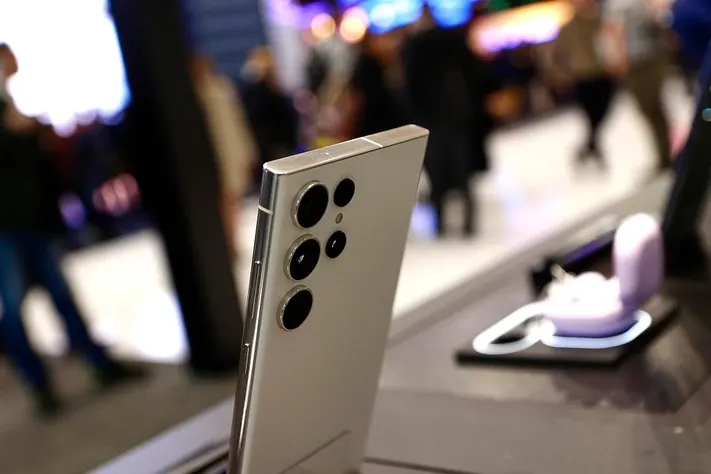


AI Powered Smartphone Cameras 2025: The Latest Tech, Revolutionary Trends & Top Phones
Estimated reading time: 9 minutes
Key Takeaways
- In 2025, AI powered smartphone cameras have evolved from simple tools to complete imaging systems, managing everything from capture to complex editing and generation.
- The latest smartphone camera technology hinges on massive sensors (like 200MP), AI-integrated processors, and advanced periscope lenses for unprecedented detail and zoom.
- Revolutionary mobile photography trends include multi-camera AI fusion, cameras as vision interfaces for AR, and AI-driven portrait modes with studio-quality effects.
- The best AI driven photography features to look for are automatic scene optimization, intelligent object tracking, advanced Night modes, and powerful in-app AI editing tools.
- Choosing among the top smartphones with advanced camera capabilities means prioritizing AI features and processing prowess over raw megapixel counts.
Table of contents
- AI Powered Smartphone Cameras 2025: The Latest Tech, Revolutionary Trends & Top Phones
- Key Takeaways
- From Snapshots to Smart Systems: The Evolution
- The Latest Smartphone Camera Technology in 2025
- Revolutionary Mobile Photography Trends in 2025
- The Best AI Driven Photography Features to Look For
- Top Smartphones with Advanced Camera Capabilities in 2025
- How AI is Changing Mobile Photography Forever
- What’s Next for AI Powered Smartphone Cameras?
- Frequently Asked Questions
Welcome to 2025, where the camera in your pocket is no longer just a lens and a sensor. It’s a deeply AI‑driven imaging system that intelligently handles focusing, exposure, editing, and can even generate elements within a scene. This shift from simple point‑and‑shoot to computational powerhouse represents one of the three camera phone trends that defined 2025, marking a new era for mobile photography. At the core of this revolution is the advanced AI camera technology in smartphones that is fundamentally redefining what’s possible.
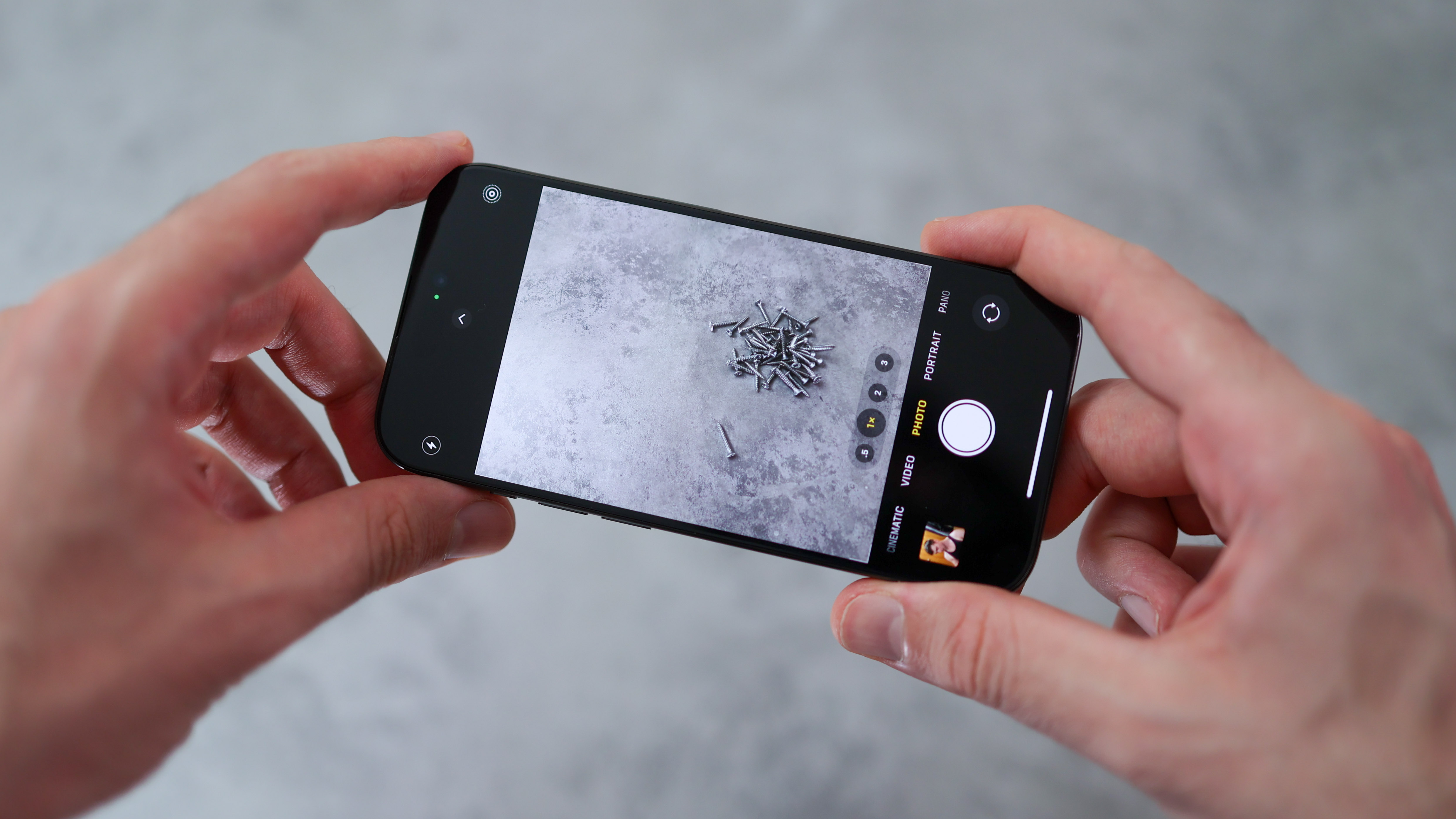
This guide will break down everything you need to know about the latest smartphone camera technology, the most revolutionary mobile photography trends, the best AI driven photography features, and the top smartphones with advanced camera capabilities you can buy right now.
But first, what exactly do we mean by AI powered smartphone cameras 2025? Simply put, these are camera systems that use artificial intelligence and machine learning at every step—from recognizing a scene and choosing the perfect settings, to stabilizing the shot, sharpening details, reducing noise, and even editing or generating new visual content—all powered by 2025‑era hardware and software. This is part of a larger movement towards unstoppable AI-powered smartphones, where the camera is your smartest, most creative tool. By the end of this post, you’ll know which features truly matter and how to choose a phone that will transform your everyday photography.
From Snapshots to Smart Systems: The Evolution
The journey to today’s AI powered smartphone cameras 2025 has been remarkable. Early smartphones relied on single, small sensors and basic automatic exposure. The last decade saw the rise of multi‑camera arrays and computational photography—where software combines multiple images to create effects like HDR and better low‑light shots. As noted in the trends that defined the year, 2025 is the year AI became the foundation of almost every capture and editing stage. The “smart” in smartphone is now as critical as the lens itself. For non‑experts, think of computational photography as software‑based magic that goes beyond hardware limits to create stunning images.
The Latest Smartphone Camera Technology in 2025
The latest smartphone camera technology is a symphony of cutting‑edge hardware and intelligent software, creating the backbone of ai powered smartphone cameras 2025.
Advanced Sensor Technology
The sensor is the light‑sensitive chip that converts light into a digital image. In 2025, 200MP and other very high‑resolution sensors are becoming commonplace in flagships. This allows for extreme cropping and so‑called “lossless” digital zoom, as the phone can use a central portion of the sensor and still retain enough detail. This trend, pioneered by innovations like the groundbreaking Samsung Epic 200MP ISOCELL camera sensor, is a game‑changer. Furthermore, larger sensors (around 1/1.12‑inch) are being adopted to gather more light, dramatically improving low‑light performance, reducing noise, and increasing dynamic range—the ability to see detail in both shadows and bright skies. Brands like Oppo and Xiaomi are pushing these large, high‑megapixel sensors to enable both detailed photos and strong crop‑based zoom.

Improved Image Processing & On‑Device AI
The Image Signal Processor (ISP) is the specialized chip that turns raw sensor data into a finished photo. Now, platforms like Qualcomm Snapdragon integrate AI engines directly into the ISP. This allows for real‑time scene analysis and subject detection during capture. As highlighted at the Snapdragon Summit, this enables AI everywhere in on‑device compute, camera, and sensing. The improvements are visible in:
- HDR (High Dynamic Range): AI decides how many frames to blend for natural‑looking balanced shots.
- White Balance & Skin Tones: AI models trained on diverse datasets produce more realistic colors and complexions.
- Motion Handling: AI predicts movement to reduce blur and select the sharpest frames.
Vendors like Samsung are leading with a camera‑as‑a‑vision‑interface approach, where the camera understands what you’re looking at and responds with optimized settings or helpful actions.
Enhanced Optical and Hybrid Zoom
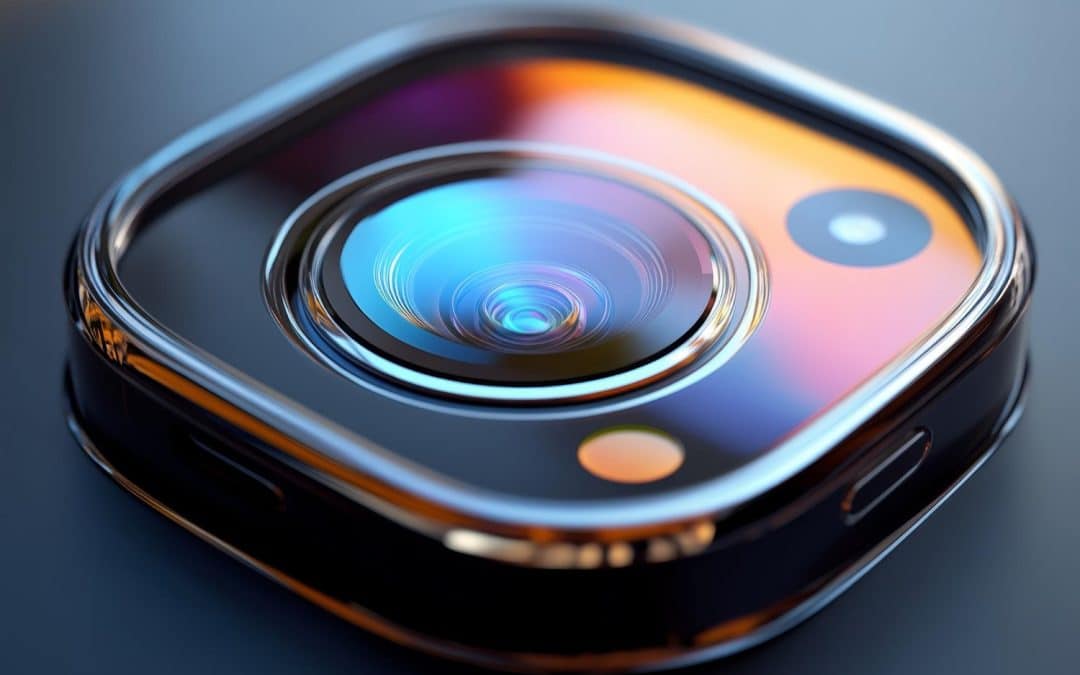
While optical zoom uses physical lens movement, hybrid zoom combines it with AI‑assisted cropping and upscaling. Periscope lenses use a folded, sideways light path to fit longer focal lengths into slim phones, enabling true 5x–10x optical zoom. Furthermore, those large 200MP sensors can simulate high‑quality “lossless” zoom by oversampling and cropping—delivering clean 13x zoom because enough pixels remain. This is a key feature to look for in the top smartphones with advanced camera capabilities.

Revolutionary Mobile Photography Trends in 2025
Beyond hardware, new usage patterns define the revolutionary mobile photography trends of the year.
Multi‑Camera Setups as the Norm
Flagships now standardize ultra‑wide, main, and telephoto/periscope cameras. The magic lies in how AI fuses data from several cameras to create smooth zoom transitions, eliminating harsh jumps between lenses. AI also corrects for color and exposure differences between modules, creating a seamless experience.

3D Modeling & Augmented Reality (AR) Features
Your camera is now a “vision interface”. It recognizes objects, text, and spaces to trigger context‑aware AR overlays—like live translations, furniture previews in your room, or navigation arrows on the street. Phones also use multiple cameras for 3D capture and room scanning, feeding into XR/VR apps and interior design tools.

Advanced Portrait Mode & Computational Bokeh
Portrait modes now rely on sophisticated AI depth mapping, using parallax and learned cues to accurately separate subject from background. Improvements include near‑perfect edge detection around hair and glasses, portrait relighting to change lighting after the shot, and skin‑tone aware adjustments that preserve natural texture instead of over‑smoothing.

The Best AI Driven Photography Features to Look For
Your smartest buying decision is to evaluate the AI features—what the phone can do automatically and creatively. These are the core AI powered camera features that separate good cameras from great ones.
Automatic Scene Detection & Optimization
The camera recognizes what you’re shooting—people, pets, food, documents—and switches to tuned profiles. AI automatically adjusts exposure, color, and sharpening for the best result. Samsung’s implementation, for example, labels the scene and may suggest actions like scanning text.

Object Tracking & Recognition
Object tracking maintains focus on a moving subject like a child or athlete. Object recognition classifies elements in the scene to trigger features: instant translation of foreign text, “shop similar” links for products, or visual search for landmarks and plants.
Advanced Low‑Light & Night Photography
Modern Night mode captures multiple frames, aligns them (accounting for hand shake), and uses AI‑based denoising to remove grain while keeping fine details. The combination of larger sensors and smarter AI produces brighter, more natural night shots with fewer color artifacts.
AI Editing & Generative Tools
Built‑in gallery apps now offer powerful AI editing: one‑tap sky replacement, object erasers that fill in backgrounds, and portrait relighting. Some even support voice‑guided edits, where you can say “brighten the subject” and the phone complies.
AI Capture Guidance
Acting as a photo tutor, the camera gives real‑time suggestions on composition, framing, and lighting—prompts like “move closer” or “subject is backlit.” This powerful tool helps anyone improve their smartphone photography skills.
Top Smartphones with Advanced Camera Capabilities in 2025
While models change, these 2025 families are consistently praised for leading AI camera performance and represent the pinnacle of ai powered smartphone cameras 2025.
Google Pixel 9 Pro (or Latest Pixel)
Google’s flagship continues to lead in computational photography. Expect a 50MP main sensor and class‑leading features like Night Sight, HDR+, and impressive computational zoom. Unique AI tools like Best Take (for perfect group shots) and Magic Eraser make editing effortless. It’s known for natural colors and skin tones, ideal for users who want point‑and‑shoot simplicity with the strongest AI processing.

Samsung Galaxy S‑series / Fold‑series (2025 Generation)
Samsung’s flagships combine high‑resolution sensors with versatile zoom cameras. Their strength lies in Galaxy AI features: real‑time scene understanding and quick actions from the viewfinder like translation and shopping links. They also excel at blending optical and AI‑powered hybrid zoom. The foldables offer unique creative angles, using the main cameras for high‑quality selfies.
Oppo, Xiaomi, & Other Android Flagships
These brands aggressively push hardware boundaries, often featuring 200MP‑class sensors and aggressive AI processing to produce extremely detailed, vibrant images. They focus on long hybrid zoom ranges (10x‑13x with AI upscaling) and dedicated portrait lenses for pleasing bokeh, making them strong contenders for enthusiasts who love detail and versatility.
How AI is Changing Mobile Photography Forever
The impact of ai powered smartphone cameras 2025 extends far beyond better snapshots.
- Improved Image Quality: AI enhances dynamic range, applies intelligent noise reduction, and uses semantic understanding to process different parts of an image (sky, skin, text) appropriately for a polished, professional result.
- Enhanced User Experience:
Point‑and‑shoot is smarter than ever, with AI handling all complex settings. The camera also acts as an assistant, offering instant translation, text copying, and visual search based on what it sees. - Increased Creativity & Flexibility:
Non‑destructive AI edits and tools like sky replacement or portrait relighting let users re‑imagine their photos long after capture. Capture guidance lowers the skill barrier, helping everyone take better pictures. - Blurring the Line Between Capture & Creation:
As AI can convincingly add or remove elements, the line between a photo and a synthetic image blurs. This is leading to discussions about AI watermarks and ethical disclosure, especially in journalism.
What’s Next for AI Powered Smartphone Cameras?
The evolution is unstoppable. Expect even larger, faster stacked sensors and wider adoption of 200MP‑class sensors. The push is toward deeper ISP‑level AI that understands not just the scene, but the user’s intent—whether they want a natural documentary shot or a stylized social media look. Applications will expand into real‑time AR assistance for navigation, shopping, and education. We’re moving from “taking photos” to co‑creating images with AI, where the user sets the vision and AI assists in both capture and creative transformation. Tools to verify authenticity will likely become standard, ensuring creative freedom without sacrificing trust.

Frequently Asked Questions
What exactly makes a smartphone camera “AI powered” in 2025?
In 2025, an AI‑powered camera uses machine learning at every stage: to recognize scenes and subjects in real‑time, optimize settings (focus, exposure, white balance), combine multiple frames for HDR or Night mode, apply selective enhancements, and offer advanced editing features like object removal or background generation—all often processed directly on the device for speed and privacy.
Are more megapixels always better for smartphone photography?
Not necessarily. While high megapixels (like 200MP) allow for lossless cropping and digital zoom, the sensor size, pixel quality, and most importantly, the AI processing power are far more critical for overall image quality—especially in low light. A 50MP sensor with excellent AI can often outperform a 200MP sensor with poor processing.
How does AI improve portrait mode photos?
AI creates a precise depth map of the scene to accurately separate the subject from the background. It then applies a realistic blur (bokeh) and can even adjust the lighting on the subject’s face after the photo is taken. Advanced AI also ensures clean edges around complex areas like hair or glasses.
Should I be concerned about AI “altering” my photos too much?
This is a personal preference. Most AI enhancements aim to create a more pleasing image that matches what our eyes see (correcting exposure, balancing colors). However, features like sky replacement or generative fill are more creative tools. The key is transparency—many phones now keep edits non‑destructive or add metadata, allowing you to revert changes or understand what was altered.
What is the single most important AI camera feature to look for in a new phone?
For most users, reliable and intelligent automatic scene detection and optimization is the most important. It ensures you get a great photo in any situation—portrait, landscape, night, document—without needing to manually adjust settings. This feature embodies the “point‑and‑shoot” simplicity that AI cameras promise.