

AI Tech Predictions 2026: The Pivot from Experimentation to Enterprise Integration
Estimated reading time: 12 minutes
Key Takeaways
- The year 2026 marks the definitive shift from AI pilots to production-scale enterprise integration, reshaping software economics and operations.
- Three core forces will drive this change: enterprise innovation trends, security compute evolution, and the open source ai future.
- “AI factories” and autonomous super agents will become central to business workflows, moving from tools to digital employees.
- Security transitions from a bottleneck to the foundational enabler, with confidential AI and AI sovereignty becoming critical.
- The open-source movement will challenge giants with efficient, specialized models, leading to a future of hybrid collaboration.
- Mastering the integration of these trends is imperative for businesses to avoid obsolescence in an AI-disrupted landscape.
Table of contents
- AI Tech Predictions 2026: The Pivot from Experimentation to Enterprise Integration
- Key Takeaways
- 1. Enterprise Innovation Trends: AI Moves to the Core
- 2. Security Compute Evolution: Trust as the Foundation for Innovation
- 3. The Open Source AI Future: Community-Driven Efficiency and Access
- Synthesis: The Interdependent Forces Redefining 2026
- Frequently Asked Questions
The year 2026 is poised to be a pivotal turning point in ai tech predictions 2026, marking the definitive shift where artificial intelligence transitions from pilot projects and experimentation to production-scale integration across the global enterprise landscape. This evolution will fundamentally reshape software economics, operational workflows, and underlying infrastructure.

This analysis, curated from leading industry reports, explores three interconnected forces driving this change: enterprise innovation trends, security compute evolution, and the open source ai future. We’ll dissect these themes to provide actionable, forward-looking insights that move beyond the hype.
1. Enterprise Innovation Trends: AI Moves to the Core
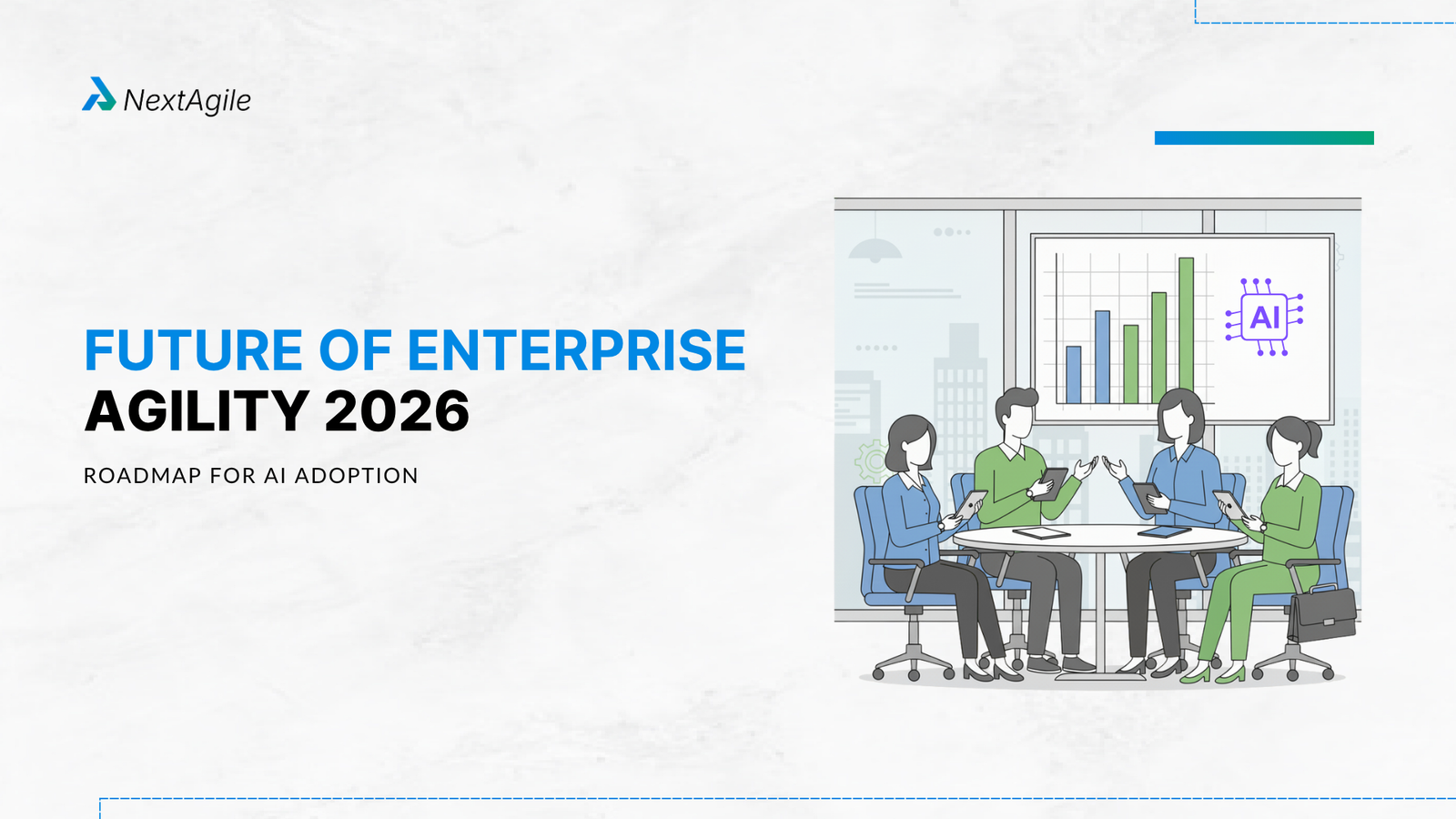
Enterprise innovation trends signal the conclusive end of the pilot phase. AI is becoming the core of business systems through the adoption of AI-native processes and agentic workflows. By 2026, leading enterprises will deploy “AI factories”—integrated platforms that combine data, algorithms, and MLOps methodologies for rapid, scalable model building and deployment.
This shift is accompanied by top-down strategic initiatives targeting high-impact workflows like intelligent procurement and dynamic pricing optimization.
The competitive landscape is intensifying. Mid-market software firms face existential disruption from agile, AI-native startups and the overwhelming R&D investments of tech giants, forcing industry-wide rewrites of development paradigms, user interfaces, pricing models, and organizational structures (AlixPartners).
Key predictions for the enterprise include:
- The Rise of Super Agents & MAS: Super agents and multi-agent systems (MAS) will emerge as “digital employees,” autonomously handling complex, multi-step tasks like end-to-end supply chain reordering or full-stack application deployment. Success will be measured by tasks completed and business outcomes achieved, not merely tokens generated (Jakob Nielsen).
- Industry-Specific, Edge-Integrated AI: There will be a surge in fine-tuning smaller, multimodal models for specific industries, integrating them with IoT and edge computing for real-time decision-making. This moves focus from individual AI tools to AI-orchestrated team workflows.
- Investment in Scalability & Talent: Organizations will make heavy investments in model evaluation, scalability frameworks, and specialized talent to move the “massive middle” of enterprise AI initiatives from prototype to secure, reliable, production-grade systems. This reflects the broader transformation of business operations, a trend explored in our analysis of how AI is transforming businesses.
2. Security Compute Evolution: Trust as the Foundation for Innovation
The security compute evolution is accelerating, driven by AI’s dual role as both a potent amplifier of vulnerabilities and a powerful enabler of defense. This trend prioritizes the development of intrinsic trust architectures and strategies for AI sovereignty.
The proliferation of agentic AI sharpens the enterprise focus on securing the models themselves, as cybersecurity increasingly fuses with AI infrastructure, creating new attack vectors that demand novel defenses (Sapphire Ventures). This is part of a larger revolution in modern cybersecurity, detailed in our look at breakthrough AI cyber defense.
Key developments in security compute include:
- Confidential AI: The emergence of confidential AI via hardware-secured enclaves (like confidential computing) will become standard to protect intellectual property and sensitive training data, integrated directly into chip designs with security-by-default principles.
- AI-Powered Proactive Defense: AI will power proactive threat detection and automated response at the compute level. New chip architectures will be optimized for agentic workloads, featuring cooperative model routing to isolate and contain breaches. This is critical for sectors like finance, where tools for unstoppable AI fraud detection are becoming essential.
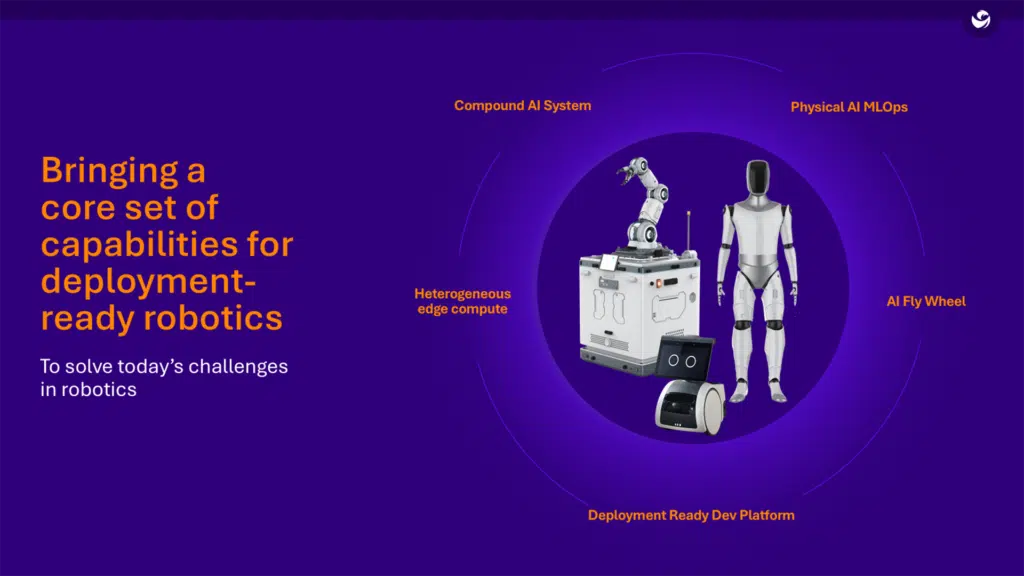
- AI Sovereignty Strategies: Enterprises will adopt comprehensive “AI sovereignty” strategies to balance rapid innovation with regulatory compliance, data residency, and ethical mandates. This becomes especially critical as robotics and physical AI demand robust, fail-safe physical safeguards.
This security-first posture is not a bottleneck but the essential enabler that permits bolder enterprise innovation, creating a secure foundation for the AI-driven future.
3. The Open Source AI Future: Community-Driven Efficiency and Access
The open source ai future represents a powerful counterbalance and complement to proprietary giants, fueled by community-driven development that prioritizes efficiency, transparency, and addressing domain-specific needs.

Advances in fine-tuning techniques and reinforcement learning from human feedback (RLHF) are enabling smaller, highly efficient open-source reasoning models and agents. These are gaining significant market share against closed systems, particularly for specialized applications where cost and transparency are paramount.
Core to this movement are modular open-source frameworks that enable synthetic parsing pipelines and multi-model routing. In this paradigm, smaller, efficient models act as orchestrators, delegating specialized tasks (like document parsing or code generation) to other best-in-class models, optimizing for both cost and performance.
- Community-Driven Specialization: Vibrant open-source communities are driving breakthroughs in specialized applications, from drug discovery and materials science to optimizing complex business workflows. This counters the “scaling fatigue” associated with ever-larger general models.
- Collaboration with Proprietary Systems: A nuanced tension exists where open models empower enterprises with control and low latency but require significant internal infrastructure for enterprise-grade reliability. The future lies in hybrid collaboration, where open-source innovation feeds into and coexists with proprietary “AI factories”. This collaborative, efficient model is also powering sustainability, as seen in next-level AI-powered sustainability projects.

Synthesis: The Interdependent Forces Redefining 2026
The enterprise innovation trends, security compute evolution, and open source ai future are not isolated threads but interdependent forces shaping the core of ai tech predictions 2026. Together, they describe a world where agentic AI, underpinned by secure, specialized infrastructure and fueled by both open collaboration and focused proprietary investment, redefines value creation—shifting it from tools to autonomous, intelligent ecosystems. This landscape is being built upon the foundational cutting-edge AI technologies we see today.
Businesses that strategically master the integration of these trends—building agentic workflows on secure, efficient infrastructure—will seize a commanding lead. Those that lag risk accelerating obsolescence in an AI-disrupted landscape. The consolidation of insights from across the ecosystem underscores this point.
As we look toward this agentic era, a critical question emerges: How will your organization adapt its core workflows, security posture, and collaboration models to harness this transformative potential?
Frequently Asked Questions
What is the biggest change expected by 2026 in AI adoption?
The most significant shift is the move from experimentation and pilot projects to full-scale enterprise integration. AI will cease to be a standalone tool and become the core of business operating systems, deployed through “AI factories” and autonomous agentic workflows that handle complex, multi-step processes.
How will security needs evolve with AI integration?
Security will evolve from a peripheral concern to the foundational layer of AI infrastructure. The focus will shift to confidential AI using hardware-secured enclaves, AI-powered proactive threat detection at the compute level, and comprehensive “AI sovereignty” strategies that ensure compliance, data residency, and ethical governance as AI systems gain more autonomy.
What role will open-source AI play against major tech giants?
Open-source AI will act as a crucial counterbalance, driving innovation in efficiency and specialization. It will empower organizations with greater control, transparency, and cost-effectiveness for domain-specific tasks. The future is not a winner-takes-all but a hybrid model, where open-source frameworks and models collaborate with and complement proprietary “AI factory” platforms from major vendors.
What are ‘super agents’ and how will they impact businesses?
Super agents are advanced AI systems, often part of multi-agent systems (MAS), designed to autonomously execute complex, end-to-end business tasks—like managing an entire supply chain reorder or deploying a software application. They will function as “digital employees,” fundamentally changing operational workflows and shifting performance metrics from token generation to tangible business outcomes achieved.
Why is 2026 considered such a critical pivot point?
2026 represents the convergence point where several maturing trends—agentic workflows, secure and specialized compute infrastructure, and efficient open-source models—reach a tipping point for mainstream enterprise viability. It’s the period where early experimentation yields to the hard work of scalable, secure, and economically viable integration, separating leaders from laggards in the AI-transformed business landscape.