
Amazon Kuiper Satellite Internet Beta: The Dawn of Global Broadband
Estimated reading time: 9 minutes
Key Takeaways
- Amazon Kuiper satellite internet beta marks the real-world testing phase of Amazon’s ambitious low Earth orbit constellation, aiming for high-speed, low-latency broadband globally.
- The technology relies on over 3,236 satellites in LEO, offering significant advantages over traditional geostationary systems, with prototypes already achieving speeds up to 400 Mbps.
- Beta testing began in late 2025 for select enterprises, with a wider low earth orbit broadband 2026 rollout planned, targeting full global coverage by 2029.
- This global coverage project promises to bridge the digital divide, bringing connectivity to remote and underserved areas worldwide.
- Amazon enters a competitive space internet race against players like SpaceX’s Starlink, driving innovation and potentially lowering costs for consumers.
Table of contents
- Amazon Kuiper Satellite Internet Beta: The Dawn of Global Broadband
- Key Takeaways
- Introduction: A New Era of Connectivity
- The Technology Behind Amazon Leo (Formerly Project Kuiper)
- The Beta Phase and 2026 Timeline: From Testing to Global Rollout
- A Truly Global Coverage Project: Bridging the Digital Divide
- The Space Internet Race: Amazon Leo vs. The World
- The Future of Connectivity: Synthesis and Outlook
- Frequently Asked Questions
Introduction: A New Era of Connectivity
Imagine a world where high-speed internet beams down from the sky, reaching every remote village, every sailing vessel, and every mountain retreat. This isn’t science fiction—it’s the dawn of a new era in global connectivity, where satellite networks promise to erase digital deserts and spark curiosity about ongoing global broadband projects. At the forefront is Amazon’s ambitious initiative: the Amazon Kuiper satellite internet beta.
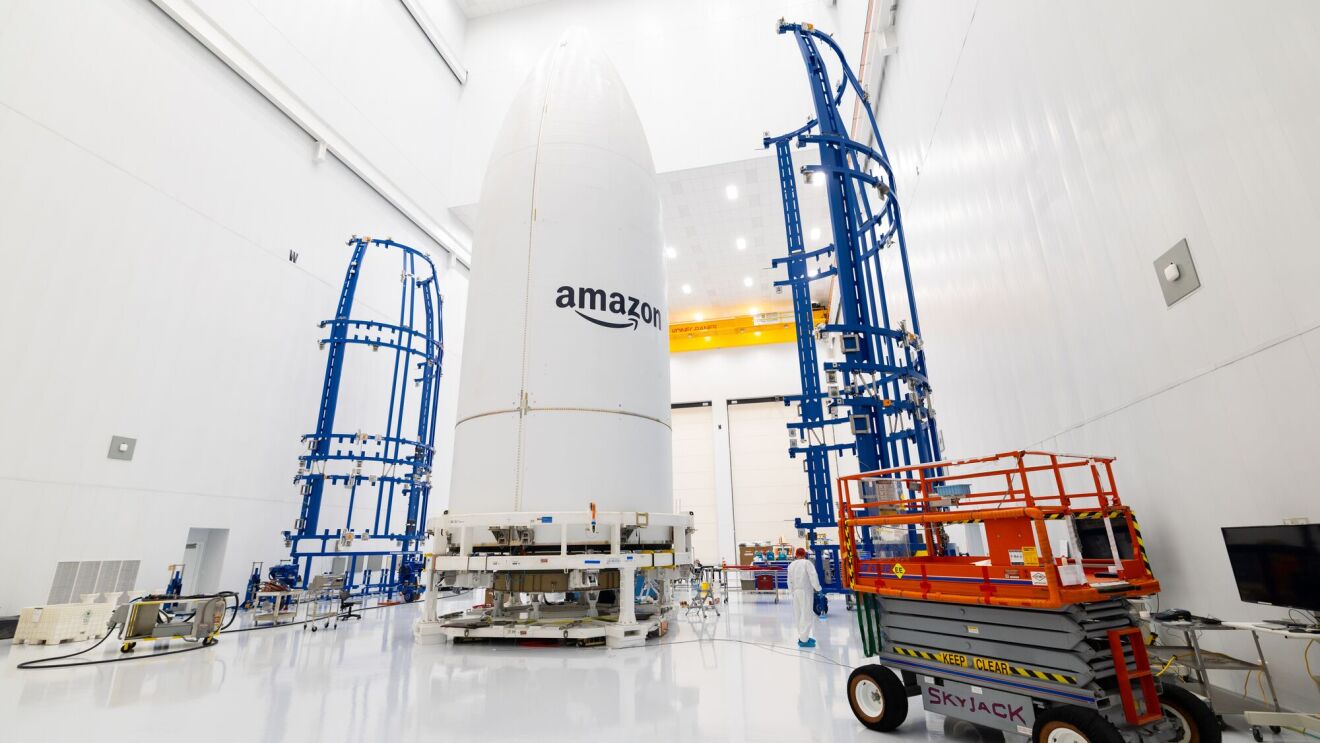
Known officially as Amazon Leo (formerly Project Kuiper), this project represents Amazon’s colossal bet on deploying a constellation of satellites to deliver high-speed, low-latency broadband accessible virtually anywhere on Earth. The “beta” phase is the critical real-world testing stage where select customers use production hardware and software to evaluate the network before a wider rollout, as detailed in this late-2025 update.
This blog aims to demystify the Amazon Kuiper satellite internet beta within the revolutionary context of global coverage projects like low earth orbit broadband 2026 initiatives, satisfying your curiosity about these transformative efforts in the space internet race, as explored in discussions on next-gen tech. We’ll dive into the technology, timeline, global ambitions, and fierce competition that make this project a game-changer, hinted at in analyses of AI-powered space tech. Buckle up—we’re heading to low Earth orbit.
The Technology Behind Amazon Leo (Formerly Project Kuiper)
At its core, Amazon Leo is a constellation of more than 3,236 satellites in low Earth orbit (LEO), orbiting at altitudes between 590km and 630km (about 392 miles). These satellites zip around Earth every 90 minutes at speeds over 17,000 miles per hour, enabling lower latency and higher speeds compared to geostationary satellites that lounge far away at 35,786 km. This proximity is key—think of it as a high-speed train versus a slow cargo ship. Sources like this ISPreview article and Amazon’s innovation page confirm the technical specs.
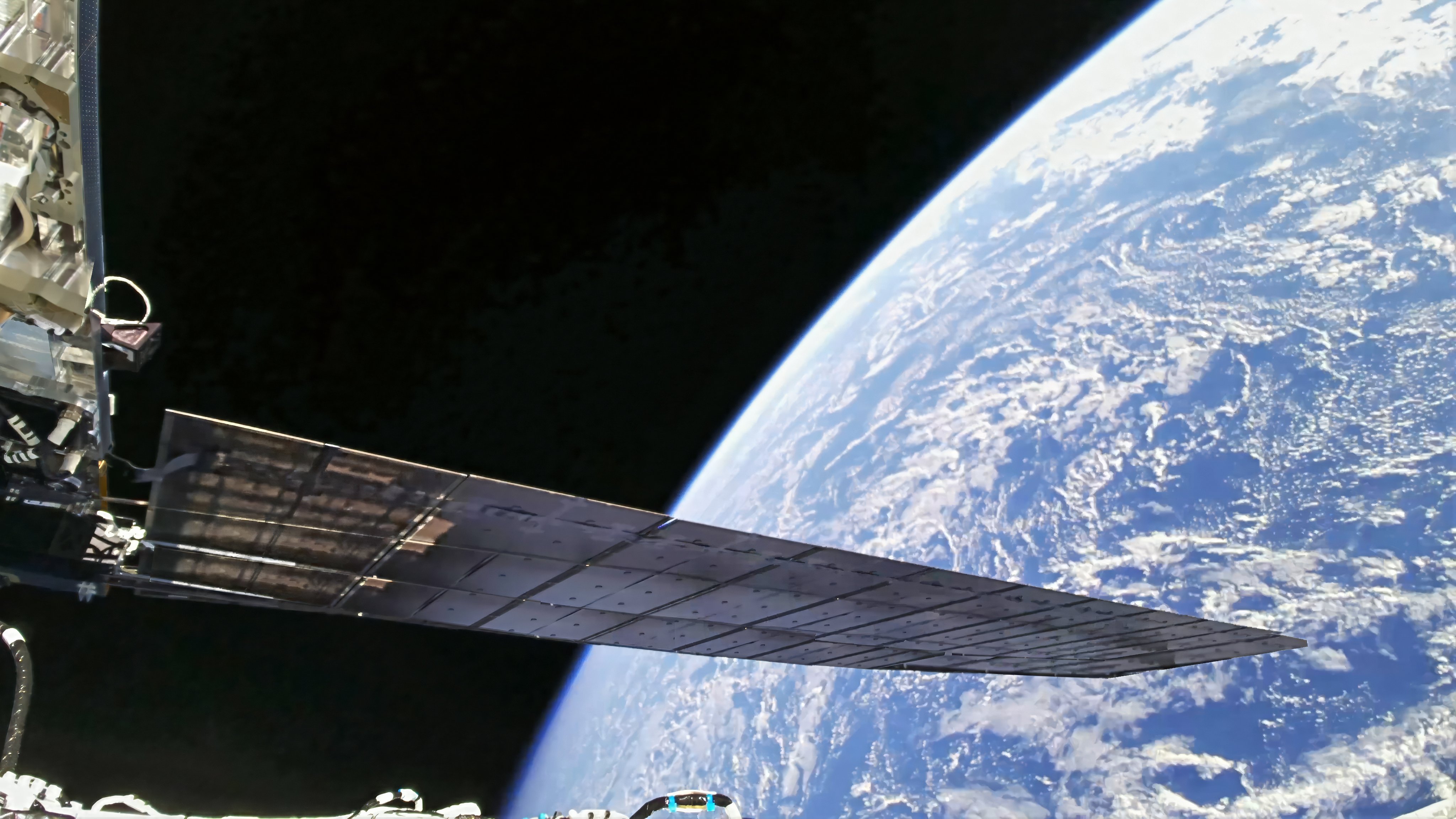
Each satellite is a marvel of engineering:
- Advanced phased array antennas for precise beamforming.
- Improved processors and solar arrays for efficiency.
- Propulsion systems for orbital adjustments.
- Optical inter-satellite links that allow direct satellite-to-satellite communication, reducing reliance on ground stations.
- A unique dielectric mirror film coating to scatter sunlight and reduce visibility to astronomers, as noted in Amazon’s launch announcement.

As of late 2025, over 150 satellites have been deployed via launches with SpaceX and United Launch Alliance, with more scheduled by December 2025. However, at least 500 satellites are needed for basic global coverage project functionality, scaling to the full 3,236, per SatelliteInternet.com and Novadata.
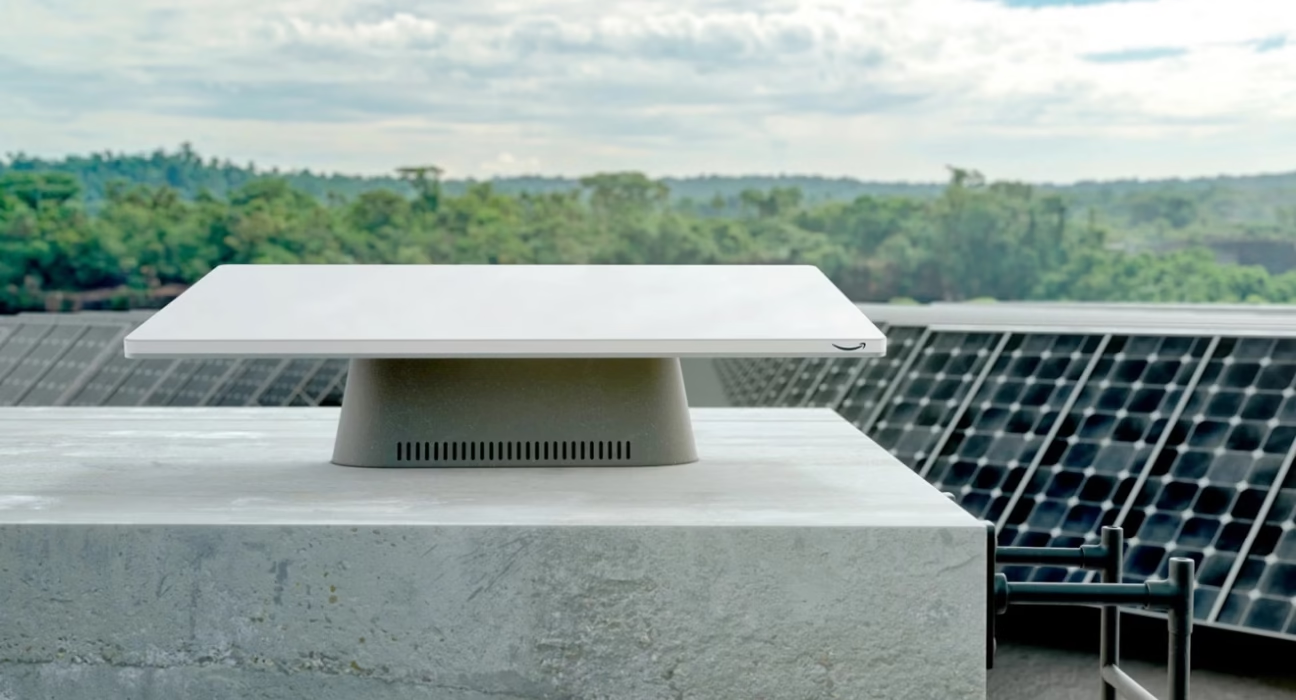
For customers, Amazon offers three antenna terminals: Leo Nano (compact), Leo Pro (standard), and Leo Ultra (high-capacity). Prototype terminals have already achieved speeds up to 400 Mbps, with improvements expected, as detailed on Amazon’s devices page and HighSpeedInternet.com.

The advantages of low earth orbit broadband are profound. Lower latency means data transmission delays shrink, enabling seamless streaming, gaming, and video calls. As record-breaking internet speeds show, the race for performance is on. This amazon kuiper satellite internet beta is a crucial step in proving this technology for a global coverage project.
The Beta Phase and 2026 Timeline: From Testing to Global Rollout
The enterprise preview/beta phase kicked off in November 2025, inviting select business customers to test production equipment. This marks a shift from 2023 prototypes to operational testing, as reported in this RV Mobile Internet update. It’s where real-world data meets ambitious dreams.

Looking ahead, 2026 is poised to be a landmark year for low earth orbit broadband 2026 rollout. Key milestones include:
- Wider coverage expansion as satellite launches accelerate. FCC filings indicate that “most of North America” can be covered with just 578 satellites—less than 18% of the full constellation.
- Partial commercial service by 2027, with partnerships like JetBlue’s in-flight Wi-Fi on the horizon, per HighSpeedInternet.com.
- Full first-generation constellation completion by 2029, supported by launches on Atlas V, Vulcan Centaur, Arianespace, Blue Origin, and SpaceX rockets, as noted by SatelliteInternet.com.

Amazon is scaling rapidly: manufacturing ramps up in Kirkland and Redmond, WA; global telemetry, tracking, and control sites are established; and a 24/7 mission operations center runs in Redmond. This infrastructure backbone is critical for the amazon kuiper satellite internet beta to evolve into a full-service network, as explained in Amazon’s innovation coverage.
Timeline Snapshot:
- Late 2025: Beta testing begins with enterprises.
- 2026: Expanded coverage and service trials.
- 2027: Initial commercial services, e.g., aviation.
- 2029: Full constellation operational.
This progression underscores the low earth orbit broadband 2026 momentum, making the amazon kuiper satellite internet beta a precursor to a connected world.
A Truly Global Coverage Project: Bridging the Digital Divide
Amazon Leo is engineered as a global coverage project, designed to deliver high-speed, low-latency internet to virtually any location on the planet. This targets underserved and remote communities, critical infrastructure, and businesses, as highlighted in Amazon’s project launch and availability guides.

The impact on the digital divide could be transformative:
- Bypassing costly terrestrial infrastructure: In sparse areas, laying fiber or building cellular towers is often economically unfeasible. Satellite broadband changes the game.
- Empowering developing countries and remote regions: From education to healthcare, connectivity enables access to resources. Imagine a rural village gaining online schooling or farmers using IoT sensors for crop management.
- Enhancing emergency response: Reliable internet in disaster zones can save lives.
The amazon kuiper satellite internet beta serves as proof-of-concept testing for this scale. It’s not just about technology; it’s about equity. As smart city innovations show, connectivity fuels progress. This project aims to weave a digital safety net across the globe.
The Space Internet Race: Amazon Leo vs. The World
Amazon Leo enters a fierce space internet race, competing against giants like SpaceX’s Starlink (with thousands of satellites already in orbit), OneWeb, and others vying for the satellite broadband market, as SatelliteInternet.com outlines. This competition is heating up, and consumers stand to benefit.

Let’s compare key players:
- SpaceX’s Starlink: First-mover advantage with extensive coverage, but faces congestion issues in some areas. It’s the incumbent to beat.
- Amazon Leo: Learns from Starlink’s lessons, deploying satellites dubbed “the most advanced ever” with ongoing improvements, per Amazon’s claims and industry analysis.
- Others: OneWeb focuses on enterprise, while companies like Telesat explore hybrid approaches.
The benefits of this race are clear:
Competition accelerates innovation, pressures timelines, and improves pricing, speeds, and reliability for end-users.

For a snapshot, consider this comparison table (styled as a list for simplicity):
- Amazon Leo: Satellite count: 3,236+ (planned); Status: Beta testing; Strengths: Advanced tech, Amazon ecosystem integration; Weaknesses: Late entry, scaling challenges.
- Starlink: Satellite count: ~5,000+ (operational); Status: Commercial service; Strengths: Extensive coverage, mature service; Weaknesses: Congestion, higher latency in some cases.
This space internet race is a cornerstone of low earth orbit broadband 2026 developments, pushing boundaries as speed records illustrate.
The Future of Connectivity: Synthesis and Outlook
The amazon kuiper satellite internet beta positions Amazon as a key contender in the low earth orbit broadband 2026 landscape and the long-term space internet race. The years 2026-2027 will be critical for transitioning from beta to commercial service as the constellation grows.

Looking forward, multiple provider choices will drive a better user experience, but challenges remain:
- Traffic management: With thousands of satellites, avoiding orbital congestion and space debris is paramount.
- Global scaling: Deploying ground infrastructure and navigating regulatory hurdles across countries.
- Affordability: Ensuring services are accessible to those who need them most.
This global coverage project has the potential to reshape worldwide connectivity, eliminating the wait for fiber in remote areas and aiding operations in sectors like shipping, aviation, and emergency services. As the space internet race heats up, the amazon kuiper satellite internet beta heralds a connected planet—stay tuned for 2026 rollouts and consider how this could change your world. Share your thoughts on which provider you’ll choose or sign up for beta updates via Amazon.
Frequently Asked Questions
What is the Amazon Kuiper satellite internet beta?
The beta is the real-world testing phase of Amazon Leo (formerly Project Kuiper), where select customers use production terminals and software to evaluate the network before wider commercial rollout, as detailed in this update.
When will Amazon Leo be available worldwide?
Partial coverage is expected by 2026-2027, with full global coverage from the first-generation constellation aimed for 2029, based on satellite deployment schedules.
How does Amazon Leo compare to Starlink?
Amazon Leo leverages advanced satellite technology and learns from Starlink’s early moves, but Starlink has a head start in commercial service. Competition is driving innovation in the space internet race, as comparisons show.
What are the advantages of low earth orbit broadband?
LEO satellites offer lower latency and higher speeds due to their proximity to Earth, enabling seamless streaming, gaming, and real-time applications, a key focus of low earth orbit broadband 2026 projects.
How will this project help remote areas?
As a global coverage project, Amazon Leo aims to bypass costly ground infrastructure, providing internet access to underserved regions for education, business, and emergencies, transforming connectivity landscapes.