
Apple Vision Pro 2 Leaks: Decoding the Next Step in Spatial Computing
Estimated reading time: 12 minutes
Key Takeaways
- The latest apple vision pro 2 leaks point to an iterative hardware refresh focused on internal upgrades like an M5-class chip, not a radical redesign.
- Rumored visionos 2 updates are crucial, promising features like dynamic foveated rendering and deeper ecosystem integration to unlock new capabilities.
- Next-generation micro oled panels are a key upgrade lever, targeting sharper text, better efficiency, and improved visual comfort for long sessions.
- A major strategic push centers on productivity ar features, transforming Vision Pro from a media device into a viable spatial workhorse for professionals.
- Conflicting leaks suggest two plausible paths: a spec-bumped “Pro 2” in 2025-26, or a slower Pro evolution with focus shifting to a cheaper “Vision Air” model first.
Table of contents
- Apple Vision Pro 2 Leaks: Decoding the Next Step in Spatial Computing
- Key Takeaways
- What the Latest Apple Vision Pro 2 Leaks Actually Say
- How VisionOS 2 (and Beyond) Could Unlock the Next Vision Pro
- Why Next-Gen Micro-OLED Panels Matter for Vision Pro 2
- From Novelty to Workhorse – Emerging Productivity AR Features
- Connecting the Dots – What a Realistic Vision Pro 2 Package Looks Like
- Frequently Asked Questions
If you’ve been hunting down the latest apple vision pro 2 leaks, you’ve probably noticed a shift: instead of wild redesigns, most reports now point to quiet but strategic upgrades that set up Apple’s long-term spatial computing plans. This comes even as Apple officially announced an upgraded Vision Pro with an M5 chip and a new Dual Knit Band in late 2025, which is still considered part of the first-generation product line, not a true “Vision Pro 2.”

Apple’s newsroom describes this refresh as focused on better performance, improved display rendering, and more comfortable fit—a clear sign of the company’s iterative approach to this nascent platform. This official move is important context because it shows Apple is already laying the groundwork, making the chatter about a true second generation all the more pertinent.
Let’s be clear: “Apple Vision Pro 2” has not been formally announced. Everything discussed here is based on regulatory filings, supply chain reports, and analyst predictions. As covered by PhoneArena and Stuff.tv, expectations may be “disappointing” for those hoping for a radical new look, but they are revealing for understanding Apple’s strategy.
In this article, we’ll separate the consistent leaks from the speculation, walking you through:
- The core apple vision pro 2 leaks on design, chip, and features.
- How rumored visionos 2 updates may pair with new hardware.
- The critical role of advanced micro oled panels.
- The evolving push toward practical productivity ar features.
What the Latest Apple Vision Pro 2 Leaks Actually Say
Incremental Refresh, Not Radical Redesign
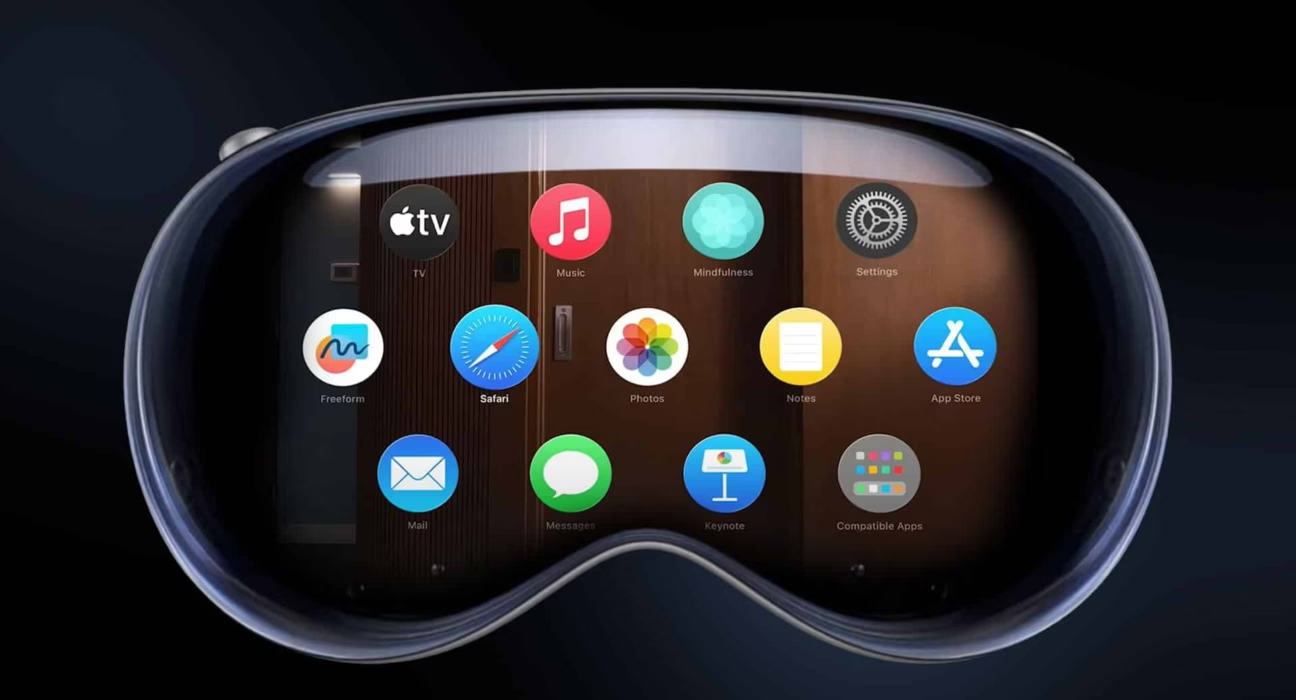
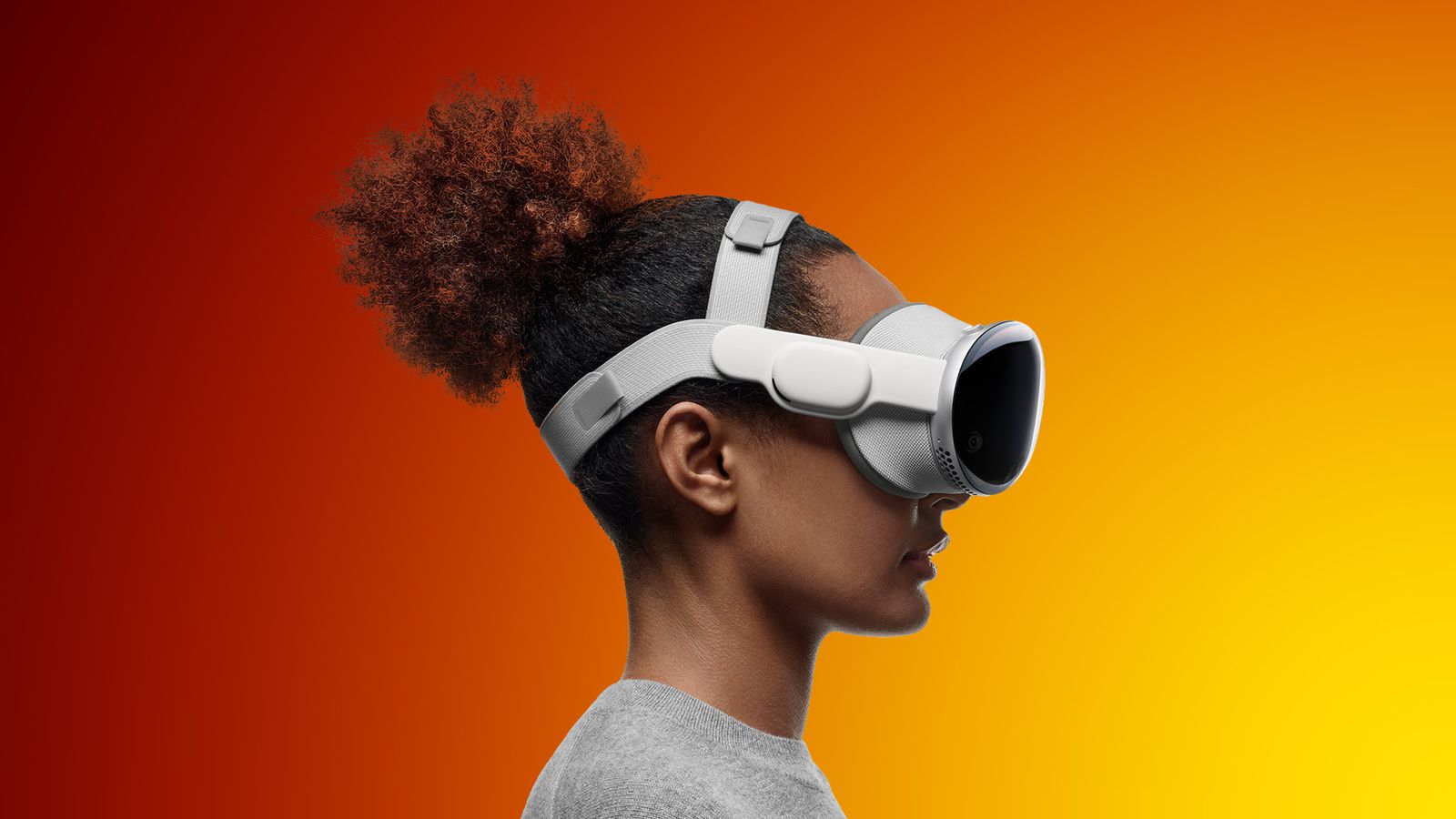
Multiple reports suggest Vision Pro 2 will look very similar to the first model. Apple appears to be prioritizing internal component swaps over a completely new form factor, with the chassis and overall industrial design likely remaining close to Gen 1. This aligns with Apple’s historical “S-year” strategy seen in iPhones and Watches. As PhoneArena notes, this has led to some describing the leaks as “disappointing” for those hoping for a revolution.
Key Rumored Hardware Changes
Processor Upgrade: The consensus points to an M5-class chip powering the next revision. This isn’t just about raw speed; it’s about a more powerful Neural Engine for advanced on-device AI, crucial for gesture recognition and scene understanding. TechTimes and analyst videos like this one detail expectations for this silicon leap.
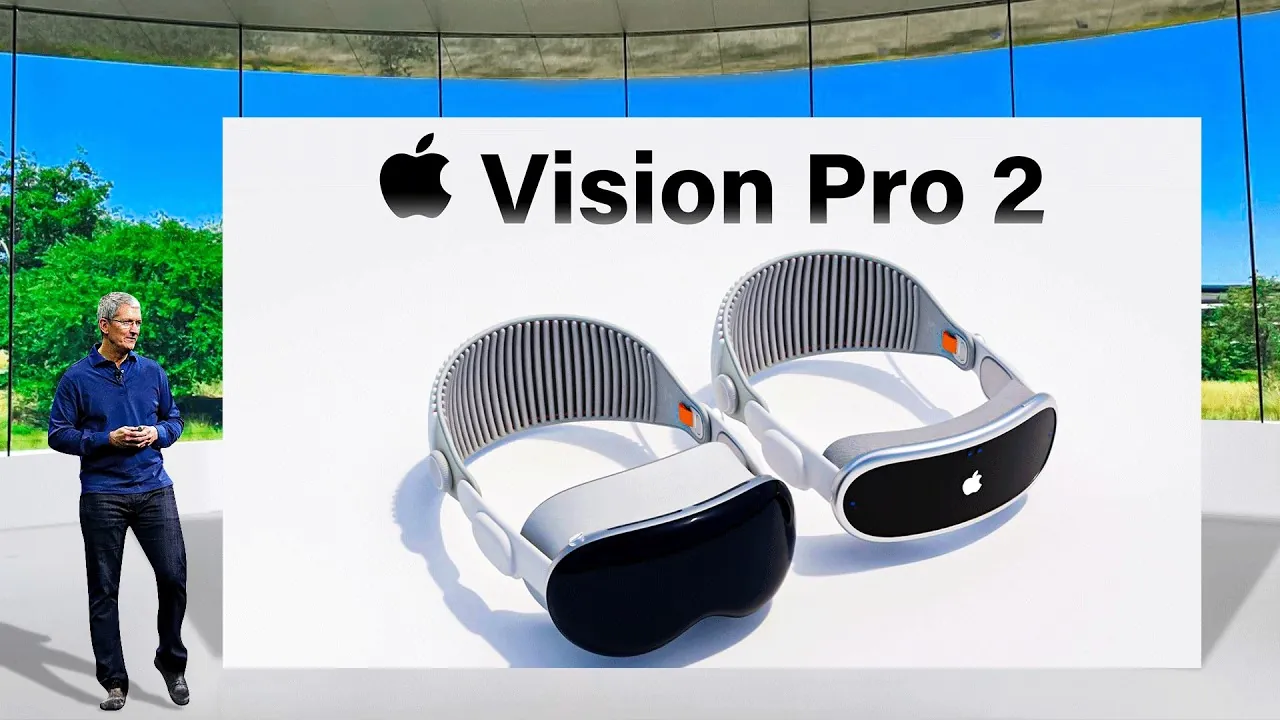
External EyeSight Display Removal: One of the more surprising leaks suggests Apple may remove the costly and complex outward-facing EyeSight display. PhoneArena reports this could significantly cut costs and design complexity, freeing up resources for other improvements.
Price Point Expectations: Don’t expect a price cut for the flagship. Leaks suggest Apple will maintain the $3,499 price tier, preserving the Vision Pro as a halo product while potentially developing a more affordable “Vision Air” separately.
Comfort and Weight Goals: Expect continued refinement for all-day wear. TechTimes mentions goals for reduced weight and bulk, likely building on the comfort improvements of the Dual Knit Band introduced in the M5 refresh.
Timelines and Product-Line Strategy (Path A vs. Path B)
Here, leaks diverge, painting two plausible futures:
- Path A – The Incremental “Vision Pro 2” Refresh: A spec-bumped model arrives in the late-2025 to 2026 window. It looks familiar but packs an M5-class chip, better displays, and possibly no EyeSight. It remains the premium professional track. Sources like TechTimes and analyst timelines support this.
- Path B – Slower Pro Evolution, Faster Push to Affordable Models: This roadmap, discussed by Stuff.tv and roadmap videos, suggests a focus shift. Apple might hold a major Pro 2 launch, instead prioritizing a cheaper “Vision Air” and AR glasses to expand the user base first.
Summarize Overarching Goals Implied by the Leaks
Three clear goals emerge from the collective apple vision pro 2 leaks:
- Lower Effective Cost: Through feature rationalization (like removing EyeSight) or a parallel cheaper model.
- Enhanced Performance and Fidelity: Driven by M5-class silicon and more efficient display pipelines, setting the stage for better micro oled panels and productivity ar features.
- Better Comfort and Wearability: An ongoing pursuit to make spatial computing an all-day proposition.
How VisionOS 2 (and Beyond) Could Unlock the Next Vision Pro
Apple ties major hardware to major OS releases. A true “Vision Pro 2” would likely debut with a headline visionOS update—what we’re calling the next wave of visionos 2 updates for simplicity. The official M5 refresh announcement already hints at this, emphasizing smoother display rendering and better spatial experiences from combined hardware and software tuning.
Rumored / Speculative VisionOS 2+ Feature Directions
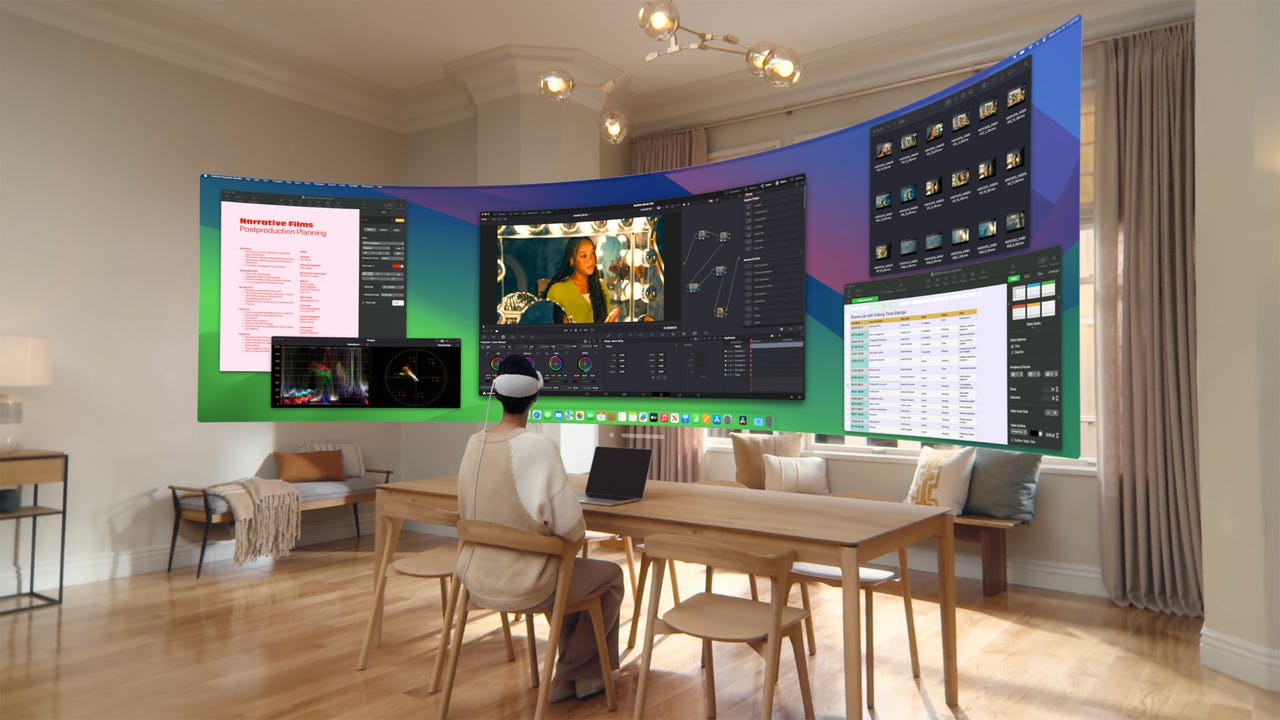
Deeper Spatial Multitasking: TechTimes reports expectations for the ability to run many more simultaneous spatial windows, perhaps a dozen or more, turning the space around you into a vast, usable desktop.
Dynamic Foveated Rendering: This is a game-changer. It means the system renders full resolution only where your eyes are looking, lowering detail in your periphery to save massive amounts of GPU power. TechTimes links this directly to lower latency and the ability to drive higher-density displays efficiently.
Deeper Integration with iOS and macOS: Imagine seamless handoff where your Mac windows become persistent spatial displays, or your iPhone acts as a precision controller. TechTimes details rumored upgrades to Continuity and cross-device workflows that would deeply embed Vision Pro into your existing Apple ecosystem.
UI/UX Evolution – Personas, Environments, and Interaction Models
Future visionos 2 updates are expected to refine the core experience: more realistic Spatial Personas with better lighting and expression, more dynamic and interactive environments, and smarter, more reliable gesture and context awareness. These software refinements are what will make the hardware feel truly next-generation.
Why OS evolution matters for Vision Pro 2: It’s the catalyst. The rumored OS changes in multitasking, rendering, and integration are precisely what will unlock serious productivity ar features, transforming the device from a fascinating demo into a seamless tool.
Why Next-Gen Micro-OLED Panels Matter for Vision Pro 2
Micro-OLED panels are where the virtual world meets your eyes. In simple terms, they’re incredibly dense displays built on a silicon chip, allowing for “retina” clarity just centimeters from your face. The current Vision Pro already uses them, but leaks point to next-generation micro oled panels as a critical upgrade.
Rumored Improvements vs. Current Vision Pro Displays
According to TechTimes, expect a ~20% increase in pixel density, reducing the “screen-door effect” to near invisibility. Combine that with higher peak brightness for better HDR and, crucially, improved power efficiency.
This efficiency gain is multiplicative. When paired with dynamic foveated rendering from visionos 2 updates and an M5 chip, it directly contributes to longer battery life or higher sustained performance—a key to all-day use.
Practical Benefits for Users
This isn’t just about specs. Better micro oled panels mean:
- Text Clarity for Productivity: Reading code, documents, or spreadsheets for hours becomes strain-free with sharper text.
- Visual Comfort: Smoother edges and fewer artifacts minimize the discomfort that can plague extended VR sessions.
- Immersive Media: Brighter highlights and perfect blacks make movies and 3D models pop with realism.
In short, display quality is the non-negotiable foundation for any serious productivity ar features Apple wants to enable.
From Novelty to Workhorse – Emerging Productivity AR Features
Early Vision Pro coverage focused on immersive movies and dazzling demos. The latest apple vision pro 2 leaks and related reporting signal a strategic pivot toward serious productivity. As TechTimes outlines, this is where hardware and software rumors converge into tangible workflows.
Advanced Multi-Monitor Spatial Workspaces
Imagine not just one virtual monitor, but a full office of them. Rumors suggest an M5-powered Vision Pro 2 could support up to ~20 simultaneous windows. With rendering latency potentially dropping to around 8 ms, these windows would feel snappy and solid, allowing you to pin code editors, browsers, and communication apps all around your physical space.

Deeper Mac and iPhone Integration as a Productivity Layer
The leaks describe a deeply connected ecosystem. Your Mac could act as a performance anchor for heavy tasks, while Vision Pro serves as the boundless display. Your iPhone might transform into a spatial tool for precise input or sketching. TechTimes also notes Apple’s likely focus on enterprise and creative studios, with features tailored for secure, professional workflows.
Collaboration, SharePlay, and Spatial Personas for Work
The evolution of Personas and communication tools points to practical collaboration. Think virtual meetings where colleagues’ spatial avatars feel present, gathered around a shared 3D model or whiteboard, annotating and iterating in real time within a virtual space.

Concrete Examples for the Reader
- A developer codes in Xcode across three virtual monitors, with a live iPhone preview and a debugging console from their Mac, all arranged in a cohesive spatial environment.
- A design team in different countries inspects a photorealistic 3D product model together, using gestures to rotate and mark up sections in real-time.
- A project manager immerses themselves in a room-sized Kanban board, physically walking between columns to track progress.
These productivity ar features become realistic because of the triad: M5-class performance, micro oled panels for clarity, and visionos 2 updates that tie it all together.
Connecting the Dots – What a Realistic Vision Pro 2 Package Looks Like
Synthesizing the most consistent apple vision pro 2 leaks, a clear picture forms:
Hardware Trajectory Summary
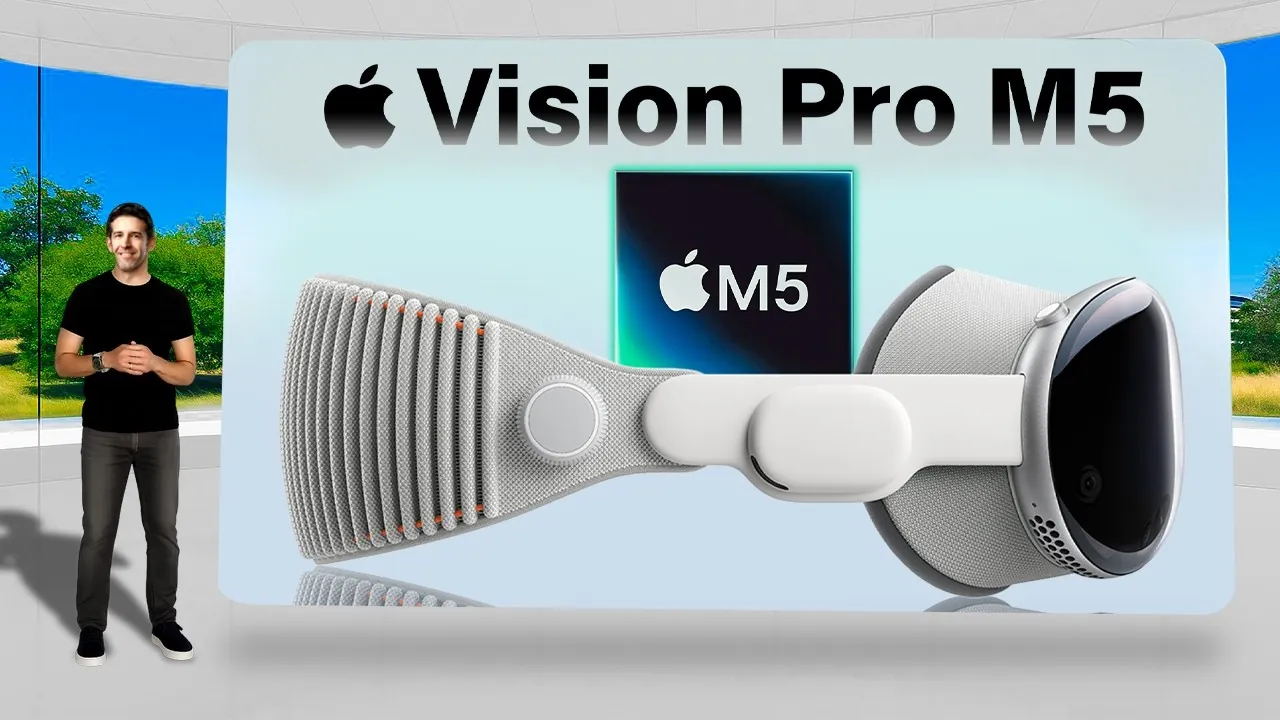
- M5-class chip with enhanced Neural Engine (per PhoneArena, TechTimes).
- Possible removal of the EyeSight display to streamline cost and design.
- Next-gen micro oled panels with higher density and efficiency (TechTimes).
- Incremental comfort refinements building on the Dual Knit Band.
This is an “S-year” update: meaningful internally, familiar externally.
Software Trajectory Summary
The companion visionos 2 updates will likely deliver the “wow” through:
- Deeper spatial multitasking.
- Dynamic foveated rendering for performance.
- Richer Personas and cross-device workflows.
Gen 1 vs. “Gen 2” Experience Comparison
Generation 1 was the spectacular tech demo and developer platform—proof of spatial computing’s potential, albeit with some friction.
The rumored Generation 2 package aims to be the refined tool. It’s about better comfort for long sessions, OS features that enable real work, and display clarity that eliminates visual strain. The goal is shifting from “impressive” to “indispensable” for a professional workflow.
If the most consistent apple vision pro 2 leaks are accurate, the big story isn’t a wild headset redesign—it’s convergence. Micro oled panels, visionos 2 updates, and M5-class silicon combine to turn Vision Pro from an impressive demo into a truly viable productivity AR platform.
Frequently Asked Questions
Has Apple officially announced the Vision Pro 2?
No. “Apple Vision Pro 2” is a term used by analysts and media based on leaks and speculation. Apple has only officially updated the first-generation model with an M5 chip.
What is the most likely release date for a Vision Pro 2?
Leaks are conflicted. Some point to a late-2025 to 2026 window for a spec-bump model (TechTimes), while others suggest Apple may focus on a cheaper model first, delaying a major Pro update (Stuff.tv).
Will the Vision Pro 2 be cheaper than the current model?
Most leaks suggest the flagship “Pro” line will maintain its premium $3,499 price point. Cost reductions may come from removing features like EyeSight or be reserved for a potential future, non-“Pro” model.
What is dynamic foveated rendering and why is it important?
It’s a rendering technique that tracks your eyes and only renders full detail where you’re looking, saving significant processing power. This is crucial for achieving higher graphical fidelity, lower latency, and better battery life—all key for productivity ar features.
Should I wait for the Vision Pro 2 or buy the current M5-upgraded model?
If you need a spatial computer today for development or premium media, the current M5 model is a capable platform. If your use case is less urgent and hinges on rumored productivity enhancements like advanced multitasking, waiting for more concrete visionos 2 updates and hardware announcements may be wise.