

Arm’s Physical AI Division: The Pivot Redefining Robotics and Chip Design
Estimated reading time: 10 minutes
Key Takeaways
- The computing landscape is pivoting from cloud-centric AI to Physical AI, where intelligence powers robots and vehicles in dynamic environments.
- Arm’s reorganization into a Physical AI division signals a strategic focus on robotics and automotive systems, consolidating efforts for chip design robotics growth.
- This move reflects the evolution from generative AI to agentic AI and now Physical AI, requiring “world models” trained on video and physics simulations for embodied intelligence.
- Edge AI for machines is becoming fundamental, processing data on-device to minimize latency, ensure reliability, cut costs, and protect privacy in robotics applications.
- Processor architecture evolution is driving heterogeneous computing with CPUs, GPUs, NPUs, and dedicated accelerators to support the unique needs of physical AI systems.
Table of contents
- Arm’s Physical AI Division: The Pivot Redefining Robotics and Chip Design
- Key Takeaways
- Introduction: The Shift to Physical AI
- Arm’s Strategic Reorganization: A New Division for Robotics
- Chip Design Growth Driven by Robotics Demands
- Edge AI for Machines: The Backbone of Real-Time Robotics
- Processor Architecture Evolution for Physical AI
- Interconnections and Future Implications
- Frequently Asked Questions
Introduction: The Shift to Physical AI
The computing world is undergoing a dramatic pivot. For years, the spotlight has been on cloud-centric artificial intelligence, where massive data centers process information for applications like chatbots and image generation. But now, the focus is shifting to Physical AI—where intelligence moves beyond the data center to power robots, autonomous vehicles, and machines that interact with the dynamic, physical world. This shift is epitomized by strategic moves from industry giants like Arm, which has recently established its arm physical ai division robotics unit, consolidating efforts on robotics and automotive systems to drive the next wave of innovation, as highlighted in their platform shift announcement.

This reorganization signals a broader trend: enterprises are deploying AI beyond data centers into factories, warehouses, and logistics networks. Here, the priority isn’t raw compute power but real-time decision-making—the ability to perceive, plan, and act in milliseconds. In this post, we’ll unpack these strategic moves that are reshaping the robotics chip ecosystem, exploring key themes like chip design robotics growth, edge ai for machines, and processor architecture evolution.

Arm’s Strategic Reorganization: A New Division for Robotics
Arm, the company whose chip designs power everything from smartphones to servers, has made a pivotal move. It reorganized into three key groups: Cloud and AI, Edge (for smartphones and PCs), and the new Physical AI division. This division consolidates its automotive (source) and robotics (source) efforts, aligning chip designs with the next-generation needs of autonomous machines. This arm physical ai division robotics focus is a direct response to the industry’s evolution from generative AI to agentic AI and now Physical AI, as detailed in business analyses.

Why this shift? Physical AI requires “world models” trained on video and physics simulations to achieve embodied intelligence—where machines understand and act in the real world. As noted in industry reports, this move accelerates standardization in autonomous machines by shifting inference to edge devices for ultra-low latency and energy efficiency. Centralized cloud computing falls short for real-time systems, driving significant chip design robotics growth, further emphasized in coverage and Arm’s blog.

The potential impacts are profound:
- Convergence of chip design with embodied intelligence: Arm is positioning itself at the heart of this convergence.
- Enterprise robotics momentum: By focusing on arm physical ai division robotics, Arm aims to drive adoption in factories and logistics.
- Market leadership: This strategic pivot could cement Arm’s role in the semiconductor ecosystem for physical AI, as seen in financial insights.
Chip Design Growth Driven by Robotics Demands
Robotics imposes unique processing requirements that are fueling chip design robotics growth. Unlike cloud servers, robots must handle:
- Sensor fusion: Combining data from cameras, lidars, and IMUs for real-time environmental awareness.
- Real-time decision-making: Instant path planning and obstacle avoidance in dynamic settings.
- Power efficiency: Operating for hours in physical settings like warehouses or outdoors.

To illustrate the shift, contrast traditional general-purpose processors with new robotics-optimized chips:
| Traditional Processors | Robotics-Optimized Chips |
|---|---|
| Designed for cloud-focused, high raw power compute | Heterogeneous, edge-first for low latency and energy |
| Tolerant of delays (batch processing) | Require sub-millisecond response times |
| Examples: Standard server CPUs | Examples: Arm Neoverse in NVIDIA’s Jetson Thor, Qualcomm’s Dragonwing IQ10 |
Enterprise adoption is driving hybrid setups: edge devices handle control tasks via Arm accelerators, while the cloud manages training. This synergy fuels overall chip design robotics growth, as detailed in industry reports.
Edge AI for Machines: The Backbone of Real-Time Robotics
Edge ai for machines represents a fundamental shift. Instead of sending data to the cloud for processing, AI models run directly on devices—robots, vehicles, or sensors. This approach is critical for robotics because it:
- Minimizes latency: Achieves sub-10ms response times for safe robot actions.
- Ensures reliability: Operates independently of cloud outages or network issues.
- Cuts bandwidth costs: Avoids constant streaming of high-volume sensor data.
- Protects privacy: Sensitive data, like video feeds, stays local.

Arm is at the forefront of this trend, powering scalable, energy-efficient platforms demonstrated at events like CES 2026. From NVIDIA and Qualcomm robots to automotive systems, these designs enable safe, efficient physical actions without cloud dependency. As seen in demos, edge AI directly addresses robotics needs, tying edge ai for machines to chip design robotics growth and Arm’s arm physical ai division robotics strategy, further explained in Arm’s vision.
Processor Architecture Evolution for Physical AI
Supporting edge AI and robotics requires significant processor architecture evolution. The key is heterogeneous computing, which integrates multiple types of processors on a single chip:
- CPUs for general tasks and control logic.
- GPUs for parallel vision processing.
- NPUs (Neural Processing Units) for efficient neural inference.
- Dedicated accelerators for sensor fusion and real-time planning.
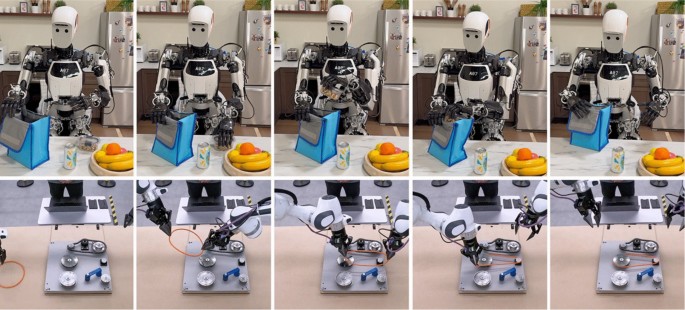
This evolution is driven by trends like:
- Neuromorphic-inspired efficiency: Spiking neural networks that mimic the brain for ultra-low power event-based processing, as noted in emerging tech insights.
- Hardware-software co-design: Custom firmware optimized for specific robot workloads, building on Arm’s mature ecosystem for portability from cloud to edge.
Arm’s Physical AI division, plus partnerships with companies like NVIDIA, Qualcomm, and SoftBank, fast-tracks these architectures to market. This reduces fragmentation and supports the Physical AI boom in robotics, as highlighted in industry coverage and strategic updates.
Interconnections and Future Implications
The interconnections are clear: Arm’s arm physical ai division robotics fuels specialized chip design robotics growth, driven by edge ai for machines imperatives and underpinned by processor architecture evolution. Collectively, this redefines robotics from pilot projects to mainstream infrastructure.

The implications are significant:
- For enterprises: Arm’s position enables scaling hybrid AI stacks—edge inference for real-time control plus cloud training for model refinement.
- For investors: Royalties from high-value AI in robots and vehicles could drive growth, as noted in financial analyses.
- For the industry: We’re entering the era of intelligent physical machines, where AI doesn’t just think but acts in the world.
As these strategic moves mature, stay ahead by monitoring Arm’s Physical AI advancements and exploring edge AI integrations for your robotics projects. Watch for CES 2026 demos to see the future unfold, as hinted in Arm’s blog.
Frequently Asked Questions
What is Arm’s Physical AI division?
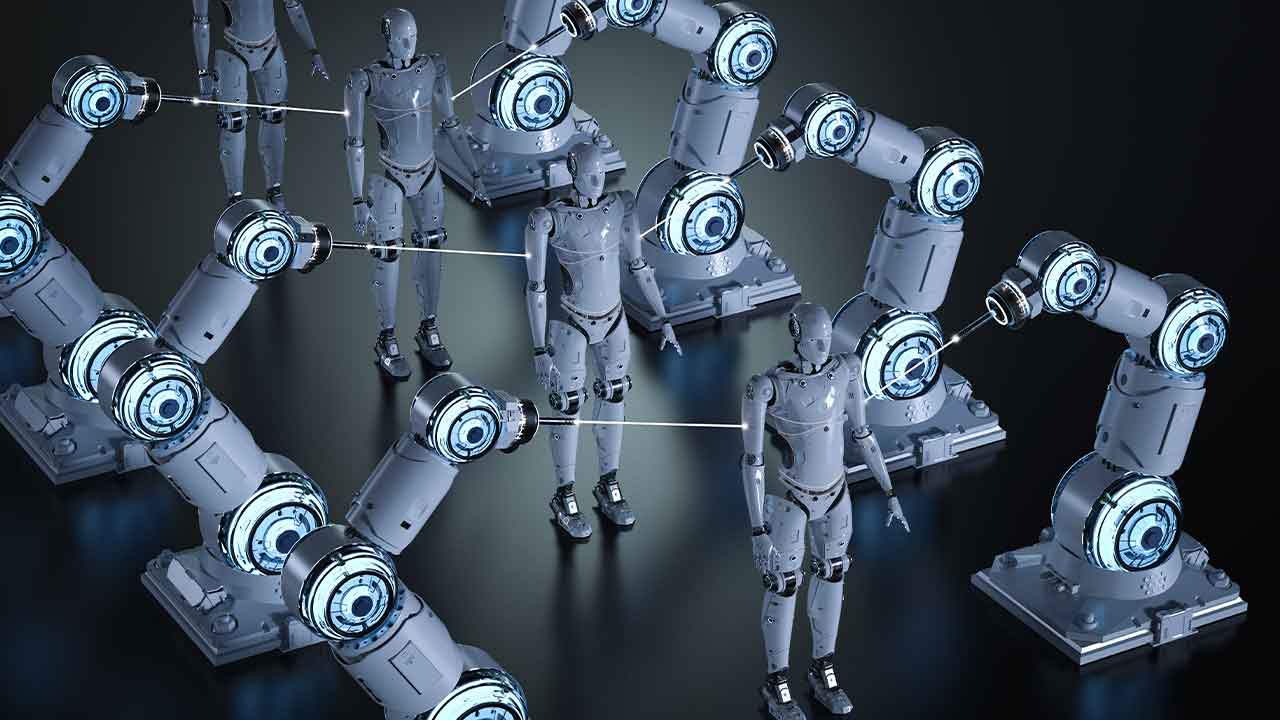
Arm’s Physical AI division is a new business unit focused on developing chip designs for robotics and automotive systems. It consolidates efforts to address the unique requirements of autonomous machines operating in the physical world, as part of Arm’s broader reorganization around edge and physical AI, detailed in industry reports.
Why is edge AI important for robotics?
Edge AI processes data directly on the device, minimizing latency for real-time decision-making, ensuring reliability without cloud dependency, reducing bandwidth costs, and enhancing data privacy. This is crucial for robots that must act quickly and safely in dynamic environments, as highlighted in coverage.
How does chip design need to evolve for robotics?
Chip design for robotics must move towards heterogeneous computing, integrating CPUs, GPUs, NPUs, and specialized accelerators to handle sensor fusion, real-time processing, and power efficiency. This evolution is driven by the need for low-latency, energy-efficient solutions at the edge, as discussed in Arm’s insights.
What are the key takeaways from Arm’s reorganization?
The key takeaways include: the shift from cloud AI to physical AI, Arm’s focus on robotics and automotive through its new division, the growth of chip design tailored for robotics, the rise of edge AI for machines, and the evolution of processor architectures to support these trends, as summarized in analyses.
Where can I see demonstrations of Physical AI in action?
Demonstrations of Physical AI, including robots powered by Arm-based chips, are often showcased at events like CES. For example, CES 2026 is expected to feature advancements from Arm and its partners, as highlighted in industry previews and demos.