
ASUS Holographic Fan PC System: The CES 2026 Innovation Blending Cooling and Visuals
Estimated reading time: 8 minutes
Key Takeaways
- The ASUS holographic fan PC system, showcased in the ROG G1000, signals a major leap in component cooling advancements, merging high performance with stunning visual displays.
- This gaming hardware innovation uses AniMe Holo technology with LED-embedded fans to create customizable 3D-like holograms, all while maintaining efficient cooling through isolated air paths and a dedicated Thermal Atrium.
- As a flagship of CES 2026 PC tech trends, it exemplifies the shift towards multi-sensory designs where aesthetics enhance functionality, influencing future new cooling innovations.
- Compared to traditional cooling, the holographic system balances wow factor with genuine thermal gains, though it’s currently prebuilt-only, with potential for modular future releases.
- PC builders should prioritize systems with visual integration and isolated airflow to stay ahead in CES 2026 PC tech trends, evaluating if premium visuals justify costs over raw performance.
Table of contents
- ASUS Holographic Fan PC System: The CES 2026 Innovation Blending Cooling and Visuals
- Key Takeaways
- The Hook: A New Era of Cooling
- What is the ASUS Holographic Fan PC System?
- How Does the AniMe Holo System Work?
- Cooling Integration and Performance
- Positioning Within CES 2026 PC Tech Trends
- Comparing Cooling Innovations: A Detailed Table
- What This Means for PC Builders
- Frequently Asked Questions
The Hook: A New Era of Cooling
Imagine building a high-end gaming rig where the cooling isn’t just a hidden necessity but a centerpiece of artistry. Fans whirl not only to dissipate heat but to project vivid, customizable holograms that dance with your gameplay. This is the paradigm shift in component cooling advancements—where performance meets spectacle. At the heart of this vision is the asus holographic fan pc system, unveiled as the star of CES 2026 PC tech trends. The ROG G1000 gaming desktop integrates the world’s first AniMe Holo holographic fan system into a high-performance prebuilt PC, redefining what gaming hardware innovation can achieve. This post dissects this breakthrough, exploring its place in broader trends to help PC builders track new cooling innovations.

What is the ASUS Holographic Fan PC System?
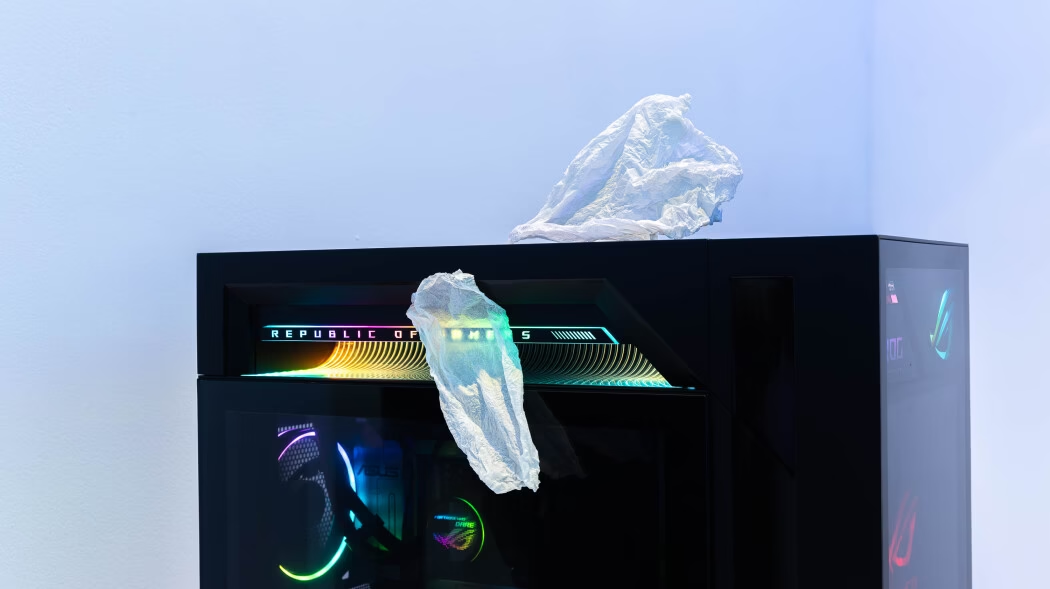
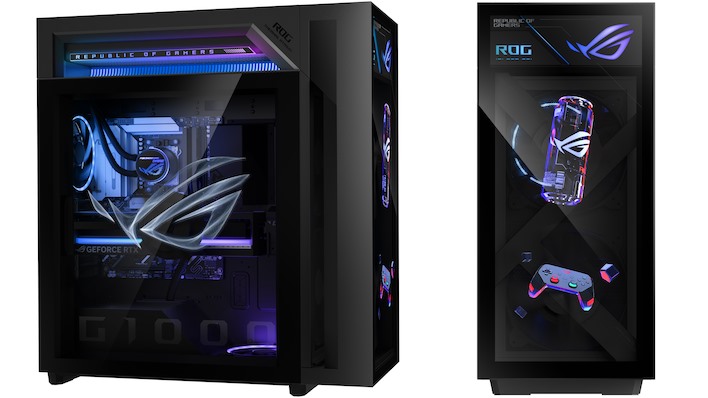
The asus holographic fan pc system is embodied in the ROG G1000, a full-tower prebuilt gaming desktop that marries functional airflow fans with holographic projection via the AniMe Holo system. It uses rotating LED-embedded blades and persistence of vision to create customizable 3D-like visuals in up to 16.77 million colors, turning cooling into a dynamic display. This isn’t just about looks; it’s a sophisticated gaming hardware innovation that pushes the boundaries of component cooling advancements.

How Does the AniMe Holo System Work?
The magic lies in the AniMe Holo mechanism: three sealed fans—one 380mm side fan with 680-720 LEDs and two 215mm front fans with 384-404 LEDs each—spin to generate holographic effects through precise LED patterns on rotating blades. Operating at a quiet 20.5 dBA, they use persistence of vision to project images, text, and animations that appear to float in mid-air. As ASUS details, this allows for real-time customization, making it perfect for streamers or enthusiasts who want to brand their setup with logos or game stats.
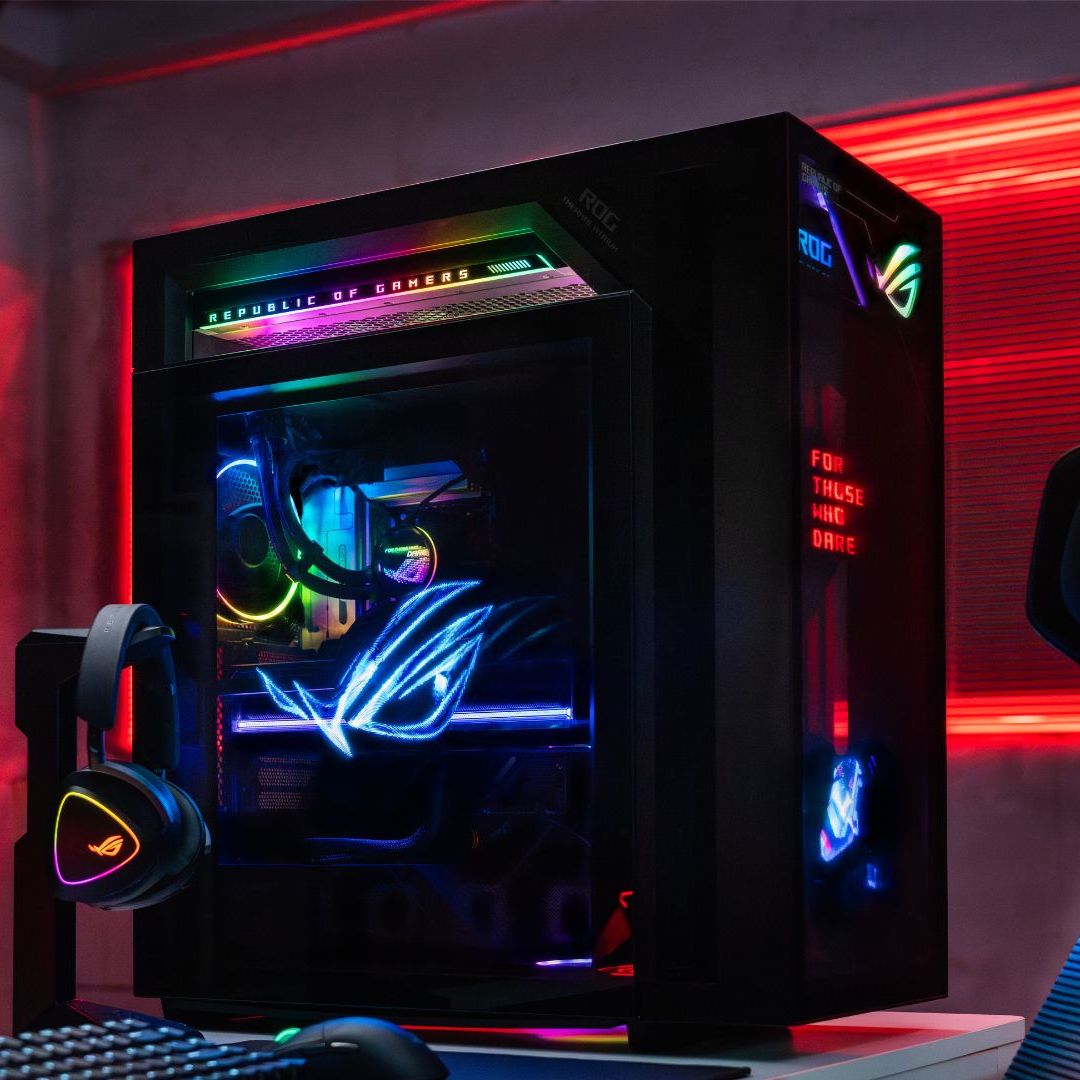
- Visual Customization: Users can upload images, GIFs, or text via software, creating a personalized light show that syncs with system metrics or gameplay.
- Quiet Operation: Despite the LED complexity, the fans maintain low noise levels, ensuring they don’t disrupt immersive experiences.
Cooling Integration and Performance
Beyond visuals, the asus holographic fan pc system excels in cooling. It’s paired with the ROG Thermal Atrium, a dedicated chamber featuring a 420mm AIO liquid cooler and three 140mm intake fans that draw untainted external air 10-16°C cooler than internal airflow. This provides up to 100% more airflow than conventional setups, offering superior CPU heat dissipation. The component cooling advancements include isolated air paths for CPU, GPU, and PSU, enhancing thermal efficiency without sacrificing aesthetics. As CES 2026 highlights, this isolation prevents hot air recirculation, a common pitfall in traditional builds.

- Hardware Power: The ROG G1000 is powered by up to an AMD Ryzen 9 9950X3D CPU and ROG Astral RTX 5090 GPU, targeting enthusiasts and streamers who need top-tier performance.
- Practical Design: It’s a prebuilt full-tower with easy maintenance via a hinged side module, though it’s not yet modular. No standalone pricing or compatibility details have been released, but it represents a leap in gaming hardware innovation for those willing to invest.
Positioning Within CES 2026 PC Tech Trends
The asus holographic fan pc system is a flagship of CES 2026 PC tech trends, showcasing gaming hardware innovation through multi-sensory designs that merge visuals with performance. This trend isn’t isolated; complementary innovations from ASUS include:
- ROG Strix LC IV 360 ARGB LCD AIOs: These feature IPS displays for showing stats or visuals, with Q-Connector for easy installation, emphasizing integrated displays in cooling.
- ROG Cronox Chassis: Supports dual 360mm radiators, up to 14 fans, and rotatable brackets for flexible builds, catering to exotic airflow needs.
- ROG Eurux GR120 ARGB Fans: With daisy-chain connectivity and LCP blades for high-speed airflow, they represent advances in fan technology without holographics.
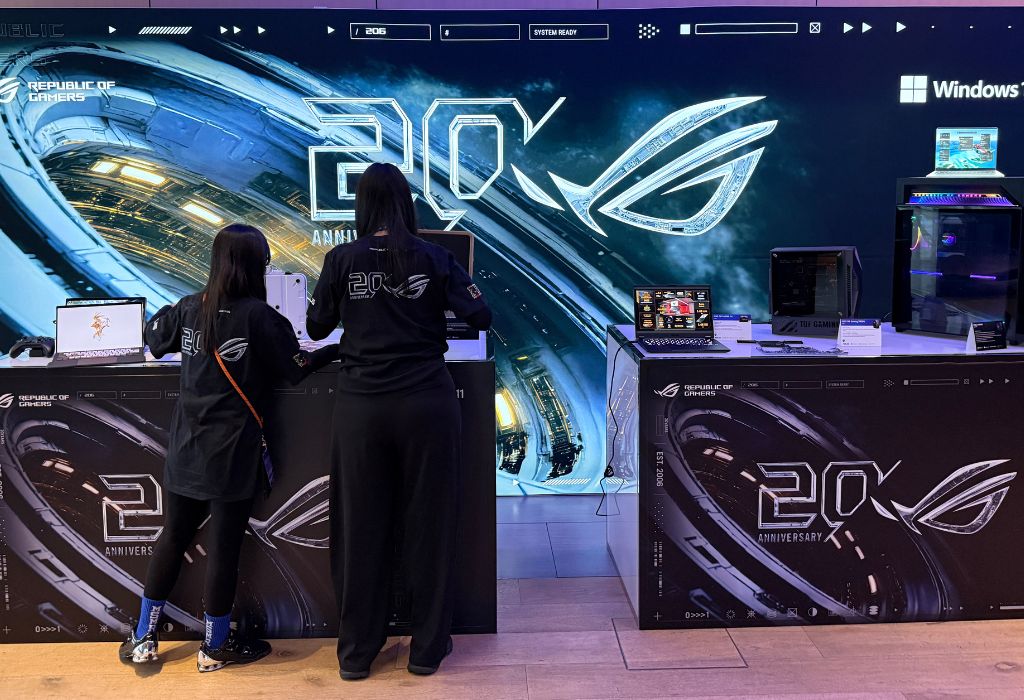
Broader shifts in CES 2026 PC tech trends include AI-driven fan control, exotic airflow chassis, and integrated visuals, making holographic elements part of immersive, high-thermal solutions. As industry analyses note, this reflects a move towards component cooling advancements that prioritize both efficiency and user experience, similar to trends in wearable tech where form meets function.
Comparing Cooling Innovations: A Detailed Table
To contextualize the asus holographic fan pc system within the evolution of component cooling advancements, here’s a comparison with traditional and modern solutions:
| Cooling Type | Key Features | Strengths vs. AniMe Holo | Limitations vs. AniMe Holo |
|---|---|---|---|
| High-Static-Pressure Fans (e.g., ROG Eurux GR120) | LCP blades, daisy-chain, multi-zone RGB [Source] | Simpler/cheaper install, focused airflow | Lacks holographic visuals; no isolated chambers |
| AIO Liquid Cooling (e.g., 360/420mm ROG Strix LC) | Radiators, ARGB LCD screens, shortened tubing [Source] | Proven heat transfer for CPUs | Bulkier; less chassis-wide visual integration |
| Passive Cooling | Heatsinks, no moving parts | Silent, reliable | Insufficient for high-TDP like RTX 5090; no dynamics |
| AniMe Holo (ROG G1000) | LED holographic fans + 420mm AIO Atrium [Source] | Combined cooling + vivid holograms; cooler intake air | Prebuilt-only so far; aesthetic focus may prioritize visuals over raw CFM gains |
Analysis: The AniMe Holo system serves as a supplementary enhancement—not a core replacement—balancing wow factor (custom animations for branding/streaming) with genuine gains like separated airflow zones and low noise at 20.5 dBA. It evolves from static RGB to dynamic holography in gaming hardware innovation, representing a key component cooling advancement for those seeking both performance and spectacle.
What This Means for PC Builders
For PC builders tracking new cooling innovations, the asus holographic fan pc system sets a premium benchmark by integrating function and visuals. Key implications:
- Timeline and Availability: The ROG G1000 is likely available mid-2026, with potential for modular AniMe Holo fans post-CES 2026 to enable custom loop adoption. As ASUS notes, trends like holographic feedback, AI controls, and rotatable chassis could standardize in high-end gear.
- Guidance for Builders: Prioritize systems with isolated air paths and visual integration to future-proof against CES 2026 PC tech trends. Evaluate if enthusiast visuals justify premium costs over traditional cooling—especially for streaming or showcase builds. For budget-conscious builders, alternatives exist, but the holographic system highlights the pinnacle of component cooling advancements.

In summary, watch for ROG G1000 releases and experiment with current gaming hardware innovation like ARGB AIOs while anticipating holographic upgrades. This system is the exciting convergence of PC performance, customization, and visual design that redefines what a build can be.
Frequently Asked Questions
Q: When will the ASUS holographic fan PC system be available for purchase?
A: Based on CES 2026 announcements, the ROG G1000 desktop featuring the AniMe Holo system is expected to launch in mid-2026. It’s currently a prebuilt offering, with no standalone fan modules yet announced.
Q: Can I install the holographic fans in my existing PC build?
A: Not at this time. The asus holographic fan pc system is integrated into the ROG G1000 chassis, with sealed fans and proprietary connections. However, ASUS may release modular versions post-CES 2026, so keep an eye on updates.
Q: How does the cooling performance compare to traditional high-end fans or AIOs?
A: As shown in the comparison table, the system pairs holographic fans with a 420mm AIO and isolated airflow, offering superior CPU cooling via the Thermal Atrium. It matches or exceeds traditional cooling in efficiency while adding visual flair, though raw airflow (CFM) might be secondary to aesthetics.
Q: Is the holographic display customizable, and does it impact system resources?
A: Yes, via ASUS software, users can upload images, text, or animations for the holograms. The LED control is handled by dedicated controllers, minimizing CPU/GPU impact, making it a seamless part of gaming hardware innovation.
Q: What are the broader implications for future cooling trends?
A: This system underscores CES 2026 PC tech trends towards integrated visuals and AI-driven thermal management. Expect more component cooling advancements that blend aesthetics with performance, influencing everything from fan designs to chassis layouts.