
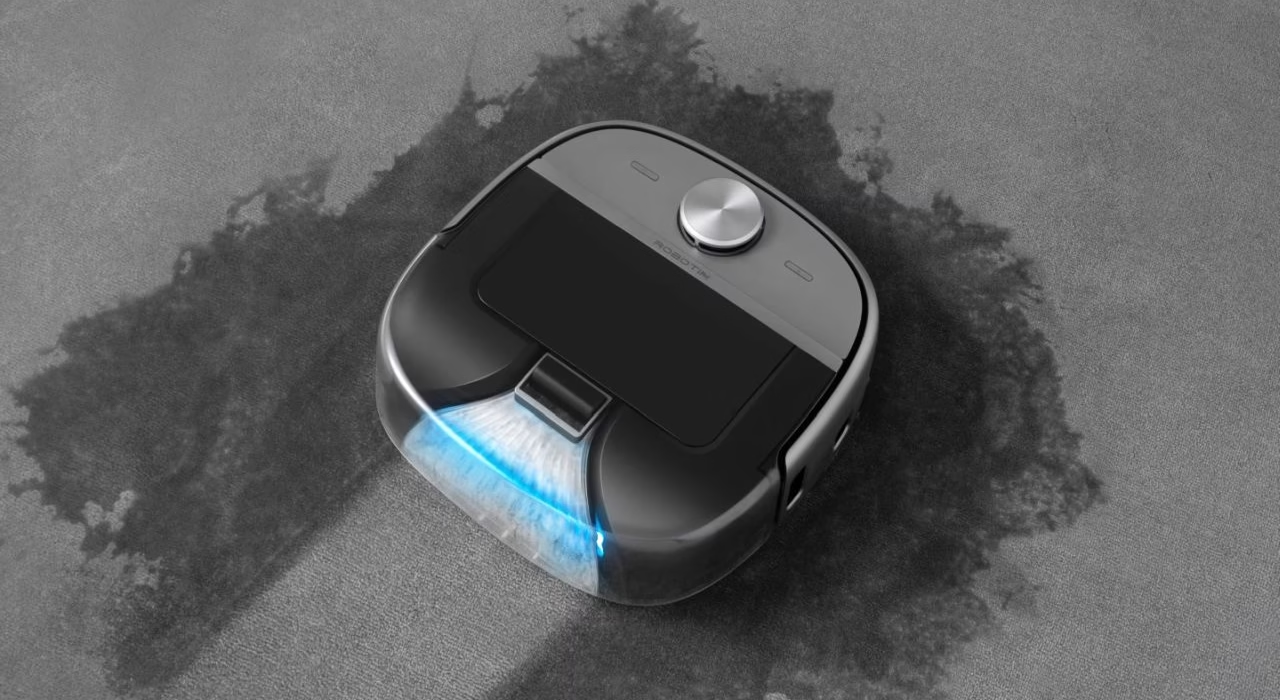
CES 2026: AI, Robots, Wearables, and Smart Home IoT Dominate the Show
Estimated reading time: 10 minutes
Key Takeaways
- AI Integration at Scale: CES 2026 was dominated by unprecedented AI integration across over 4,000 exhibitors, cementing its role as the ultimate launchpad for groundbreaking consumer tech.
- Smart Home Evolution: The smart home IoT ecosystem evolved from reactive assistants to predictive, context-aware networks that anticipate user needs and interconnect seamlessly.
- Robot Revolution: Robots advanced from basic vacuums to versatile domestic assistants handling complex tasks like laundry folding, cooking, and companionship.
- Wearable Health Powerhouses: Wearables transformed into AI-driven health monitors with advanced biometrics, precision diagnostics, and mental wellness tracking.
- Processing Power Surge: Hardware like Intel Core Ultra Processors and Nvidia showcases enabled on-device AI for privacy and speed, powering robots, wearables, and edge devices.
- Autonomous AI Agents: AI agentic systems in consumer tech emerged, with autonomous agents planning and executing multi-step tasks independently.
- Intuitive Gesture Control: Gesture AI devices at CES 2026 enabled hands-free control via natural movements, integrating with smart homes and robots.
Table of contents
- CES 2026: AI, Robots, Wearables, and Smart Home IoT Dominate the Show
- Key Takeaways
- CES 2026’s AI-Powered Smart Home Revolution
- AI Robots at CES 2026: From Vacuums to Full Home Assistants
- Smart Wearables at CES 2026: AI-Driven Health and Beyond
- Intel Core Ultra Processors and Nvidia Showcases Power CES 2026 AI
- AI Agentic Systems in Consumer Tech Take Center Stage at CES 2026
- Gesture AI Devices at CES 2026: The Future of Hands-Free Control
- Frequently Asked Questions
CES 2026 wasn’t just another tech show—it was a seismic shift where AI became the invisible thread weaving together every aspect of consumer technology. With unprecedented scale and buzz, the event showcased a future where our homes, devices, and even our gestures are intelligently interconnected. Imagine a world where your environment anticipates your needs before you voice them—that was the promise on display.
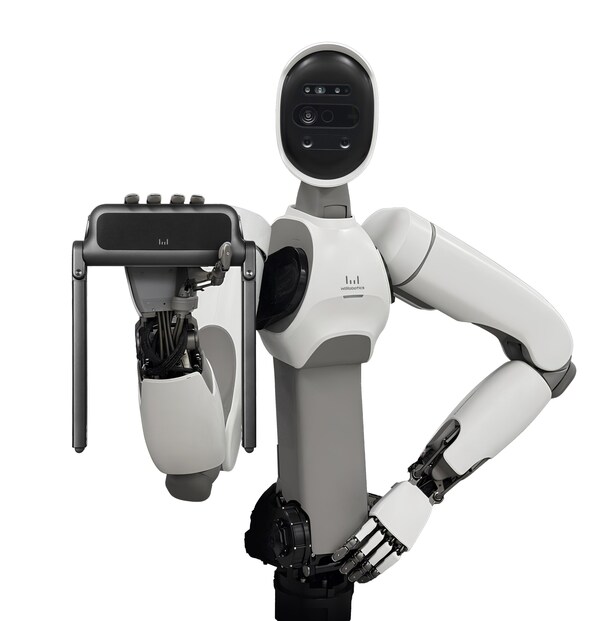
From predictive smart homes and versatile robots to advanced wearables, powerful processors, autonomous AI agents, and intuitive gesture controls, CES 2026 painted a picture of a unified ecosystem. AI agentic systems in consumer tech teased a new era of automation, hinting at assistants that don’t just respond but proactively manage our lives. Let’s dive into the trends that defined the show.
CES 2026’s AI-Powered Smart Home Revolution
Gone are the days of simple voice commands. At CES 2026, the smart home IoT ecosystem evolved into a predictive, context-aware network that learns and adapts to your routines. AI now anticipates needs—like adjusting lights and temperature based on learned patterns—and interconnects seamlessly across devices. This CES 2026 AI robots wearables smart home IoT integration allows wearables to feed real-time biometric data to home robots and IoT devices for unified, automatic operation. For instance, your smartwatch detecting stress levels can trigger appliances to create a calming environment, all without explicit commands.

To build such an ecosystem, start with our guide to the Best Smart Home Devices: Your Ultimate Guide for 2025 and explore The Rise of Unstoppable AI-Powered Smart Homes.
Standout product categories included:
- Next-Gen Smart Hubs: Samsung Electronics and LG Electronics unveiled central brains for whole-home AI orchestration, acting as command centers that manage everything from security to entertainment.
- Advanced Energy Management: AI-driven systems optimize power usage in real-time, predicting peak hours and shifting loads to reduce costs and environmental impact.
- Proactive Security Solutions: On-device AI enables threat detection before alerts are needed, with cameras and sensors analyzing behavior patterns to prevent breaches.
These innovations were highlighted in exhibitor previews, with live demos showcasing seamless interoperability. The smart home is no longer a collection of gadgets—it’s a living, breathing extension of you.
AI Robots at CES 2026: From Vacuums to Full Home Assistants
Robots at CES 2026 made a leap from niche helpers to essential domestic partners. They now handle laundry folding, cooking assistance, companionship chats, and delivery tasks within complex home environments. This shift is part of the broader CES 2026 AI robots wearables smart home IoT synergy, where robots integrate with other devices for cohesive operation.
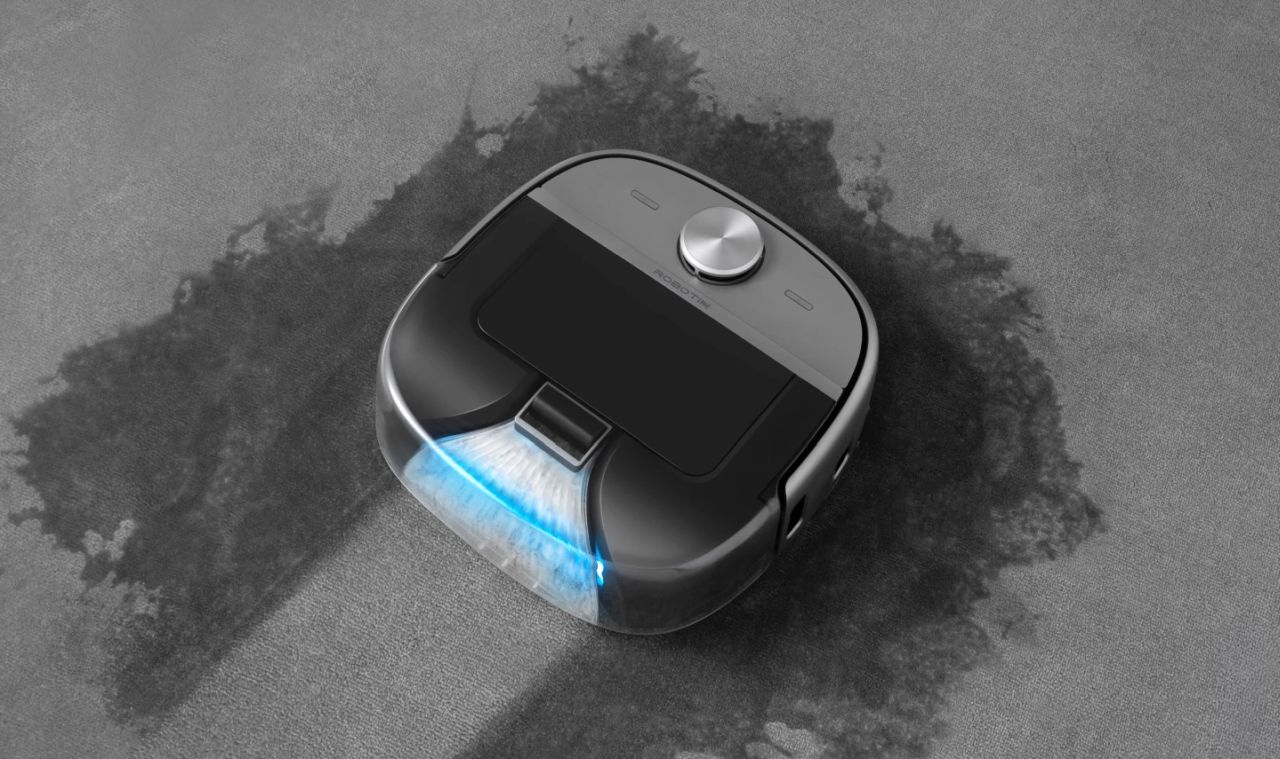
Key exhibitors and models stole the spotlight:
- Unitree (YuShu Technology): Showcased advanced humanoid robots with remarkable mobility, capable of navigating stairs and uneven surfaces.
- Dreame Innovation: Introduced multi-task cleaning and delivery bots that adapt to different home layouts.
- Richtech Robotics: Focused on service-oriented robots for hospitality and retail, demonstrating their versatility.
- Tombot: Unveiled pet-like companionship robots that reduce loneliness via AI-driven interactions, responding to emotions with comforting behaviors.
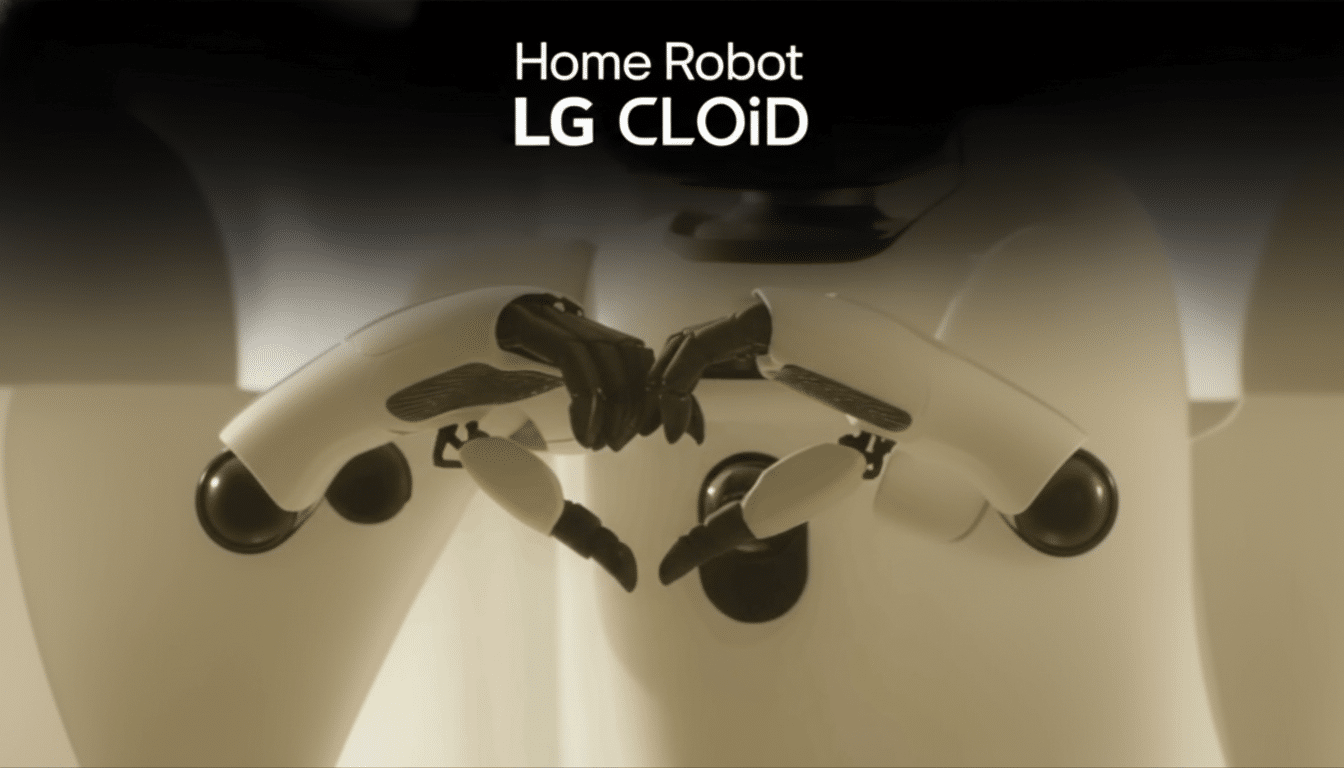
AI improvements were central:
- Natural Interaction: Conversational AI allows robots to understand casual speech and context, making them more approachable.
- Superior Spatial Awareness: LiDAR and computer vision enable navigation in cluttered rooms, avoiding obstacles with precision.
- Task-Learning Capabilities: Robots adapt from user demonstrations, learning new chores over time—a trend predicted by ARM analysts for practical service systems.
Explore more in CES press releases, video highlights, and the robotics topics page. These robots aren’t just tools; they’re becoming trusted members of the household.
Smart Wearables at CES 2026: AI-Driven Health and Beyond
Wearables have transcended fitness tracking to become AI-driven health powerhouses. Using advanced biometrics—heart rate variability, blood oxygen, skin temperature—and on-device AI, they offer precision diagnostics like early arrhythmia detection and mental wellness monitoring via galvanic skin response. Seamless integration with smart homes completes the CES 2026 AI robots wearables smart home IoT ecosystem.

Dive deeper with our analysis of Latest Innovations in Wearable Tech From Fitness Trackers to Smartwatches and the Best Smartwatches for Fitness: Your Ultimate Guide in 2025.
Innovative form factors and exhibitors stood out:
- Smart Rings: Ultrahuman’s rings enable continuous glucose monitoring without needles, providing real-time metabolic insights.
- Advanced Hearables: Garmin and Withings offered real-time audio health coaching, adjusting feedback based on your activity and stress levels.
- AI-Powered Clothing: Myant Corp. featured in “Fashion Meets Function” sessions, with garments that monitor vitals and adjust to environmental changes.
Digital health breakthroughs included:
- Telehealth Integrations: Wearables facilitate remote doctor consults, streaming health data directly to professionals.
- Women’s Health Innovations: New devices close market gaps with cycle tracking and predictive fertility windows, leveraging AI for personalized insights.
These advancements were showcased in CES coverage and demonstrations. Wearables are now your 24/7 health guardian, blending seamlessly into daily life.
Intel Core Ultra Processors and Nvidia Showcases Power CES 2026 AI
Hardware announcements at CES 2026 formed the backbone of on-device AI, shifting from cloud dependency to local processing for enhanced privacy and speed. This powers everything from robots to wearables, akin to the advanced silicon in our coverage of NVIDIA GeForce RTX 40 Series GPUs: 3 Months Free PC Game Pass & GeForce NOW Priority.
Intel Core Ultra Processors took center stage, with new generations optimized for next-gen AI PCs. Their NPUs (neural processing units) handle edge AI tasks—like real-time image recognition in robots and personalized health insights in wearables—enabling up to 40 times faster real-time decisions.

Nvidia showcases, alongside AMD, Qualcomm, and NXP, unveiled AI chipsets and platforms for autonomous machines and consumer edge computing. These power smart home hubs and physical AI, as highlighted in McKinsey’s “Transforming Industries with Physical AI.”
See these innovations in action via CES reports and video showcases. Without this processing muscle, the AI revolution would remain a distant dream.
AI Agentic Systems in Consumer Tech Take Center Stage at CES 2026
AI agentic systems in consumer tech represent a leap forward: autonomous AI agents that independently plan and execute multi-step tasks. Using reasoning to break down goals—like “prepare for dinner party” triggering shopping lists, robot cleaning, and oven preheat—they operate without constant user input. For more on this frontier, read Decoding Microsoft AI Agent News 2025.
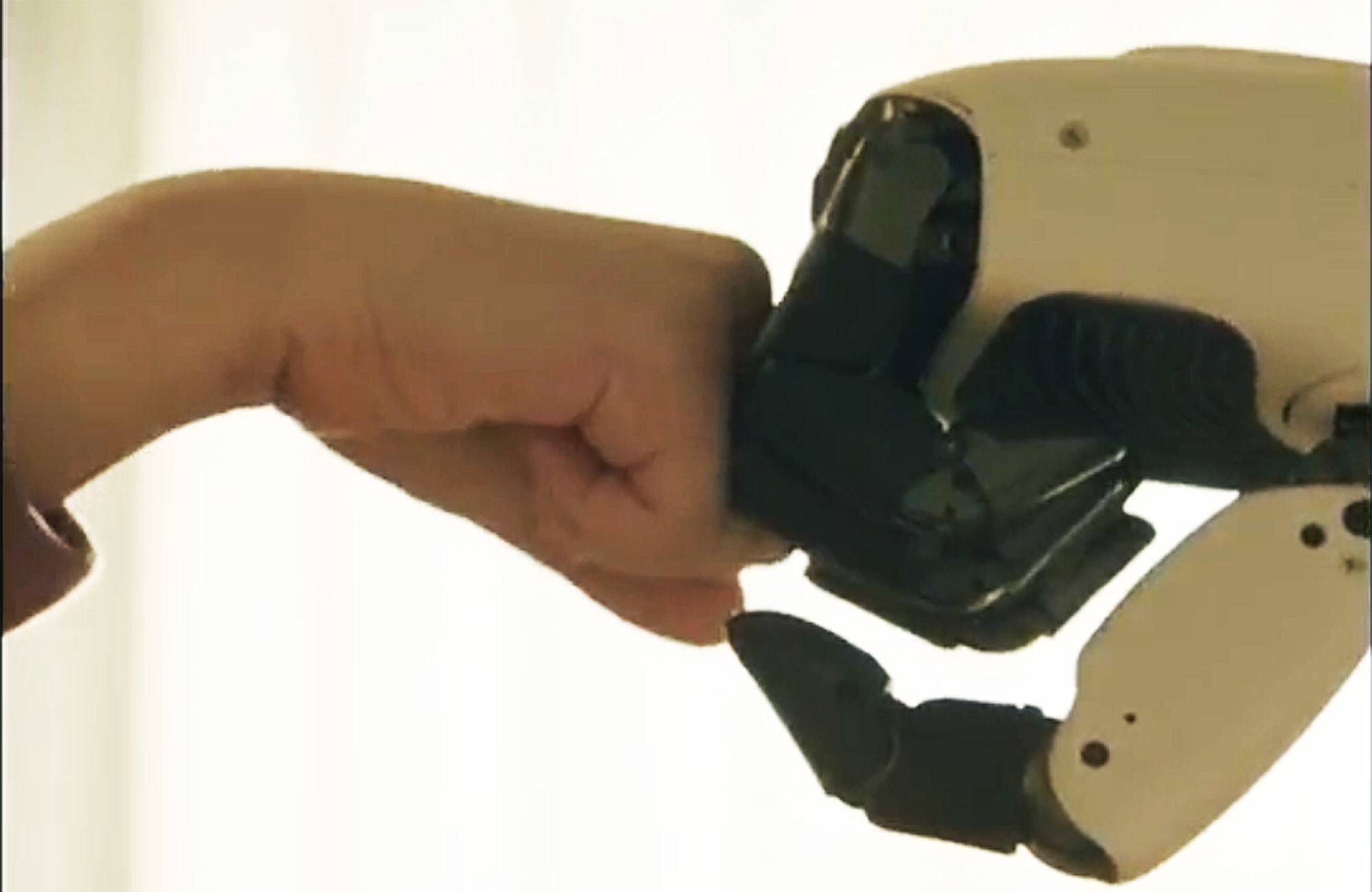
CES examples brought this to life:
- Personal Agents: Manage schedules and travel by analyzing emails and calendars, suggesting optimizations and booking arrangements.
- Home Agents: Coordinate robots and appliances to prep your arrival—lights on, coffee brewing based on traffic data—all autonomously.
Key exhibitors included:
- Aizip: Specialized in edge AI agents for low-latency applications.
- MAUM.AI and Persona AI: Developed digital twins and productivity agents that mimic user behavior.
- SoundHound AI: Pushed voice-enabled agents for seamless voice control integration.
These agents tie into gesture AI devices at CES 2026 for intuitive control. Explore more in CES features and demos. Imagine an AI that doesn’t just assist but anticipates—your silent partner in efficiency.
Gesture AI Devices at CES 2026: The Future of Hands-Free Control
Gesture AI devices at CES 2026 introduced a paradigm shift: hands-free control via natural hand, arm, and body movements. Using computer vision and AI, they interpret gestures for devices, AR interfaces, and in-car systems—reducing reliance on touchscreens or voice. This is part of a larger trend explored in The Future of Virtual Reality: What’s Next for VR and AR?.

Applications were everywhere:
- Smart Home IoT Control: Wave to dim lights or swipe to adjust thermostat settings.
- Human-Robot Collaboration: Gestures direct robots in shared tasks, like pointing to an object for pickup.
- AR Overlays in Wearables: Navigate AR menus with simple hand motions for immersive experiences.
Featured in “Body-Based Tech” sessions and robotics previews, gesture tech integrates with agentic systems and processors for low-latency response. Learn more from CES insights and the robotics topics page. Control your world with a flick of the wrist—technology that feels like magic.
CES 2026 demonstrated a pivotal shift from standalone gadgets to a unified AI-driven ecosystem. Here, CES 2026 AI robots wearables smart home IoT, powered by Intel Core Ultra Processors Nvidia showcases, enhanced by AI agentic systems in consumer tech and controlled via gesture AI devices at CES 2026, converge to create proactive, intelligent companions. The implications are profound: smarter homes anticipate needs, robots handle chores intuitively, wearables prevent health issues, all seamlessly connected.

As these CES 2026 innovations roll out, imagine a world where your home, robots, and wearables work as one intuitive extension of yourself—stay tuned for how they’ll transform daily life, and share your predictions in the comments below. Subscribe for more tech trend updates and follow us for live coverage of upcoming shows.
Frequently Asked Questions
What was the biggest trend at CES 2026?
The overarching trend was the deep integration of AI across all consumer tech domains—smart homes, robots, wearables, and more—creating a unified ecosystem that anticipates user needs rather than just responding to commands.
How do AI agentic systems differ from traditional voice assistants?
Unlike reactive voice assistants, AI agentic systems autonomously plan and execute multi-step tasks. They use reasoning to break down complex goals—like managing a dinner party—without requiring step-by-step instructions.
Are gesture AI devices replacing touchscreens and voice control?
Not entirely. Gesture AI adds another intuitive layer of control, especially useful in hands-busy scenarios or for users with accessibility needs. It complements touch and voice, offering more natural interactions in specific contexts.
What role do processors like Intel Core Ultra play in CES 2026 innovations?
These processors enable on-device AI processing, which enhances privacy, reduces latency, and allows devices to function offline. They power real-time AI tasks in robots, wearables, and smart home hubs, making the ecosystem more responsive.
How can I start building an AI-powered smart home based on CES 2026 trends?
Begin with compatible smart hubs from brands like Samsung or LG, integrate AI wearables for biometric data, and add robots for automation. Ensure devices support interoperability standards, and refer to guides like our Best Smart Home Devices for 2025 for recommendations.