

The 7 Essential Elements of a Successful Blog Post: Boost SEO, Readability, and Conversions
Estimated reading time: 12 minutes
Key Takeaways
- Mastering the essential elements of a successful blog post directly combats low traffic, high bounce rates, and poor engagement.
- Every high-performing post rests on a solid blog post structure that begins with strategic planning using creative briefs and reader personas.
- An attention-grabbing, keyword-rich headline is your first and most critical chance to hook readers and search engines.
- A captivating lead paragraph must immediately confirm search intent and promise value to reduce bounce rates.
- Reader-focused, valuable content that is original, accurate, and emotionally engaging is the core of what keeps audiences coming back.
- Using scannable sub-headings and clear formatting makes your post digestible for both readers and Google.
- Technical SEO optimization and a strong closing call-to-action are non-negotiable for visibility and conversions.
Table of contents
- The 7 Essential Elements of a Successful Blog Post
- Key Takeaways
- The Blogger’s Dilemma and the Solution
- Why Structure is Your Secret Weapon
- Element 1: Attention-Grabbing, Keyword-Rich Headline
- Element 2: Captivating Lead Paragraph
- Element 3: Reader-Focused, Valuable Content
- Element 4: Scannable Sub-Headings
- Element 5: Supporting Points and Structure
- Element 6: SEO Optimization
- Element 7: Strong Closing and Call-to-Action
- Putting It All Together
- Frequently Asked Questions
Are you pouring hours into writing blog posts only to be met with crickets? If you’re struggling with low traffic, high bounce rates, and disappointing engagement, you’re not alone. The good news is that there’s a formula for success, and it starts with understanding the essential elements of a successful blog post. This practical guide will walk you through 7 proven successful blog post elements drawn from expert sources to boost your SEO performance, enhance readability, and drive real conversions. By the end, you’ll have a clear blueprint for creating content that not only ranks but resonates.

The Blogger’s Dilemma and the Solution
It’s frustrating when your content doesn’t reach its potential. You’ve likely asked yourself: What makes a good blog post? The answer isn’t a mystery—it’s a matter of combining key ingredients strategically. From a compelling headline to a valuable core, each element plays a specific role in capturing and keeping attention. Think of these essential elements blog post components as the building blocks for turning casual browsers into loyal readers. As Jeff Goins highlights, great posts solve a problem or fulfill a desire, and that starts with structure. Let’s dive into the elements that transform your writing from overlooked to overperforming.

Why Structure is Your Secret Weapon
Before you write a single word, you need a plan. Understanding what makes a good blog post starts with recognizing that structure is the foundation for improved SEO, readability, and reader retention. This involves blog post outline essentials like creating a creative brief—a detailed plan outlining your goals, target audience, and key points—and developing reader personas that profile your ideal readers’ demographics, pain points, and goals. As planning experts note, this preliminary work ensures your content aligns perfectly with search intent, especially for bloggers seeking actionable strategies. For a step-by-step approach to structuring your content, see our guide on How to Plan Blog Post. By mapping out your blog post structure first, you can incorporate each essential element naturally and effectively.

Element 1: Attention-Grabbing, Keyword-Rich Headline
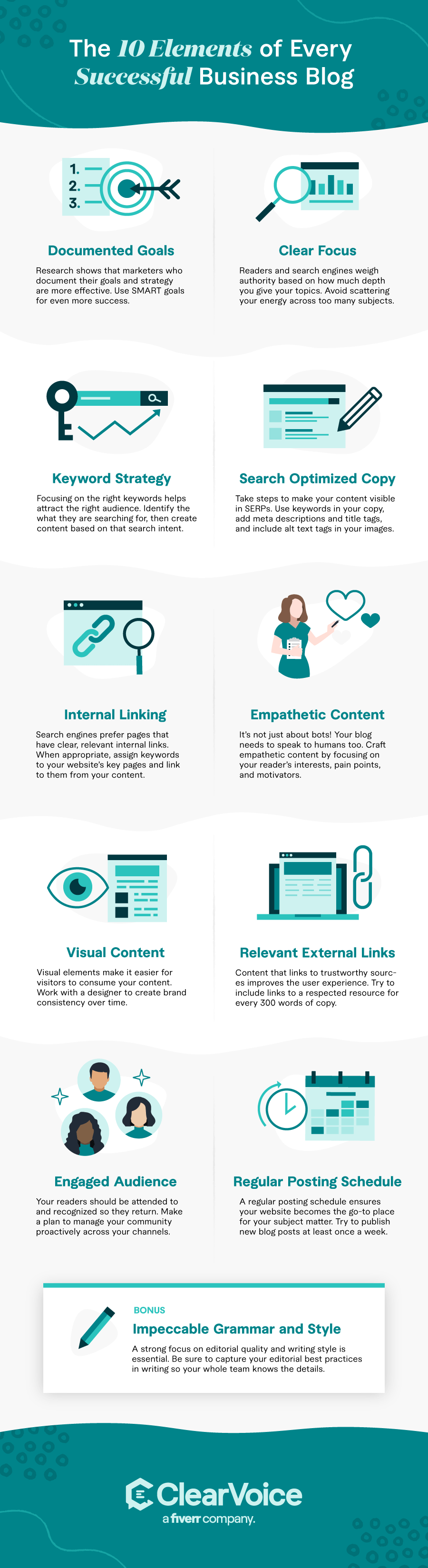
Your headline is the gatekeeper to your content. As the first of the essential elements blog post, it must be compelling, include your primary keyword early (front-loaded in the title tag and H1), and aim for 55-65 characters to avoid truncation in search results. A great headline triggers emotions and promises clear value, signaling focus to search engines and driving clicks. Here are some proven tips:
- Use numbers to imply a tangible, scannable list (e.g., “7 Essential Elements…”).
- Pose a question that addresses your reader’s immediate pain point.
- Incorporate power words like “Skyrocket,” “Proven,” or “Ultimate.”
For example, a headline like “10 Essential Elements of a Successful Blog Post to Skyrocket Your Traffic” checks all the boxes. According to Productive Blogging, your headline is often the sole reason someone decides to read or skip your post. Resources from SEO checklists and media experts emphasize that keyword integration here is non-negotiable for visibility.

Element 2: Captivating Lead Paragraph
Once you’ve grabbed attention with your headline, don’t lose it. A captivating lead paragraph—the opening 100 words—is a cornerstone of successful blog post elements. It must immediately confirm search intent by including the primary keyword “essential elements of a successful blog post” naturally, summarize the post’s value, and hook readers with a “what’s in it for me?” angle. For instance, start by addressing a common pain point: “Struggling with low blog traffic? This guide reveals the foundational elements that turn bland posts into traffic magnets.” You can draw readers in with a brief story, a startling statistic, or a direct question. As Goins explains, the lead should be punchy and intriguing, reducing bounce rates by assuring readers they’re in the right place. This is key to what makes a good blog post—making a powerful first impression that encourages scrolling.

Element 3: Reader-Focused, Valuable Content
The heart of your post is the content itself. This core element of blog post structure demands the delivery of genuine value through stories, lists, solutions, or actionable advice tailored to your audience personas. For bloggers seeking engagement tips, this means providing original, accurate, and emotionally engaging material that stands as the best resource on the topic. What makes a good blog post is directly answering your reader’s questions and offering practical how-to applications. Aim for a depth that matches the subject—typically 1,200 to 2,400 words—without fluff. As experts note, valuable content builds trust and authority. Always credit your sources, like studies from SEO platforms, to bolster credibility. Leveraging AI can enhance this process; explore our AI Content Creation Guide for innovative tools.

Element 4: Scannable Sub-Headings
In today’s fast-paced digital world, readers scan before they commit to reading. Scannable sub-headings (H2, H3, H4 tags) form a clear outline that allows readers to grasp the post’s main ideas at a glance. This is a critical part of successful blog post elements. Use H1 for your title (with the primary keyword), H2s for main ideas, and H3s for subpoints. For SEO, include relevant keywords like blog post outline essentials naturally within these headings. This not only improves readability but also helps Google understand your content’s structure and relevance. As ProBlogger emphasizes, sub-headings break up text and guide the reader through your argument or narrative, making complex information digestible.

Element 5: Supporting Points and Structure
Even the best ideas need proper presentation. This element of the essential elements of a successful blog post involves using formatting tools to enhance clarity and engagement:
- Bullet points and numbered lists to break down complex information.
- Short paragraphs (2-4 sentences) to maintain a brisk pace.
- Bold and italics to emphasize key terms or phrases.
- Smooth transitions between ideas to ensure logical flow.
- Internal and external links with descriptive anchor text (open external links in new tabs) to provide authority and depth.
- Images, videos, or charts with alt text containing your keywords, properly compressed for fast loading times.
- Categories and tags for better site organization and SEO.
As writing guides suggest, these elements make your post visually appealing and easier to consume. Media Junction highlights that multimedia with optimized alt text is crucial for accessibility and search rankings.
Element 6: SEO Optimization
Great content won’t be found without solid SEO. This element ties directly into your blog post structure and involves several technical and strategic actions:
- Natural keyword integration: Place your primary keyword in the title, introduction, sub-headings, and conclusion. Sprinkle secondary or long-tail keywords throughout the body.
- Meta description: Write a summative, keyword-rich snippet under 160 characters in an active voice to compel clicks from search results.
- Clean URL: Use a URL that includes your primary keyword, separated by hyphens, with no unnecessary parameters.
- Mobile optimization and fast load times: Ensure your site is responsive and images are compressed.
- Alignment with search intent: Target realistic keywords via research to match what your audience is actually searching for.
According to SEO-focused blogs, optimization is what separates a good post from a top-ranked one. Mastering search intent is crucial; learn more in our article Search Intent Matters. For a comprehensive checklist, refer to our Complete Blog Post SEO Checklist.

Element 7: Strong Closing and Call-to-Action
Don’t let your post fizzle out. A strong closing is a key successful blog post elements that recaps the essential elements of a successful blog post and reinforces what makes a good blog post. Then, compel action with a clear call-to-action (CTA). Your CTA could encourage readers to subscribe for more tips, leave a comment with their experiences, share the post on social media, or download a blog post outline essentials template. As 100 Pound Social advises, a direct CTA turns passive readers into active participants, boosting conversions and building community. Beehiiv’s checklist reminds us that every post should have a purpose, and the closing is where you drive it home.

Putting It All Together
Now that you know the 7 essential elements blog post components, it’s time to implement them. Start with your next post outline today—use these elements as a checklist to ensure your blog post structure is solid. The transformative results in engagement, SEO, and audience growth are within reach. Share your headline ideas in the comments below! To further optimize your blog’s visibility, delve into effective Keyword Research for Digital Marketing.
Frequently Asked Questions
What is the most important element of a successful blog post?
While all elements are interconnected, the attention-grabbing headline is often considered the most critical. It’s the first thing readers and search engines see, determining whether your content gets clicked or ignored. A strong headline sets the stage for everything that follows.
How long should a blog post be for optimal SEO?
There’s no one-size-fits-all answer, but depth matters. For comprehensive topics covering essential elements of a successful blog post, aim for 1,200 to 2,400 words. This allows you to cover the subject thoroughly, which satisfies search intent and signals authority to Google. Focus on value over word count.
Can I write a good blog post without SEO?
You can write engaging content without deep SEO knowledge, but to achieve consistent traffic, SEO is essential. SEO optimization ensures your post is discoverable. Start with basic keyword research and on-page techniques like meta descriptions and header tags to see significant improvements.
How do I make my blog post more scannable?
Use scannable sub-headings, bullet points, short paragraphs, and bolded key terms. These blog post outline essentials break up text walls and guide the reader’s eye. Tools like images and pull quotes also enhance scannability and keep readers engaged longer.
What’s the best way to end a blog post?
End with a strong closing and call-to-action. Summarize the key points to reinforce the message, then invite the reader to take a specific next step—comment, subscribe, or share. This transforms passive reading into interaction, building a community around your content.