
Fitness Tracking Smart Glasses: The Hands-Free Revolution in Wearable Exercise Tech
Estimated reading time: 8 minutes
Key Takeaways
- Fitness tracking smart glasses combine biometric sensors with AR displays for hands-free workout data.
- AI posture detection overlay provides real-time form correction, reducing injury risk by up to 30-50%.
- Workout metrics AR display projects key stats like heart rate and pace directly into your field of view.
- These glasses integrate seamlessly with existing wearable exercise tech like smartwatches and fitness apps.
- Market growth is rapid, with the smart glasses market projected to reach USD 3,161.3 million in 2026.
Table of contents
- Fitness Tracking Smart Glasses: The Hands-Free Revolution in Wearable Exercise Tech
- Key Takeaways
- Introduction: The Evolution of Wearables
- What Are Fitness Tracking Smart Glasses?
- AI Posture Detection Overlay: A Game-Changer for Form
- Workout Metrics AR Display: Immersive Data at a Glance
- Integrating with the Wearable Exercise Tech Ecosystem
- Practical Considerations and Limitations
- The Future Potential of Fitness Smart Glasses
- Key Benefits and Call to Action
- Frequently Asked Questions
Introduction: The Evolution of Wearables
Imagine you’re in the middle of an intense workout—your heart pounding, muscles burning—and you glance down at your wristwatch or phone to check your stats. That split-second distraction breaks your focus, disrupting the flow of your exercise. This common scenario highlights a limitation of traditional wearables: they require you to look away. Enter fitness tracking smart glasses, the hands-free revolution in wearable exercise tech. Evolving from wristbands to eyewear, these devices overlay data directly in your view, eliminating the need for device checks. They represent a natural progression from wrist-based wearables to immersive eyewear that keeps you in the zone. In this post, we’ll explore their features, including AI posture detection overlay and workout metrics AR display, and how they enhance workouts by keeping you immersed and informed.
What Are Fitness Tracking Smart Glasses?
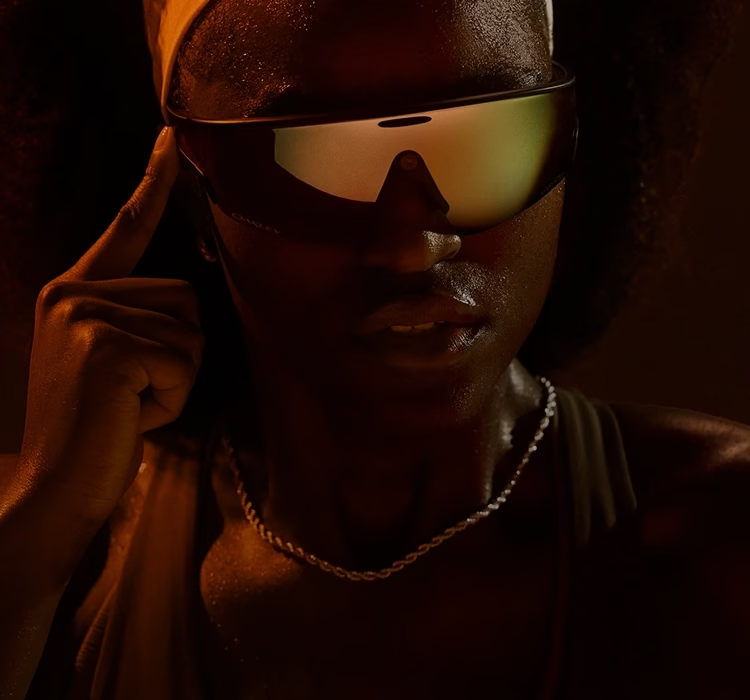
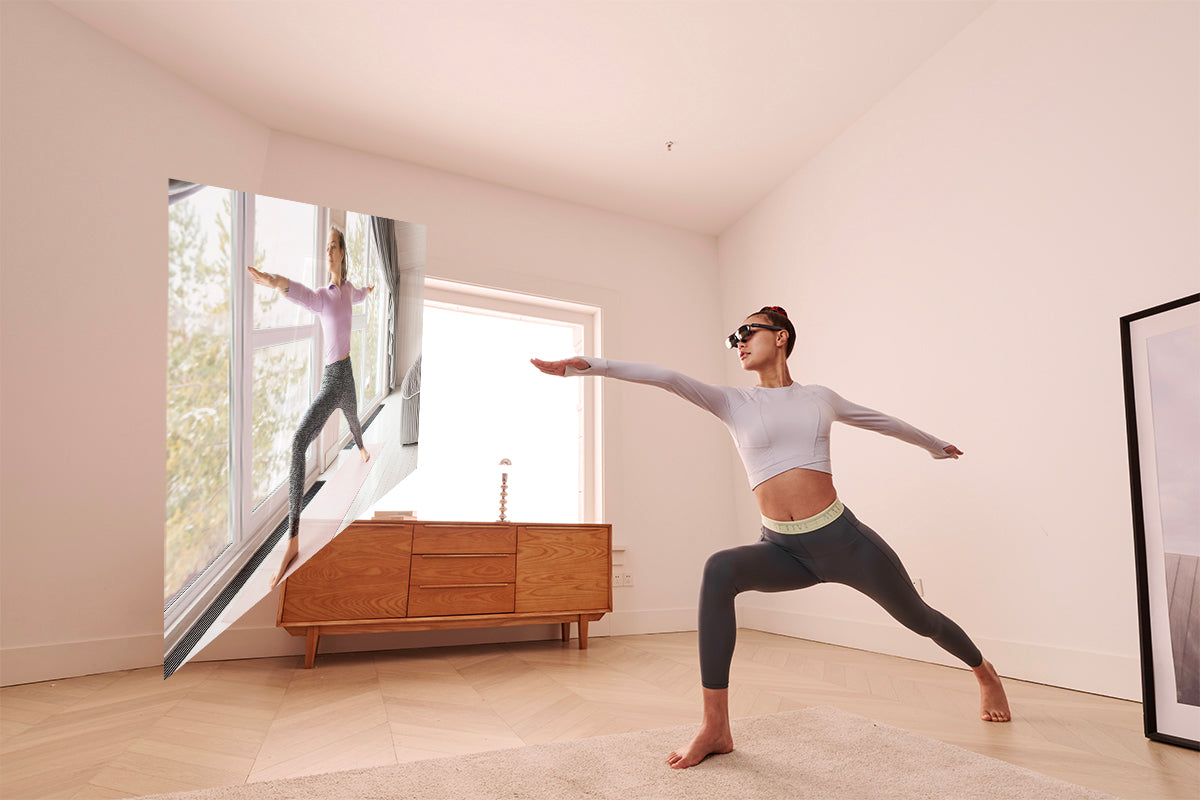
Fitness tracking smart glasses are defined as eyewear integrating biometric sensors—such as heart rate monitors, calorie counters, and movement trackers—with augmented reality (AR) displays. They deliver real-time workout insights directly in the user’s field of view, making data access seamless and hands-free. According to market reports, the key advantage is real-time, heads-up data, which transforms how athletes and fitness enthusiasts monitor their performance.
The market for these devices is growing rapidly. The smart glasses market was valued at USD 2,463.6 million in 2025 and is projected to reach USD 3,161.3 million in 2026, with a compound annual growth rate (CAGR) of 24.2% through 2033, fueled by AR/VR and wearable integration. Meanwhile, the broader fitness tracker market is expected to hit USD 84.68 billion in 2026, with smart glasses gaining traction alongside smartwatches, as noted by industry insights. This positions fitness tracking smart glasses as a natural evolution in wearable exercise tech, offering a more immersive alternative to wrist-based devices.
AI Posture Detection Overlay: A Game-Changer for Form
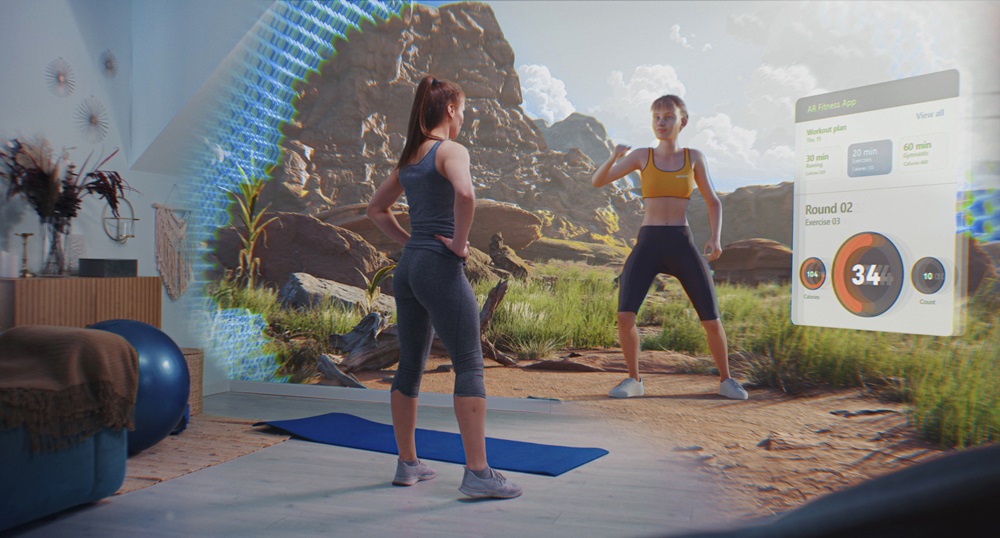
One of the most innovative features of fitness tracking smart glasses is the AI posture detection overlay. This technology leverages onboard sensors—like accelerometers and gyroscopes—along with AI algorithms to analyze exercise form in real-time. For example, it can detect improper back alignment in squats, forward lean in deadlifts, inefficient running gait, or misaligned yoga poses. The system provides instant visual feedback through AR overlays, such as green alignment guides or corrective arrows projected directly into your view.
- Injury Prevention: By correcting form, this feature can reduce injury risk by up to 30-50%, based on form-related studies implied in tech trends. It helps prevent strains during high-rep lifts and improves endurance in runs.
- Practical Examples: A runner might see a gait overlay highlighting heel strike issues, while a yogi gets pose correction for downward dog. This real-time guidance ensures optimal efficiency and safety.
This aligns with immersive AR trends, driving over 26% CAGR in the smart glasses market, as per research. Similar to healthcare applications where real-time visual overlays aid in diagnostics, fitness adaptations enhance situational awareness during workouts. For more on cutting-edge AI, see this resource. The AI posture detection overlay is a cornerstone of advanced fitness tracking smart glasses, making workouts smarter and safer.

Workout Metrics AR Display: Immersive Data at a Glance
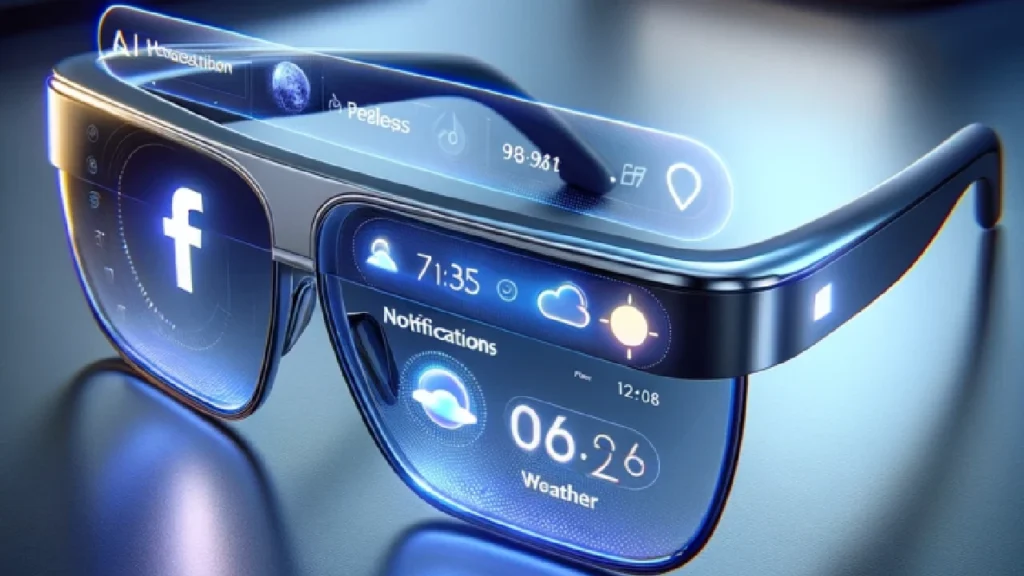
The workout metrics AR display projects key statistics directly into your field of vision via see-through AR lenses. This includes:
- Heart rate (e.g., 145 bpm with zone alerts)
- Pace (e.g., 5:30/km for runners)
- Reps and sets (e.g., “Set 3: 12/15” for weightlifting)
- Timers for intervals or rest periods
- Calories burned in real-time
This allows for seamless monitoring during motion without breaking stride. The impact on immersion and focus is profound—no more glancing at phones or watches. Advancements in graphics rendering and 5G enable smooth, low-latency displays, similar to healthcare real-time clinical data overlays, as highlighted in market analysis.
The wearable display device market, valued at USD 52.82 billion in 2024, is driving demand for integrated fitness screens. This connects to broader wearable exercise tech trends, where AR enhances user experience. For insights on AR-powered wearables, check this guide. The workout metrics AR display is a key feature that makes fitness tracking smart glasses a game-changer for athletes.
Integrating with the Wearable Exercise Tech Ecosystem
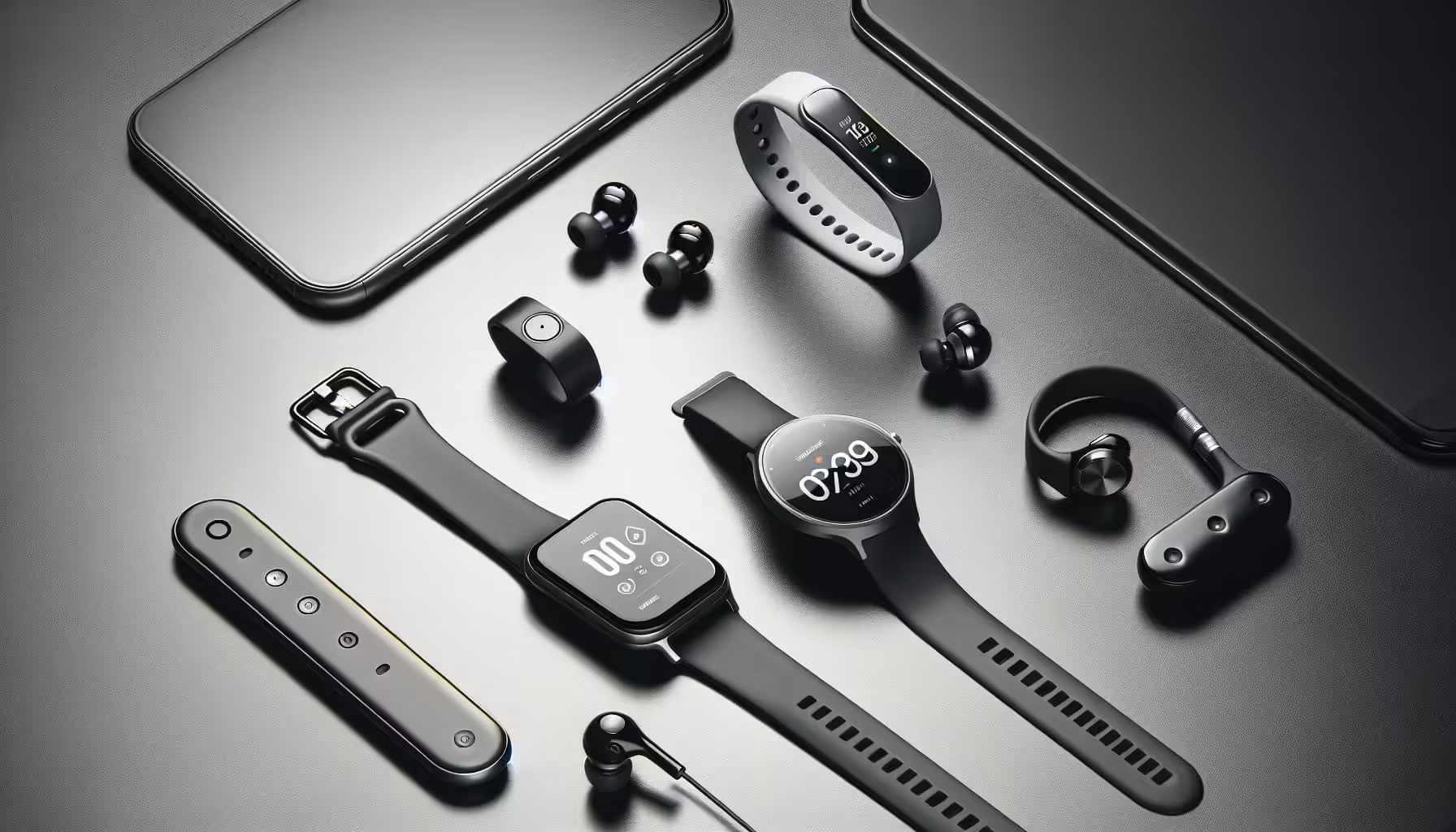
Fitness tracking smart glasses sync seamlessly with existing wearable exercise tech, creating a holistic data ecosystem. They complement devices like:
- Smartwatches (e.g., Apple Watch for ECG monitoring)
- Fitness apps (e.g., Strava for cycling, MyFitnessPal for nutrition)
- Other biometric monitors (e.g., glucose sensors, sleep trackers)
This integration allows for combined data across activities—such as running (pace + gait analysis), cycling (cadence + power output), gym workouts (reps + form correction), and daily steps. Consumer familiarity with trackers boosts adoption, as noted in reports. The wearable technology market is expected to reach USD 222.63 billion by 2030 at an 18% CAGR, driven by health awareness.
Key players like Meta, EssilorLuxottica, and Amazon are advancing stylish models, as seen in market research. For more on cool wearable tech, explore this list and innovations. By integrating with wearable exercise tech, smart glasses enhance data utility and user engagement.

Practical Considerations and Limitations
Despite their advantages, fitness tracking smart glasses come with practical challenges:
- Design and Comfort: While lightweight (20-50g), they are bulkier than regular glasses and may cause discomfort during extended wear.
- Battery Life: Typically 4-8 hours of active use, requiring mid-day charges for all-day fitness tracking.
- Privacy Concerns: Always-on biometrics raise data security issues; look for encryption standards like GDPR compliance.
- High Costs: Priced between $300-800, which limits mass adoption.
- Technical Issues: Lens fogging during sweat-heavy workouts can obstruct views.
Regionally, growth varies—Asia Pacific leads with a 27% CAGR, followed by Europe at 23%, driven by 5G and Industry 4.0, as per industry analysis. These factors are crucial for consumers considering adoption.

The Future Potential of Fitness Smart Glasses
The future of fitness tracking smart glasses is bright, with advancements on the horizon:
- AI Virtual Coaching: Personalized rep cues and workout recommendations based on performance data.
- Gamified Workouts: AR challenges with points and rewards to boost motivation.
- Expanded Biometrics: Hydration levels, fatigue detection via eye tracking, and more.
The smart wearable glass market is projected to grow from USD 1.24 billion in 2026 to USD 2.19 billion by 2032 at a 9.9% CAGR. Hands-free features like AI posture detection overlay and immersive workout metrics AR display will continue to drive innovation in wearable exercise tech. For a glimpse into AI-powered wearables, see this future outlook.

Key Benefits and Call to Action
In summary, fitness tracking smart glasses deliver:
- Hands-free biometric monitoring for uninterrupted workouts.
- AI posture detection overlay for injury prevention and form optimization.
- Workout metrics AR display for enhanced focus and immersion.
- Seamless integration with the wearable exercise tech ecosystem.
They are ideal for serious fitness enthusiasts and early adopters in this maturing, high-growth category. Are you ready to upgrade your workouts with glasses that see what you need? Explore top models today or share your wearable experiences in the comments to join the conversation on the future of fitness.

Frequently Asked Questions
What are fitness tracking smart glasses?
Fitness tracking smart glasses are wearable eyewear that combine biometric sensors with AR displays to provide real-time workout data directly in your field of view, without needing to check other devices.
How does AI posture detection work?
AI posture detection uses sensors like accelerometers and gyroscopes, along with AI algorithms, to analyze your exercise form in real-time. It projects visual overlays to correct alignment, reducing injury risk by up to 30-50% based on form-related studies.
What metrics can I see with AR display?
You can see heart rate, pace, reps, sets, timers, and calories burned projected directly into your vision via AR lenses, allowing for hands-free monitoring during workouts.
Are fitness smart glasses compatible with other wearables?
Yes, they often sync with smartwatches, fitness apps, and other biometric monitors to provide a holistic view of your health and performance data, integrating seamlessly with the wearable exercise tech ecosystem.
What are the main limitations of these glasses?
Limitations include bulkier design, limited battery life (4-8 hours), privacy concerns, high cost ($300-800), and issues like lens fogging during intense workouts.