
Folding Tablet Display Innovations: Unfolding the Future of Flexible Screens
Estimated reading time: 8 minutes
Key Takeaways
- Folding tablet display innovations are rapidly evolving, blending phone portability with tablet expansiveness for versatile gadgets.
- Octa fold screens, like Samsung’s Y-OCTA structure, represent a breakthrough in flexible OLED architecture, enabling thinner, more durable displays.
- Pose adaptive UI dynamically adjusts interfaces based on device posture, unlocking new use cases for flexible hardware.
- Tablet multitask form factors transform productivity through modes like laptop, tent, book, and compact configurations.
- The synergy of hardware, software, and design is crucial for the future of foldable devices, with ongoing advancements in materials and ecosystems.

Table of Contents
- Folding Tablet Display Innovations: Unfolding the Future of Flexible Screens
- Key Takeaways
- Introduction: The Rise of Flexible Screens
- Octa Fold Screens: The Hardware Revolution
- Pose Adaptive UI: The Software Brain
- Tablet Multitask Form Factors: Real-World Adaptation
- Synthesis: The Interconnected Future
- Frequently Asked Questions
Introduction: The Rise of Flexible Screens
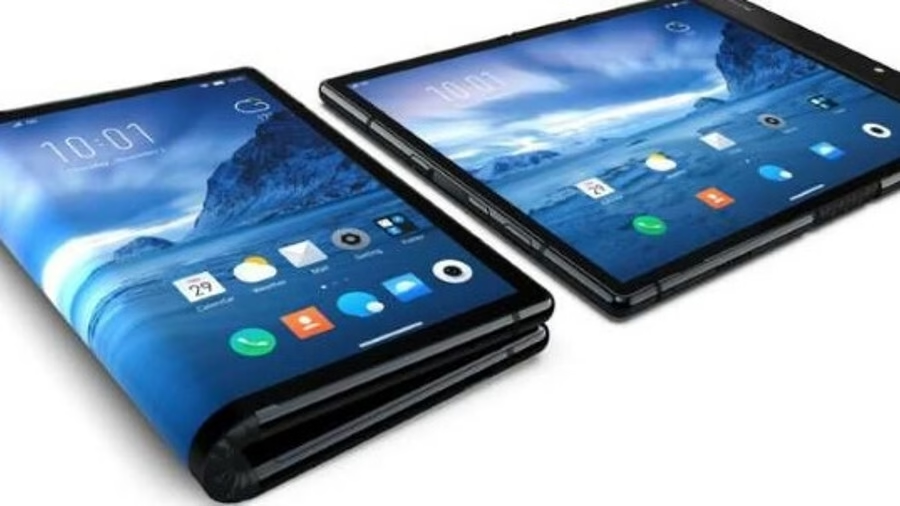
The world of folding tablet display innovations is accelerating at a breathtaking pace, where flexible screen technology is evolving from a niche concept to a mainstream reality. These devices now seamlessly blend the portability of a phone with the expansive usability of a tablet, directly addressing modern demands for versatile gadgets that adapt to user needs on the fly. This isn’t just about bending screens; it’s about redefining how we interact with technology.
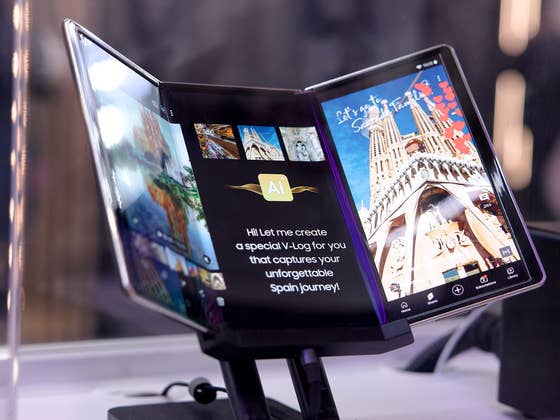
Imagine carrying a device that unfolds from a pocket-sized companion into a full-sized productivity powerhouse. That’s the promise held by current multi-fold hardware, like the dual-fold designs in Samsung’s Galaxy Z Fold series with its 7.6-inch Foldable Dynamic LTPO AMOLED 2X display. These advancements are pushing toward more complex structures, all paired with intelligent software that unlocks entirely new use cases. For a foundational look at this transformative category, explore our deep dive into Foldable Phones Technology: Unfolding the Future of Phones.
This post will navigate the core pillars of this revolution:
- The engineering marvel of octa fold screens.
- The intelligent response of pose adaptive UI.
- The practical transformation through tablet multitask form factors.
Together, these elements interconnect to shape the future of flexible devices.
Octa Fold Screens: The Hardware Revolution
At the heart of advanced foldables lies a structural breakthrough: octa fold screens. Contrary to what the name might suggest, this doesn’t mean eight mechanical folds. Instead, it refers to Samsung’s Y-OCTA (Youm On-Cell Touch AMOLED) structure—an eight-layer flexible OLED architecture that integrates touch sensors directly onto the thin-film encapsulation (TFE) layer. This is a pivotal leap from earlier dual-fold “Z” mechanisms.

Why does this matter? The on-cell approach reduces the traditional layer count from ten to eight: cover window, deco film, OCA/OCR, polarizer, TSP on TFE, TFE, OLED emitting layer, and plastic substrate. As detailed by DisplayDaily and OLED-A, this integration dramatically improves touch sensitivity, optical performance on curves, and flexibility by eliminating the need for separate support films.
The benefits are substantial:
- Extreme Thinness: Enables compact devices that unfold into laptop-replacement screens, thanks to materials like ultra-thin glass (UTG) or colorless polyimide (CPI).
- Cost Efficiency: A 30% reduction in touch production costs via a streamlined 4-mask process, as noted in industry analyses.
- Enhanced Durability: Better resilience for devices meant to survive thousands of folds, a key focus in foldable display innovations.
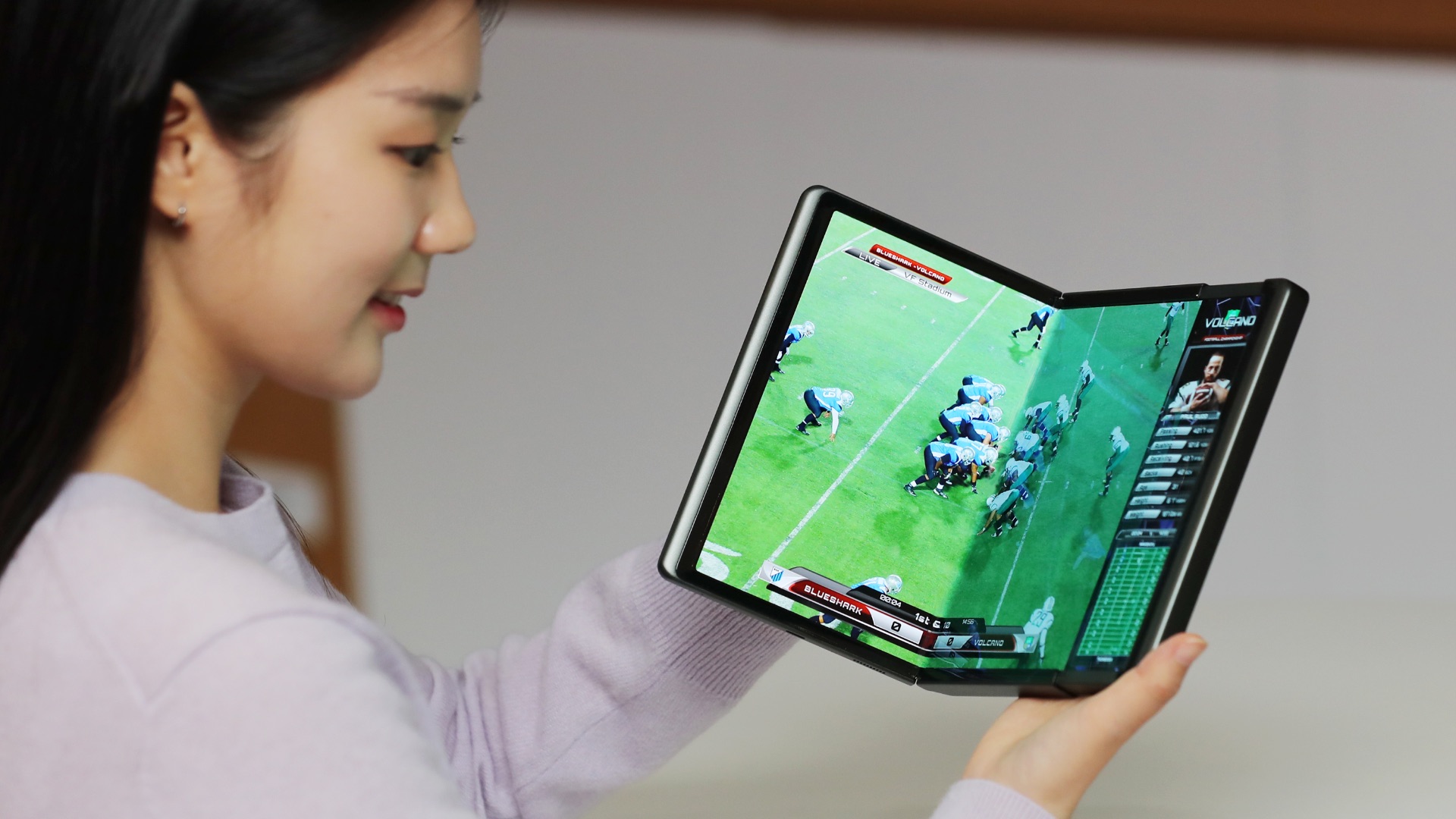
However, challenges persist. Crease visibility, hinge complexity, and fold radius limitations are ongoing hurdles. Samsung is addressing these with developments like F-OCTA, which uses organic insulators for higher yields, though it adds about 30μm of thickness.
The evolution is grounded in real prototypes. Early Y-OCTA technology debuted in devices like the Galaxy Note 7 Edge and has since expanded to the Galaxy Z Fold 6. Looking ahead, plans include 120-240Hz OCTA panels for laptops, as reported by OLED-Info. This journey is part of a longer saga, chronicled in our analysis of the Evolution of Samsung Galaxy Z Fold: Sleeker, Tougher, and Incredibly Compact. For the latest leaks, see Stunning Galaxy Z Fold 6 leaks and Galaxy Z Flip 6 Leak: Exclusive Foldable Images Revealed.
Pose Adaptive UI: The Software Brain
Hardware alone isn’t enough. Enter pose adaptive UI—the intelligent software that dynamically adjusts interfaces based on the device’s posture, whether fully open, in tent mode, book mode, or partially folded. This is where the magic of adaptation truly comes to life, complementing the flexible foundations laid by technologies like Y-OCTA.
How does it work? Sensors detect the fold angle, triggering auto-switching app layouts, dynamic taskbars that move to folded edges, and content that flows seamlessly across creases. This is enabled by hardware advances; for instance, Y-OCTA’s thin, responsive layers (organic layers on polyimide substrates) allow for more precise touch input compared to thicker LCD alternatives, as explained by DisplayDaily and OLED-A.

Consider these examples:
- In tent mode, the UI optimizes for video calls by centering the camera and adjusting controls.
- When partially folded, taskbars reposition to the most accessible edge, enhancing one-handed use.
- The on-cell touch integration in Y-OCTA improves response times for multi-fold tablets, making interactions feel natural, as highlighted by OLED-Info.
The harmony between hardware and software is critical. True innovation in folding tablet display innovations requires this synergy to create a seamless, intuitive user experience that feels effortless. As noted in Omdia’s analysis, naming conventions like Y-OCTA reflect a focus on this integrated approach.
Tablet Multitask Form Factors: Real-World Adaptation
Now, let’s explore the practical applications: tablet multitask form factors. These are configurations that leverage various fold states to create task-specific designs, effectively blurring the lines between phones, tablets, and laptops. With OLED stacks engineered to survive 200,000+ folds via UTG hinges, as seen in Samsung’s Galaxy Z Fold 6, durability meets versatility.
Here are the key modes transforming productivity:
- Laptop Mode: Fully unfolded, the device pairs with a virtual or bottom-screen keyboard, offering a expansive 7.6-inch+ AMOLED canvas for tasks like coding or document editing. It’s a portable workstation in your pocket.
- Tent & Stand Modes: Half-folded, these modes are perfect for media consumption, video calls, or dashboard displays. They benefit from Y-OCTA’s curve-friendly optics, ensuring clear viewing angles without distortion, as per DisplayDaily.
- Book Mode: The device folds like a book, creating dual panels ideal for immersive reading, stylus note-taking, or side-by-side app comparisons. Content flows seamlessly across the crease, enhancing multitasking.
- Compact Mode: Multi-folded for one-handed use, this mode prioritizes portability and quick notifications. The thin polyimide substrates in Y-OCTA, discussed by OLED-A, enable this sleek form without sacrificing screen quality.
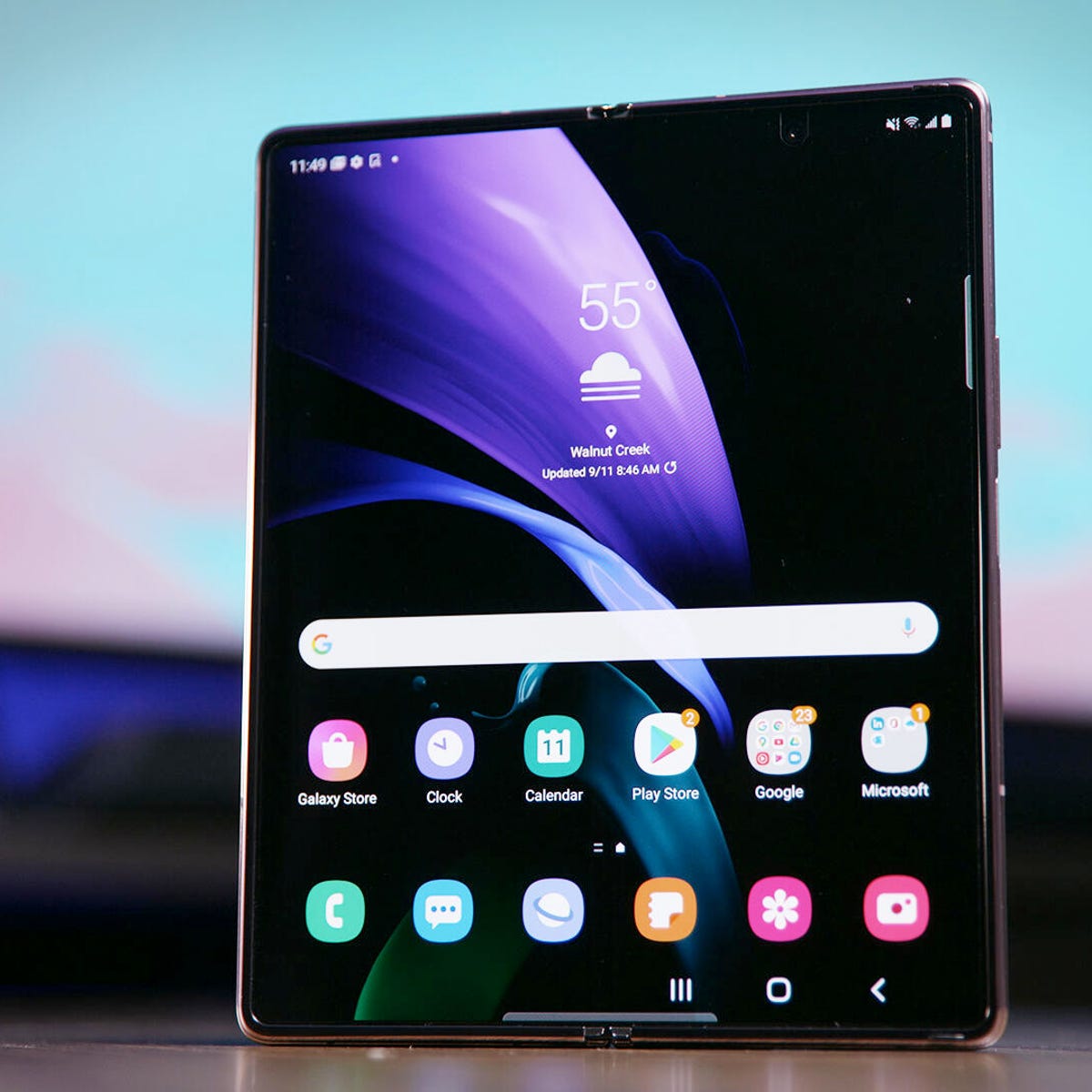
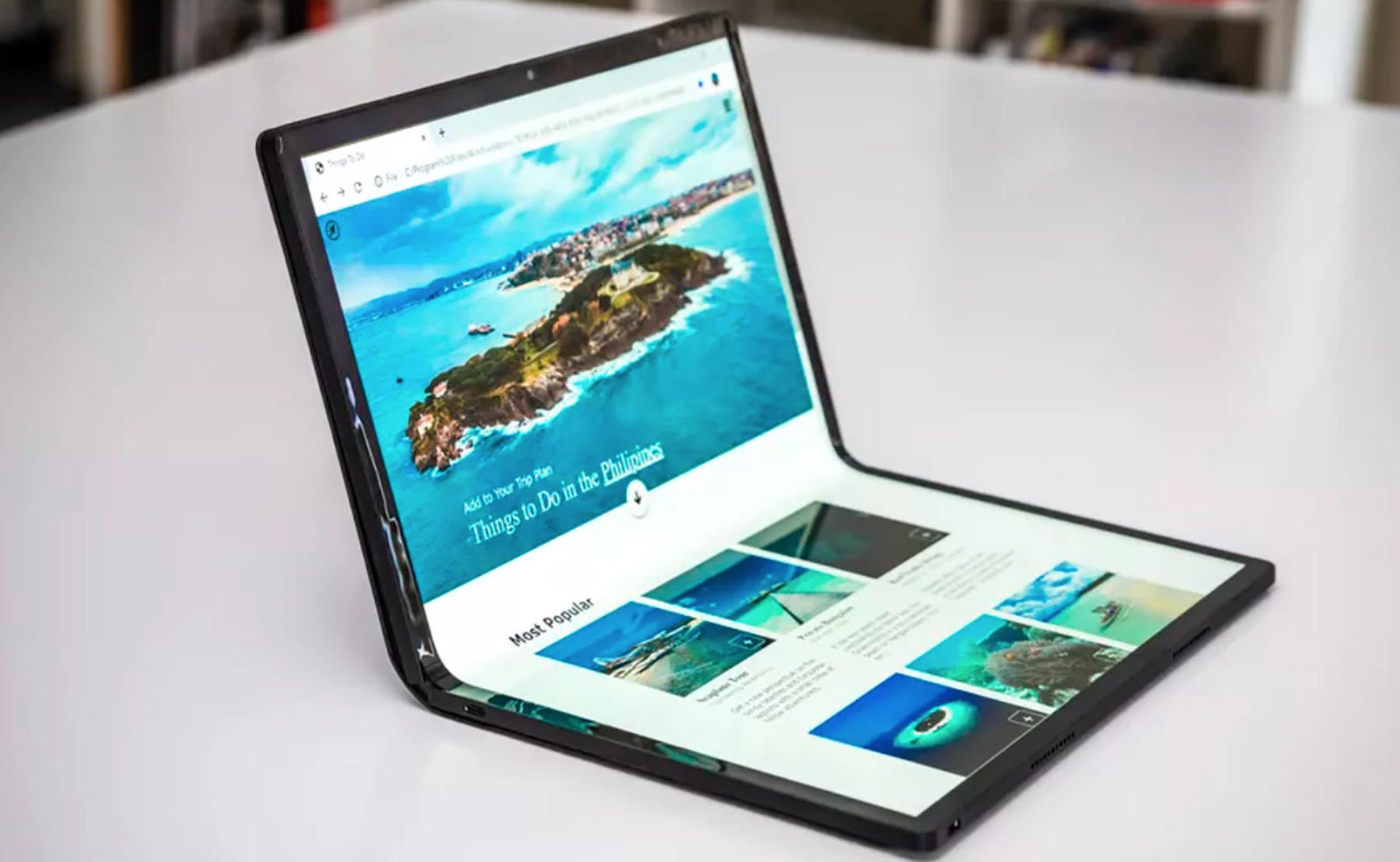
These form factors draw directly from real-world examples like Samsung’s Z Fold series, creating all-in-one devices that adapt to your day. To help navigate these options, check out our practical guide on How to Choose the Perfect Foldable Phone for You. The pursuit of portability is also driving radical designs, as seen in the Worlds Thinnest Foldable Phone Revealed – The Ultimate Game-Changer in Smartphone Innovation.
Synthesis: The Interconnected Future
The journey through folding tablet display innovations reveals a tapestry woven from three interconnected pillars: octa fold screens (the hardware foundation), pose adaptive UI (the software intelligence), and tablet multitask form factors (the user-centric design). Together, they create devices that aren’t just flexible but truly adaptable, as underscored by research from DisplayDaily, OLED-A, and Made-in-China Insights.
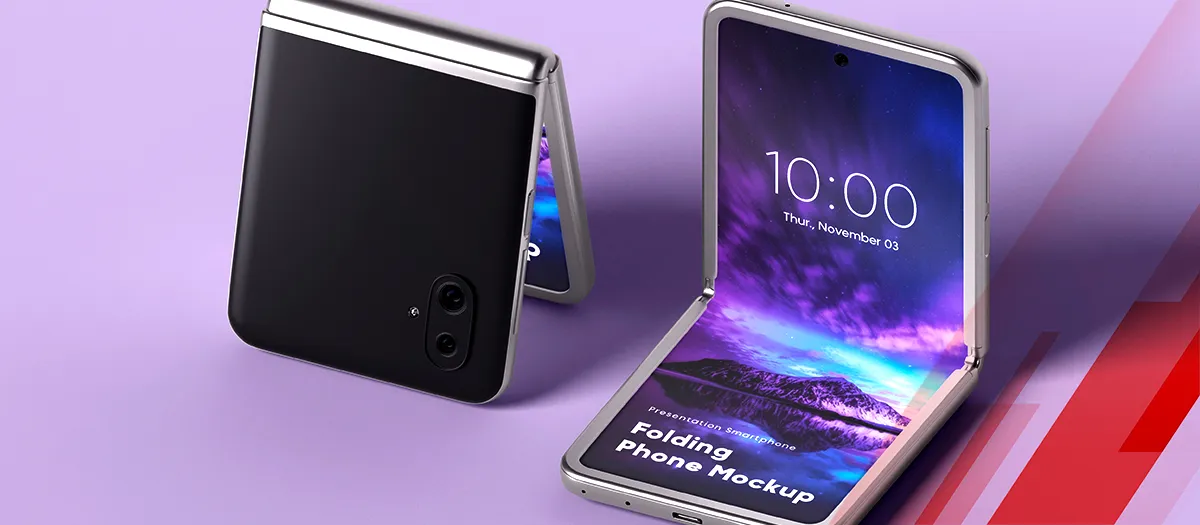
Looking ahead, the future sparkles with potential. Expect refinements in ultra-thin glass, exploration of rollable concepts, and deeper ecosystem integration. Samsung is already expanding Y-OCTA and F-OCTA technologies for thinner, cheaper foldables, with plans for high-refresh-rate laptop OLEDs, as reported by OLED-Info. These shifts are all about adapting devices to human needs—transforming from prototypes to everyday realities, much like the evolution captured in the Galaxy Z Fold 6.
Frequently Asked Questions
What exactly are octa fold screens?
Octa fold screens refer to Samsung’s Y-OCTA structure, an eight-layer flexible OLED architecture that integrates touch sensors directly on the thin-film encapsulation layer. It’s a hardware breakthrough for thinner, more responsive foldable displays, not eight mechanical folds.
How does pose adaptive UI improve the user experience?
Pose adaptive UI dynamically adjusts interfaces based on how you fold the device—like switching layouts in tent mode or moving taskbars. This makes interactions intuitive and tailors the device to specific tasks, enhancing productivity and media consumption.
What are the most practical tablet multitask form factors?
Key form factors include laptop mode for productivity, tent/stand modes for hands-free media, book mode for reading and note-taking, and compact mode for portability. Each leverages fold states to replace multiple devices with one versatile gadget.
Are folding displays durable enough for daily use?
Yes, advancements like ultra-thin glass (UTG) and Y-OCTA architecture have improved durability, with some OLED stacks rated for over 200,000 folds. However, crease visibility and hinge wear remain challenges that manufacturers are continuously addressing.
Where can I learn more about specific foldable phone models?
Check out our resources on the Evolution of Samsung Galaxy Z Fold and the latest Galaxy Z Fold 6 leaks for in-depth insights into current and upcoming devices.