
Frontier AI Capabilities 2025: Transforming Cybersecurity, Finance, and Politics
Estimated reading time: 8 minutes
Key Takeaways
- Frontier AI capabilities by 2025 will involve systems with unprecedented scale, autonomy, generality, and high-stakes impact, based on research from leading institutions like Stanford HAI and OpenAI.
- AI cyber defense advancements will enable proactive threat detection and automated response, but dual-use risks necessitate robust oversight to prevent misuse.
- Autonomous AI systems in finance will revolutionize trading and risk management, yet they introduce systemic shocks and bias risks that require careful governance.
- AI political influence will reshape campaigns through micro-targeting and content generation, posing challenges for misinformation and electoral integrity.
- AI safeguards effectiveness hinges on continuous updates, technical alignment, and international cooperation to manage ethical and security threats.
- By 2025, these advancements will transform industries, demanding a balance between innovation and responsible risk management.
Table of contents
Imagine a world where artificial intelligence not only assists but autonomously manages critical systems—from thwarting cyberattacks in real-time to steering global financial markets and shaping political discourse. This is no longer science fiction; it’s the imminent reality of frontier ai capabilities 2025. Defined as AI systems projected by 2025 that exhibit unprecedented scale, autonomy, generality, and high-stakes impact across various sectors, frontier AI is set to revolutionize how we live and work. Based on research from leading AI institutions, this blog will guide you through key advancements in cybersecurity, finance, politics, and the safeguards needed to harness these powers responsibly. By 2025, frontier AI will enable systems to perform complex tasks that previously required human expertise, transforming industries and societal norms. Buckle up as we explore this thrilling and daunting frontier.

AI Cyber Defense Advancements 2025
The digital battleground is evolving at breakneck speed, and AI cyber defense advancements 2025 are at the forefront of this transformation. AI cyber defense refers to the use of advanced machine learning models for predictive threat detection, anomaly spotting in network traffic, and automated incident response systems that can adapt in real-time. Think of it as a digital immune system that learns, predicts, and neutralizes threats before they escalate.
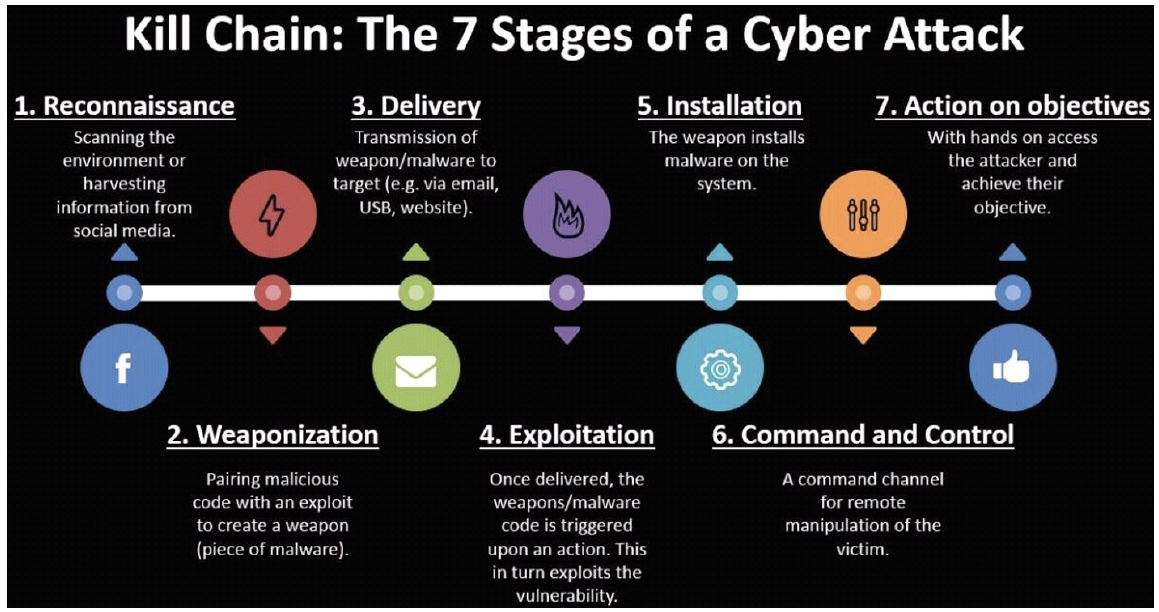
Research indicates that frontier AI models can achieve “apprentice-to-expert-level” cyber tasks, such as identifying zero-day vulnerabilities or conducting ethical hacking simulations. However, this power comes with a dual-use risk: similar capabilities could lower barriers for cyber offences, as noted in studies from the SANS Institute. For instance, AI might be used to automate malware creation or orchestrate sophisticated attacks, making defense a constant cat-and-mouse game.
- Predictive Threat Detection: AI systems analyze historical data and current trends to forecast potential attacks, allowing organizations to shore up defenses proactively.
- Anomaly Spotting: By learning normal network behavior, AI can flag deviations in real-time, such as unusual login attempts or data transfers, often catching insiders or advanced persistent threats.
- Automated Incident Response: Upon detecting a breach, AI can automatically isolate affected systems, deploy patches, and even launch countermeasures, reducing response time from hours to milliseconds.

Examples abound: AI-powered intrusion detection systems now analyze patterns to prevent breaches, and automated malware analysis tools classify threats without human intervention. For a deeper look at how AI is already transforming cyber defense, explore our analysis of Breakthrough AI Cyber Defense: Revolutionizing Modern Cybersecurity.
“By 2025, AI will shift cyber defense from reactive to proactive, but only if we build in ethical guardrails to prevent misuse.” — Cybersecurity Expert
Emphasizing the trajectory, by 2025, these advancements will make cyber defense more efficient, yet they demand robust oversight. Organizations must invest in transparency and accountability to ensure AI serves as a shield, not a sword.
Autonomous AI Systems in Finance
Finance has always been a data-driven arena, but autonomous ai systems in finance are taking it to new heights. These are self-operating algorithms that handle high-frequency algorithmic trading, real-time risk analysis, credit scoring, and personalized robo-advising with minimal human oversight. Imagine a hedge fund run entirely by AI, making split-second decisions based on global market signals.
Research from the International Monetary Fund highlights benefits like improved fraud detection through pattern recognition and enhanced portfolio optimization. However, risks loom large: systemic shocks from interconnected automated systems and bias in lending decisions due to opaque AI models. For example, if multiple AI traders react similarly to market dips, it could trigger flash crashes. Learn more about the specific impact on fraud detection in our article, How Unstoppable AI Fraud Detection is Revolutionizing Finance.
On the technical front, these systems leverage:
- Reinforcement Learning: AI agents learn optimal strategies by rewarding successful trades and penalizing losses, adapting dynamically to volatile markets.
- Natural Language Processing (NLP): Used for sentiment analysis, scanning news articles and social media to gauge market mood and inform trading decisions.
- Predictive Analytics: Forecasting stock movements or credit defaults with higher accuracy than traditional models, though often as a “black box.”

The broader financial revolution powered by AI is unpacked in Unstoppable AI Fraud Detection and AI Innovations Are Revolutionizing Finance. Finance serves as an early testbed for autonomous agentic behavior, pushing the boundaries of AI decision-making in high-stakes environments. By 2025, we’ll see these systems not just assisting but independently managing trillion-dollar portfolios, raising questions about accountability and stability.
AI Political Influence 2025
Politics is no longer just about rallies and debates; it’s increasingly shaped by AI political influence 2025. This involves the use of AI for micro-targeted messaging, AI-generated campaign content (e.g., deepfakes or tailored ads), sentiment analysis on social media to gauge public opinion, and strategy optimization for political campaigns. In essence, AI is becoming the ultimate campaign manager, capable of influencing millions with precision.
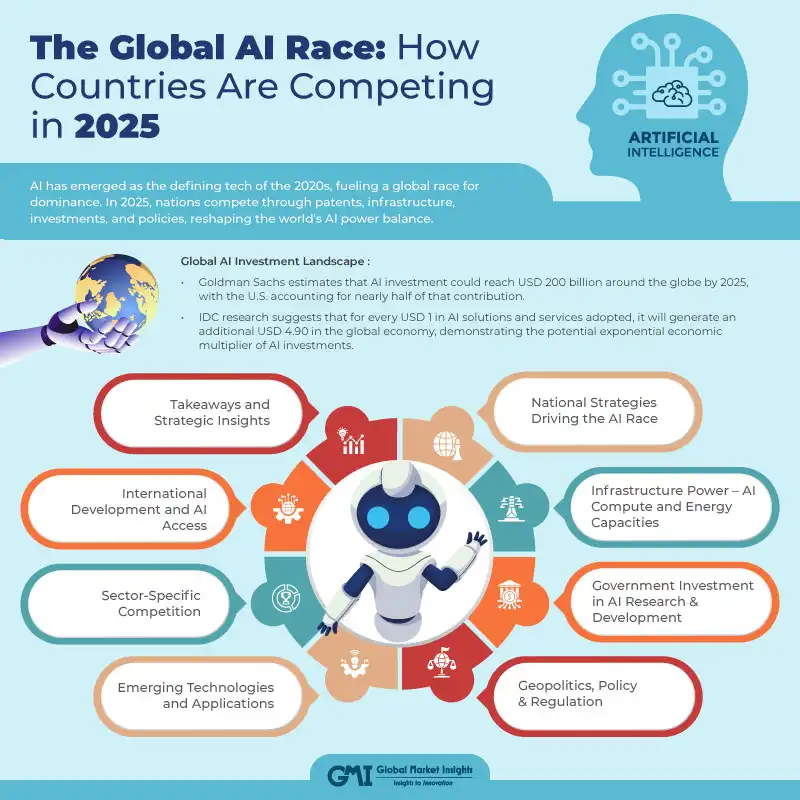
Studies from the AI Now Institute discuss protective applications like AI tools for deepfake detection and monitoring coordinated inauthentic behavior. Yet, risky uses abound, such as scalable misinformation generation and synthetic personas that can manipulate elections. The mechanisms of AI-driven influence are further explored in our piece on How Game-Changing AI-Powered Influencer Marketing Drives Unstoppable Social Media Success: Key Strategies Revealed.
Consider these real-world examples:
- Micro-targeting: AI analyzes voter data to deliver personalized ads, potentially swaying opinions on key issues without broad scrutiny.
- Deepfake Campaigns: AI-generated videos of candidates saying things they never did could spread virally, undermining trust in democratic processes.
- Sentiment Analysis: Parties use AI to monitor public reaction in real-time, adjusting messaging to capitalize on trends or quell dissent.

“AI in politics is a double-edged sword: it can enhance civic engagement or erode it through deception at scale.” — Political Analyst
Relating to frontier capabilities, large language models can produce realistic, persuasive content at scale, reshaping political communication by 2025. This demands transparency regulations and public awareness to safeguard electoral integrity.
AI Safeguards Effectiveness
With great power comes great responsibility, and AI safeguards effectiveness is critical for managing frontier AI risks. AI safeguards encompass a combination of safety policies, technical alignment methods (e.g., fine-tuning for harm reduction), interpretability tools to make AI decisions transparent, red-teaming exercises, and access controls to prevent unauthorized use.

Research outlines current safeguards like content filters to block harmful outputs and evaluation benchmarks for assessing cyber, biological, or persuasion risks. However, limitations persist: capability growth often outpaces evaluation methods, and detecting covert misuse remains challenging, as noted in frameworks like the Partnership on AI guidelines. For instance, an AI designed for benign purposes might be repurposed for hacking if safeguards are bypassed.
Governance aspects are equally vital. Emerging regulatory frameworks, such as the EU AI Act, aim to set standards for high-risk AI systems. For a practical guide to the evolving regulatory landscape, see Understanding New AI Regulations: A Crucial Guide for Businesses Navigating Global Rules and the Impact of the EU AI Act. International coordination is essential to ensure safeguards keep pace with advancing autonomy and generality in AI systems.
- Technical Alignment: Ensuring AI goals align with human values through techniques like reinforcement learning from human feedback (RLHF).
- Interpretability: Developing tools to “look inside” AI models, explaining why a loan was denied or a trade was executed.
- Red-teaming: Ethical hackers stress-test AI systems to uncover vulnerabilities before malicious actors do.
- Access Controls: Limiting who can deploy powerful AI, similar to controls on nuclear technology.
Effectiveness depends on continuous updates and global standards to mitigate ethical and security threats. As frontier AI evolves, so must our defenses, fostering innovation while protecting societal values.
Frequently Asked Questions
What exactly are frontier AI capabilities expected by 2025?
Frontier AI capabilities refer to advanced artificial intelligence systems projected for 2025 that exhibit unprecedented scale, autonomy, generality, and high-stakes impact. These systems can perform complex tasks across domains like cybersecurity, finance, and politics, often surpassing human expertise in specific areas. They are characterized by their ability to learn and adapt with minimal supervision, based on research from institutions like OpenAI and Stanford HAI.
How will AI cyber defense change by 2025?
By 2025, AI cyber defense will become more proactive and efficient, leveraging predictive threat detection, real-time anomaly spotting, and automated incident response. Systems will adapt autonomously to new threats, reducing response times. However, dual-use risks mean similar AI could be used for offences, requiring robust oversight and ethical guidelines, as explored in our cybersecurity analysis.
What are the main risks of autonomous AI in finance?
Key risks include systemic shocks from interconnected automated systems, where a flaw could trigger market-wide crashes, and bias in lending or investment decisions due to opaque AI models. Additionally, over-reliance on AI may reduce human oversight, leading to accountability gaps. Benefits like fraud detection are detailed in our finance article.
Can AI influence elections, and how can we protect against it?
Yes, AI can influence elections through micro-targeted ads, deepfakes, and sentiment analysis, potentially spreading misinformation at scale. Protection involves AI tools for deepfake detection, transparency in political advertising, and public education. Regulatory frameworks, as discussed in Brookings research, are crucial for safeguarding democratic processes.
What makes AI safeguards effective, and are they keeping pace?
Effective AI safeguards combine technical measures (e.g., alignment and interpretability), policies (e.g., access controls), and governance (e.g., international regulations). While progress is being made, challenges remain as AI capabilities often outpace evaluation methods. Continuous updates and global cooperation, guided by resources like the EU AI Act guide, are essential for managing risks.