
Gesture Control Home Systems: The Future of Touchless Home Automation
Estimated reading time: 8 minutes
Key Takeaways
- Gesture control home systems are revolutionizing home automation with touchless, intuitive control via hand and body gestures.
- Powered by AI interface tech touchless control, these systems offer high accuracy and contextual adaptability for seamless interactions.
- Real-world applications enhance hygiene, accessibility, and convenience in kitchens, entertainment, security, and more through smart gesture devices.
- Contextual electronics enable complex, automated routines that respond to the state of your home environment.
- Despite challenges like cost and privacy, the market is growing rapidly, with innovations pointing to a future of even more integrated, intelligent homes.
Table of contents
- Gesture Control Home Systems: The Future of Touchless Home Automation
- Key Takeaways
- Opening & Hook
- Understanding How Gesture Control Home Systems Work
- Real-World Applications Across Your Home
- Why Gesture Control Home Systems Are Gaining Popularity
- Challenges and Practical Considerations
- The Future of Gesture Control Technology
- Closing Thoughts & Call to Action
- Frequently Asked Questions
Opening & Hook
What if you could control your entire home with a wave? How is AI making these controls more contextual and adaptive? Welcome to the world of gesture control home systems, the next evolution in home automation beyond touchscreens and voice commands.
These systems define touchless interfaces using infrared, ultrasonic, or time-of-flight sensors to detect hand gestures or body motions for controlling lights, doors, and appliances without physical contact. Framed around cutting-edge AI interface tech touchless control, they enable intuitive, hands-free interactions powered by AI. For those new to smart technology, starting your journey is easier than ever.

Imagine dimming the lights with a flick of your wrist or locking the door with a simple hand raise—this is the promise of gesture control, and it’s rapidly becoming a reality in modern smart homes.
Understanding How Gesture Control Home Systems Work
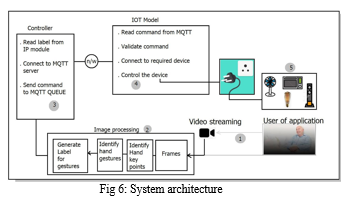
At their core, gesture control home systems rely on cameras, sensors, and depth perception technologies such as infrared, ultrasonic, radar, or time-of-flight to capture and interpret user motions with up to 99.7% accuracy as of 2023.
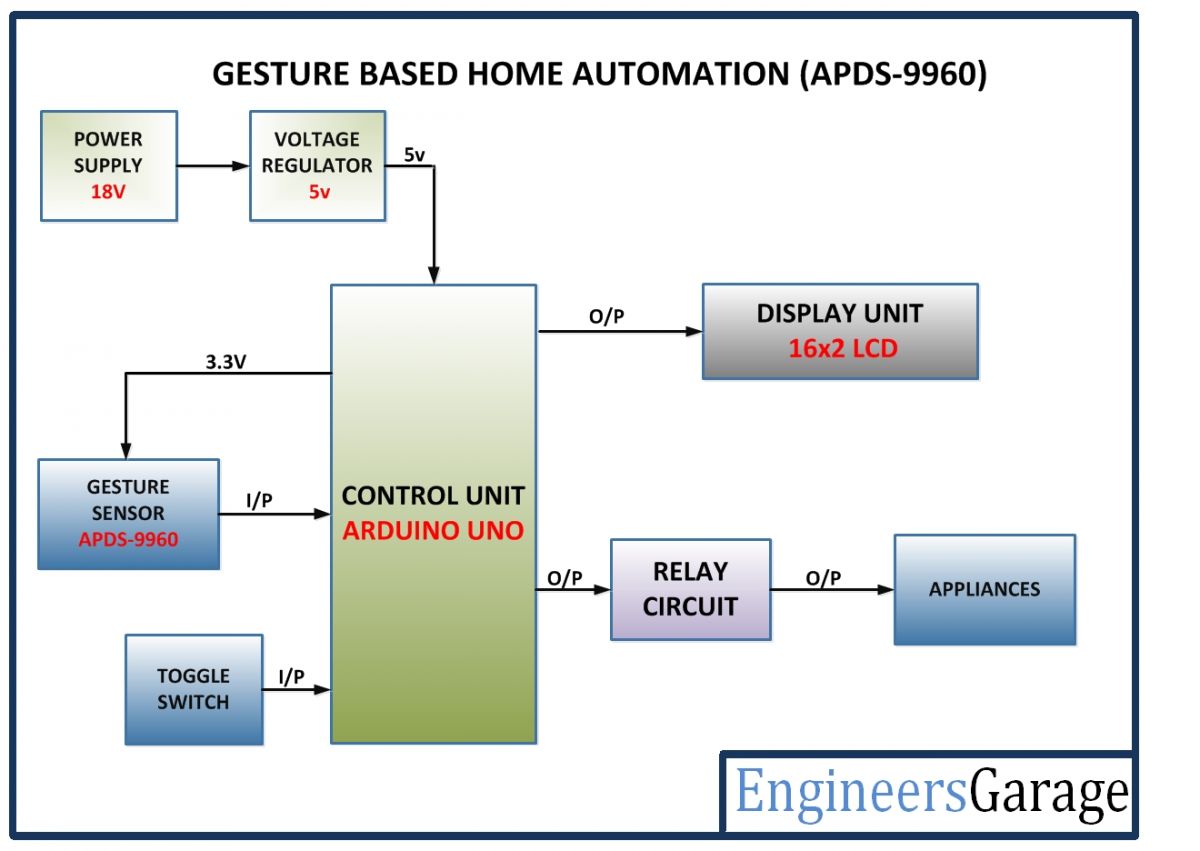
The magic happens with AI interface tech touchless control, which acts as the core processor. It employs machine learning models to analyze gestures in real-time, distinguish precise commands from random movements, integrate with IoT platforms like Amazon Alexa, Google Home, or Apple HomeKit, and execute commands via relay modules or actuators. This deep integration of AI in smart home devices is a key trend, as explored in AI in Smart Home Devices.
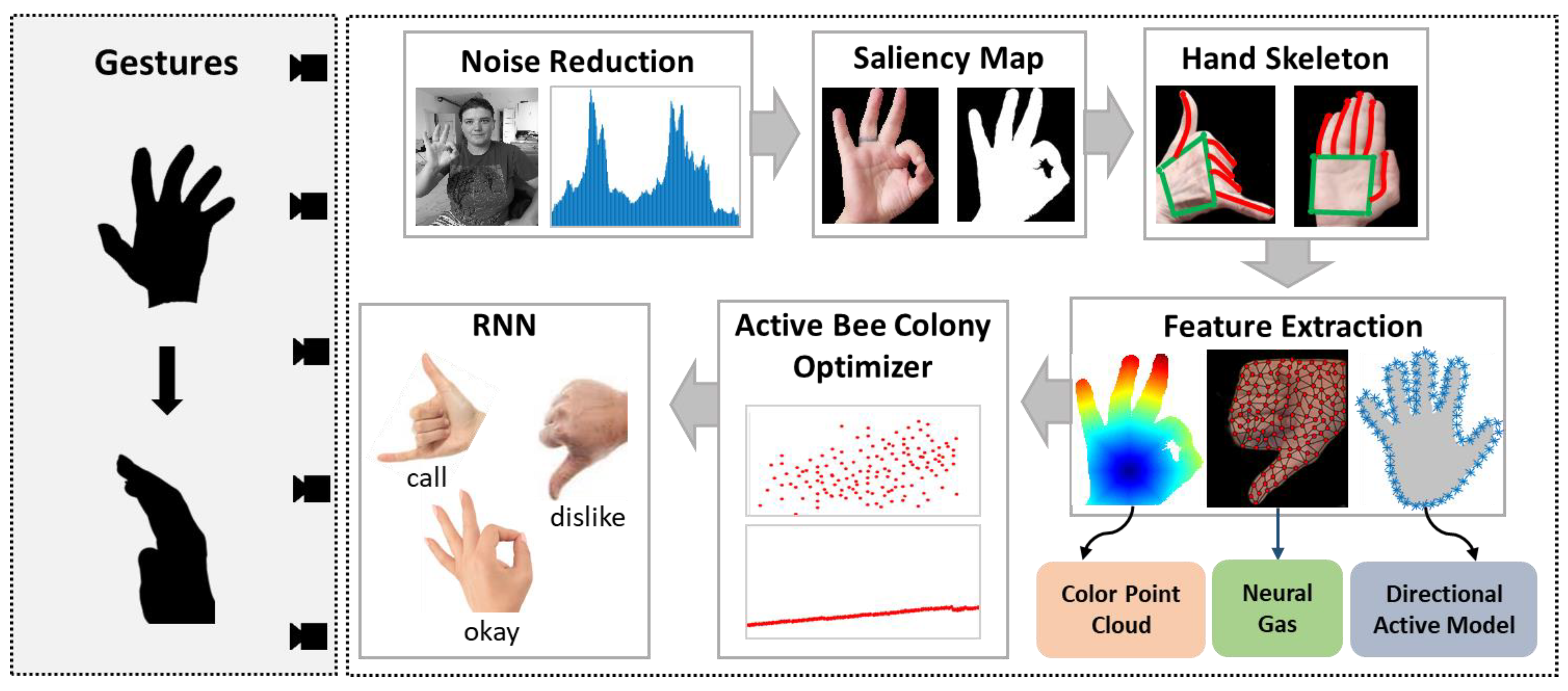
Contextual electronics take this a step further by assessing the state of connected devices. For example, a “goodnight” gesture might only lock doors, dim lights, and adjust thermostats if the lights are on and security is disarmed, creating seamless routines without irrelevant actions. This intelligence is powered by data from sensors and AI algorithms that learn your habits over time.
As noted in industry reports, these systems are not just about detection but about meaningful interaction. Voice and gesture control home automation highlights how AI bridges the gap between human intent and device response, making homes smarter and more responsive.
Real-World Applications Across Your Home
Kitchen and Appliance Control
In the kitchen, under-cabinet sensors allow hands-free timers and controls, perfect for hygiene during cooking. A simple wave can turn lights on or off, dim brightness, or control fans, minimizing contact in food prep areas. This aligns with findings from market research on touchless switches.

Entertainment and Climate Control
Swipe gestures to skip songs on TVs or raise a hand to adjust AC temperature make multitasking effortless—ideal for exercising or meal prep. These applications showcase how smart gesture devices enhance daily convenience, as detailed in gesture control guides.

Security and Smart Access
Gesture controls can lock doors, view camera feeds, or activate alarms. Emerging tech like TCL’s Smart Lock D2 Pro uses palm vein scanning via infrared for touchless entry, featured in Matter innovations at CES 2026. This highlights the convergence of security and gesture technology.
Smart gesture devices include wall-mounted switches from leaders like Hotron and BEA Group, sensor bars for TVs, smart mirror interfaces, and IoT-integrated units compatible with ecosystems like Amazon Alexa, Google Home, and Apple HomeKit. For a broader look, explore the best smart home devices for 2025.
In commercial settings, these systems integrate with building automation for energy management, HVAC, and security, boosting tenant satisfaction by 28% and accelerating residential adoption.
Why Gesture Control Home Systems Are Gaining Popularity
Hygiene Advantage: Post-pandemic, touchless control minimizes contact in kitchens and hospitals, reducing germ spread. Studies show that gesture control systems offer superior hygiene, making them a priority in health-conscious environments.
Accessibility for All: Natural gestures make technology accessible for all ages and abilities, eliminating the need for complex interfaces. As experts note, this inclusivity drives adoption across diverse user groups.
Convenience and Personalization: AI interface tech personalizes experiences through machine learning, adapting to habits like auto-dimming evening lights or learning custom routines for productivity. This creates a tailored home environment that evolves with you.

The “Magic” of Contextual Electronics: Paired with contextual electronics, a single gesture triggers complex scenes—like a wave turning off lights, arming security, and locking doors—fostering a futuristic feel while saving energy. This synergy is detailed in market analyses.
Challenges and Practical Considerations
Cost Barriers: Gesture control home systems cost 3-5 times traditional switches, with retrofits averaging $25,000 per 1,000 sq ft, which may limit initial adoption.
Privacy and Security Concerns: Always-on cameras or sensors pose privacy risks, requiring careful data handling and secure protocols to protect user information.
Learning Curve: Users must learn consistent gestures for reliable operation, which can be a hurdle for some, especially in multi-user households.
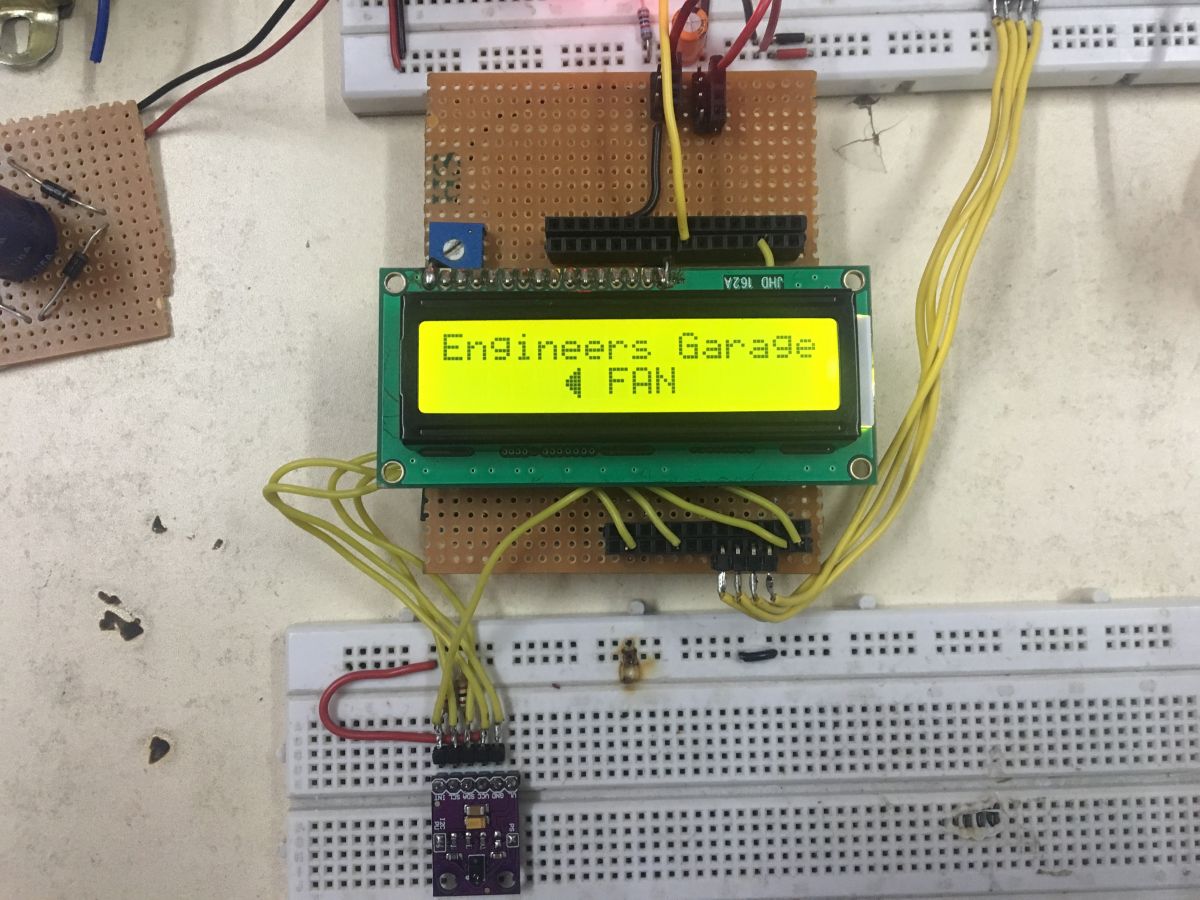
Environmental Limitations: Obstacles like furniture or poor lighting can affect detection accuracy, necessitating thoughtful placement of smart gesture devices.
The Future of Gesture Control Technology
The market is expanding from $572 million in 2024 to $1,042 million by 2034, fueled by post-pandemic hygiene demand and IoT advancements, with North America leading and Asia-Pacific growing fastest.
Emerging Innovations: Convergence with voice control, augmented reality, mmWave presence sensing, and Matter-compatible devices enhances precision through obstacles. For instance, CES 2026 showcased Matter innovations that create multi-interface ecosystems. This is part of the unstoppable rise of AI-powered smart homes.

AI’s Evolving Role: AI interface tech will drive even more intuitive, context-aware interactions as technology matures. To understand this evolution, explore the evolution of smart home technology.
Closing Thoughts & Call to Action
Gesture control home systems, powered by advanced AI interface tech and contextual electronics via innovative smart gesture devices, are shifting from concept to everyday reality, marking a frontier in natural home UI automation.
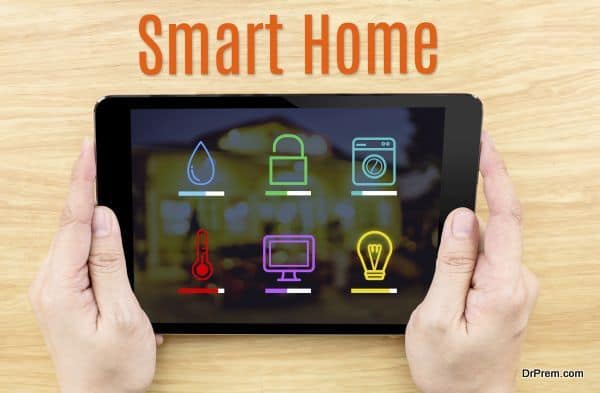
This technology represents a significant leap in intuitive human-computer interaction for the home, positioning you at the cutting edge of new UI tech. We encourage you to explore gesture control options for your home—consider how smart gesture devices might enhance your kitchen, security, or entertainment setups. Stay informed as this rapidly evolving technology becomes more accessible and affordable, and imagine the possibilities of a home that responds to your every move.
Frequently Asked Questions
What are gesture control home systems?
Gesture control home systems are touchless interfaces that use sensors like infrared or ultrasonic to detect hand gestures or body motions, allowing control of home devices without physical contact. They are often integrated with AI for smarter interactions.
How does AI enhance gesture control systems?
AI interface tech touchless control processes gesture data in real-time, using machine learning to distinguish commands from random movements, adapt to user habits, and integrate with IoT platforms for seamless automation.
Are gesture control systems secure and private?
While they offer convenience, privacy risks exist from always-on sensors. It’s crucial to choose systems with robust data encryption and clear privacy policies, and to place sensors thoughtfully to minimize intrusion.
What are some common applications of gesture control in homes?
Common applications include controlling lights and appliances in kitchens, adjusting entertainment systems, managing climate control, and enhancing security through touchless locks or camera feeds.
What is the future outlook for gesture control technology?
The future is bright, with market growth driven by hygiene demand and IoT advancements. Innovations like Matter compatibility and AI-driven contextual electronics will make systems more precise, integrated, and affordable over time.