
Tracking the Rival: What to Expect from the Google Bard Next Update
Estimated reading time: 8 minutes
Key Takeaways
- The Google Bard next update is a strategic push for Gemini, focusing on deep integration and personalized intelligence over raw, standalone power.
- New features like Personal Intelligence and Gemini 3 Pro signal a major leap in conversational AI improvements, making interactions more proactive and context-aware.
- Gemini is carving a unique competitive edge through unparalleled ecosystem integration, especially in education and Google Workspace, setting new benchmarks in chatbot intelligence growth.
- LLM capabilities comparisons are evolving beyond simple benchmarks to consider factors like trustworthiness, grounding, and real-world workflow utility.
- The future of AI assistants is shifting from being the smartest chatbot to becoming the most integrated, reliable, and purpose-built intelligence layer for users’ digital lives.
Table of contents
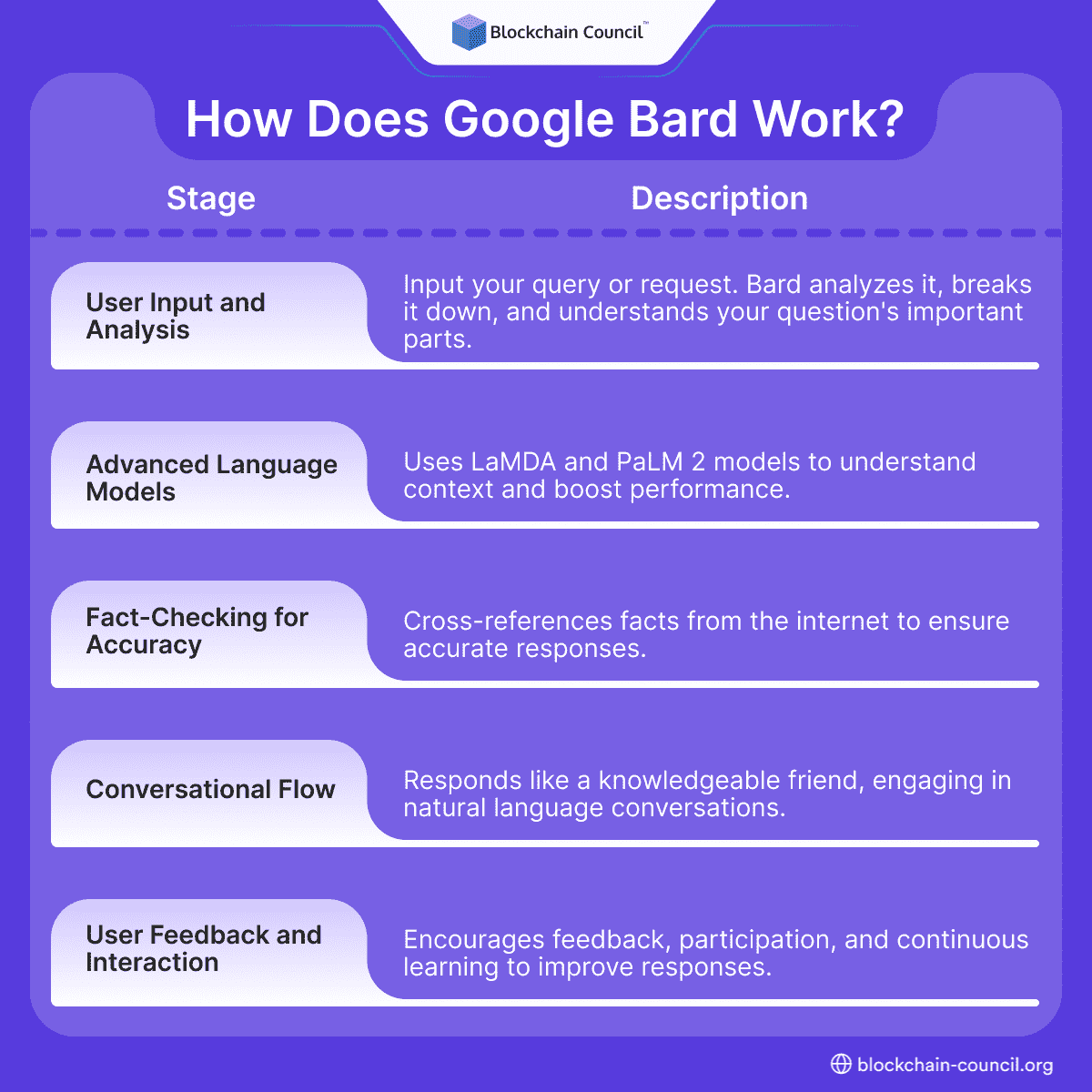
The race in the Large Language Model (LLM) space is intensifying, with every major player vying to deliver the most capable and intuitive AI experience. This makes tracking the Google Bard next update—now fully under the Gemini brand—a pivotal activity for anyone following AI’s rapid evolution. This latest wave of conversational AI improvements isn’t just about incremental tweaks; it’s a strategic repositioning that reveals where intelligent chatbots are headed next.

Deep Dive into Confirmed and Anticipated Gemini Updates
What’s New in Gemini: Key Confirmed Features
The core of the latest Google Bard next update is a move from a helpful tool to a proactive partner. This is embodied by Personal Intelligence, Google’s system that allows users to connect Gemini directly to Gmail, Photos, YouTube, and Search for a more personalized experience (source: https://gemini.google/release-notes/). This represents a fundamental shift toward contextual awareness—Gemini begins to understand not just what you ask, but who you are and what matters to you.
The confirmed features rolling out provide the technical backbone for this vision:
- Gemini 3 Pro: This is the latest reasoning engine, rolling out to all users with state-of-the-art reasoning capabilities. It significantly improves multimodal processing across text, images, audio, and video (source: https://gemini.google/release-notes/). Paid tiers (Google AI Plus, Pro & Ultra plans) receive higher usage limits for these advanced capabilities.
- Visual Layout and Dynamic View (Gemini Labs): These experimental features move beyond text-only responses, generating visually immersive outputs with interactive modules users can customize across multiple conversation turns (source: https://gemini.google/release-notes/).
- Enhanced Workspace Integration: Gemini in Workspace is being made available at no additional cost to more educators and students. Furthermore, Workspace Studio enables users to create and manage AI agents to automate repetitive tasks (source: https://www.edtechinnovationhub.com/news/bett-2026-google-announces-major-ai-updates-to-gemini-and-google-classroom).
- NotebookLM as Grounding Source: NotebookLM documents can now anchor AI outputs to trusted materials within Gemini, reducing hallucinations and ensuring classroom and professional use remains aligned with verified sources (source: https://www.edtechinnovationhub.com/news/bett-2026-google-announces-major-ai-updates-to-gemini-and-google-classroom).
Impact Across Three Dimensions
These updates collectively target three critical dimensions of modern AI:
- Reasoning Depth: Gemini 3 Pro’s improved problem-solving across complex, multimodal scenarios.
- Contextual Relevance: Personal Intelligence’s ability to connect to your digital life, providing proactive assistance.
- Trustworthiness: Grounding mechanisms and watermarking for AI-generated content that actively work to reduce hallucinations.
Together, they address core pain points users and enterprises identified with earlier conversational AI, setting a new bar for what an integrated assistant can do. This naturally leads to broader LLM capabilities comparisons against the competitive field.
LLM Capabilities Comparison—Gemini vs. Competitors
How Gemini Stacks Up: Competitive Positioning
While direct head-to-head benchmarks against ChatGPT and Claude aren’t the focus of Google’s announcements, the strategic positioning in this Google Bard next update reveals clear priorities and differentiators.
| Capability Area | Gemini’s Stance | Competitive Context |
|---|---|---|
| Reasoning | Gemini 3 Pro focuses on “state-of-the-art” reasoning for complex problems. | Positioned as comparable to recent iterations of GPT-4 and Claude, competing on the highest-tier reasoning tasks. |
| Coding | Enhanced coding with Canvas for interactive web app creation. | Canvas integration adds a collaborative dimension rivals are also pursuing, but perception advantage may still lie with specialized tools. |
| Multimodal Processing | Native audio and video reasoning without missing context (e.g., sports form feedback). | Video reasoning remains a key technical differentiator, though competitors are rapidly advancing. |
| Contextual Awareness | Personal Intelligence connects to Gmail, Photos, YouTube, Search, and apps (Calendar, Notes, Tasks, Maps). | A unique advantage through Google’s ecosystem. Rivals lack equivalent depth of native integration. |
| Education-Specific Tools | Writing Coach (grades 7–12), Reading Coach (coming), SAT practice tests, learning standards alignment. | A specialized strength. ChatGPT and Claude are less focused on K-12 institutional workflows and official partnerships. |
| Accuracy & Trustworthiness | SynthID watermarking, NotebookLM grounding, verified partnerships (e.g., The Princeton Review for SATs). | Transparency and verification are emerging as critical differentiators in the battle to reduce hallucinations. |

Where Gemini Pulls Ahead
Gemini’s most formidable moat is its seamless integration with Google’s ecosystem—Workspace, Classroom, and hardware like Chromebooks. This creates a cohesive experience rivals struggle to match. Its education-specific roadmap is unparalleled, featuring deep partnerships like Khan Academy’s Writing Coach and official SAT practice tests embedded directly into the platform.
This ecosystem-centric approach represents a mature phase of chatbot intelligence growth, where value is derived from connection, not just isolated capability. For a broader look at the AI landscape shaping these tools, explore our guide to 10 Cutting Edge AI Technologies Shaping the Future.

Where Work Remains
It’s important to maintain perspective. While coding capabilities are improving, rivals may still hold a perception advantage in specialized developer communities. Furthermore, Gemini’s reasoning improvements are noteworthy, but sustained head-to-head benchmarking against OpenAI’s and Anthropic’s latest models will be the ultimate test of whether “state-of-the-art” translates to measurable, everyday superiority. For context on how other major AI models are evolving, read about Llama 4: Meta’s Groundbreaking AI Model.
Charting the Growth of Chatbot Intelligence
What ‘Intelligence’ Means in Modern Conversational AI
Examining Gemini’s evolution illuminates how rapidly the definition of “intelligence” in conversational AI is expanding. It’s no longer just about retrieving information. Modern intelligence encompasses:
- Reasoning Depth: The ability to decompose complex problems, reason across modalities (text, image, video), and show its work.
- Contextual Coherence: Moving from isolated queries to understanding ongoing conversations, user preferences, and task continuity—exemplified by Personal Intelligence.
- Reduced Hallucination: Grounding mechanisms (NotebookLM, verified partnerships) demonstrate a maturation toward responsible, verifiable intelligence.
- Adaptive Responsiveness: Features like Visual Layout show chatbots evolving from passive responders to interactive collaborators that adjust in real-time to user feedback.
From Early Models to Today: The Evolution Trajectory
Google’s trajectory from Bard to Gemini reflects an industry-wide pattern. Early generations emphasized scale and raw capability breadth. The current updates prioritize conversational AI improvements in depth, seamless integration, and reliability.
The rebrand from “Bard” to “Gemini” was more than semantic; it signaled a commitment to positioning the platform as a comprehensive intelligence layer across all Google products, not just a standalone chatbot. This arc of chatbot intelligence growth mirrors broader trends explored in our article on Explosive AI-Powered Virtual Assistants.
The User Experience—How Conversational AI Improvements Translate to Real Benefits
Technical Improvements Become Tangible User Benefits
The latest conversational AI improvements in the Google Bard next update are impressive on paper, but they only matter if they reshape the user experience in meaningful ways.
Proactive Assistance Through Personal Intelligence
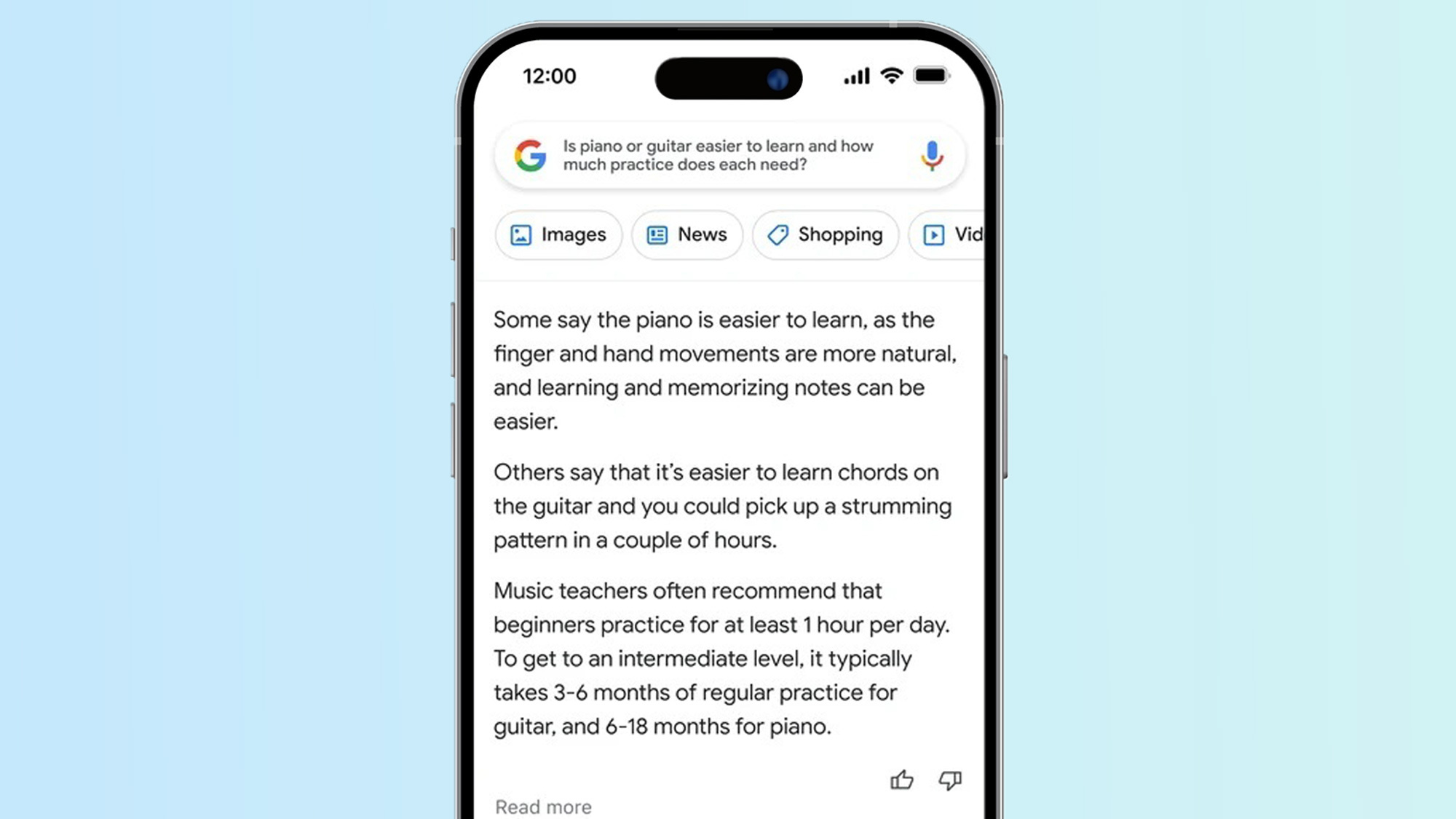
With Personal Intelligence, Gemini can surface relevant information without explicit prompting. Imagine reviewing emails and receiving a synthesized summary of action items, or while planning a trip, having Gemini integrate your calendar availability, saved interests from Photos or YouTube, and real-time search results—all within a single, coherent conversation. This is the evolution from reactive tool to proactive assistant.
Natural Multimodal Dialogue
The ability to upload a video of a tennis swing and ask for feedback showcases a new level of conversational ease. Compared to older models that required cumbersome descriptions, Gemini 3 Pro processes the video natively, making the interaction feel less like “querying a database” and more like consulting a coach. This is a fundamental conversational AI improvement. For a deeper look at how these underlying models are advancing, see GPT-5.1 Conversational AI Improvements.

Interactive Refinement and Collaborative Spaces
Visual Layout and Dynamic View transform static text responses into collaborative canvases. Asking Gemini to “plan a 3-day Rome trip” could return a visual itinerary you can explore, modify, and expand across multiple turns. The conversation becomes a shared workspace, not just a question-and-answer exchange.
Educational Context Awareness
For students and teachers, features like the Writing Coach represent a qualitative shift. It’s designed to guide through thesis development, structure, and revision—not just generate essays on demand. This embeds the chatbot into the learning process as a tutor, rather than positioning it as a replacement for critical thinking.
Long-Context Coherence Across Extended Sessions
Features like Canvas and multi-app reasoning (connecting to Calendar, Notes, Tasks, Maps) demonstrate a vastly improved ability to maintain context across long, complex workflows. This addresses a key weakness of earlier chatbots that struggled with coherence beyond 20 turns. These specific enhancements in the Google Bard next update are critical for professional use. To stay updated on the latest Gemini developments, check our coverage of Google Gemini AI Updates 2025.
The Future Landscape and Call to Action
What This Update Signals About the Future of AI
The portfolio of updates in this Google Bard next update reveals a clear maturation strategy. Google is less about chasing raw capability leaderboards and more about embedding conversational AI into the digital spaces where users already live and work: Gmail, Classroom, Workspace, and Chromebooks. Personal Intelligence and education-specific tools position Gemini not as a better chatbot in a vacuum, but as an intelligence layer that understands you and your institutional context.
The Shift in Competitive Dynamics
The competitive landscape is shifting. The question is evolving from “which LLM is the smartest on a benchmark?” to “whose AI is the most integrated, trustworthy, and purpose-built for my domain?” On this axis, Gemini’s updates represent significant progress in both chatbot intelligence growth and practical conversational AI improvements.
The fierce rivalry between Google, OpenAI, Anthropic, and others continues to be the primary engine of innovation. This competition now demands not just reasoning improvements, but ecosystem thinking, institutional partnerships, and responsible AI practices. Staying informed on LLM capabilities comparisons and future Google Bard next update announcements is key to understanding which tools will become indispensable in our work, education, and creative lives.
Frequently Asked Questions
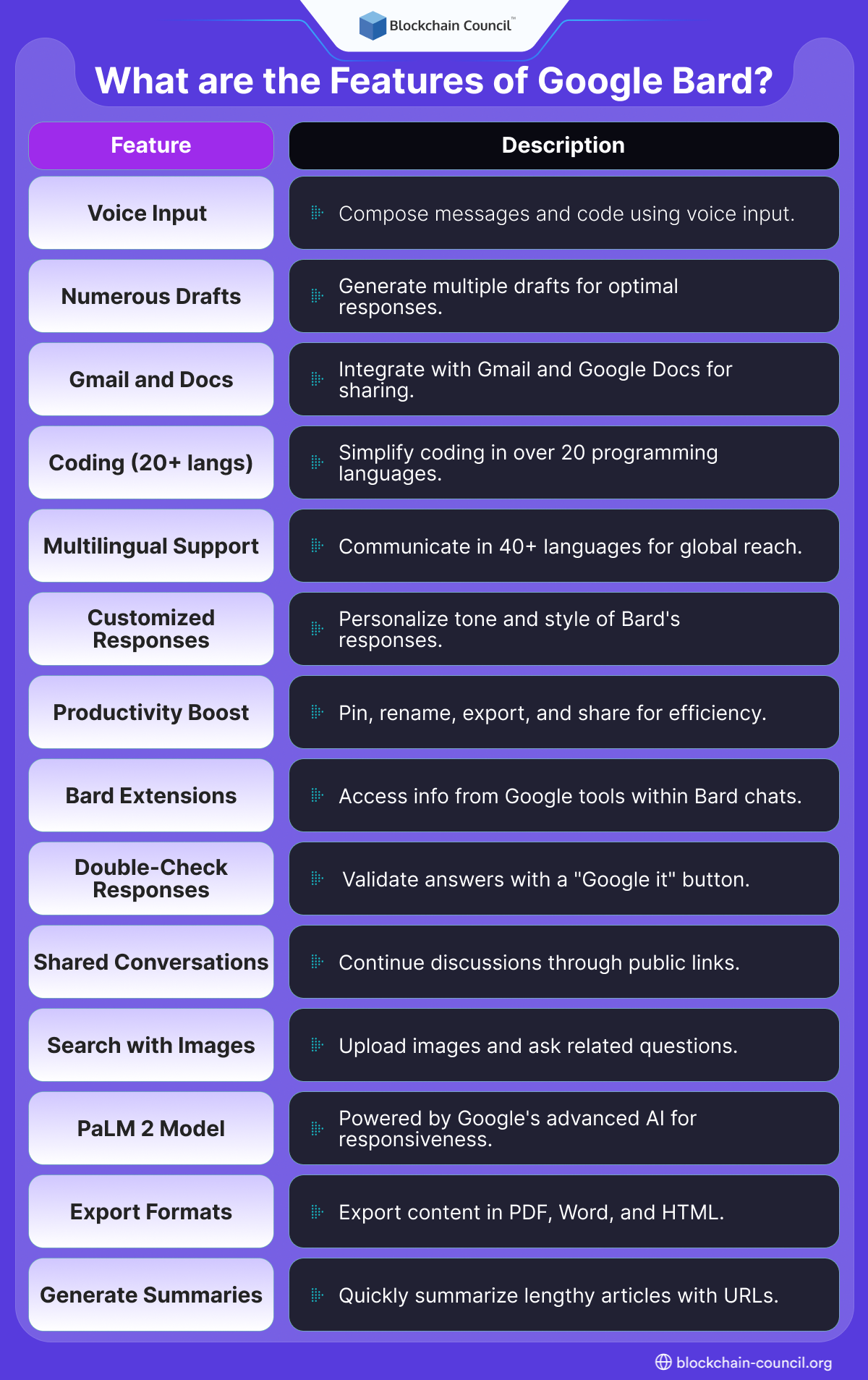
Q: Is Google Bard being discontinued? What’s the difference between Bard and Gemini?
A: Google Bard has been fully rebranded and upgraded to Gemini. Think of it as an evolution: Bard was the initial public experiment, while Gemini is the mature, full-fledged product family with advanced models (like Gemini 3 Pro), deeper integrations, and new frameworks like Personal Intelligence. When people refer to the “Google Bard next update,” they are talking about the latest developments within the Gemini ecosystem.
Q: What is Personal Intelligence, and do I have to use it?
A: Personal Intelligence is Google’s system for allowing Gemini to connect with your consented data from other Google services like Gmail, Photos, and Calendar to provide more relevant, proactive help. Its use is opt-in and controlled by you. You can choose which services to connect and can disable it at any time, maintaining control over your privacy while opting into a more personalized AI experience.
Q: How do the latest Gemini updates compare to ChatGPT-4o or Claude 3.5?
A: Direct, like-for-like benchmarks are complex. However, the latest Google Bard next update positions Gemini uniquely:
- Strengths: Unmatched integration with Google’s ecosystem (Workspace, Android, education tools), strong multimodal video reasoning, and a clear focus on reducing hallucinations through grounding.
- Considerations: ChatGPT may retain an edge in third-party plugin ecosystem breadth and developer community perception for coding, while Claude is often praised for its nuanced writing and long-context handling. The “best” tool increasingly depends on your specific use case and which digital ecosystem you primarily use.
Q: Are the new Gemini 3 Pro and advanced features free?
A: Gemini 3 Pro and core features are rolling out to all users. However, to access higher usage limits for these advanced capabilities (like extended conversations with complex reasoning), you will need a paid Google AI subscription (Plus, Pro, or Ultra plans). Google often provides free tiers with generous limits for standard use.
Q: How does NotebookLM improve Gemini’s accuracy?
A: NotebookLM acts as a “grounding source.” When you connect a NotebookLM document to Gemini, the AI anchors its responses to the verified information within that document. This significantly reduces the chance of the model “hallucinating” or inventing facts, as it’s tethered to your provided source material. This is especially powerful for research, study, and professional work where accuracy is paramount.