
Health Companion Robots: Bridging AI and Compassionate Senior Care
Estimated reading time: 9 minutes
Key Takeaways
- Health companion robots are advanced machines designed for personal interaction, providing assistance, emotional support, and health monitoring, moving beyond science fiction.
- They blend AI and interactive support tech to deliver companionship and practical aid, especially in senior care.
- Core functions include daily task reminders, vital signs monitoring, emergency communication, and cognitive stimulation through engaging activities.
- These robots use machine learning to adapt to individual users, predicting health issues and personalizing interactions for proactive care.
- Real-world examples like ElliQ, Mabu, and Paro show tangible benefits in reducing loneliness, improving medication adherence, and enhancing quality of life for seniors.
- They are part of a broader ecosystem of robotic healthcare gadgets that include smart pill dispensers and telepresence robots for comprehensive care.
- The future promises broader accessibility through telemedicine integration and IoT, making personalized care more sustainable and effective.
Table of contents
- Health Companion Robots: Bridging AI and Compassionate Senior Care
- Key Takeaways
- Introduction: The Rise of Health Companion Robots
- What Are Health Companion Robots? Beyond Science Fiction
- The AI Engine: Smart Capabilities of Senior Care AI Devices
- Interactive Support Tech: Making Robots Engaging and Effective
- Real-World Use Cases and Examples in Senior Care
- The Future: Integration and Broader Impact
- Frequently Asked Questions
Introduction: The Rise of Health Companion Robots
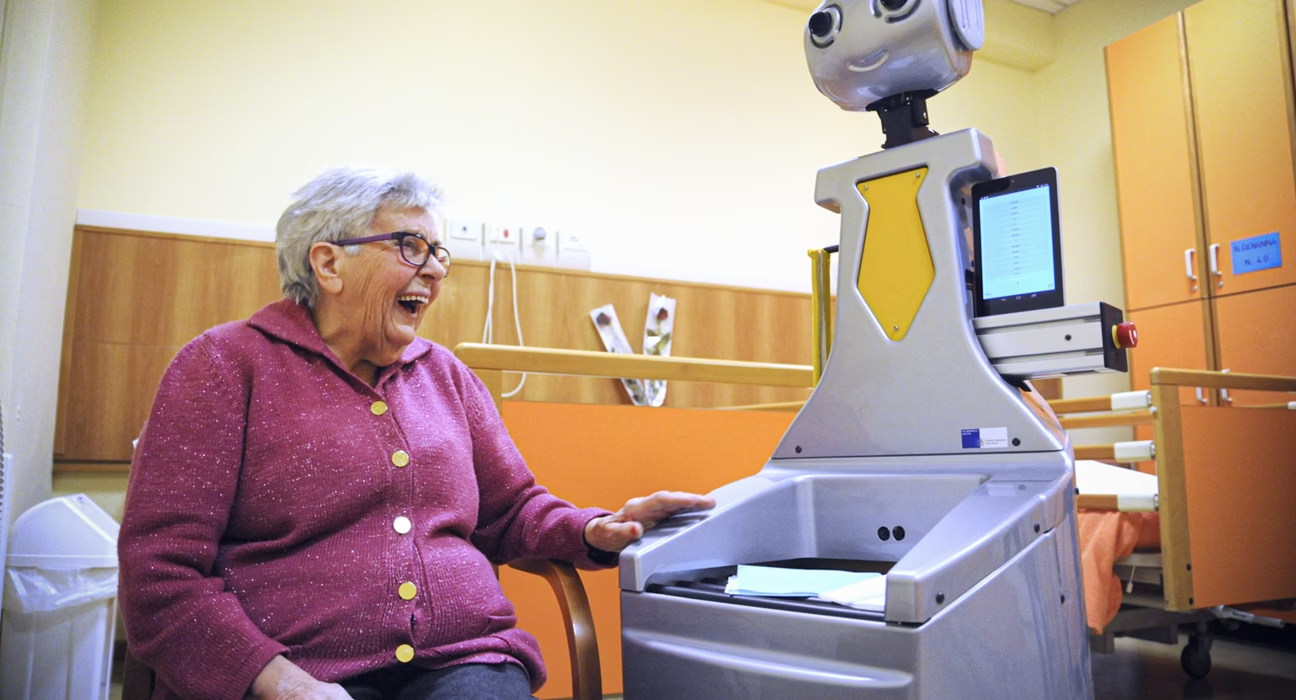
If you’re fascinated by the rapid evolution of health technology, you’re not alone. The field is advancing at breakneck speed to address the growing needs of an aging global population, where the number of people aged 60 and above is expected to double by 2050. At the forefront of this innovation are health companion robots—advanced machines designed for personal interaction, providing assistance, emotional support, and health monitoring beyond science fiction tropes. These robots blend AI and interactive support tech to deliver companionship, monitoring, and practical assistance, particularly in senior care.
In this post, we’ll explore what health companion robots are, how they integrate senior care AI devices and interactive support tech, and why they represent a significant step forward in robotic healthcare gadgets for users watching health tech evolution. Whether you’re a caregiver, tech enthusiast, or simply curious about the future of elderly care, this deep dive promises insights into how these robots offer practical support, especially for seniors.

What Are Health Companion Robots? Beyond Science Fiction
Forget the robotic butlers of movies; today’s health companion robots are grounded in real-world needs. They are advanced machines designed for personal interaction, providing assistance, emotional support, and health monitoring, as highlighted by sources like Meegle and PMC. This is part of the broader revolution of AI in healthcare, where technology is personalized to enhance well-being.
So, what exactly do these robots do? Their core functions include:
- Companionship through conversation: Engaging users in dialogue to combat loneliness and provide social interaction.
- Daily task reminders: Such as medication intake, appointments, or meal times, ensuring adherence to routines.
- Basic vital signs monitoring: Tracking heart rate, activity levels, or sleep patterns via built-in sensors.
- Emergency communication links: Connecting to caregivers or providers in case of falls or health emergencies, as seen in platforms like ElliQ.

Positioned as a proactive solution within the ecosystem of robotic healthcare gadgets, these robots offer more than passive monitoring. They learn from user interactions and integrate with IoT devices like smart home systems for seamless home management—for example, automatically adjusting lights or thermostats based on user needs. This transforms them from simple tools into dynamic partners in care, aligning with the proactive approach needed for modern senior care.
The AI Engine: Smart Capabilities of Senior Care AI Devices
What separates simple robotic healthcare gadgets from true companions? Intelligence. This is where senior care AI devices shine, powered by machine learning algorithms that adapt to individual users over time, as detailed by Meegle and exemplified in robots like Mabu. These capabilities are among the 10 Cutting Edge AI Technologies Shaping the Future, driving personalized care forward.
Let’s break down the specific AI capabilities:
- Learning daily routines: Such as wake-up times or meal schedules, to provide timely reminders and support.
- Recognizing changes in behavior or speech: Like slower responses indicating fatigue or depression, allowing for early intervention.
- Predicting potential health issues: Through continuous monitoring of patterns, such as irregular activity that might signal a fall risk.
- Personalizing interactions: Remembering preferences for conversation topics or reminder tones to build rapport and trust.

In action, this means tailored check-ins with questions like “How are you feeling today?”, vital sign analysis to detect anomalies like elevated heart rates, and predictive alerts for issues like potential falls based on gait analysis. For instance, Mabu conducts daily AI-driven check-ins for chronic patients, blinking and making eye contact for personalized conversations on symptoms. This transforms passive tools into dynamic partners that improve chronic illness management (e.g., diabetes tracking) and emotional well-being by responding empathetically to user moods, as shown in studies from DU News.
Interactive Support Tech: Making Robots Engaging and Effective
But intelligence alone isn’t enough; interactive support tech is what makes these robots engaging and effective. This technology includes voice recognition to understand natural speech commands, conversational AI for back-and-forth dialogues (like chatting about weather or memories), touch screens for visual menus, expressive movements such as nodding or gesturing, and even pet-like responses to touch and sound—think purring or lighting up. Sources like ACHE-CAHL and FIU News highlight how this interactivity fosters natural engagement.
The benefits are profound:
- Humanoid forms build trust: Via face-to-face mimicry of expressions, making interactions feel more genuine.
- Combats loneliness: By simulating social presence, which is crucial for seniors living alone.
- Stimulates cognitive activity: With games like trivia or memory exercises, or physical exercises like guided stretches.
- Boosts adherence to health routines: By making interactions enjoyable rather than clinical, encouraging daily use.
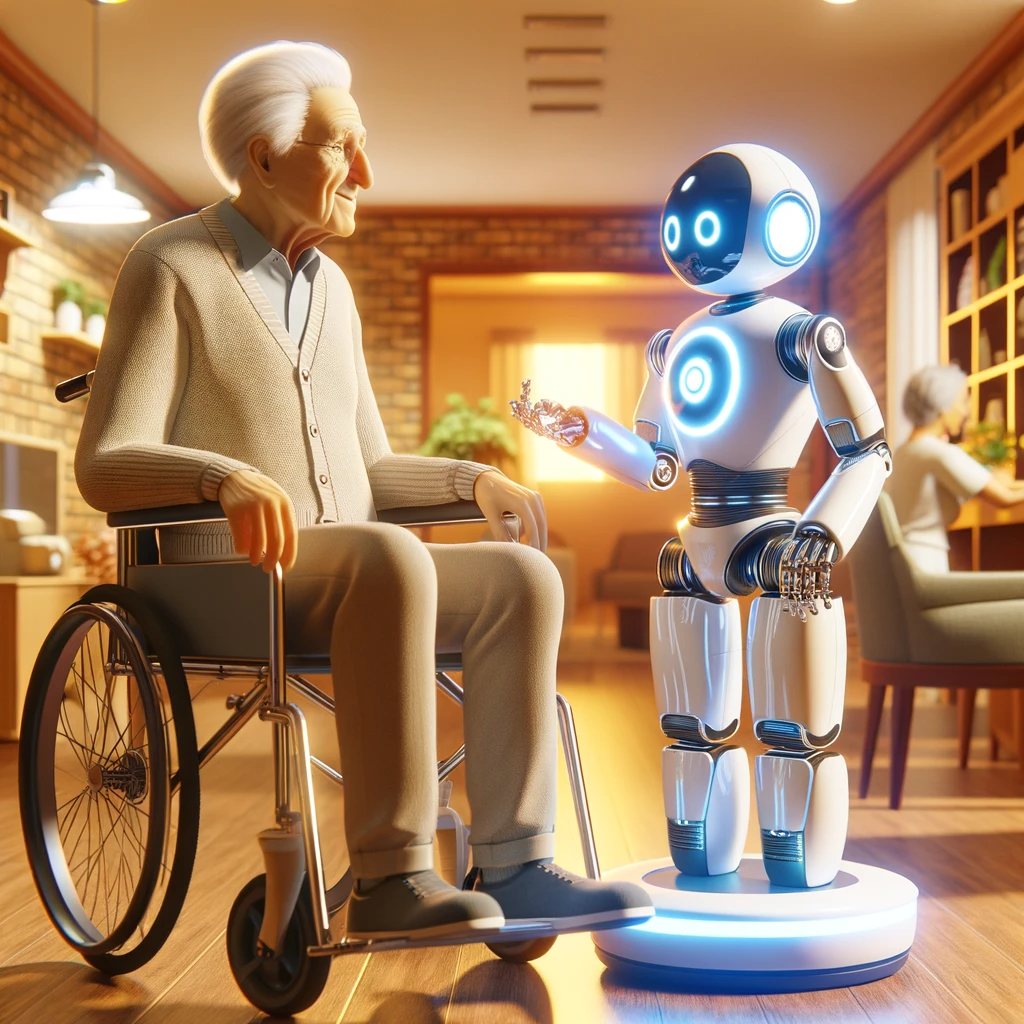
Real user outcomes back this up: seniors report higher social engagement, reduced anxiety, and proactive use of devices, as the engaging design encourages daily interaction over passive monitoring. For example, in trials with robots like ElliQ, users found themselves looking forward to interactions, turning health management into a social experience rather than a chore.
Real-World Use Cases and Examples in Senior Care
To ground this discussion, let’s look at practical use cases for health companion robots in senior living facilities and home care environments. These robots synthesize concepts by using senior care AI devices for medication management (e.g., voice reminders with verification), fall detection via motion sensors with instant alerts, connecting with family through video calls, and cognitive stimulation via games, as seen in FIU News and ElliQ.

Here are some standout examples:
- ElliQ: Delivers medication reminders, exercise suggestions like daily walks, pain tracking through voice queries, and family connections via voice commands. Its wellness programs include proactive check-ins that adapt to user moods.
- Mabu: Conducts daily AI-driven check-ins for chronic patients, using blinking and eye contact for personalized conversations on symptoms, making it a companion for health management.
- Paro: A seal-like therapeutic robot that reduces stress and loneliness through sensory interactions like hugging or petting, widely used in eldercare facilities.
- Ryan: Aids Alzheimer’s patients with social support like reminiscence therapy and cognitive stimulation through interactive prompts, as detailed by DU News.

Complementing these are other robotic healthcare gadgets like smart pill dispensers that dispense exact doses with alerts, Robear for safe patient lifting to prevent injuries, or telepresence robots for remote consultations and mobility assistance. These devices enhance the ecosystem for comprehensive fall detection, mobility support, and family monitoring. They are part of the wave of wearable health gadgets and fit into the larger trend of unstoppable AI-powered smart homes, creating a seamless care network.
The Future: Integration and Broader Impact
Health companion robots represent a convergence of compassionate design and advanced technology through senior care AI devices and interactive support tech. They empower seniors to age independently at home while providing peace of mind to families by reducing isolation and health risks, as noted by Meegle and PMC. Their role in the ongoing health tech evolution promises broader accessibility through advanced diagnostics like real-time health data analysis, telemedicine integrations for doctor visits, and IoT for whole-home care.
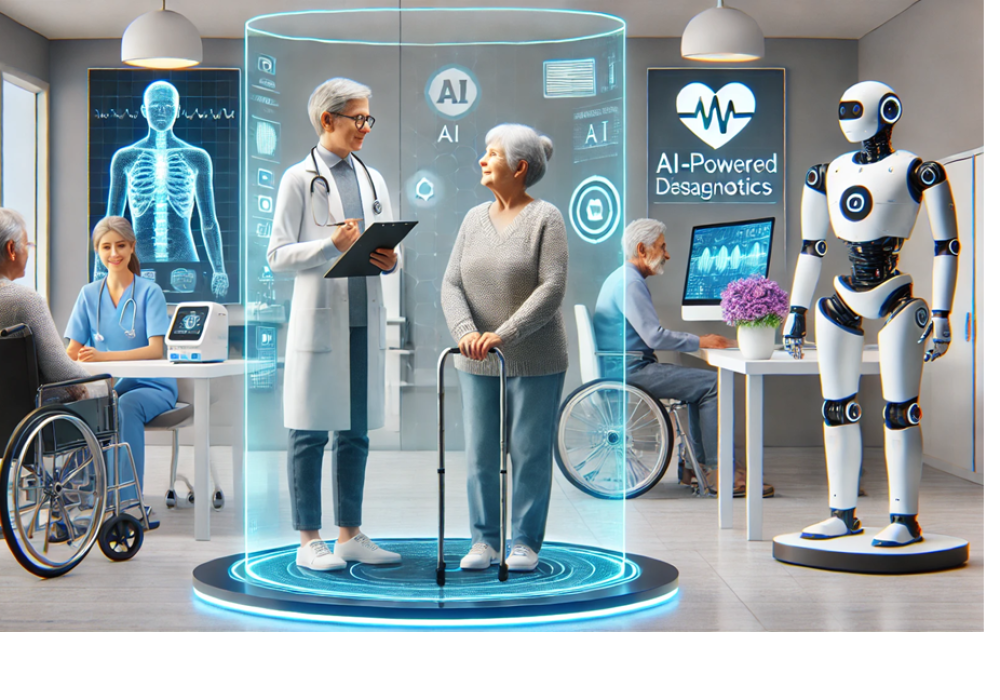
As these robots continue to evolve, they will make personalized, supportive care more accessible—imagine robots that can coordinate with revolutionary AI medical breakthroughs for early disease detection or integrate with smart cities for emergency response. This isn’t just about technology; it’s about enhancing human dignity and quality of life for aging populations worldwide.

Frequently Asked Questions
What are health companion robots, and how do they differ from other robotic healthcare gadgets?
Health companion robots are advanced machines designed for personal interaction, providing assistance, emotional support, and health monitoring. Unlike other robotic healthcare gadgets that may focus solely on tasks like dispensing medication or lifting patients, companion robots emphasize engagement and adaptability through AI and interactive tech, making them more holistic care partners.
How do senior care AI devices in these robots improve health outcomes?
Senior care AI devices use machine learning to learn user routines, recognize behavior changes, predict health issues, and personalize interactions. This leads to proactive care—for example, alerting caregivers to potential falls or medication non-adherence—which can prevent emergencies and improve chronic disease management.
Can health companion robots really reduce loneliness in seniors?
Yes, studies and user reports indicate that interactive support tech, such as conversational AI and expressive movements, fosters social engagement. Robots like Paro or ElliQ provide companionship through dialogue and activities, reducing feelings of isolation and anxiety, which is critical for mental health in aging populations.
What are some real-world examples of health companion robots in action?
Examples include ElliQ for medication reminders and family connections, Mabu for chronic condition check-ins, Paro for therapeutic interaction in eldercare facilities, and Ryan for supporting Alzheimer’s patients with cognitive stimulation. These robots are already being used in homes and care settings worldwide.
How do these robots integrate with other smart home or healthcare systems?
They often connect via IoT to smart home devices (e.g., adjusting lights or thermostats) and healthcare systems (e.g., syncing vital data with electronic health records). This integration allows for seamless care, such as automatic emergency alerts or coordinated routines with other robotic healthcare gadgets like smart pill dispensers.
Are health companion robots affordable and accessible for average consumers?
While costs vary, prices are decreasing as technology advances. Some models are available through insurance or care programs, and broader adoption is expected to drive affordability. As part of the health tech evolution, efforts are underway to make these robots more accessible through subsidies or rental models.
What does the future hold for health companion robots?
The future includes advanced diagnostics, deeper telemedicine integration, and enhanced AI for more empathetic interactions. They will likely become standard in senior care, supporting aging-in-place initiatives and complementing trends like wearable health gadgets and AI-powered smart homes for comprehensive wellness.