
The Humane AI Pendant and the Evolution of Wearable AI
Estimated reading time: 10 minutes
Key Takeaways
- The Humane AI Pendant represents a pivotal chapter in wearable AI history—a cautionary tale that shaped the future of screenless computing.
- Its failure highlighted critical gaps in voice command interface reliability and real-world usability for wearable ai tools.
- Privacy-centered wearables remain a key trend, but must balance data protection with seamless functionality to succeed.
- The market evolved rapidly, with Ray-Ban Meta Glasses capturing dominance and new form factors like Motorola’s AI necklace emerging.
- Lessons learned include the necessity of clear use cases, ecosystem integration, and battery life over mere innovation.
Table of contents
- The Humane AI Pendant and the Evolution of Wearable AI
- Key Takeaways
- What Was the Humane AI Pendant? The Vision & The Reality
- The Core Appeal—Why the Vision Mattered
- Privacy as the Differentiator—The Promise of Privacy-Centered Wearables
- What Went Wrong—Market Reality vs. Vision
- The End of an Era—What Happened to Humane
- The Market Didn’t Stop—It Evolved
- Ray-Ban Meta Glasses—The Market Winner
- Motorola’s AI Necklace & the Pendant Renaissance
- Other Emerging Form Factors
- The Next Wave—What’s Coming
- What the Humane AI Pendant Failure Taught Us—Lessons for Privacy & Wearable Design
- Frequently Asked Questions
The Humane AI pendant didn’t revolutionize personal technology as promised. Instead, it became a defining lesson in the evolution of wearable AI—a screenless dream that exposed the harsh realities of market adoption and design execution. This story isn’t about a triumphant global launch; it’s about a pivotal learning moment that continues to shape the screenless computing trend and the quest for privacy-centered wearables. Understanding the rise and fall of Humane is essential for anyone exploring the future of wearable ai tools today.

What Was the Humane AI Pendant? The Vision & The Reality
Imagine a device that clips to your clothing, replacing your smartphone with a whisper. That was the ambitious vision behind the Humane AI Pin (often called a pendant)—a screenless wearable designed to interact through voice alone. Its core innovation was a voice command interface that allowed users to make calls, send messages, perform searches, and get translations without ever touching a screen.

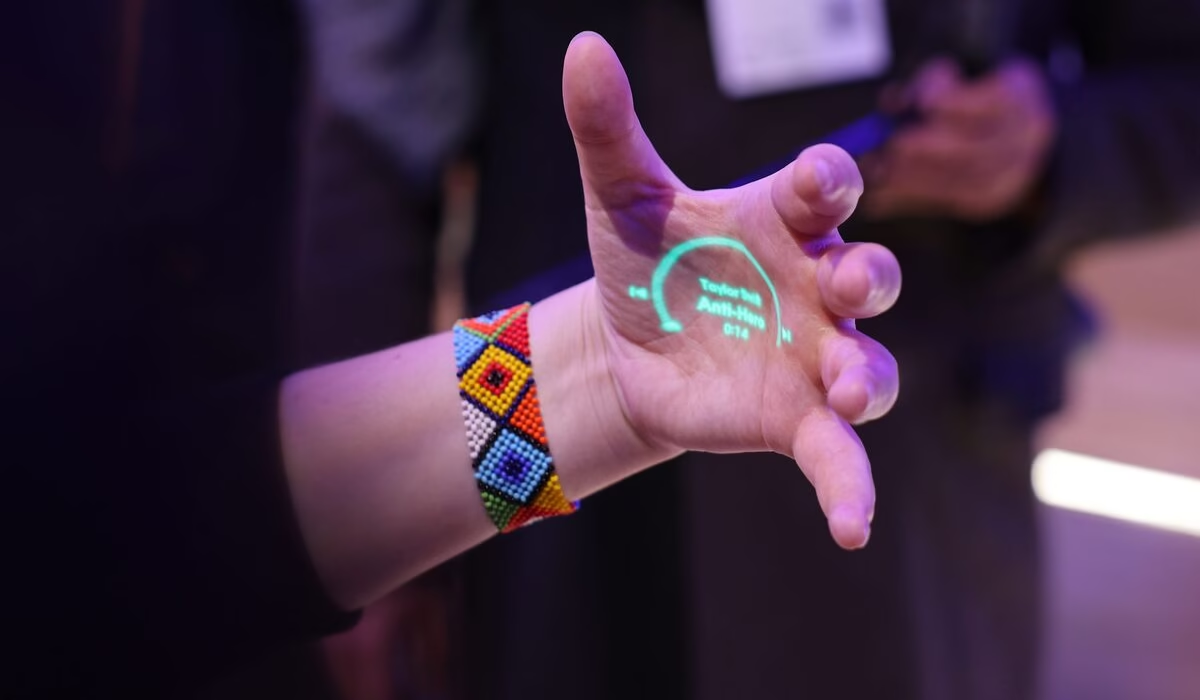
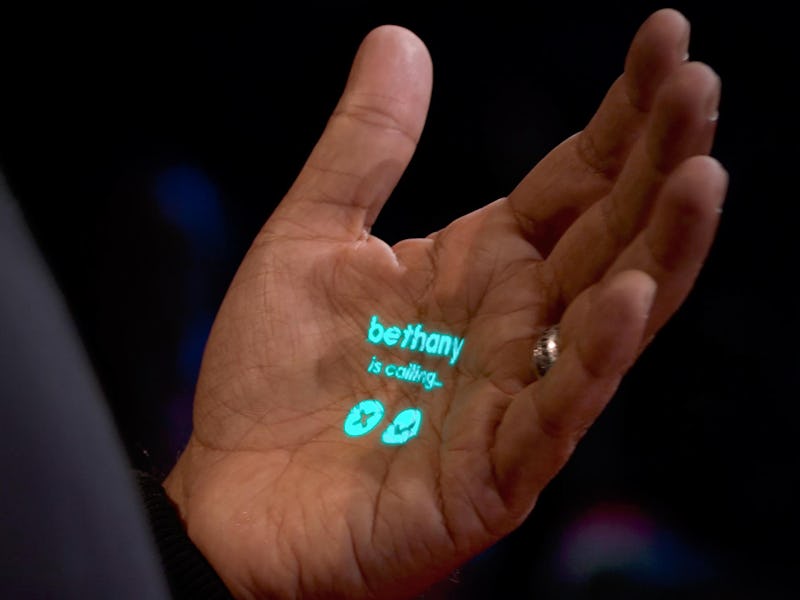
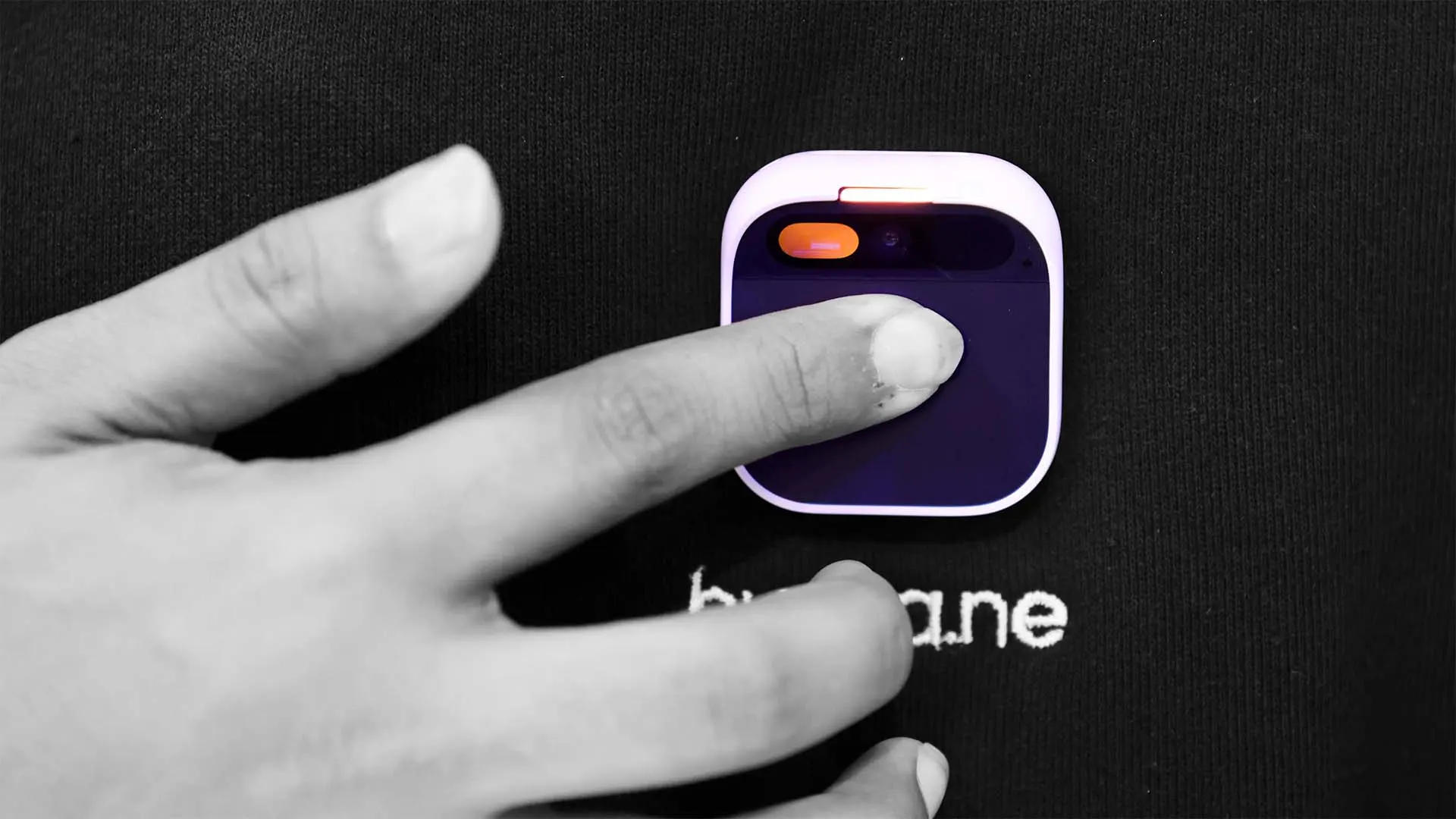
Physically, it featured a laser projector that could display information onto your palm, positioning it as a futuristic take on ambient computing. The company behind it, Humane, raised a staggering $240 million and positioned itself as the vanguard of the screenless computing trend. Launched in early 2024 with significant buzz, it promised to redefine how we interact with technology. Yet, as wearable ai tools evolve, this vision quickly collided with reality.
The Core Appeal—Why the Vision Mattered
At its heart, the Humane pendant tapped into a growing desire to reduce smartphone dependency. The philosophy of screenless, ambient computing promised hands-free, eyes-free operation during daily activities—cooking, driving, or simply walking down the street. A reliable voice command interface meant less screen time, fewer distractions, and more presence in the real world.
Early adopters and tech enthusiasts were captivated by this potential. It aligned perfectly with the broader screenless computing trend, which seeks to integrate technology seamlessly into our lives without constant visual engagement. As explored in wearable ai tools, the appeal lies in intuitive interaction that doesn’t trap us in a glowing rectangle.
“The goal was to create technology that fades into the background, empowering rather than interrupting,”—a sentiment that echoed through Humane’s marketing.
Privacy as the Differentiator—The Promise of Privacy-Centered Wearables
In an era of data breaches and surveillance concerns, Humane positioned privacy as its cornerstone. The device was marketed as a privacy-centered wearable, addressing fears around always-on, always-listening gadgets. Key features included:
- Local processing to minimize data transmission to the cloud.
- A physical “privacy light” that indicated when the device was recording.
- User-controlled data settings and no requirement for a wake word, reducing ambient listening.

This focus on privacy was a major selling point, differentiating it from other wearable ai tools. As noted in product design insights, Humane aimed to build trust through transparency. However, privacy alone couldn’t carry the device when core functionality faltered.
What Went Wrong—Market Reality vs. Vision
The dream soon unraveled. Sales performance was dismal: against a target of 100,000 units, only approximately 10,000 were sold. Between May and August 2024, more AI Pins were returned than purchased, signaling a crisis. Reviews were devastating, criticizing practicality, accuracy of the voice command interface, and real-world usability.
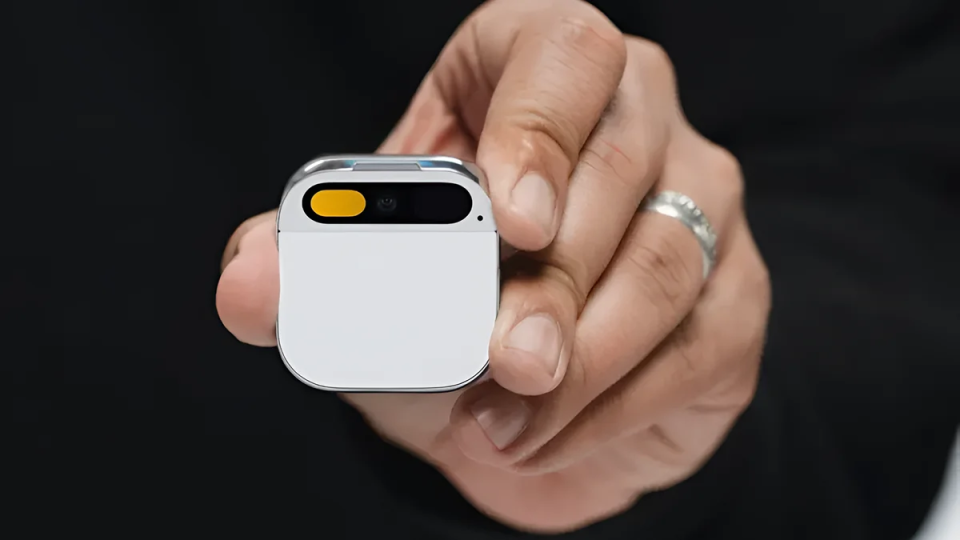
Users found the laser projector finicky, the voice recognition slow and error-prone, and the battery life inadequate. The screenless computing trend faced its first major test, and Humane failed to deliver a seamless experience. As one reviewer put it, “The future isn’t here yet.”
The End of an Era—What Happened to Humane
By February 2025, Humane ceased operations. The shutdown was gradual:
- Device failures and mounting returns plagued 2024.
- HP acquired Humane’s assets for $116 million—less than half the $240 million raised.
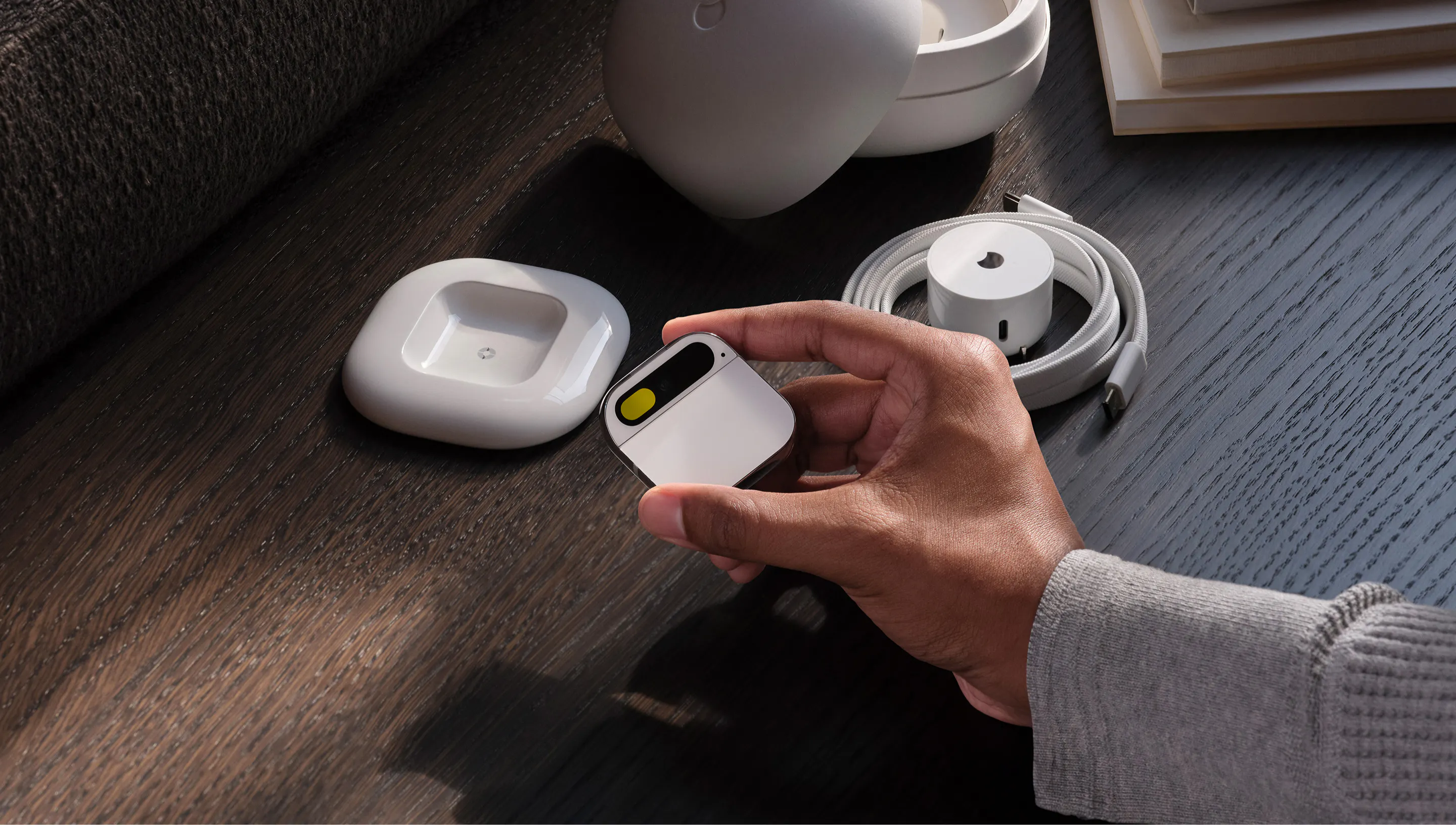
- All remaining AI Pins were permanently disabled, becoming e-waste.
- Only recent purchasers received 90-day refunds, as detailed in reports.
This collapse revealed the harsh challenges for hardware-based AI startups: consumer adoption requires flawless execution, and even groundbreaking ideas can falter without it.
The Market Didn’t Stop—It Evolved
While the Humane pendant failed, the broader market for wearable ai tools charged ahead. Its failure created space for competing approaches and form factors, proving that innovation often learns from missteps.
Ray-Ban Meta Glasses—The Market Winner
Ray-Ban Meta glasses emerged as the dominant player, capturing 66% of the smart glasses market and selling 3.5 million units in 2025. They succeeded where Humane struggled by offering a natural form factor integrated into daily habits—think navigation, photography, and video calls. Their voice command interface works seamlessly with Meta’s AI, providing visual feedback through a subtle display. This aligns with the screenless computing trend but with practical usability, as seen in wearable ai tools evolution.
Motorola’s AI Necklace & the Pendant Renaissance
Pendants haven’t disappeared; they’ve evolved. Motorola’s AI necklace (via Lenovo) is a modern take, featuring voice commands for the AI assistant Qira and positioning as a hands-free alternative. As reported, this reflects lessons from Humane: refined voice command interface technology, clearer use cases, and better ecosystem integration. The screenless computing trend continues, but with smarter execution.

Other Emerging Form Factors
The landscape is diversifying rapidly:
- AI rings from startups focusing on discreet control.
- Companion medallions like those from iBuddi for child safety.
- Pins and clips from emerging companies, each with unique approaches to voice command interface.
This fragmentation shows market learning: no single form factor fits all, and the screenless computing trend thrives on variety, as highlighted in wearable ai tools insights and tech show reports.
The Next Wave—What’s Coming
Major players are entering the fray, signaling that wearable AI is far from dead. OpenAI and designer Jony Ive are collaborating on a premium device expected to launch soon, while Apple is rumored to be developing an AI pin for release as early as next year, as noted. These entrants learn from Humane’s mistakes: better hardware-software integration, clearer value propositions, and stronger ecosystem support. The screenless computing trend is evolving, informed by cautionary tales.

What the Humane AI Pendant Failure Taught Us—Lessons for Privacy & Wearable Design
The Humane story offers critical insights for the future of wearable ai tools:
- Voice accuracy matters more than features: A voice command interface must be genuinely reliable for adoption.
- Privacy-centered design is necessary but not sufficient: While privacy-centered wearables are vital, they can’t compensate for poor core functionality.
- Use case clarity is critical: Users need compelling reasons to adopt new form factors.
- Ecosystem integration is essential: Standalone devices often fail; successful wearables connect seamlessly with broader tech environments.
- Battery life and reliability trump innovation: A device that dies mid-day defeats all other advantages.
Frequently Asked Questions
What was the Humane AI Pendant?
The Humane AI Pendant was a screenless wearable device designed to replace smartphone interaction through a voice command interface and laser projector. It aimed to pioneer the screenless computing trend but failed due to usability issues.
Why did the Humane AI Pendant fail?
It failed due to poor sales (only 10,000 units sold), high return rates, unreliable voice commands, and impractical design. Market reality didn’t match the vision, as detailed in reports.
What are privacy-centered wearables?
These are wearable devices, like the Humane pendant, designed with built-in data protection features such as local processing and privacy indicators. They address growing concerns in the wearable ai tools space.
What is the screenless computing trend?
It’s a movement toward technology that minimizes screen use, relying instead on voice, gesture, or ambient interfaces for interaction. The trend is evolving with devices like Ray-Ban Meta Glasses.
What wearable AI tools are successful today?
Ray-Ban Meta Glasses dominate the market, while Motorola’s AI necklace and various AI rings represent emerging successes. These wearable ai tools learn from past failures.
What lessons were learned from the Humane AI Pendant?
Key lessons include the need for reliable voice interfaces, clear use cases, ecosystem integration, and balancing privacy with functionality in wearable ai tools.