

The India-Europe AI Ecosystem: Forging a Sovereign Path in a US-China Dominated World
Estimated reading time: 12 minutes
Key Takeaways
- The global AI landscape is a US-China duopoly, controlling over 90% of advanced capabilities and creating significant risks in data security and economic dependency for other nations.
- The india europe ai ecosystem is a strategic, high-level partnership born from summits in early 2026, designed to build joint technological sovereignty.
- This partnership is built on a foundation of a sovereign ai stack—a complete, self-reliant framework for AI models, hardware, and data governance.
- Two critical pillars support this vision: foundational chip collaboration to secure hardware supply chains and deep software cooperation to drive innovation in open-source frameworks and sectoral projects.
- The roadmap points towards tangible tech independence 2026, marked by operational joint centers, pilot projects, and the implementation of landmark agreements like the EU-India FTA.

Table of contents
- The India-Europe AI Ecosystem: Forging a Sovereign Path in a US-China Dominated World
- Key Takeaways
- Introduction: A New Axis of AI Power
- The Sovereign AI Stack: Foundation of the Partnership
- Deconstructing the India-Europe AI Ecosystem
- Pillar 1: Foundational Hardware – The Critical Role of Chip Collaboration
- Pillar 2: The Innovation Engine – Deepening Software Cooperation
- The Roadmap to Tech Independence 2026
- Frequently Asked Questions
Introduction: A New Axis of AI Power
The narrative of global artificial intelligence has long been dominated by a stark duopoly. The United States and China collectively command over 90% of the world’s advanced AI capabilities, from foundational models and cutting-edge research to the semiconductor supply chains that power them. This concentration of power isn’t just about market share; it creates profound risks for other nations—vulnerabilities in data security, leverages in economic negotiations, and a troubling technological dependency that can compromise strategic autonomy. This reality has spurred a global search for alternatives, evident in Europe’s urgent push for “technological sovereignty” and India’s rising leadership in the Global South.

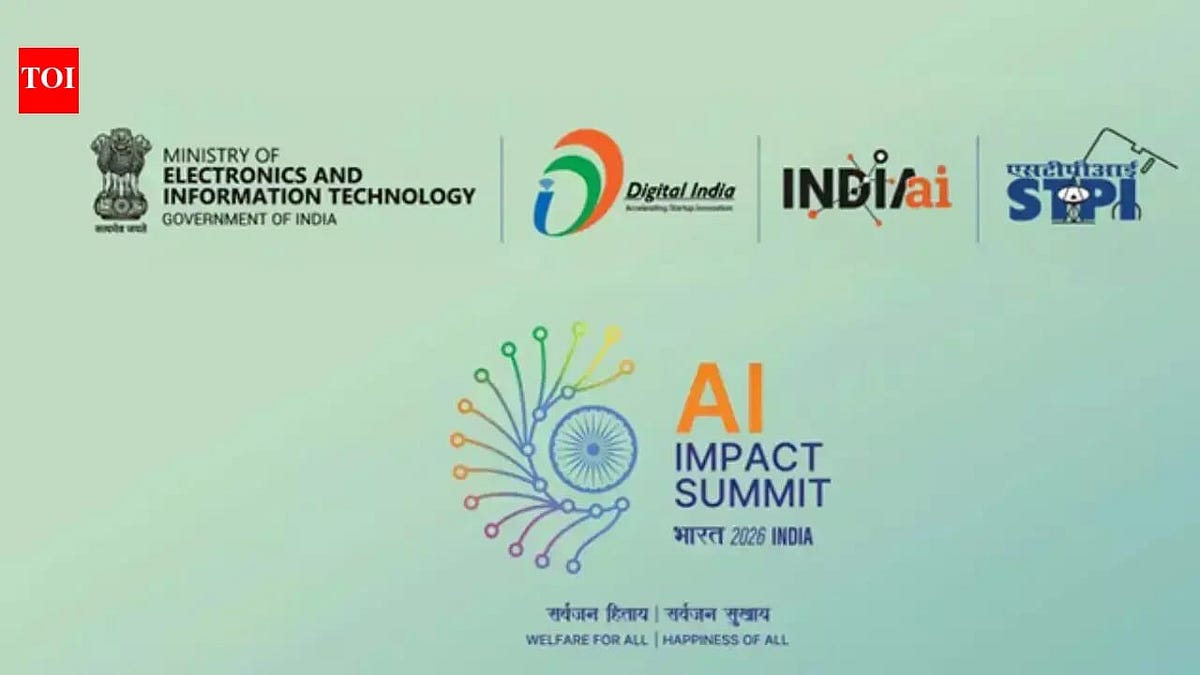
From this crucible of necessity, a deliberate and powerful strategic partnership has emerged: the india europe ai ecosystem. Catalyzed by high-level diplomacy and concrete agreements in early 2026, this alliance represents a concerted effort to forge an independent pathway in the digital age. The centerpiece was the India AI Impact Summit 2026 (February 16-20, New Delhi), which featured the largest-ever European delegation from 26 nations. The summit culminated in a Leaders’ Declaration, endorsed by EU’s Commissioner for Innovation, Research, Culture, Education and Youth, Henna Virkkunen, committing both sides to ensuring shared AI benefits for humanity and countering the prevailing duopoly.
This india europe ai ecosystem is not merely a dialogue; it is a practical framework for achieving joint tech sovereignty and systematically reducing dependencies on US and China-controlled technologies. This post will explore precisely how this partnership is building that independent future through a collaborative sovereign ai stack, strategic chip collaboration, deep software cooperation, and a clear trajectory toward tech independence 2026. This ambitious endeavor is a prime example of the broader, transformative shifts in How AI is Changing the World.
At the heart of this alliance lies a bold vision: to control their own digital destinies. Let’s delve into the foundational concept making this possible.
The Sovereign AI Stack: Foundation of the Partnership
So, what exactly is a sovereign ai stack? It is a complete, self-reliant technology framework encompassing large-scale AI models, the underlying hardware, software ecosystems, robust data governance, and security protocols. It allows a nation or region to develop, deploy, and evolve its AI capabilities without being beholden to external technological giants. For Europe and India, this is explicitly tied to developing “sovereign” large-scale AI models and reducing critical vulnerabilities in security, data ownership, and the pace of technological evolution.
The motivations for this sovereign push are powerful and complementary:
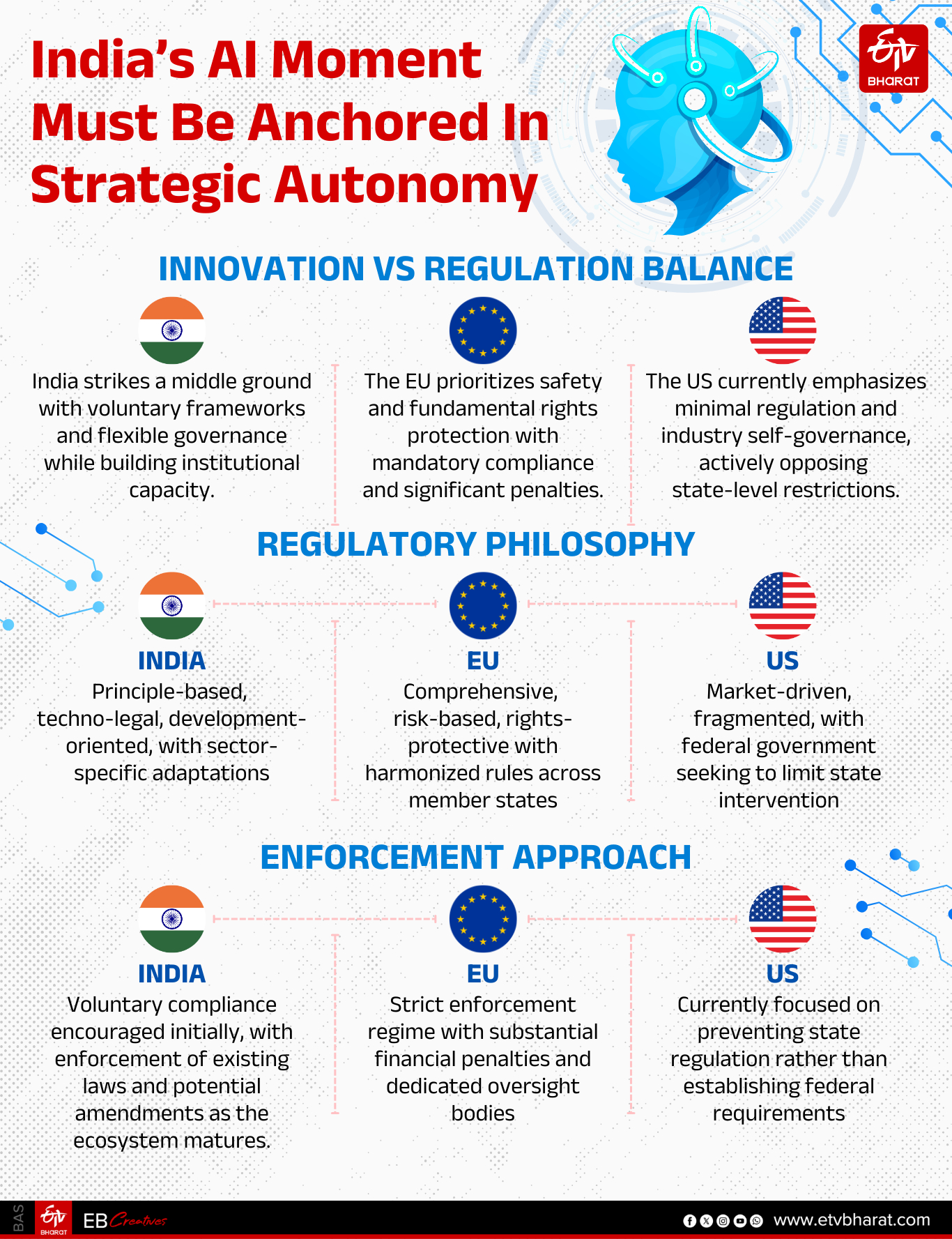
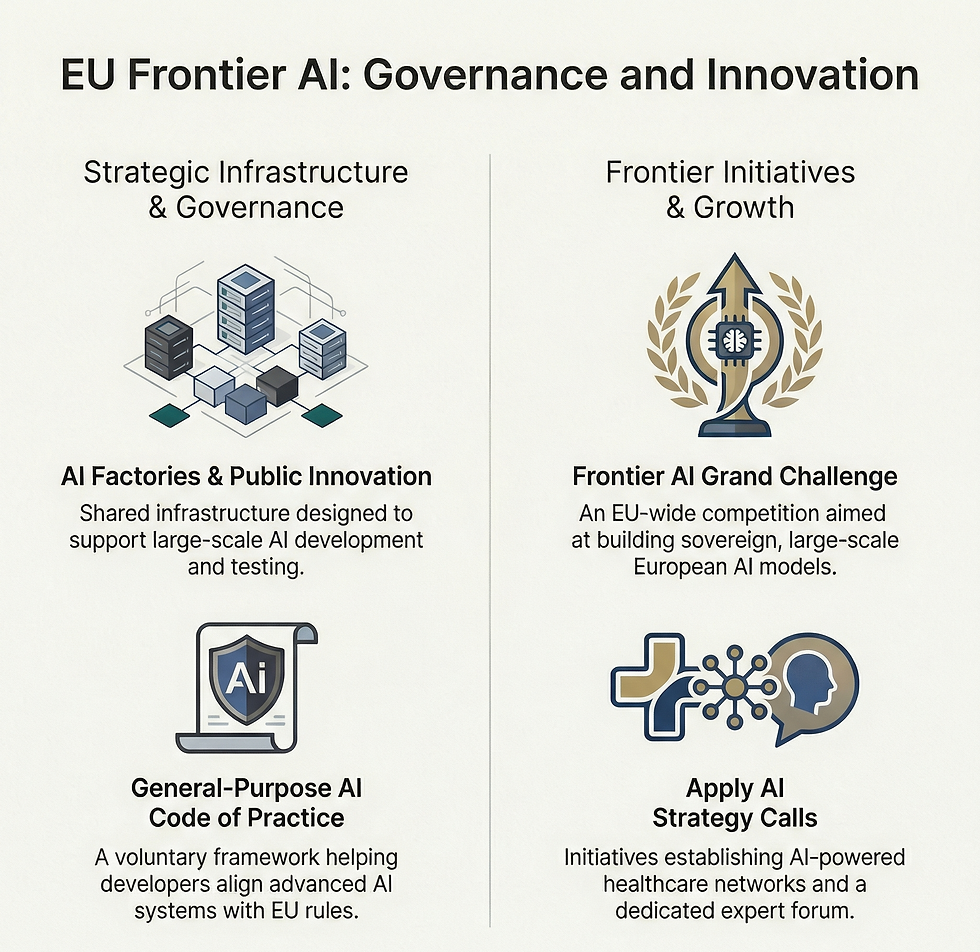
- Europe’s “AI Continent” Vision: Europe is striving to become a cohesive, global AI power built on human-centric and responsible AI principles. This involves massive investments in “AI Factories” (high-performance computing hubs) and a risk-based regulatory framework to guide development.
- India’s Global South Leadership: India aims to leverage its vast ICT talent pool and digital public infrastructure to not only secure its own future but also lead and provide alternatives for developing nations, ensuring the Global South isn’t left behind in the AI race.
Both share a paramount priority: reducing critical dependencies on US and Chinese technology for long-term economic resilience and data sovereignty. As one Austrian official noted, the broader economic framework, including the newly signed EU-India Free Trade Agreement (FTA), is about fostering “mutual dependencies, resilient supply chains, and collaborative growth“—sovereignty through partnership, not isolation.
This partnership is becoming the practical model for building a sovereign ai stack. The EU’s Henna Virkkunen articulated this goal at the summit, stating, “Our ‘AI Continent’ objective is about ensuring Europe, together with partners like India, can shape the future of AI based on our values and needs.” This vision is alive and well, moving from principle to practice through two key pillars: hardware foundations and software innovation.
Deconstructing the India-Europe AI Ecosystem
The india europe ai ecosystem is a multi-layered framework designed to leverage complementary strengths. It pairs India’s immense ICT talent pool and software development expertise with Europe’s advanced research infrastructure, regulatory experience, and industrial base. Together, they are building collective capabilities that neither could easily achieve alone. This ecosystem rests on two fundamental pillars.
Pillar 1: Foundational Hardware – The Critical Role of Chip Collaboration
Any sovereign AI ambition stumbles without control over the physical hardware. The global semiconductor supply chain is notoriously concentrated, creating a critical vulnerability. This is where chip collaboration between India and Europe becomes vital. The partnership focuses on joint R&D initiatives, diversifying supply chains, and exchanging talent in semiconductor design and manufacturing.

India’s monumental $400 billion national AI plan significantly includes investments in semiconductor fabrication and securing critical minerals. Europe, with its Chips Act and established players, brings advanced design and manufacturing expertise. Their connectivity is bolstered by infrastructure projects like the India-Middle East-Europe Economic Corridor (IMEEC) and reinforced by the EU-India FTA’s explicit focus on creating resilient, diversified supply chains. While specific joint chip fabrication pacts may still be evolving, the strategic direction is unequivocal: this chip collaboration is essential to diversify away from duopoly-dominated supplies and enable a truly independent sovereign ai stack.
Pillar 2: The Innovation Engine – Deepening Software Cooperation
If hardware is the skeleton, software is the nervous system. Software cooperation is where the india europe ai ecosystem is already generating tangible, groundbreaking projects. This collaboration spans open-source AI frameworks, interoperable standards, and applied research across critical sectors.
Key initiatives demonstrating this deep software cooperation include:
- Aligning Governance & Standards: Work on aligning with the EU’s General-Purpose AI Code of Practice ensures that collaborative innovations meet high safety and trust standards from the outset.
- The Indo-French AI Centre in Healthcare: A stellar example involving institutions like Sorbonne University, AIIMS Delhi, and the Paris Brain Institute. This center aims to pioneer new AI-driven diagnostics and treatments, exemplifying the kind of Revolutionary AI Medical Breakthroughs this partnership can deliver.
- INRIA-India DST Digital Sciences Center: Fostering joint research in core digital technologies, from algorithms to quantum computing.
- The European Legal Gateway Office: A practical mechanism directly linking EU companies with India’s vast pool of ICT talent, facilitating joint ventures and skill exchange.
- Sectoral Pilot Projects: Bilateral talks are advancing joint projects in quantum technology, 6G networks, sustainability solutions, and smart mobility systems. Integrating AI into such large-scale, practical systems mirrors the seamless progress seen in domains like AI in Smart Home Devices, but at a civilizational scale.

This extensive software cooperation is turbocharged by Europe’s “AI Factories” and forums like the Frontier AI Grand Challenge, which provide public infrastructure and platforms for innovation. With these complementary pillars—hardware and software—firmly under construction, both regions are now charting a clear, time-bound path forward.
The Roadmap to Tech Independence 2026
The term tech independence 2026 serves as a strategic target, aligning with the powerful momentum generated post the EU-India Summit in January 2026 and the landmark signing of the EU-India Free Trade Agreement. It symbolizes a phase of accelerated implementation and tangible deliverables, moving from agreement to action to reduce strategic reliance on the US and China.

The roadmap is populated with concrete milestones that will define this journey:
- Operationalizing Joint Centers: Making the Indo-French AI Centre in Healthcare, the Legal Gateway Office, and the INRIA-India DST center fully functional hubs of daily collaboration and output.
- Launching Pilot Projects: Kicking off the planned joint projects in healthcare AI screening networks, green tech, and 6G testbeds to prove concepts and build scalable models.
- FTA Implementation & Supply Chain Activation: Executing the provisions of the EU-India FTA to facilitate smoother trade in tech components, encourage mutual investment in AI startups, and actively build the “resilient supply chains” officials have championed.
- Talent Mobility Programs: Scaling up researcher exchange programs, joint PhDs, and industry-secondment schemes to create a genuine fusion of Indian and European AI talent.
- Sovereign Model Development: Advancing progress on the “sovereign” large-scale AI models under Europe’s Frontier AI Grand Challenge, with Indian research institutions contributing to and benefiting from the output.
 "India Europe AI Ecosystem: The Proven Path to Tech Independence in 2026 9")
This roadmap, underpinned by the strategic india europe ai ecosystem, demonstrates that tech independence 2026 is not a vague aspiration but a series of actionable, interconnected steps. It reflects a mature understanding that in a interconnected world, independence is built through diversified and trusted partnerships, not isolation. This collaborative model offers a compelling blueprint for other nations seeking to navigate the complexities of the AI age while preserving their strategic autonomy, a theme increasingly central to the Top AI Trends to Watch.
Frequently Asked Questions

What is the main goal of the India-Europe AI partnership?
The primary goal is to establish joint technological sovereignty to reduce over-dependence on the US and China in critical AI technologies. It aims to build a collaborative sovereign ai stack—encompassing chips, software, data, and talent—that allows both regions to control their digital futures based on shared values like human-centric innovation and data security.
How does the EU-India FTA support this AI ecosystem?
Signed in January 2026, the EU-India Free Trade Agreement is a critical enabler. It reduces trade barriers for tech goods and services, encourages cross-border investment in AI startups and R&D, and includes commitments to building resilient supply chains. This economic framework lowers the cost and friction of the chip collaboration and software cooperation that are central to the ecosystem.
Is this partnership just about countering China and the US?
While reducing strategic dependency is a key driver, the partnership is fundamentally proactive, not just reactive. It is about creating a positive alternative: AI that is open, transparent, and governed democratically. The focus on healthcare, sustainability, and public innovation shows a mission to harness AI for global good, not just geopolitical balance.
What are some concrete projects already underway?
Several high-profile projects are in motion:
- The Indo-French AI Centre in Healthcare for advanced medical AI research.
- The establishment of a European Legal Gateway Office in India to connect EU firms with Indian tech talent.
- Joint participation in Europe’s Frontier AI Grand Challenge to develop sovereign large-scale AI models.
- Advanced bilateral talks on joint projects in quantum computing, 6G, and smart mobility.
What does “Tech Independence 2026” actually mean? Is it a hard deadline?
Tech independence 2026 is a strategic horizon, not a strict “flip the switch” deadline. It represents the period of accelerated implementation following the 2026 summits and agreements. Success is measured by operational joint centers, active pilot projects, a diversified semiconductor supply chain, and a thriving talent exchange—all significantly reducing critical single points of failure in their AI economies by that timeframe.