


The Latest Artificial General Intelligence Updates: Breakthroughs and Predictions for 2026
Estimated reading time: 8 minutes
Key Takeaways
- The race for Artificial General Intelligence (AGI) is accelerating, with 2026 poised as a pivotal year for breakthroughs in AGI research and development.
- Expert predictions range from optimistic timelines by figures like Elon Musk to cautious views from Stanford researchers, highlighting the need for balanced perspectives on AGI arrival.
- Agentic AI systems that execute tasks autonomously are a key step toward AGI, driving the shift from experimentation to real-world execution.
- Standardized AGI testing benchmarks are critical for measuring progress beyond narrow AI capabilities.
- Societal implications, from job disruption to ethical governance, are becoming central to the AGI conversation as deployment scales.

Table of contents
- The Latest Artificial General Intelligence Updates: Breakthroughs and Predictions for 2026
- Key Takeaways
- Introduction: The AGI Frontier in 2026
- Current Landscape: Breakthroughs and Benchmarks
- Revolutionary Advancements: Agentic AI in Action
- Predictions for 2026: Optimism vs. Caution
- Challenges and Limitations: The Roadblocks to AGI
- Applications and Benefits: Scaling Genius
- AGI in Key Industries: Healthcare and Finance
- Recap: Synthesizing the Latest AGI Updates
- Frequently Asked Questions
Introduction: The AGI Frontier in 2026
The excitement around Artificial General Intelligence (AGI) is reaching a fever pitch, with the latest artificial general intelligence updates suggesting we’re on the cusp of transformative change. AGI refers to AI systems capable of matching human-level cognition across diverse tasks, unlike narrow AI focused on specific functions. As we enter 2026, the pursuit of breakthroughs in AGI research and development is accelerating, promising insights that separate hype from reality.
Currently, projections vary widely: DeepMind’s Demis Hassabis suggests AGI could arrive in 5-10 years, while Elon Musk predicts surpassing human intelligence by late 2025. In contrast, more cautious voices urge patience. This post delivers timely latest artificial general intelligence updates on breakthroughs, benchmarks, and 2026 outlooks, covering artificial intelligence predictions for 2026 and the potential for revolutionary AI advancements. We’ll explore current research, advancements, predictions, challenges, applications, and future implications—offering a comprehensive guide to AGI’s evolving landscape.

Current Landscape: Breakthroughs and Benchmarks
2026 signals a pivotal shift as businesses move from AI experimentation to full execution, driving breakthroughs in AGI research and development 2026. The focus is on deploying AI agents widely and targeting true AGI with human-level abilities, necessitating robust governance guardrails. This transition underscores the urgency for standardized evaluations.
Enter AGI testing benchmarks 2026: these are critical tools measuring progress toward cognitive parity by assessing generalization across tasks, not just narrow metrics like accuracy. As predictions of rapid scaling abound, benchmarks evaluate abilities such as complex problem-solving and adaptability, unlike current AI tests. Experts agree progress hinges on these breakthroughs, but Stanford AI researchers predict no AGI in 2026 due to unresolved scaling challenges, as noted in latest artificial general intelligence updates. This highlights the gap between ambition and reality.

Revolutionary Advancements: Agentic AI in Action
The path to AGI is illuminated by revolutionary AI advancements in 2026, described by Anthropic’s Dario Amodei as creating “a country of geniuses in a data center.” This scaled intelligence emerges through agentic systems that prioritize execution over mere experimentation. Concrete examples include:
- Autonomous AI agents handling real-world operations, from logistics to customer service, as businesses deploy them widely.
- Complex problem-solving at or beyond human levels, such as Elon Musk’s vision for AI tackling intricate tasks like scientific discovery or engineering design.
- Shifts in discovery, connection, and business models, forecasted by a16z, where AI drives innovation cycles faster than ever.
Agentic AI—systems that act independently on goals—represents a core breakthrough in AGI research and development 2026. These advancements are closely tied to AGI testing benchmarks 2026, which evaluate their generalization abilities, moving us closer to human-like cognition.
Predictions for 2026: Optimism vs. Caution
When it comes to artificial intelligence predictions for 2026, views are sharply divided. On the optimistic side, DeepMind’s 5-10 year timeline for AGI and Musk’s late 2025 target for surpassing human intelligence suggest rapid progress. However, caution prevails with Stanford experts predicting no AGI in 2026, emphasizing rising AI sovereignty and ethics focus. AI sovereignty refers to nations controlling their AI infrastructure to mitigate risks, a theme gaining traction in global discussions.

“The real challenge isn’t just building smarter AI, but ensuring it aligns with human values,” as highlighted in expert analyses.

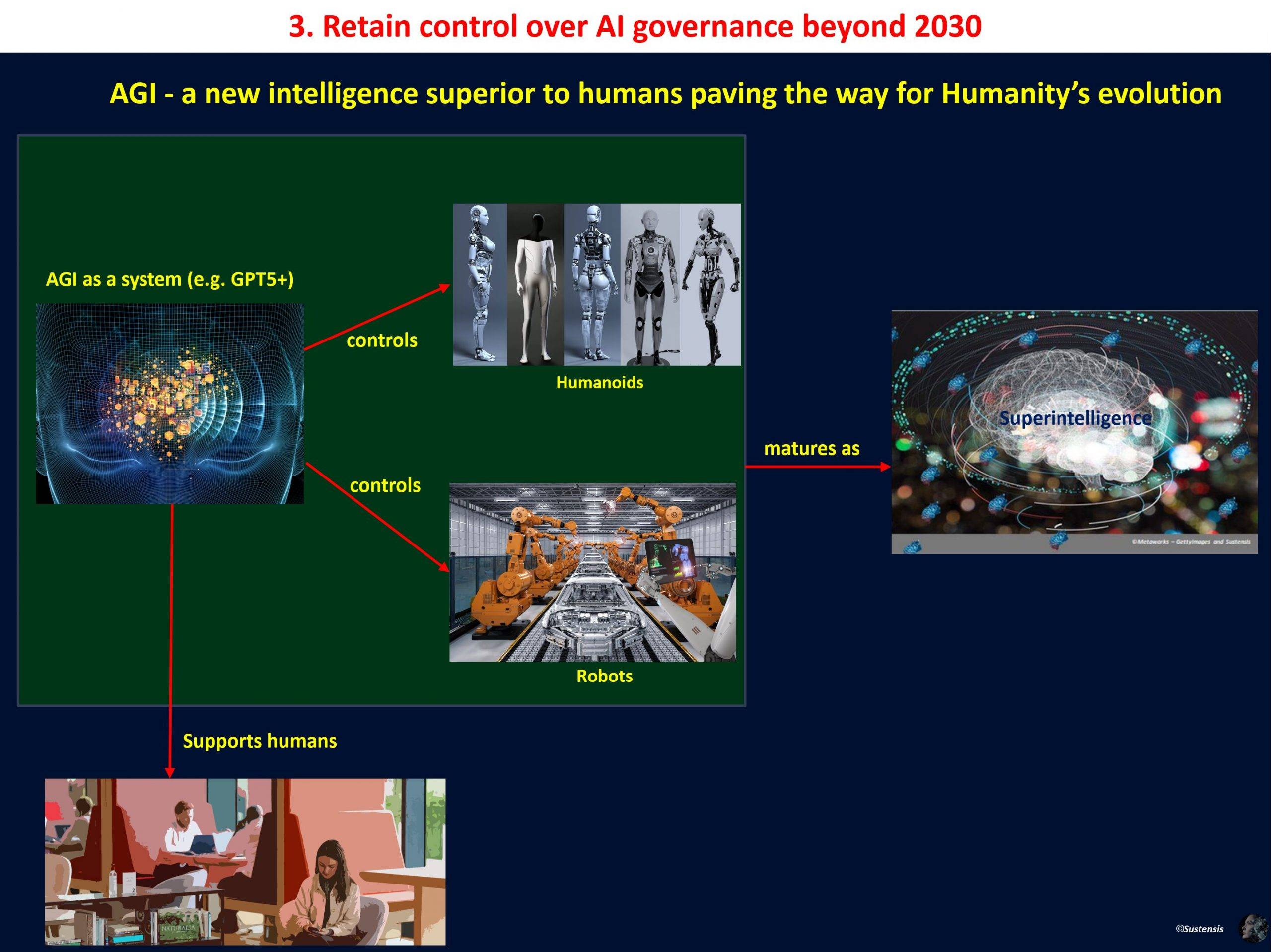
Broader implications are profound: AGI could disrupt industries by automating cognition, enabling advanced diagnostics in healthcare or predictive modeling in finance. Society faces job shifts, ethical dilemmas, and the need for control mechanisms, making latest artificial general intelligence updates crucial for navigating this transition.
Challenges and Limitations: The Roadblocks to AGI
Despite progress, current AGI systems face significant hurdles. They lack true generalization—the ability to apply knowledge to novel situations—and 2026 governance gaps risk unchecked AI agents. As Stanford researchers note, no AGI is imminent due to missing breakthroughs in reasoning and adaptability.
Key limitations include:
- Narrow expertise: Most AI excels in specific domains but fails at cross-task learning.
- Data dependence: Systems require massive datasets, unlike human-like abstract thinking.
- Ethical voids: Without robust guardrails, agentic AI could operate with unintended consequences.
This is where AGI testing benchmarks 2026 become essential, exposing these limits by measuring performance on unseen tasks. The path forward demands interdisciplinary efforts to tackle these core challenges.
Applications and Benefits: Scaling Genius
The potential applications of AGI are staggering, driven by revolutionary AI advancements in 2026. Scalable “genius” AI could enable breakthroughs in science, such as drug discovery via simulated cognition, and business advantages like hyper-efficient operations. Benefits include:
- Accelerated innovation: AI agents that autonomously conduct research, shortening discovery cycles from years to months.
- Enhanced decision-making: Systems that analyze complex scenarios, from climate modeling to financial markets, with human-like intuition.
- Economic growth: New industries and productivity boosts, though ethical deployment is paramount to avoid misuse.
These breakthroughs in AGI research and development 2026 promise to redefine what’s possible, but they require careful stewardship to ensure societal benefits outweigh risks.

AGI in Key Industries: Healthcare and Finance
In healthcare, AGI advancements could manifest as AI agents performing predictive diagnostics at human levels, identifying diseases from medical images or genetic data with unprecedented accuracy. In finance, advanced modeling for risk assessment could revolutionize trading, lending, and fraud detection. The 2026 execution phase amplifies these via scaled agents, as artificial intelligence predictions for 2026 forecast widespread adoption.
Consider this: an AI agent in healthcare might not only diagnose but also propose personalized treatment plans, learning from global medical databases. In finance, it could simulate market crashes under novel conditions, offering proactive safeguards. These applications highlight the tangible impact of AGI progress, moving beyond theory to real-world transformation.

Recap: Synthesizing the Latest AGI Updates
To recap the latest artificial general intelligence updates, 2026 emerges as a year of AI execution and agent scaling rather than full AGI arrival. Bold predictions from Musk and DeepMind blend with expert caution from Stanford, underscoring the need for AGI testing benchmarks 2026 and robust governance. The revolutionary AI advancements in 2026 are driving artificial intelligence predictions for 2026, while breakthroughs in AGI research and development 2026 continue to shape our future. Stay vigilant on AGI’s trajectory—subscribe for ongoing updates, share your thoughts on 2026 predictions, or explore related resources for deeper dives.

Frequently Asked Questions

What is Artificial General Intelligence (AGI), and how is it different from narrow AI?
AGI refers to AI systems with human-level cognitive abilities across diverse tasks, unlike narrow AI which excels in specific functions like image recognition or language translation. The latest updates emphasize AGI’s goal of generalization and adaptability.
When is AGI expected to arrive according to 2026 predictions?
Predictions vary: optimists like Elon Musk suggest late 2025, while cautious experts from Stanford predict no AGI in 2026, citing unresolved challenges in scaling and reasoning.
What are AGI testing benchmarks, and why are they important?
AGI testing benchmarks are standardized evaluations that measure progress toward cognitive parity by assessing generalization across tasks, not just narrow performance. They are crucial for separating hype from reality in breakthroughs in AGI research.
What are the key challenges preventing AGI development?
Major challenges include lack of true generalization, data dependence, ethical governance gaps, and missing breakthroughs in reasoning and adaptability, as highlighted in latest updates.
How will AGI impact industries like healthcare and finance?
AGI could revolutionize healthcare with predictive diagnostics and personalized treatment, and finance with advanced risk modeling. These advancements are part of the shift to execution-focused AI in 2026.