
From Folding Laundry to AI Companions: The Quirky Evolution of Home Robotics
Estimated reading time: 10 minutes
Key Takeaways
- Laundry folding home robots like LG’s CLOiD are pioneering chore automation with AI and vision-based technology, though they still have limitations in speed and setup.
- Bionic pet robots and novelty AI pets offer emotional companionship and therapeutic benefits, blurring the line between robots and real animals.
- Interactive smart home robotics ecosystems are integrating these devices for seamless home automation, from laundry to entertainment.
- These innovations represent a shift from utility to emotional bonds in home robotics, with quirky applications that surprise and delight.
- Future trends point towards fully autonomous homes where robots interoperate, managed by central AI hubs.
Table of contents
Introduction: The New Age of Home Robotics
Imagine laundry folding home robots like LG’s CLOiD taking over your weekly chore, showcasing how far home robotics have evolved beyond basic vacuum cleaners. This evolution is part of the broader journey of smart home technology, from prototypes to mainstream adoption. For those new to this world, starting your smart home journey is easier than ever.
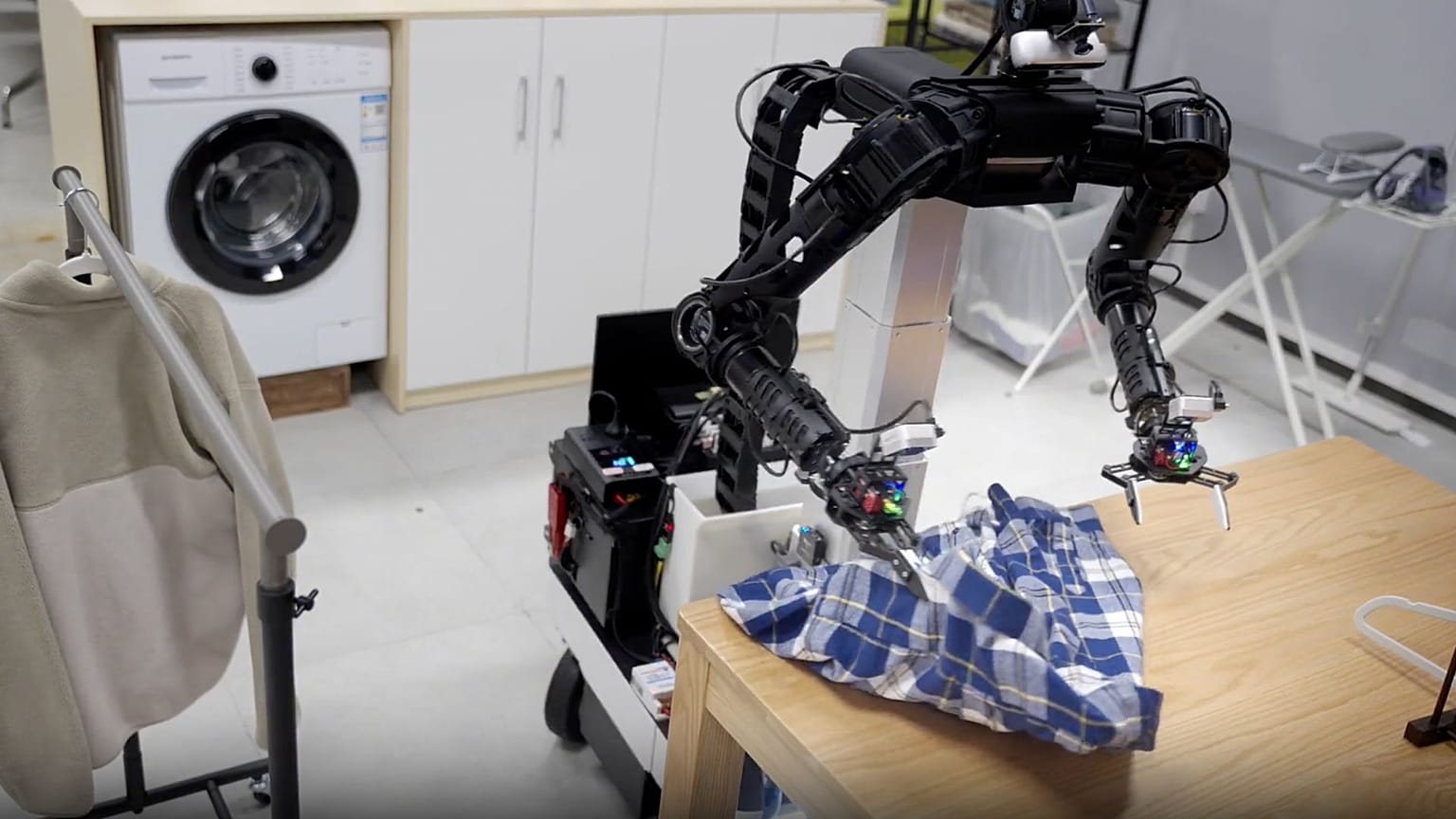
These laundry folding home robots, such as LG’s CLOiD unveiled at CES 2026, use AI and vision-based tech to handle universal drudgery like folding towels, though slowly and with some human setup help [2] [3]. This post explores quirky robotics innovations from practical assistants to interactive companions, satisfying curiosity about cutting-edge niche smart home tech. The integration of AI into everyday devices is what powers these advanced capabilities.
We’ll delve into how laundry folding home robots and interactive smart home robotics are reshaping domestic life, blending practicality with surprise.
Laundry Folding Home Robots: Automating the Mundane
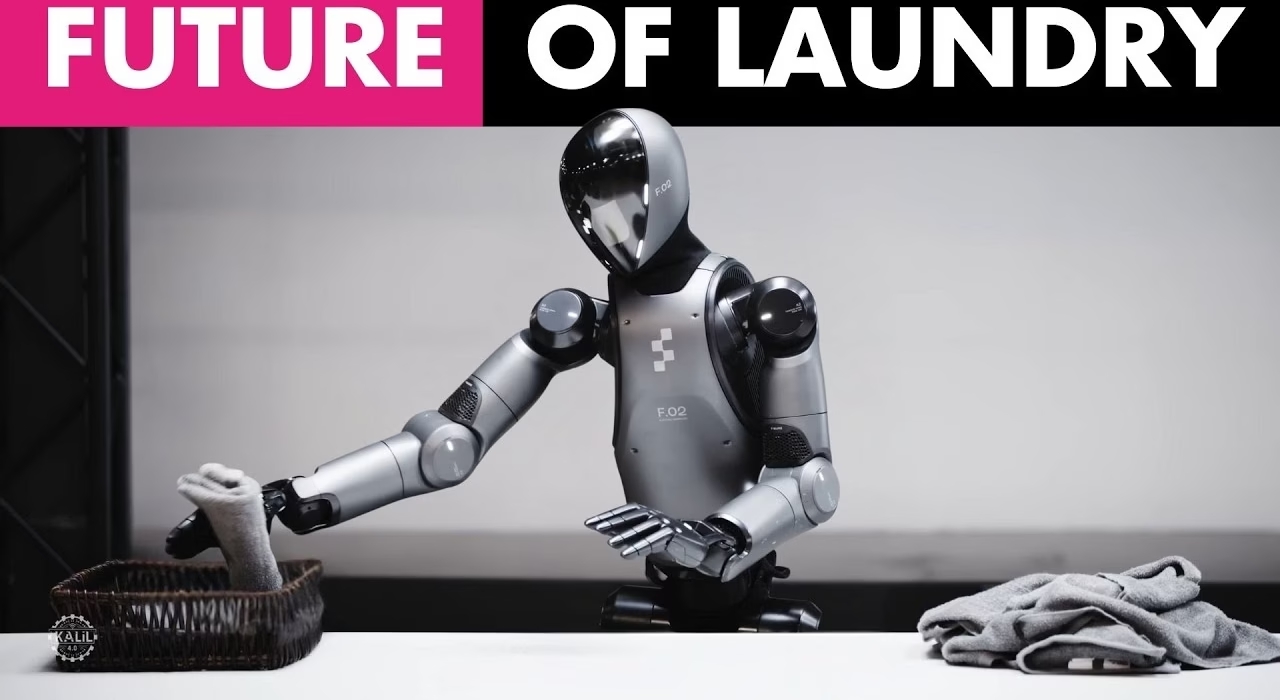
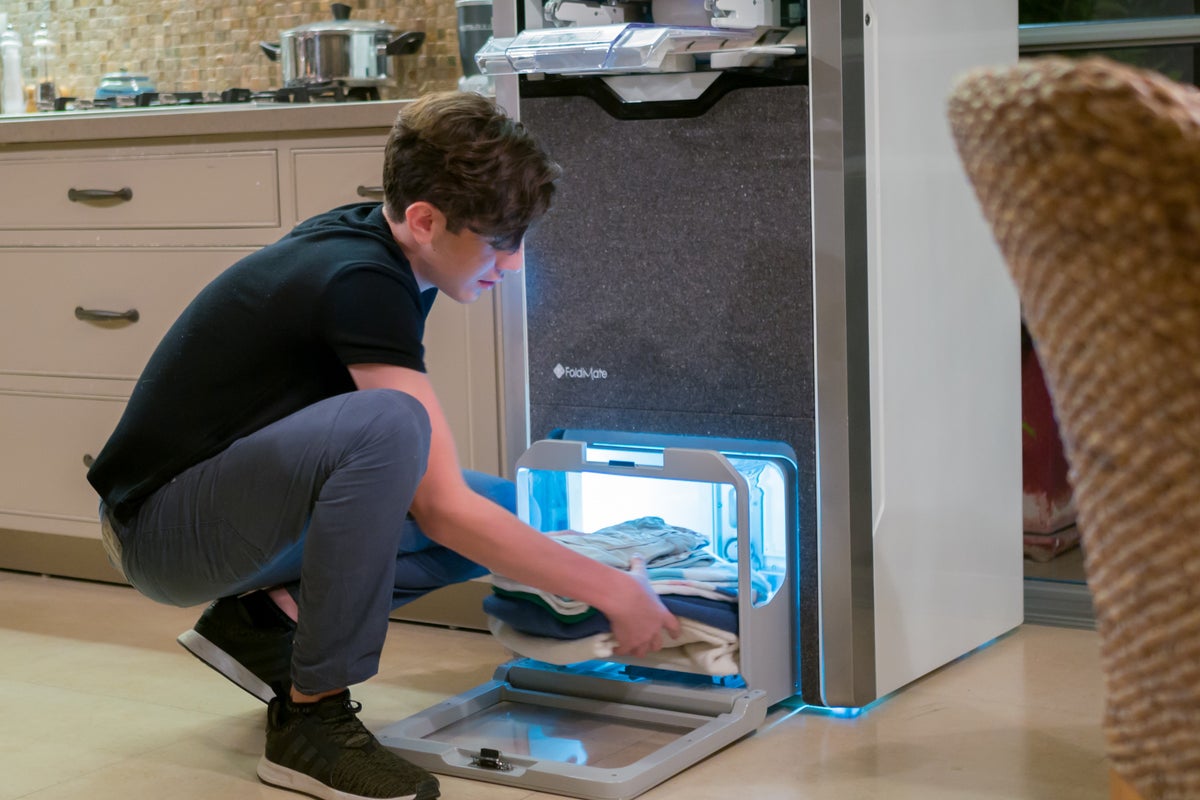
Laundry folding home robots are a niche breakthrough in chore automation. Devices like LG CLOiD employ computer vision to identify fabrics, articulated robotic arms with human-like mobility including shoulder-to-wrist rotation and five independent fingers for gripping and folding, and a wheeled base for navigating home environments [1] [2] [3].

How do they work? These robots integrate with smart ecosystems like LG ThinQ, where they start laundry cycles via connected washers, then fold and stack garments after drying. As demonstrated at CES 2026, they can fold towels in 30-60 seconds per item [1] [2] [4].

Current capabilities in controlled demos include CLOiD lifting, folding, stirring, cooking, or retrieving items, aiming for a “zero labor home” [2] [3].
However, there are limitations to consider:
- Requires pre-placed items: Can’t grab from hampers yet.
- Folds slowly: Without perfect stacking.
- No confirmed pricing or release date: Likely over $20,000, similar to other humanoids.
- SwitchBot’s onero H1 is a versatile alternative for laundry, dishes, and shoe organization with potential software updates targeting under $10,000 MSRP [1] [2].

The quirky factor lies in how folding clothes requires mastering fabric variability and dexterity once thought “impossible” for robots. This turns a mundane task into a tech marvel that’s slow but ideal for users with mobility limitations [1] [5].
These laundry folding home robots exemplify how robotics are tackling everyday chores with surprising sophistication.
Bionic Pet Robots and Novelty AI Pets: Companionship Redefined
Transitioning from chores to emotional companionship, robotics now emphasizes bonds beyond utility. Bionic pet robots are defined as lifelike mechanical animals that mimic real pet movements (e.g., walking, tail wagging) and sensory responses (e.g., purring or reacting to petting).
/https://tf-cmsv2-smithsonianmag-media.s3.amazonaws.com/filer_public/98/df/98dfdf33-f69e-4efa-9ee4-90314d6b2592/gettyimages-1451359924.jpg "Discover the Amazing Evolution of Laundry Folding Home Robots and Interactive Companion Bots 6")
On the other hand, novelty AI pets are AI-driven companions, which may or may not be animal-shaped, focused on interaction, learning user preferences, entertainment through games or conversation, and therapy via adaptive behaviors that evolve with user data.
Here’s a comparison table for clarity:
| Category | Key Features | Benefits | Quirky Appeal |
|---|---|---|---|
| Bionic Pet Robots | Lifelike movements, sensory responses (e.g., petting triggers purring/wagging) | Therapeutic for elderly or lonely individuals; low-maintenance alternative to real pets without allergies or mess | Uncanny realism blurs robot-animal line, evoking emotional attachment without furballs |
| Novelty AI Pets | AI learning, voice interaction, games/entertainment | Mental health support, customizable personalities | Whimsical behaviors like “learning tricks” or storytelling, turning solitude into fun [6] |
Both offer therapeutic benefits and entertainment for pet-free households or those unable to care for live animals, prioritizing interaction over utility. Bionic pet robots lean on physical realism, while novelty AI pets focus on intelligent, evolving personalities. Trends from CES 2026 humanoids signal the rise of companion tech, including pet monitoring AI [6].
These innovations highlight how robotics are expanding into emotional and social domains.
Interactive Smart Home Robotics: The Connected Ecosystem
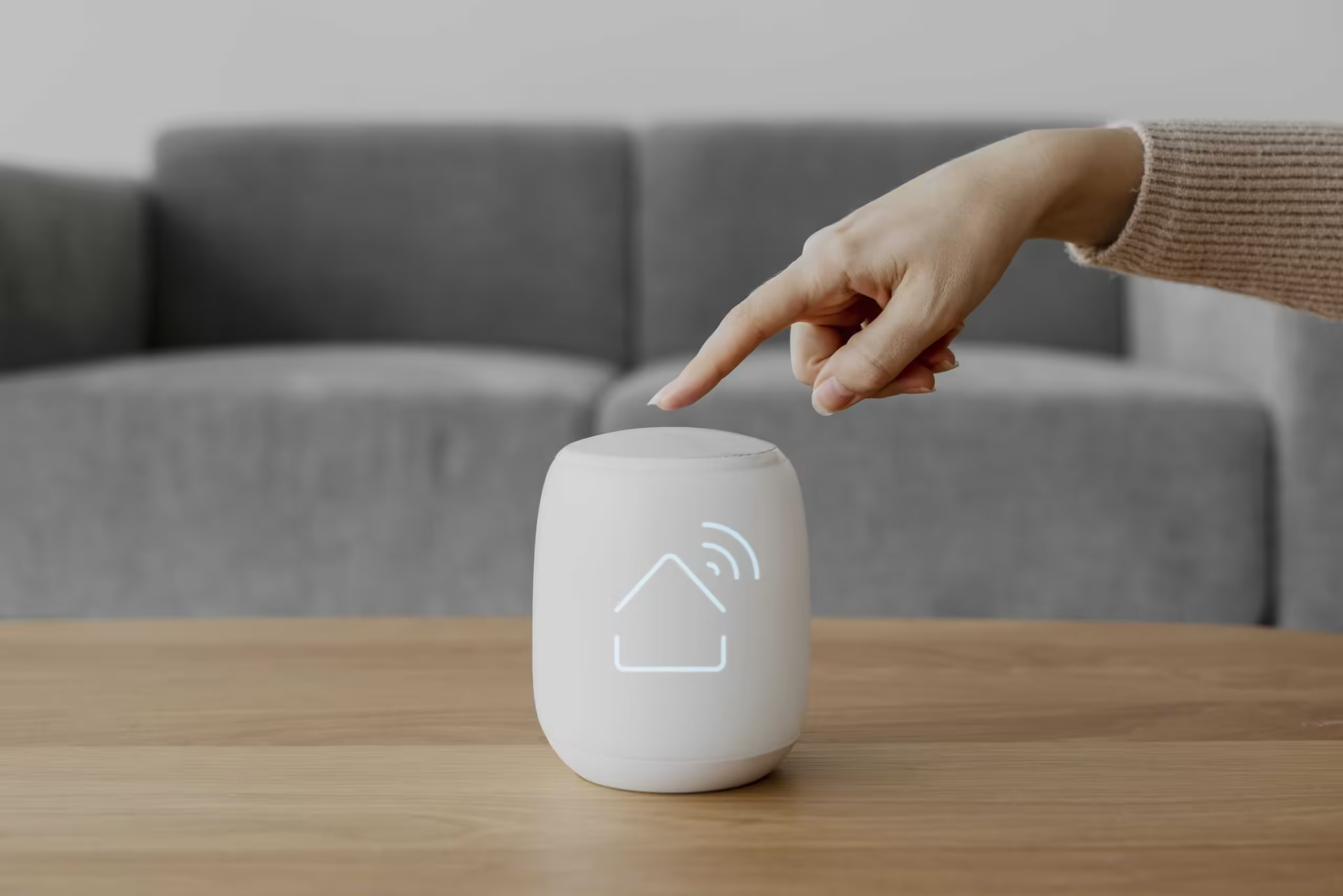
Interactive smart home robotics is the unifying ecosystem where discrete robots like laundry folding home robots connect seamlessly. For example, CLOiD coordinates with appliances for end-to-end laundry cycles via apps or voice control [1] [2]. To build such a cohesive ecosystem, exploring the best smart home devices is essential.
Integration examples include laundry bots linking to AI washers, and companion robots like bionic pet robots or novelty AI pets responding across the home network [2].

Quirky examples of other interactive smart home robotics include:
- Stair-climbing legged vacuums that evolve from wheeled models for multi-level cleaning [6].
- Emerging garden tenders for precise planting.
- Cocktail makers for automated mixology.
- Window-cleaning bots with extendable arms blending utility and whimsy.
- This ecosystem also includes game-changing security devices for ultimate safety.

Speculating on the future, these devices could interoperate in a fully autonomous home—for instance, CLOiD folding laundry while a bionic pet robot “plays” nearby, all managed by a central AI hub—tracking toward Jetsons-like living [2].
Interactive smart home robotics are paving the way for a connected, automated domestic experience.
Frequently Asked Questions
What are laundry folding home robots and how do they work?
Laundry folding home robots are automated devices that use computer vision and robotic arms to fold clothes. They integrate with smart home systems to handle laundry from washing to folding, though current models require pre-placed items and fold slowly, as seen with LG’s CLOiD [1].
What is the difference between bionic pet robots and novelty AI pets?
Bionic pet robots focus on simulating physical realism with lifelike movements and sensory responses, while novelty AI pets emphasize AI-driven interaction, learning, and entertainment, often with customizable personalities [6].
How do interactive smart home robotics ecosystems function?
These ecosystems connect various robots and smart devices through central hubs or apps, enabling coordinated tasks. For example, a laundry robot can communicate with a smart washer, and companion pets can interact with other home automation systems for seamless operation.
Are laundry folding robots available for purchase?
Most laundry folding robots, like LG CLOiD, are still in prototype or demonstration stages with no confirmed release dates or pricing. Alternatives like SwitchBot’s onero H1 may emerge but are not widely available yet [1].
What are the benefits of using robotic pets over real pets?
Robotic pets offer low-maintenance companionship without allergies, feeding, or cleanup. They provide therapeutic benefits for individuals with mobility limitations or those in pet-restricted environments, blending emotional support with convenience.
Can laundry folding robots handle all types of fabrics?
Current robots are designed for common fabrics like cotton and towels, but may struggle with delicate items. Computer vision helps identify fabrics, but versatility is limited, and human assistance is often needed for complex garments.
How much do bionic pet robots cost?
Bionic pet robots can range from a few hundred to several thousand dollars, depending on features and realism. High-end models with advanced sensors and movements are more expensive, but prices vary widely.
What is the future of interactive smart home robotics?
The future points towards fully integrated homes where robots perform autonomous tasks via AI hubs. Advances in connectivity and AI will enable more personalized and seamless interactions, enhancing daily convenience and entertainment.