
Lenovo’s Rollable Laptop Concept: Redefining Portability at CES 2026
Estimated reading time: 12 minutes
Key Takeaways
- The CES 2026 laptop trend showcased transformative devices, with Lenovo leading the charge in flexible display laptops.
- At its core, the lenovo rollable laptop concept uses motorized, rollable OLED screens to dynamically change screen size without increasing chassis bulk.
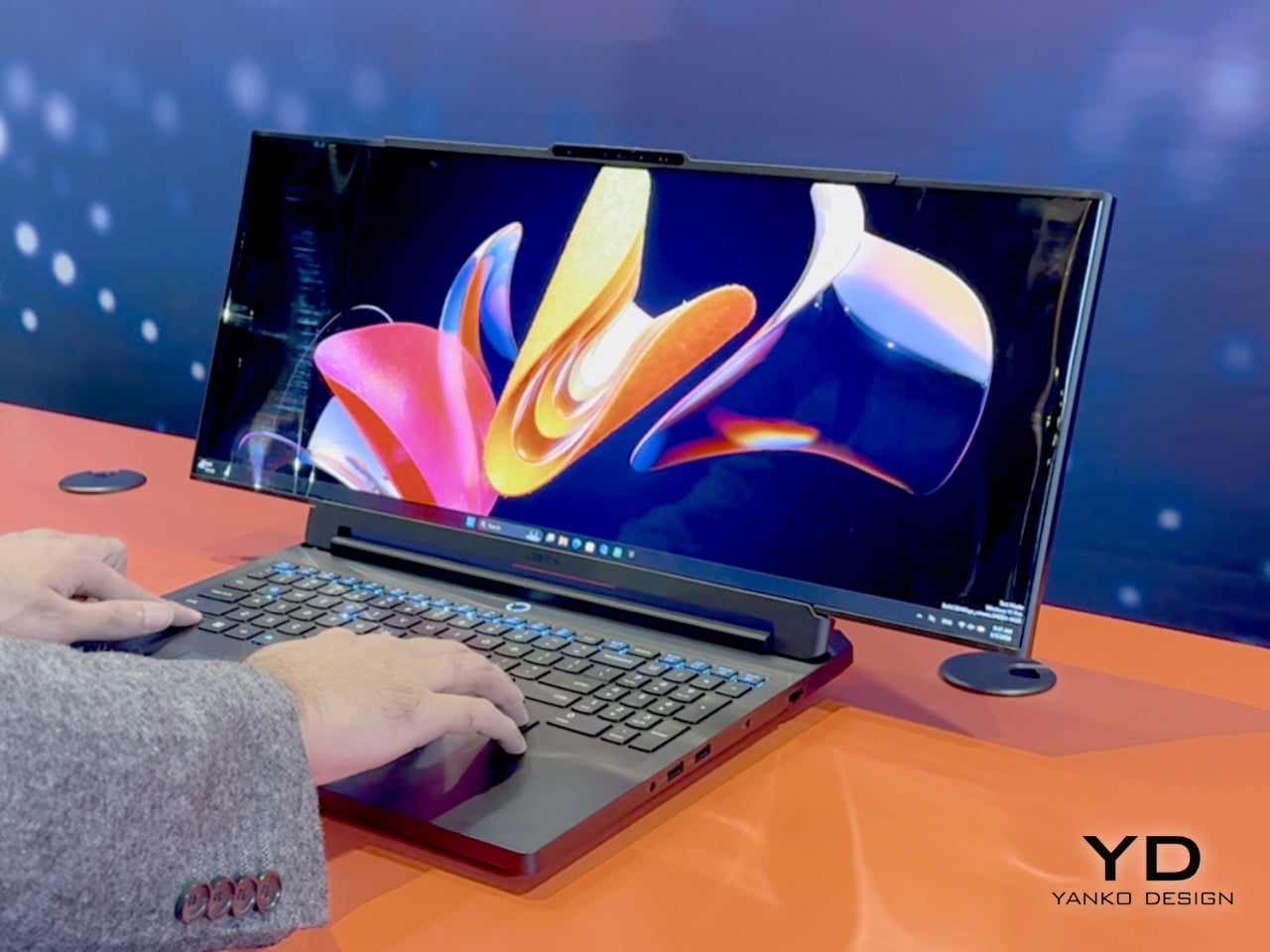
- The gaming-focused Legion Pro Rollable tech enables seamless horizontal expansion from 16 inches to over 24 inches for immersive ultra-wide gaming.
- This innovation signals a shift in the PC industry from incremental spec upgrades to radical form-factor evolution, aligning with broader foldable phones technology and display advancements.
- Commercialization faces hurdles like cost and durability, but successful adoption could redefine multitasking for professionals and gamers, much like the ongoing laptop vs tablet comparison for versatility.
Table of contents
- Lenovo’s Rollable Laptop Concept: Redefining Portability at CES 2026
- Key Takeaways
- The CES 2026 Revolution: Flexible Laptops Take Center Stage
- How the Lenovo Rollable Laptop Concept Works: A Deep Dive
- Legion Pro Rollable Tech: The Engineering Marvel Behind the Screen
- Flexible Display Laptops in Context: Beyond Foldables and Dual Screens
- CES 2026 Laptop Trend: Broader Impacts and Complementary Innovations
- Challenges and the Future: Will Rollable Laptops Go Mainstream?
- Frequently Asked Questions

The CES 2026 Revolution: Flexible Laptops Take Center Stage
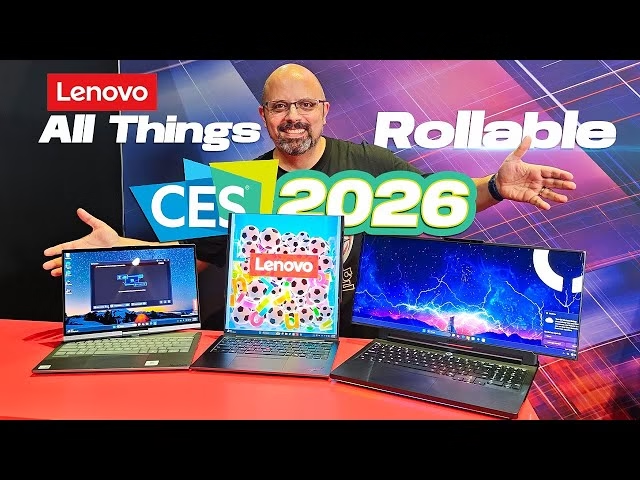
Every year, CES sets the tone for technology trends, but CES 2026 delivered something extraordinary: a clear vision for the future of portable computing where screens bend, roll, and adapt to our needs. This CES 2026 laptop trend wasn’t about minor spec bumps; it was a bold statement on laptop design evolution, pushing the boundaries of what a laptop can be. Amidst AI demos and gaming rigs, one concept stole the spotlight: the groundbreaking lenovo rollable laptop concept.
Imagine a laptop that morphs its screen size at the touch of a button—this is the promise of Lenovo’s ThinkPad Rollable XD and Legion Pro Rollable. These aren’t mere prototypes; they are carefully engineered visions of a future where portability doesn’t compromise screen real estate. This blog will dissect the mechanics, explore the legion pro rollable tech, and place this innovation within the larger narrative of flexible display laptops. Whether you’re a professional seeking the ultimate multitasking tool or a gamer eyeing the next immersive experience, the lenovo rollable laptop concept represents a pivotal moment in computing.

How the Lenovo Rollable Laptop Concept Works: A Deep Dive
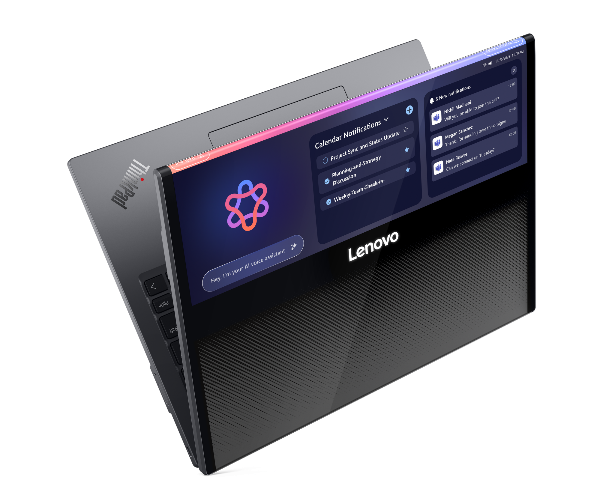
At its heart, the lenovo rollable laptop concept relies on a simple yet revolutionary idea: a flexible OLED display that rolls in and out of the laptop’s lid via a motorized system. Think of it like a high-tech scroll—compact when you need it small, expansive when you need more space. For instance, the ThinkPad Rollable XD expands vertically from a standard 13.3-inch display to nearly 16 inches, with the extra screen cleverly wrapping around the lid to serve as a world-facing display when closed, perfect for notifications or collaboration.

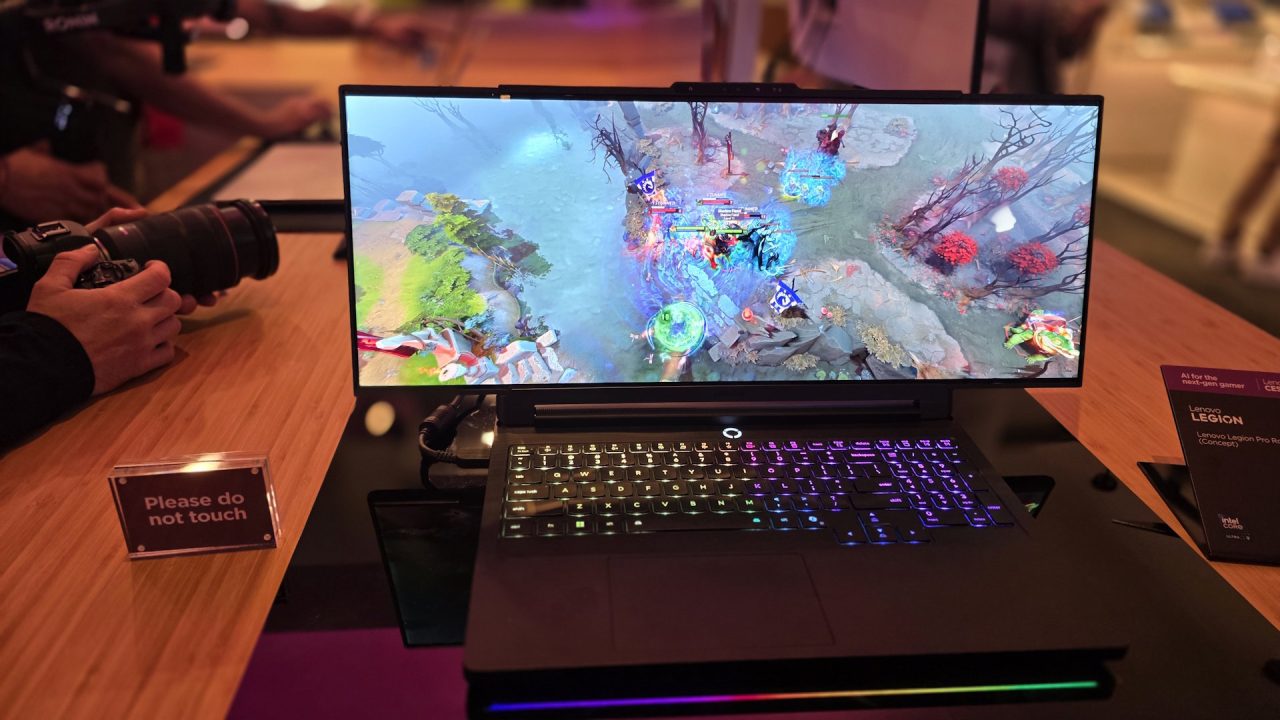
But the real showstopper is the Legion Pro Rollable, which takes a different approach. It expands horizontally, transforming from a 16-inch 16:10 aspect ratio laptop into an ultra-wide behemoth. With a press of Fn + arrow keys or dedicated buttons, it shifts into “Tactical Mode” at 21.5 inches (21:9) or “Arena Mode” at 23.8-24 inches (24:9), as detailed in hands-on reports. This seamless transition happens in seconds, adding over 50% more screen real estate without making the device bulkier—a dream for multitaskers and gamers alike.

The user experience is designed to be intuitive. Beyond button presses, swipe gestures or voice controls can trigger the expansion, making it feel like a natural extension of your workflow. Envisioned use cases are vast:
- Hybrid professionals can use the expanded view for video conferences with live translation feeds open side-by-side, or for dragging timelines across a wider canvas in video editing.
- Gamers can switch from a standard view to an immersive ultra-wide field for esports training, blending high performance with revolutionary form factors that rival the best gaming laptops for 2025.
The benefits are clear: enhanced portability (it still fits in standard bags) and multifunctionality, evolving laptops from fixed-size tools into adaptive workspaces. This is the essence of the lenovo rollable laptop concept—it’s not just a new device; it’s a new way of thinking about productivity and play.
Legion Pro Rollable Tech: The Engineering Marvel Behind the Screen
Powering the gaming-focused variant of the lenovo rollable laptop concept is the sophisticated Legion Pro rollable tech, housed in a Legion Pro 7i chassis. This isn’t just a gimmick; it’s a carefully engineered solution to the challenges of flexible display laptops. Let’s break down the key components:
- Flexible OLED PureSight Gaming Display: A high-resolution, rollable OLED panel that maintains image quality even when bent, thanks to advanced materials.
- Dual-Motor Rolling Mechanism: Two motors work in tandem to roll the screen from both ends, ensuring smooth, low-vibration expansion and retraction. This system minimizes the risk of creases or damage.
- Low-Friction Materials and Tensioning System: Special coatings reduce abrasion as the screen moves, while a tensioning system keeps the display taut, preventing sagging or wrinkles.
- Durable Chassis Integration: The mechanics are seamlessly integrated into the lid, though early prototypes, as noted by Tom’s Hardware, show lid sturdiness challenges under weight—a hurdle for engineers to overcome.
This legion pro rollable tech doesn’t operate in a vacuum. It’s paired with high-end specs like Intel Core Ultra CPUs and mobile RTX 5090 GPUs to drive the extra pixels without lag, ensuring that performance keeps pace with the expansive screen. By solving core issues like crease-free rolling and durability, Lenovo builds on prior concepts like the ThinkBook Plus Gen 6, advancing the state of flexible display laptops toward commercial viability.

Flexible Display Laptops in Context: Beyond Foldables and Dual Screens
The lenovo rollable laptop concept isn’t happening in isolation; it’s part of a broader category of flexible display laptops that are redefining portable computing. While foldables like the ThinkPad X1 Fold have paved the way, rollables represent a leap forward by offering dynamic size changes without the hinge complexity of foldables. This evolution mirrors advancements in foldable phones technology, where screens bend to unlock new form factors.
Compared to other approaches, Lenovo’s rollables stand out:
- Vs. Vertical Expansions (e.g., ThinkBook Plus Gen 6): The Legion Pro Rollable offers horizontal ultra-wide modes, rare in portables, catering specifically to gamers and multimedia creators.
- Vs. Dual-Screen Devices: The ThinkPad Rollable XD’s unique outward-facing screen when closed adds a layer of functionality for collaboration, unlike traditional dual-screen setups.
This signals an industry shift from incremental specs (like faster chips) to radical form-factor innovations. It enables a “carry small, train big” philosophy for gamers and professionals, aligning with the pursuit of versatile devices seen in the continuous innovation of ultraportables like the Apple MacBook Air M4. The lenovo rollable laptop concept, powered by legion pro rollable tech, is thus a key player in this transformative CES 2026 laptop trend.
CES 2026 Laptop Trend: Broader Impacts and Complementary Innovations
CES 2026 served as the perfect stage for unveiling these concepts, amplifying Lenovo’s multiple rollable ideas amid a focus on AI and gaming. This CES 2026 laptop trend wasn’t just about one device; it was about showcasing a feasible future for rollables, drawing attention from tech enthusiasts and industry watchers alike. Complementary technologies at the show further enabled this vision:
- Advanced Materials: Corning Gorilla Glass Victus 2, capable of 180° bends, provides durability for flexible screens.
- AI Integration: Voice assistants and multi-modal interactions allow for intuitive control over screen expansions, enhancing user experience.
- Efficient Chipsets: Intel Core Ultra processors manage power-hungry expansions without sacrificing battery life, a critical factor for portability.
The impact of these previews is profound. They set the agenda for commercialization, evolving from earlier prototypes like 2025’s ThinkBook into potential flagship ThinkPad and Legion models. As seen in demonstration videos, the smooth operation hints at a near-future reality. This trend mirrors the kind of groundbreaking innovation that tech giants are pursuing, similar to Samsung’s upcoming technology revolutions, pushing the entire industry forward.
Challenges and the Future: Will Rollable Laptops Go Mainstream?
Despite the excitement, commercializing the lenovo rollable laptop concept faces significant challenges. High costs, long-term reliability (e.g., lid stability, abrasion resistance), and software adaptation for variable screen sizes are major hurdles. Early prototypes, as noted by Engadget, show visible motors and sturdiness issues—elements likely refined in final products. Market readiness for premium pricing is another concern, especially in a competitive landscape.
Yet, the long-term implications are transformative. If rollables go mainstream, they could:
- Revolutionize Professional Workflows: Adaptive multitasking could become the norm, with expanded canvases for creators and collaborative tools for teams.
- Enhance Everyday Use: Versatile entertainment options, from widescreen movies to immersive browsing, could redefine leisure computing.
- Drive Industry Evolution: As part of the CES 2026 laptop trend, this could spur further innovation in flexible display laptops, much like how the laptop vs tablet comparison sparked debates on optimal form factors.
The lenovo rollable laptop concept, powered by legion pro rollable tech, exemplifies the frontier in flexible display laptops and defines the CES 2026 laptop trend. It’s a testament to laptop design evolution, offering a glimpse into a future where our devices adapt to us, not the other way around. Stay tuned for commercial releases, and share your thoughts on how rollable tech could fit into your workflow—will it be a game-changer or a niche novelty?
Frequently Asked Questions
What is the Lenovo rollable laptop concept?
It’s a groundbreaking approach by Lenovo that uses motorized, rollable OLED displays to dynamically expand screen size—like the ThinkPad Rollable XD (vertical expansion) and Legion Pro Rollable (horizontal expansion)—while keeping the chassis compact, as showcased at CES 2026.
How does the Legion Pro Rollable tech work?
The legion pro rollable tech relies on a flexible OLED display, dual-motor rolling mechanisms, low-friction materials, and a tensioning system to smoothly expand the screen from 16 inches to over 24 inches in ultra-wide modes, controlled via buttons or gestures, detailed in hands-on reports.
When will rollable laptops be available to buy?
No official release date is set. CES 2026 concepts are prototypes; commercialization depends on overcoming challenges like cost and durability. Based on prior concept evolutions, we might see consumer models within a few years if engineering hurdles are addressed.
Early prototypes show promising durability with abrasion-resistant materials and tension systems, but issues like lid sturdiness under weight remain, as noted by reviewers. Final products would need rigorous testing for long-term reliability.
How does this compare to foldable phones or tablets?
Rollable laptops offer dynamic size changes without the crease or hinge concerns of foldables, focusing on screen expansion rather than folding. They align with the innovation seen in foldable phones technology but are tailored for laptop productivity and gaming contexts.