
MemoMind One Smart Glasses: The Future on Your Face
Estimated reading time: 7 minutes
Key Takeaways
- MemoMind One smart glasses are the flagship wearable notification glasses with dual-eye displays and Harman Kardon speakers for discreet AI interaction.
- They leverage smart glass tech to project monochromatic green text onto lenses, offering a heads-up display for calls, messages, and more without tilting your head.
- AI display eyewear productivity is boosted by a multi-LLM OS that handles tasks like real-time translation, note-taking, and proactive reminders in the background.
- Design prioritizes all-day comfort with lightweight builds (as low as 28.9g) and customizable frames, blending seamlessly into daily life.
- Battery life supports 8-10 hours standalone, extending to a week with the charging case, balancing convenience with minimal management.
- Considerations include privacy features, social acceptance due to non-bulky designs, and a pre-order price of ~$599 for the MemoMind One model.
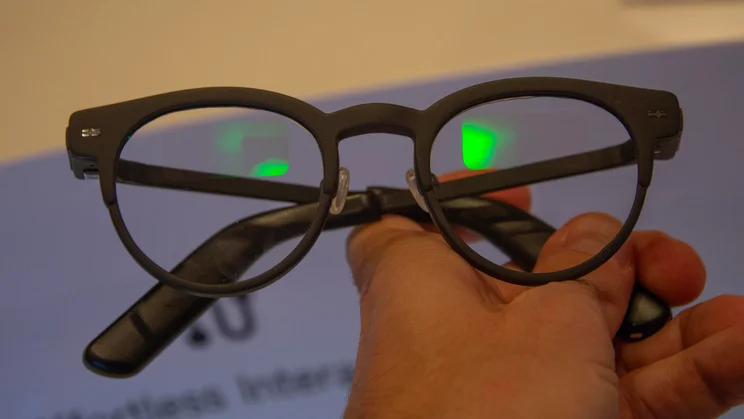
Table of contents
- MemoMind One Smart Glasses: The Future on Your Face
- Key Takeaways
- Introduction: The Rise of Invisible AI Companions
- What Are Smart Glasses? Defining Wearable Notification Glasses
- AI Display Eyewear Productivity: How Smart Glasses Supercharge Your Day
- MemoMind One Smart Glasses: An In-Depth Look at the Flagship
- Benefits and Considerations: Is MemoMind One Right for You?
- Frequently Asked Questions
Introduction: The Rise of Invisible AI Companions
Imagine a world where AI blends so seamlessly into daily life that you receive notifications without ever pulling out a phone—like glasses that project information directly into your field of view, keeping you present in the moment. This isn’t science fiction; it’s the reality ushered in by advanced memomind one smart glasses. These wearable notification glasses represent a leap in smart glass tech, capturing curiosity about how futuristic wearables are becoming everyday tools.
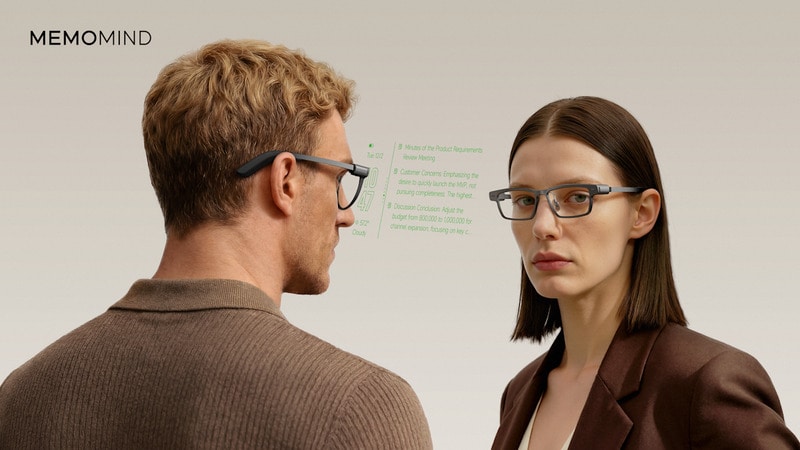
In this post, we’ll explore what these glasses offer, from their core functionality as discreet notification hubs to their role in boosting ai display eyewear productivity. Whether you’re a professional seeking hands-free efficiency or a student aiming to streamline learning, we’ll dissect how memomind one smart glasses fit into real-world scenarios, satisfying your informational curiosity about the next wave of smart eyewear.
What Are Smart Glasses? Defining Wearable Notification Glasses
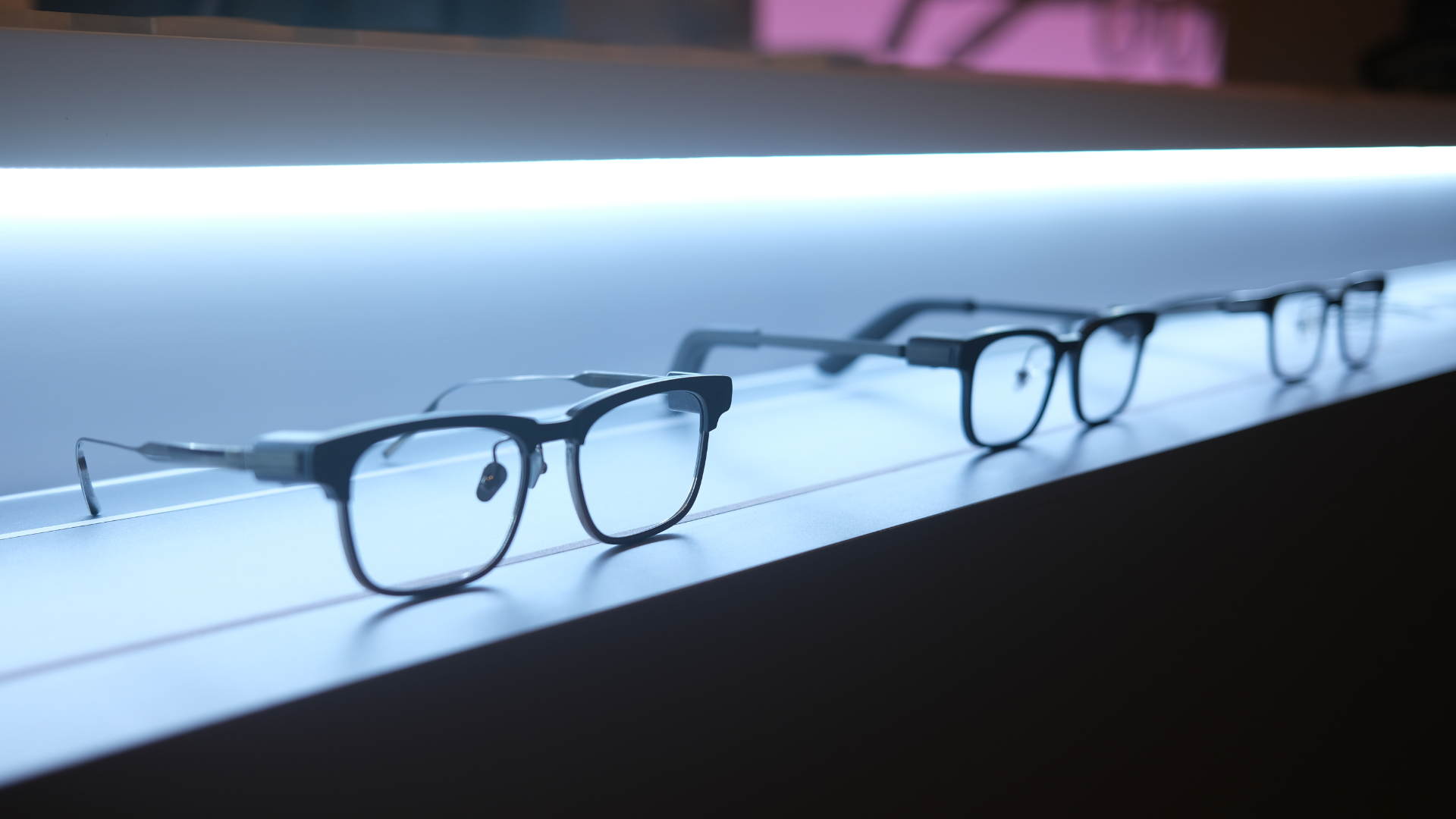
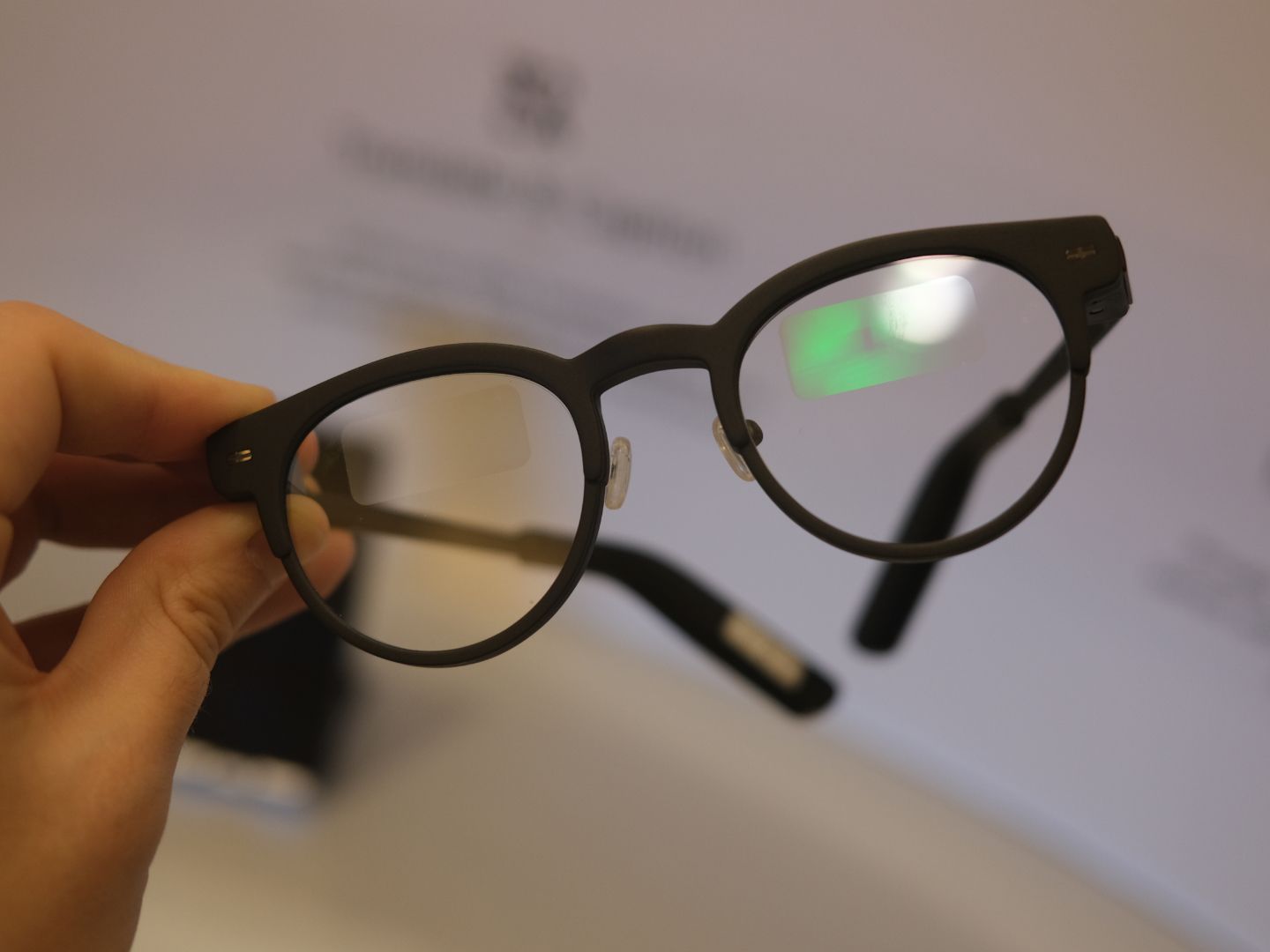
Smart glasses are ultralight, customizable wearables that use micro-projector technology to cast information—like a personal heads-up display—onto their lenses. For instance, the Memo Air Display variant weighs just 28.9 grams, making it barely noticeable during all-day wear. This evolution in smart glass tech draws from years of innovation, moving from bulky prototypes to sleek designs that prioritize comfort and integration into normal eyewear aesthetics.

At their core, wearable notification glasses serve a simple yet powerful function: delivering discreet visuals for calls, messages, calendars, news, stocks, or reminders. Using monochromatic green text to reduce eye strain, information is centered in your view without requiring head tilts or screen checks. As reviews note, this approach transforms how we interact with technology, keeping us connected without distraction.
The journey of smart glass tech has been marked by a shift toward practicality. Early attempts often felt clunky, but companies like XGIMI have leveraged their projector expertise to create stable, adaptive air-displays. As highlighted in XGIMI’s CES 2026 coverage, this tech now prioritizes lightweight comfort and seamless integration, moving beyond sci-fi tropes to become tools you’ll actually wear all day.

AI Display Eyewear Productivity: How Smart Glasses Supercharge Your Day
Where wearable notification glasses truly shine is in their ability to enhance ai display eyewear productivity. The MemoMind series, for example, features a multi-LLM OS that auto-selects models from OpenAI, Azure, or Qwen to handle background tasks. This turns the glasses into a proactive assistant, managing everything from real-time translation and summarization to note-taking and contextual guidance—all activated via app or voice commands.

Let’s dive into key use cases with technical specifics:
- Professionals: Enjoy hands-free device control, such as adjusting smart home settings or checking emails via voice. Quick info glances—like stock updates or calendar reminders—appear in your peripheral vision, reducing screen distraction and boosting focus. As industry insights suggest, this seamless integration can revolutionize workflows.
- Students: Record professor lectures with auto-summarization features, or use the “Convers” mode for real-time Q&A during study sessions. This turns learning into an interactive, efficient process, as demonstrated in hands-on reviews.
- Multitaskers: Get overlays for stocks, calendars, and news in a green monochromatic display, cutting down phone checks by delivering notifications peripherally. This constant flow of information, handled in the background, makes multitasking feel effortless.

Battery life is robust, supporting 8-10 hours of standalone use, with a charging case that extends this to a week through multiple charges. This ensures that ai display eyewear productivity isn’t hampered by frequent recharging, making the glasses a reliable companion for long days.
MemoMind One Smart Glasses: An In-Depth Look at the Flagship
The memomind one smart glasses stand as the most feature-rich model in the MemoMind family, which includes the One, Air Display, and the upcoming Air variant. Here’s what sets them apart:
- Dual-Eye Displays: Balanced monochromatic green screens for both eyes, ensuring clear visibility without strain.
- Integrated Audio: Harman Kardon speakers provide private audio for calls or AI interactions, enhancing discreet use.
- Intuitive Controls: Touch and button controls on the temples allow swipes for navigation and taps for actions, making interaction seamless.
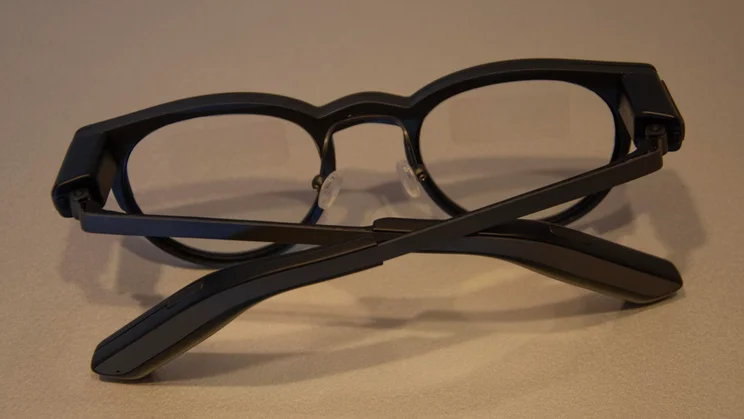
- Full Customization: Choose from frames in tortoise, clear, or gradient finishes, temples in titanium, brush, or matte styles, and oval or square shapes—tailoring the look to your personal or professional style.
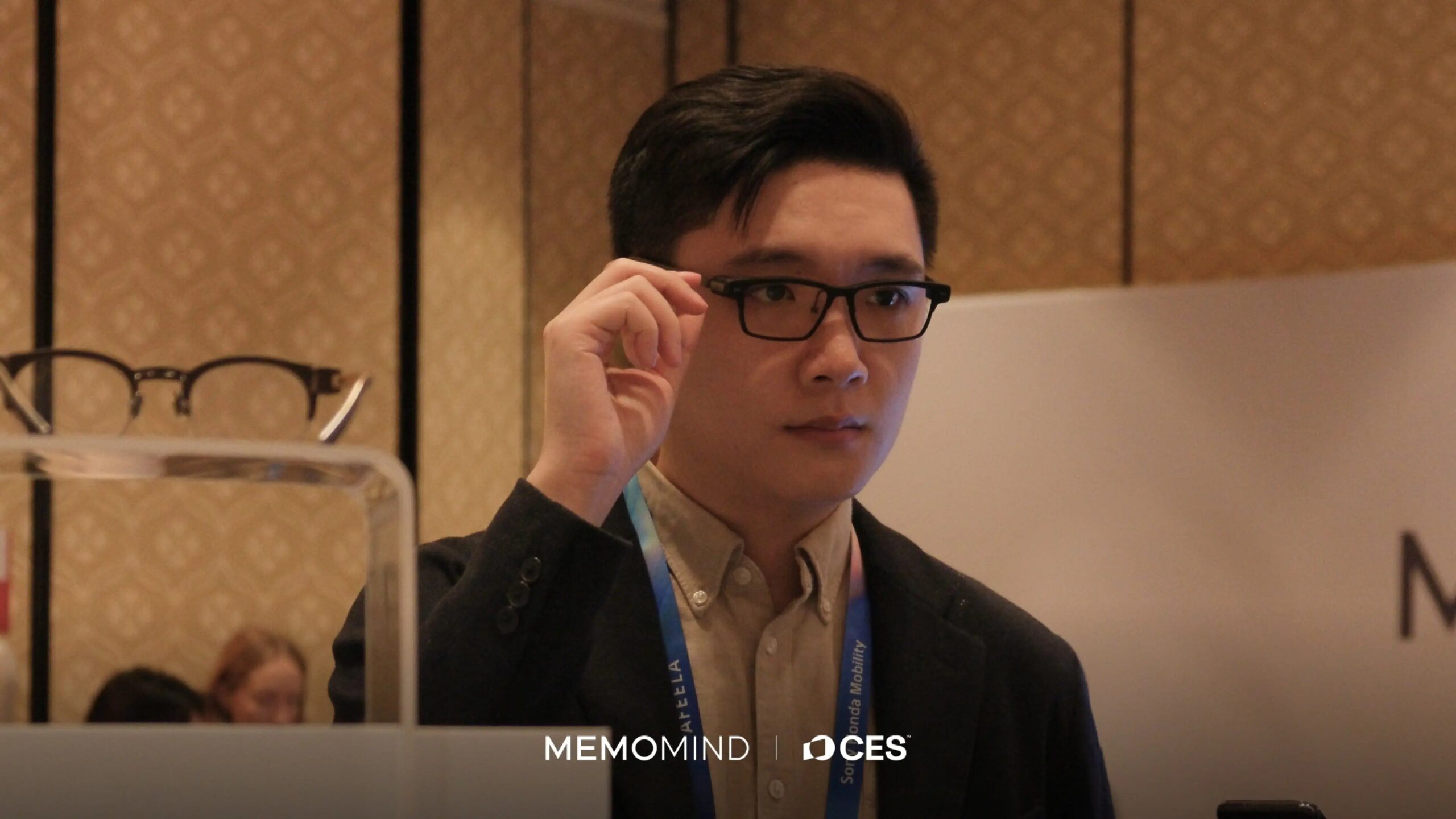
The design philosophy centers on “silent” AI: intuitive, unobtrusive use where mini-projectors create lens-based screens for everyday info, not for movies or AR gaming. This prioritizes comfort and a normal-glasses appearance, allowing them to blend into any setting. As noted in reviews, this approach makes the glasses feel like an extension of yourself rather than a gadget.
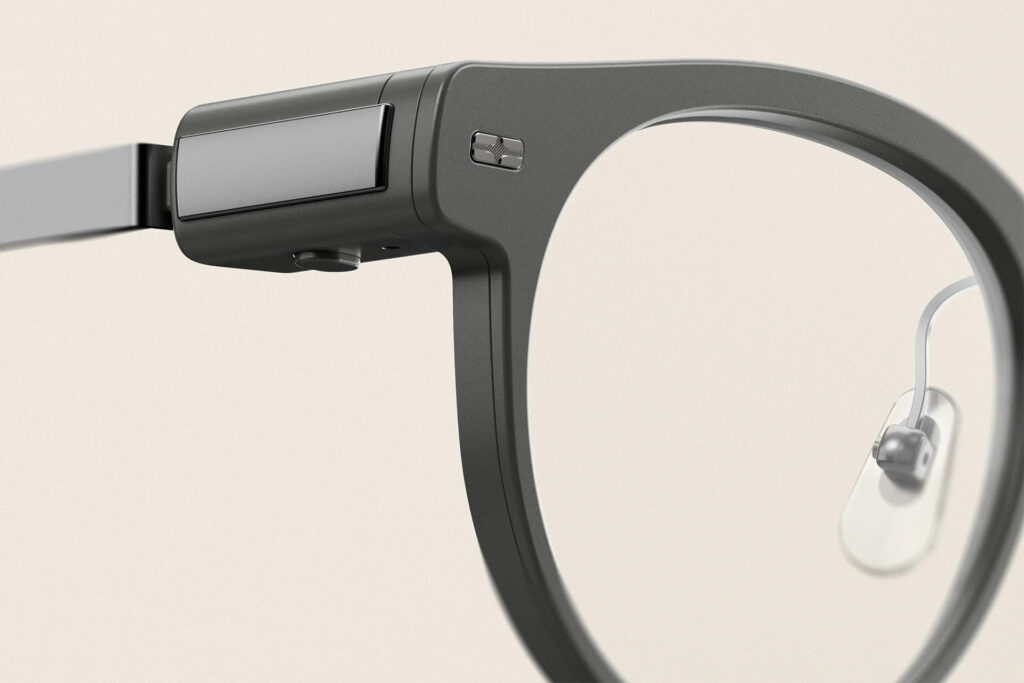
In the smart glass tech landscape, MemoMind One stands out for its lightness (under 30g in variants), week-long case battery, and pre-order price of ~$599. Its siblings cater to different needs: the Air Display offers a single display at 28.9g with no speakers for visual-focused users, while the Air model provides speakers only for audio notifications. This range, as highlighted in wearable tech guides, showcases how smart glass tech is diversifying to meet various lifestyles.
Benefits and Considerations: Is MemoMind One Right for You?
Summarizing the benefits, memomind one smart glasses cut phone dependency with always-on AI awareness—think proactive reminders without checking devices. They boost workflow via hands-free productivity, like translation during meetings or note-taking from conversations. Plus, their customizable design ensures all-day comfort, rivaling traditional eyewear with adjustable frames and low-strain green displays.

However, it’s essential to address considerations with details:
- Battery: With 8-10 hours standalone and a week using the case, management is minimal, but it requires occasional charging via the portable case.
- Privacy: Background AI keeps interactions brief and relevant, with data processed locally where possible to minimize exposure, as explained in demos.
- Social Acceptance: The streamlined, non-bulky design looks like regular glasses, helping them blend into daily life without drawing undue attention.
- Cost: At ~$599 for MemoMind One, it’s an investment; weigh the utility for multitaskers against the one-time expense, considering how wearable tech innovations often justify price with functionality.
Ultimately, memomind one smart glasses offer value as an everyday companion, not just a gadget, for curious users exploring smart eyewear. They advance smart glass tech toward practical tools via proactive AI and subtle displays, recapping key features like dual-eye green displays and multi-LLM productivity. We urge readers to match features—dual-display for heavy multitaskers, single-display for lighter use—to their lifestyle, with pre-orders imminent at ~$599. If you’re ready to embrace hands-free ai display eyewear productivity, explore MemoMind One and check XGIMI’s site for updates—it’s the next step in wearable innovation.
Frequently Asked Questions
How do MemoMind One smart glasses compare to other wearable notification glasses?
MemoMind One stands out with dual-eye displays, integrated Harman Kardon speakers, and a multi-LLM OS for advanced AI tasks. While other models like the Air Display focus on visuals only, the One offers a balanced suite of features for productivity, making it a flagship in smart glass tech.
Can I use MemoMind One for all-day wear without discomfort?
Yes! With weights as low as 28.9g in variants and customizable frames, they’re designed for all-day comfort. The monochromatic green display reduces eye strain, and the lightweight build ensures they feel like regular glasses, as noted in reviews.
What kind of AI tasks can these glasses handle for productivity?
The ai display eyewear productivity features include real-time translation, lecture summarization, note-taking, proactive reminders, and contextual guidance. The multi-LLM OS auto-selects models like OpenAI or Azure to run these tasks in the background, activated via voice or app.
Are there privacy concerns with AI glasses always listening or watching?
Privacy is a key consideration. The glasses use background AI that processes data locally where possible and keeps interactions brief. They don’t constantly record; instead, they activate for specific commands, minimizing data exposure.
What’s the battery life, and how does the charging case work?
Battery life is 8-10 hours on a single charge, with a portable charging case that provides multiple top-ups, extending use to about a week. This makes it convenient for daily use without frequent plug-ins.