
Micro RGB TV Innovation: Redefining Premium Home Entertainment
Estimated reading time: 7 minutes
Key Takeaways
- Micro RGB TV innovation is a fundamental breakthrough in display technology, using individually-controlled RGB LEDs for unprecedented color accuracy.
- This technology enables 100% coverage of the BT.2020 HDR color standard, surpassing previous technologies like quantum dot.
- Micro RGB TVs offer higher brightness than OLED while maintaining deep blacks, positioning them as a practical middle ground.
- The innovation is commercially available, with Samsung and LG leading the market, indicating its significance in premium display trends.
- Ultra large screen AI integration complements Micro RGB by optimizing content delivery through dynamic upscaling and ambient adaptation.
- Immersive home cinema tech extends beyond the display to include synchronized audio and ambient lighting, creating holistic viewing experiences.
- These advancements converge to define the future of premium display trends, emphasizing intelligence, scale, and ecosystem integration.
Table of contents
- Micro RGB TV Innovation: Redefining Premium Home Entertainment
- Key Takeaways
- The Pursuit of Perfect Picture Quality
- What is Micro RGB TV Innovation?
- Micro RGB in the Market
- The AI Companion: Ultra Large Screen AI Integration
- Beyond the Screen: Immersive Home Cinema Tech
- The Convergence: Three Pillars of Premium Display Trends
- Looking Forward: The Future of Home Entertainment
- Frequently Asked Questions
The Pursuit of Perfect Picture Quality
The quest for flawless picture quality in home entertainment has always been driven by a desire for realism—a window into other worlds that feels as vivid and true as life itself. Today, that pursuit has reached a pivotal moment with the advent of micro rgb tv innovation. As research findings note, “The pursuit of perfect picture quality has reached a pivotal moment. Micro RGB technology represents a fundamental breakthrough…” This isn’t just another incremental upgrade; it’s a reimagining of how displays render color and light, setting a new standard for premium home entertainment.
At this critical juncture, discrete technological advances—from microscopic LED engineering to intelligent processing systems—are converging to redefine premium display trends for discerning viewers. This blog aims to guide you through this evolution, exploring key innovations like micro rgb tv innovation, ultra large screen ai integration, immersive home cinema tech, and how they interconnect to shape the future of viewing. By understanding these trends, you’ll gain insights into where home entertainment is headed and what it means for your setup.
What is Micro RGB TV Innovation?
So, what exactly is micro rgb tv innovation? At its core, it’s a technology that fundamentally reimagines backlighting architecture. Traditional LCDs and even some advanced displays use uniform white or blue backlights filtered through color layers, which can lead to color filtration losses. In contrast, Micro RGB employs a dense matrix of individually-controlled red, green, and blue LEDs—each less than 100µm in size—positioned directly behind the display panel. This precision approach, as detailed in sources like Uperfect’s explanation, allows for unprecedented control over light and color.
The advantages are staggering. By eliminating color filtration losses, Micro RGB TVs can deliver 100 percent coverage of the BT.2020 HDR color standard—an industry-first achievement. This means the display can produce billions of colors natively and render a higher percentage of them in the visible spectrum than any previous TV technology, surpassing even quantum dot technology. Research confirms that this precision enables a visual experience closer to reality.
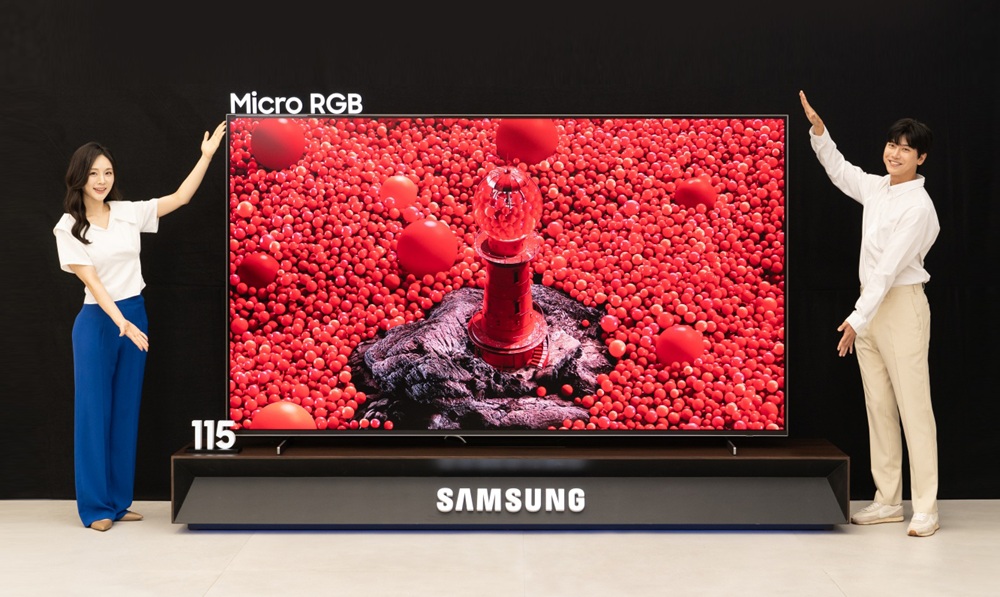
When it comes to contrast and brightness, micro rgb tv innovation shines. Each red, green, and blue LED can be controlled with granular precision, enabling higher brightness levels than OLED while maintaining deeper blacks through advanced local dimming zones. Unlike Micro LED, which switches pixels completely on and off, Micro RGB achieves this through finer brightness modulation of its RGB backlights. This positions it as a practical middle ground between Mini LED’s brightness and OLED’s contrast, offering the best of both worlds. As explored in detail, this technology is the foundational leap enabling other premium display trends.
Micro RGB in the Market
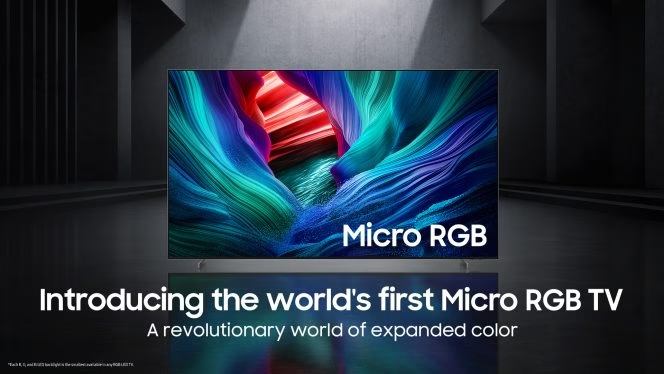
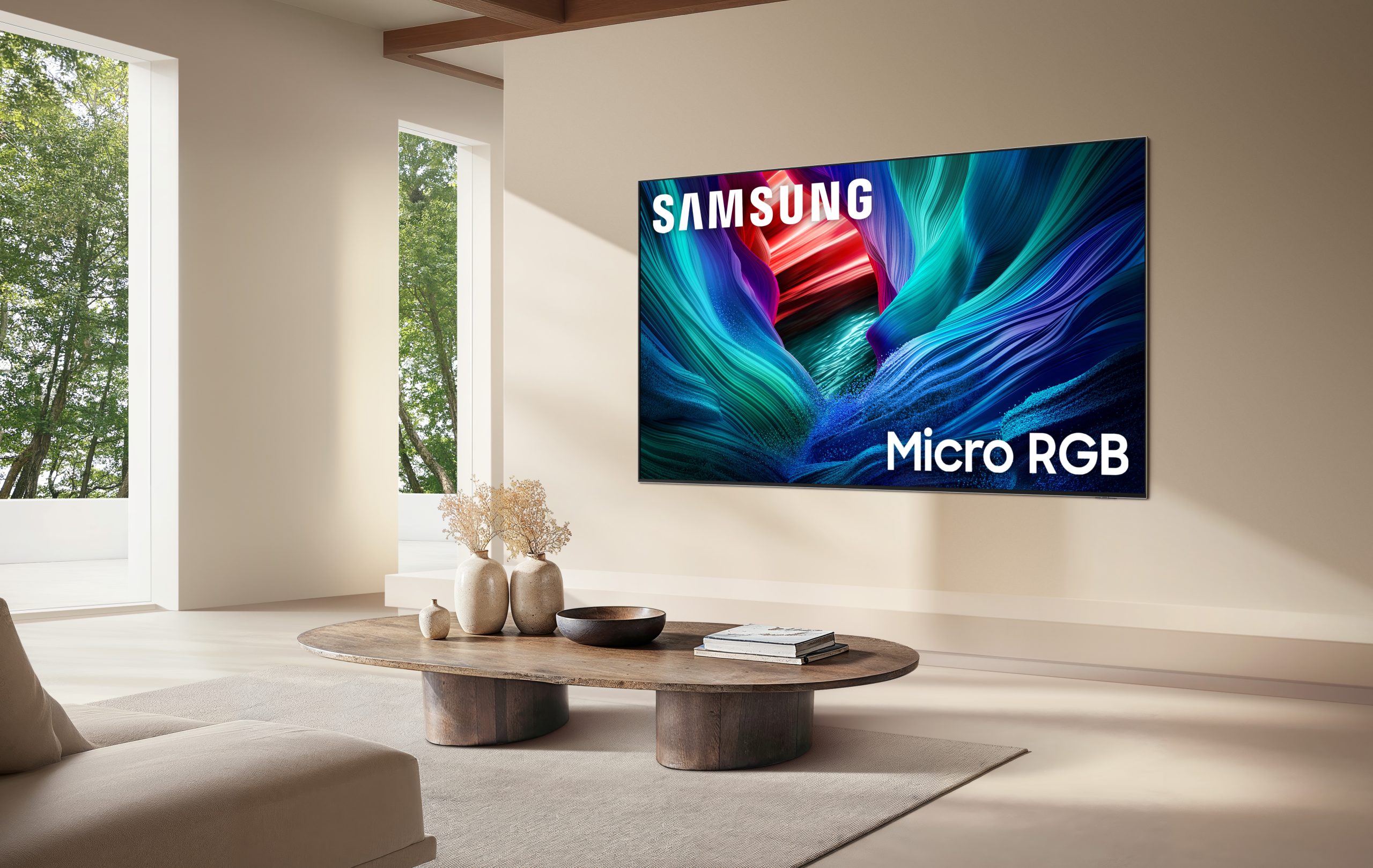
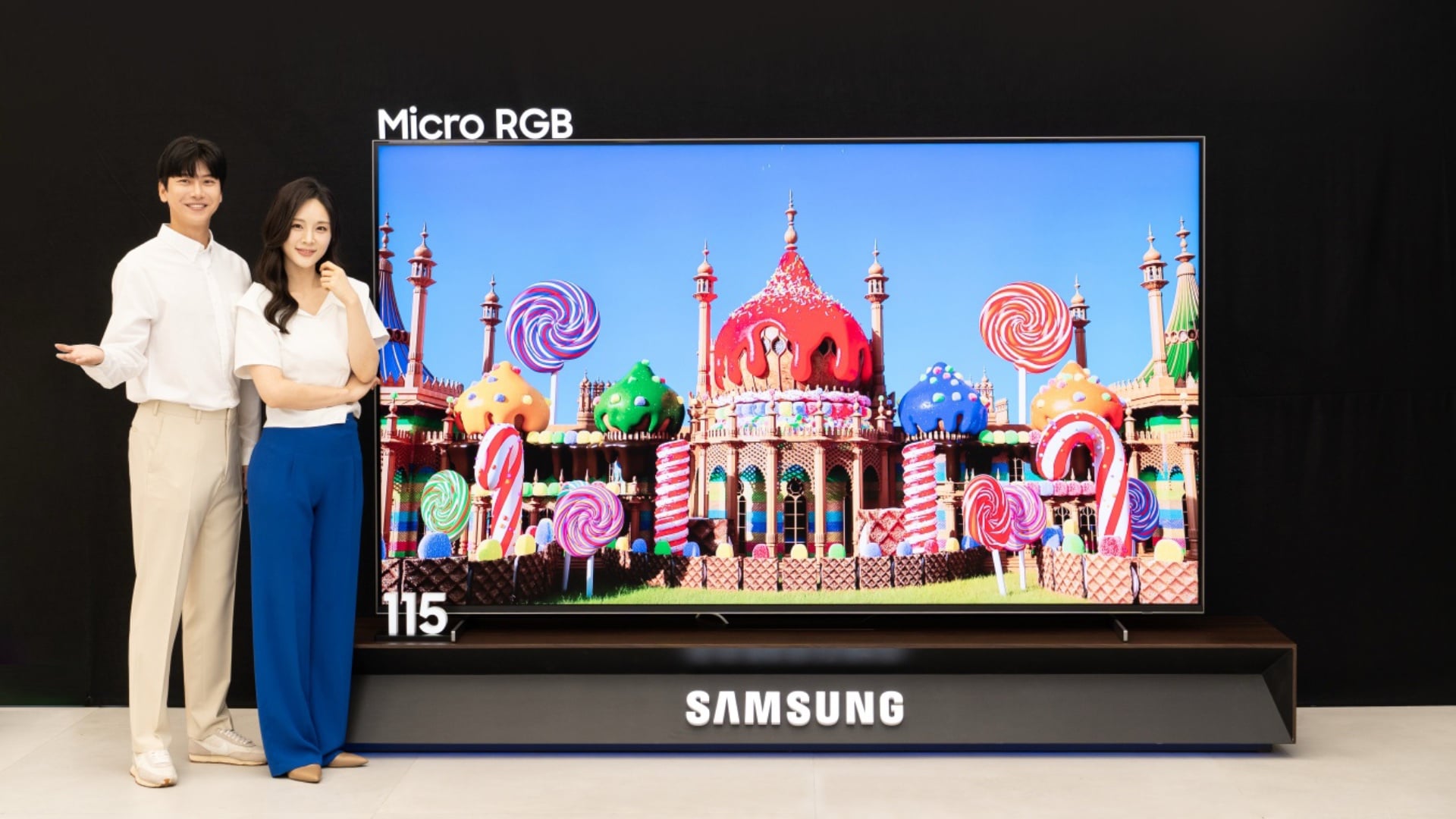
The micro rgb tv innovation isn’t just a prototype; it’s a commercial reality. Samsung has taken the lead with its 115-inch 4K MR95F model, the first commercially available Micro RGB TV, marking the technology’s debut in the premium market.
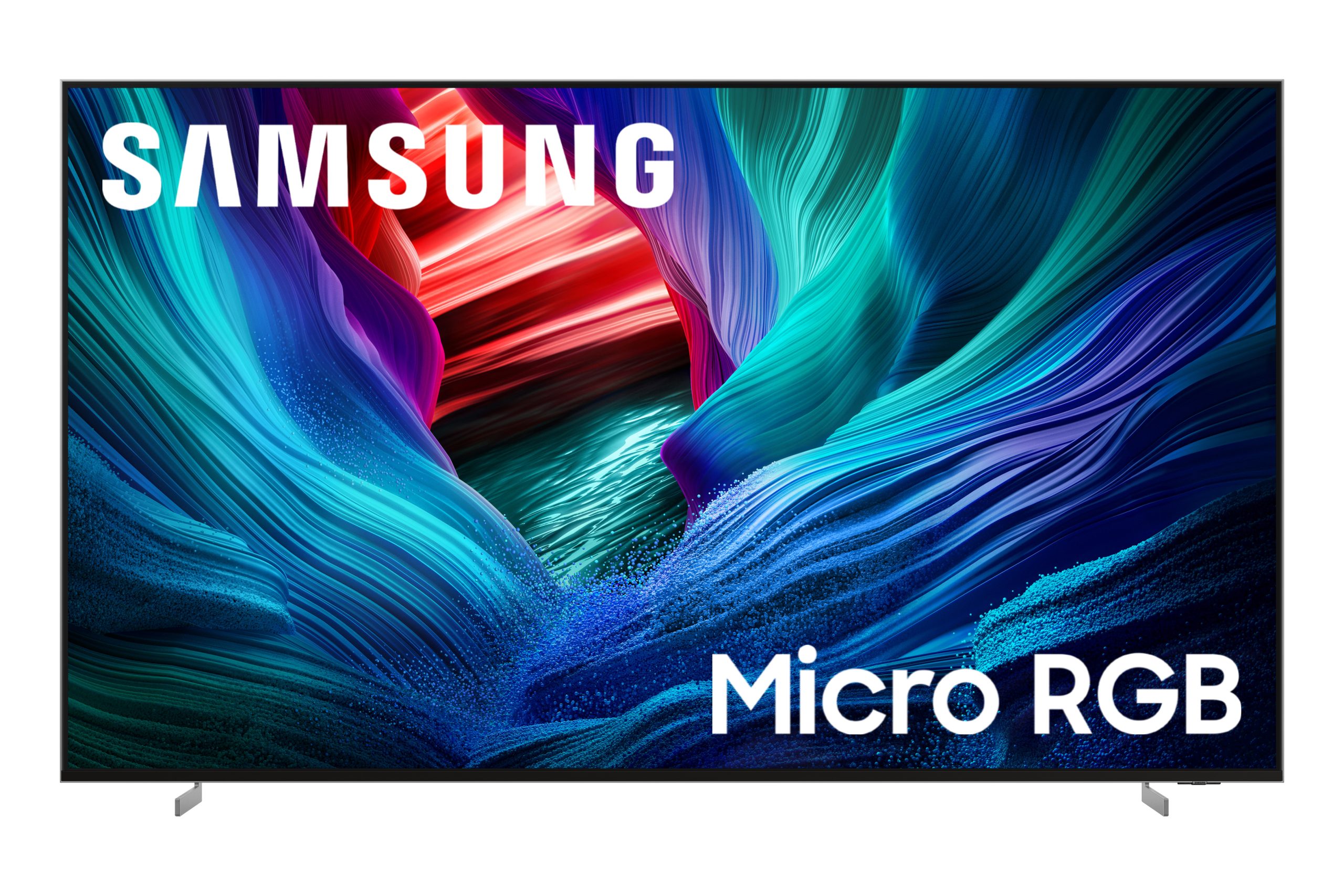
Samsung plans a full lineup expansion from 55 to 115 inches, introducing Micro RGB Precision Color 100 certification for consistent performance. Models are expected later in 2026 at premium price points, as reported by Engadget.
Competition is already heating up. LG has also introduced Micro RGB technology at CES 2026, demonstrating that it’s not exclusive to Samsung and validating its industry significance.
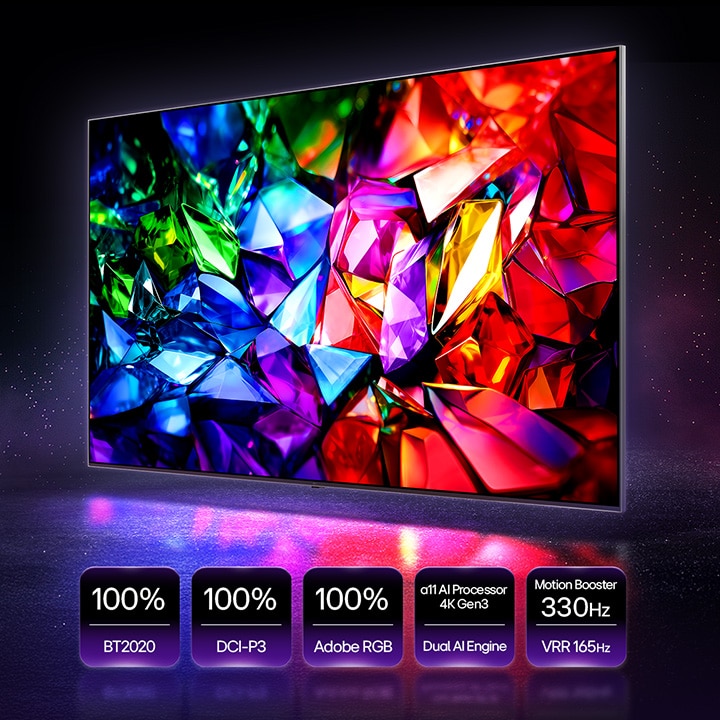
This showcase highlights the growing adoption of this innovation. This market activity builds excitement around micro rgb tv innovation as a maturing trend within premium display trends, signaling that it’s here to stay.
The AI Companion: Ultra Large Screen AI Integration
With micro rgb tv innovation enabling unprecedented color precision on large canvases, ultra large screen ai integration becomes essential for optimization. Modern premium displays incorporate AI processors that handle dynamic upscaling, noise reduction, and frame rate adjustment, all calibrated for Micro RGB’s extended color gamut and brightness range. As noted, “AI integration becomes essential for optimizing content delivery at these scales… intelligent processors that handle dynamic upscaling, noise reduction, and frame rate adjustment.”
The benefits of AI are multifaceted:
- It amplifies hardware precision by mapping incoming content to exploit the full color range.
- Brightness advantages shine via ambient adaptation algorithms that adjust output in real-time based on room lighting and user preferences.
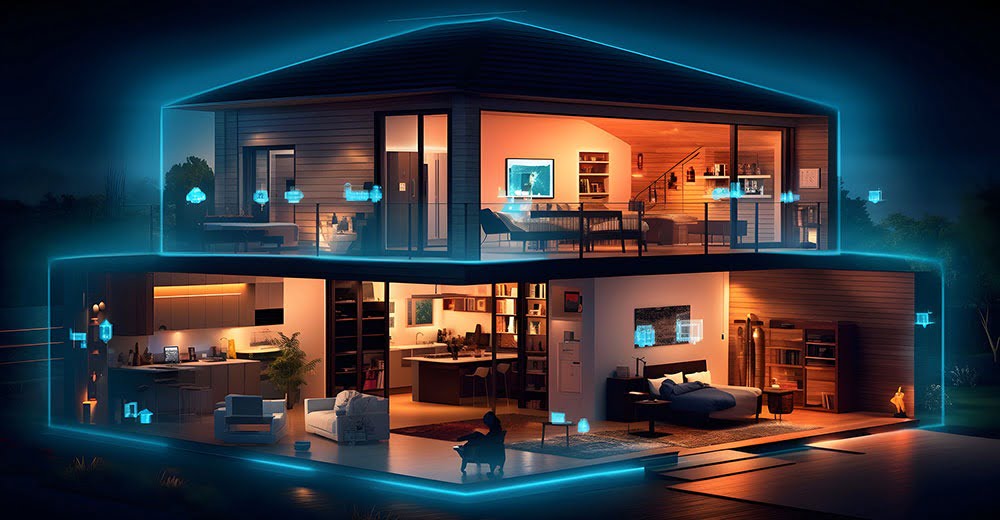
- Moreover, AI’s role extends to learning user behavior and integrating with smart home ecosystems, making it a key component of premium display trends.
Research on AI-powered smart homes underscores how this intelligence enhances the viewing experience.
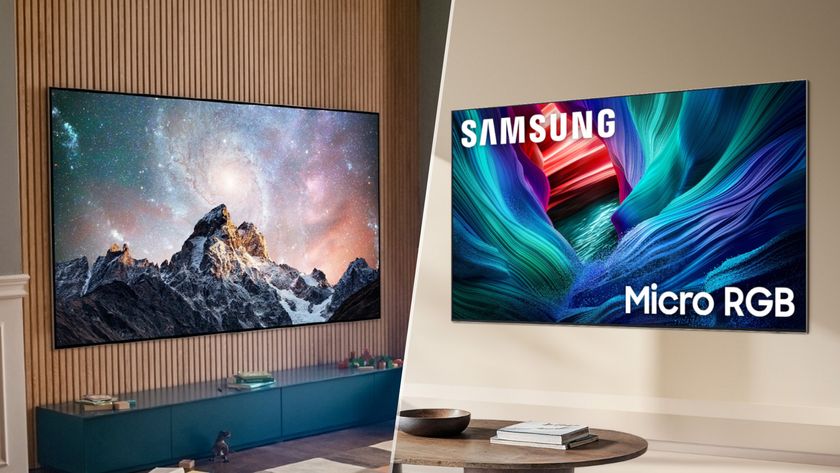
In essence, ultra large screen ai integration ensures that the raw power of micro rgb tv innovation is fully utilized, delivering tailored visuals that adapt to context and content.
Beyond the Screen: Immersive Home Cinema Tech
The journey doesn’t end at the display. Immersive home cinema tech transcends the screen, creating holistic experiences that engage all senses. Micro RGB’s superior brightness and color accuracy form the visual foundation, integrated with panoramic and ultra large screen formats that leverage Micro RGB’s uniformity across expansive displays.
Complementary elements include:
- Object-based audio integration synchronized with precise on-screen imagery.
- Ambient lighting synchronization that extends the display’s color palette into the viewing environment, enhancing perceived immersion.
As detailed in smart home device reviews, these technologies work together to create a seamless atmosphere.
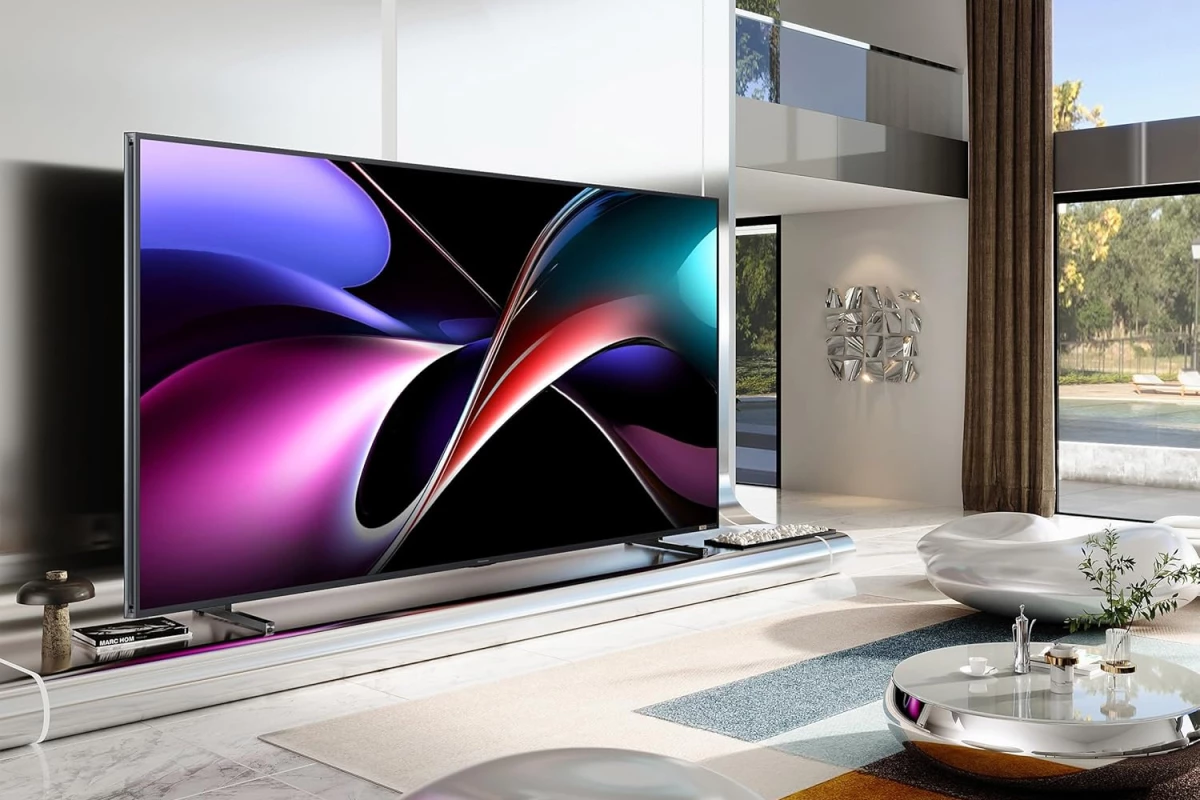
The technological stack is clear: precise pixels from micro rgb tv innovation, intelligent scaling via ultra large screen ai integration, massive screens, and environmental adaptation unite to form immersive home cinema tech. This trend is about viewing the display as part of a larger ecosystem, where every element contributes to realism.
The Convergence: Three Pillars of Premium Display Trends
These advancements consolidate into three interconnected pillars defining premium display trends:
- Micro RGB innovation for visual foundation via color accuracy and brightness.
- AI integration (linking to ultra large screen ai integration) for dynamic content optimization and adaptation.
- Immersive ecosystem design (linking to immersive home cinema tech) connecting display to audio, spatial, and environmental systems.
Research on AI integration highlights how these elements synergize.
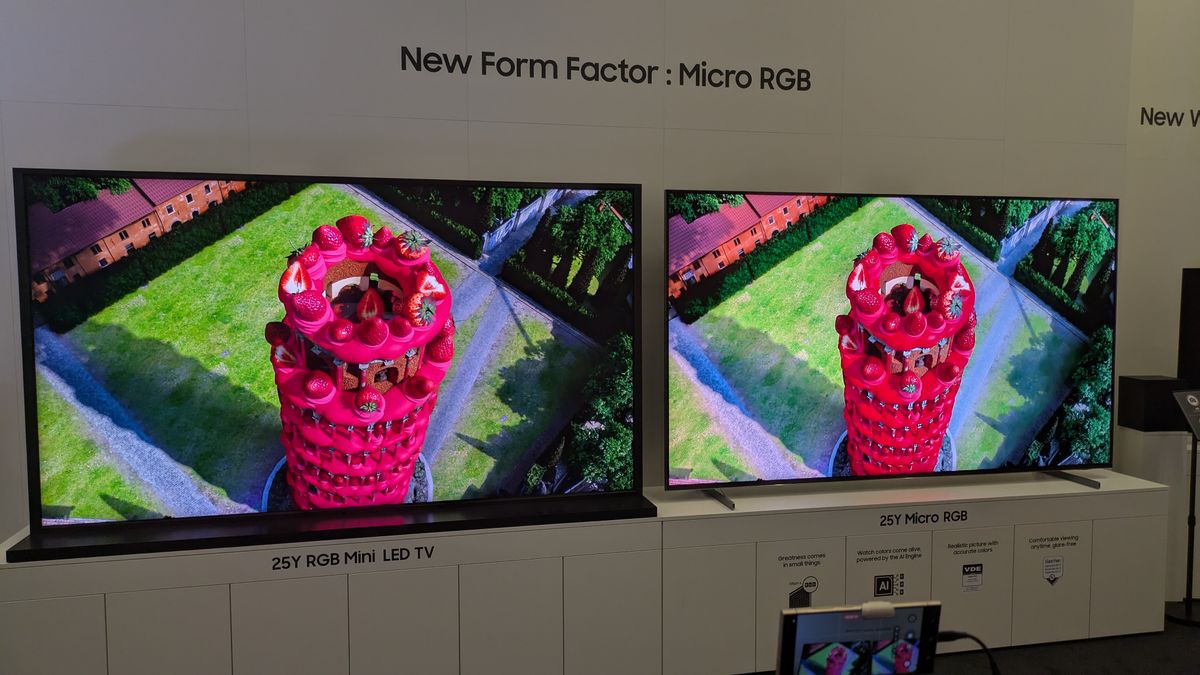
The market direction is evident: premium displays are becoming intelligent, scaled, and environmentally integrated. The screen is no longer an isolated component but the centerpiece of coordinated experiences. For readers building or upgrading home setups, this means investments extend beyond specs to intelligent systems and immersive environments. Practical perspectives suggest that value now lies in how well technology integrates into daily life.
By referencing all four keywords—micro rgb tv innovation, ultra large screen ai integration, immersive home cinema tech, and premium display trends—we see their convergence shaping the future of home entertainment.
Looking Forward: The Future of Home Entertainment
The evolutionary path is clear: from micro rgb tv innovation‘s precision, through ultra large screen ai integration‘s intelligence, to immersive home cinema tech‘s holistic design, all shaping premium display trends toward realistic, seamless experiences. Looking ahead, displays will advance in deeper color precision (building on Micro RGB), greater contextual intelligence (expanding AI), and sophisticated home ecosystem integration.
The drive is toward viewing like natural windows into content, not tech consumption. As we move forward, understanding these innovations clarifies premium market directions and upgrade value. For those tracking display tech evolution, staying ahead means exploring Micro RGB models or AI-enhanced setups today. We invite you to share your thoughts on the future of home cinema in the comments—what trends excite you most?
Frequently Asked Questions
Q: What makes Micro RGB TV innovation different from OLED or QLED?
A: Micro RGB uses individually-controlled red, green, and blue LEDs for backlighting, eliminating color filtration losses and enabling 100% BT.2020 color coverage. OLED relies on self-emissive pixels for perfect blacks but can struggle with brightness, while QLED uses quantum dots to enhance color but still depends on a backlight. Micro RGB combines high brightness with deep blacks and superior color accuracy.
Q: Is Micro RGB technology available for purchase now?
A: Yes, Samsung has launched the first commercial Micro RGB TV with its 115-inch MR95F model, and other sizes are expected in 2026. LG has also showcased Micro RGB tech, indicating broader market availability soon.
Q: How does AI integration enhance a Micro RGB TV?
A: AI processors optimize content by upscaling resolution, reducing noise, and adjusting frame rates to match Micro RGB’s color and brightness capabilities. They also adapt to ambient lighting and user preferences, ensuring the best possible picture quality in any environment.
Q: What is included in immersive home cinema tech?
A: It encompasses the display, object-based audio systems like Dolby Atmos, ambient lighting synchronization, and smart home integration. The goal is to create a cohesive environment where visuals, sound, and lighting work together for total immersion.
Q: Are Micro RGB TVs worth the investment for average consumers?
A: For enthusiasts seeking the pinnacle of picture quality and future-proofing, yes. However, they come at a premium price. As the technology matures and becomes more widespread, prices may become more accessible, but for now, they target the high-end market.