
The Microsoft HoloLens 3 Release Date Mystery: Cancelled, and Your Guide to Enterprise AR in 2026
Estimated reading time: 8 minutes
Key Takeaways
- There is no microsoft hololens 3 release date because Microsoft cancelled HoloLens 3 development and ended HoloLens 2 production in October 2024, with support ending December 31, 2027.
- Microsoft has shifted focus to software, partnerships, and military contracts like IVAS, confirming its exit from consumer/enterprise MR hardware production.
- Enterprises must now explore industrial ar headset 2026 alternatives, prioritizing ai vision overlay and immersive collaboration hardware for future-proof strategies.
- Key competitors like Magic Leap 2, Vuzix, and RealWear offer viable options with advanced features for industrial use cases.
- Actionable steps include inventorying current assets, benchmarking competitors, and launching software pilots independent of hardware.
Table of contents
- The Microsoft HoloLens 3 Release Date Mystery: Cancelled, and Your Guide to Enterprise AR in 2026
- Key Takeaways
- Introduction: The HoloLens Era Ends
- The End of HoloLens: What Happened?
- Implications for Current Users
- Industrial AR Headset 2026: The New Contenders
- AI Vision Overlay: The Software-Driven Future
- Immersive Collaboration Hardware: Beyond Single Devices
- Strategic Next Steps for Enterprises
- Frequently Asked Questions
Introduction: The HoloLens Era Ends
Let’s address the elephant in the room: there is no microsoft hololens 3 release date. In a pivotal shift, Microsoft has cancelled HoloLens 3 development and ended HoloLens 2 production as of October 2024, with official support concluding on December 31, 2027. The company is now redirecting its energies toward software ecosystems, strategic partnerships, and military contracts like the Integrated Visual Augmentation System (IVAS).
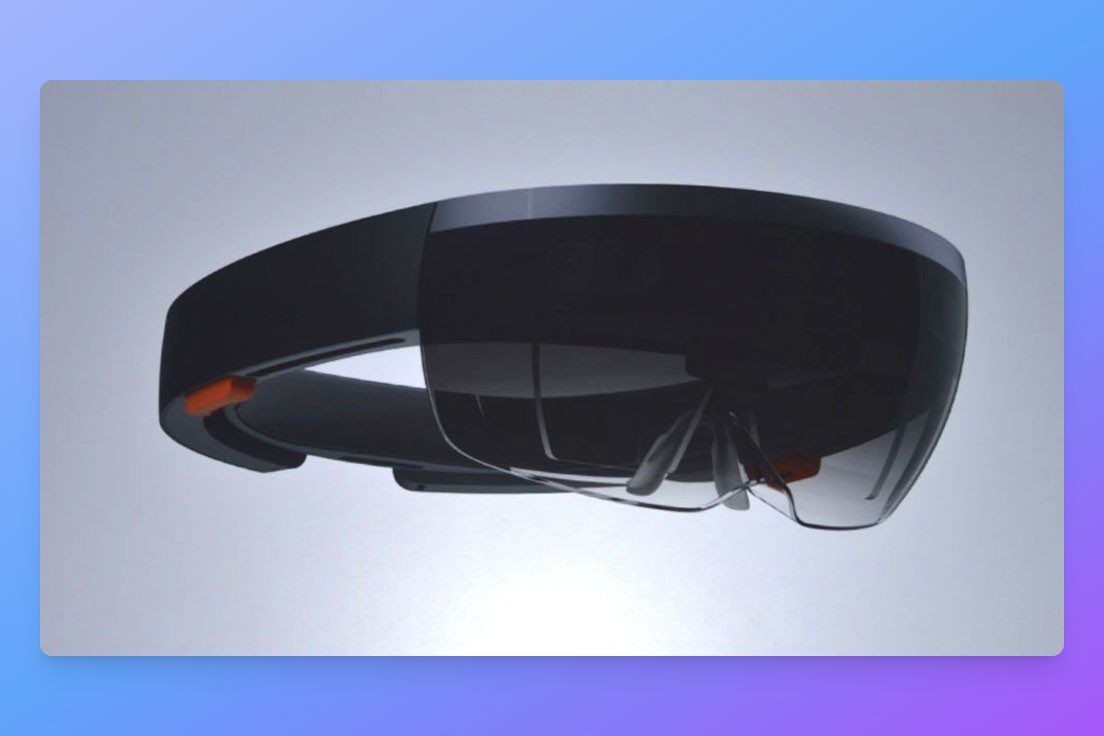
This blog post serves as a guide for enterprise users tracking augmented reality (AR) devices through this industry pivot. We’ll explore the evolving landscape, focusing on industrial ar headset 2026 alternatives, the rise of ai vision overlay, and the critical role of immersive collaboration hardware for 2026 and beyond. Our goal is to satisfy your informational intent by providing timely updates, practical alternatives, and strategic advice.
What does this mean for your enterprise AR strategy? Microsoft’s confirmed exit from consumer and enterprise mixed reality hardware production, as stated in official announcements, marks the end of an era. However, the company remains committed to software platforms like Mesh and Azure AI, ensuring that its ecosystem evolves beyond hardware. This pivot underscores a broader trend: the future of industrial AR is becoming hardware-agnostic, driven by intelligent software and collaborative tools.
The End of HoloLens: What Happened?
To understand the absence of a microsoft hololens 3 release date, we must look at the timeline. HoloLens 3 plans were indeed in the works, but development was scrapped, with no release date ever set. Rumors of partnerships with Samsung or consumer-focused versions were either refuted or abandoned, as detailed in reports from various sources.
Why did Microsoft pivot? Several factors contributed:
- Organizational Changes: Layoffs in 2023 significantly reduced the HoloLens team, shifting internal priorities.
- Strategic Focus: Microsoft doubled down on software and services, alongside military engagements like IVAS, which offered more predictable revenue streams.
- Market Realities: HoloLens 2 sold approximately 520,000 units, but the market demanded higher performance that Microsoft deemed unprofitable to deliver at scale. As one analysis notes, the hardware race was outpaced by software innovation.
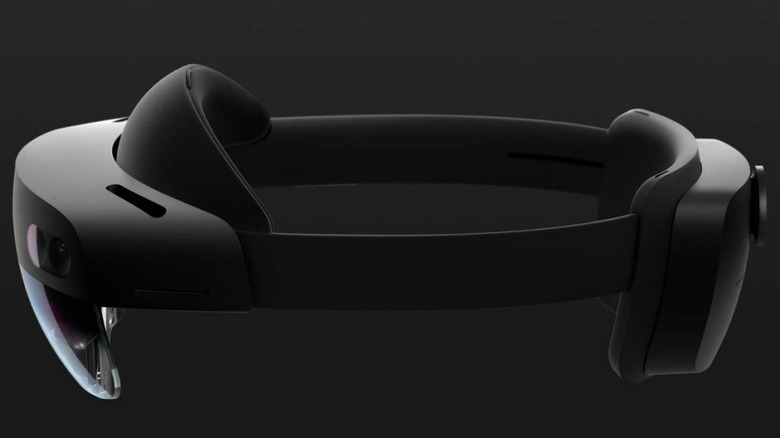
This decision was confirmed through multiple channels, including official statements and industry insights. Microsoft’s commitment now lies in leveraging its cloud and AI capabilities, rather than competing in the crowded hardware arena.
Implications for Current Users
For enterprises relying on HoloLens 2, the implications are immediate and significant. Production has halted, leaving limited stocks available. More critically, security updates will end in 2027, meaning systems could become vulnerable if not migrated.
Key facts to consider:
- Stock Depletion: HoloLens 2 units are now a finite resource—once they’re gone, they’re gone.
- Support Timeline: Mark December 31, 2027, on your calendar; after this date, no further updates will be provided.
- Migration Urgency: Waiting for a non-existent HoloLens 3 risks obsolescence and operational disruptions.
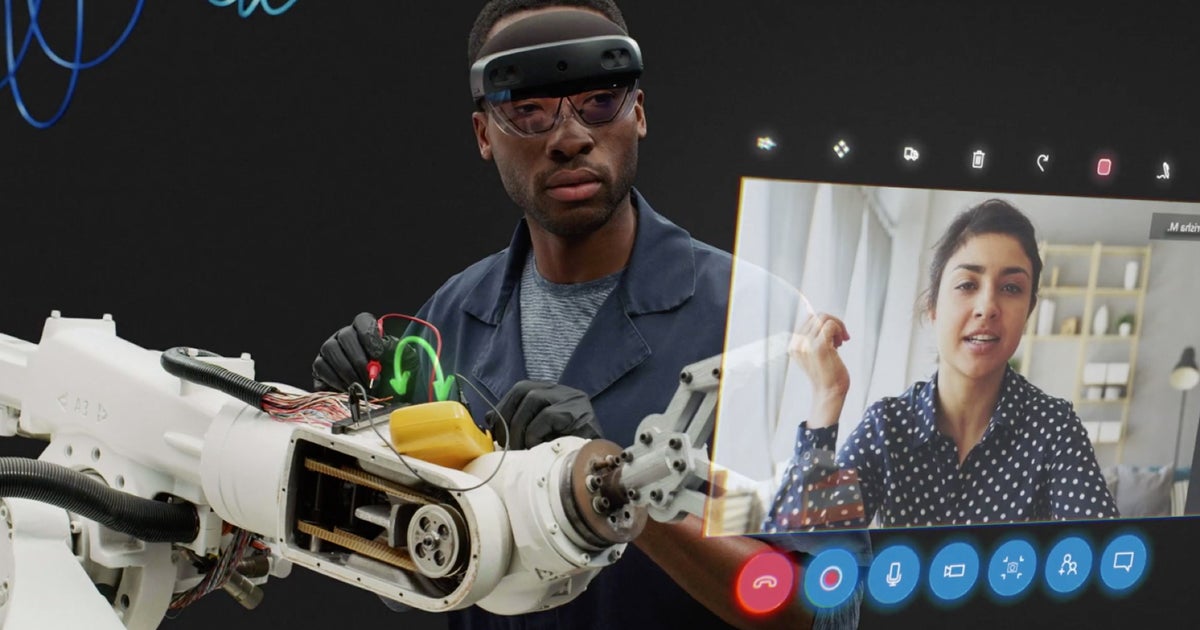
This scenario necessitates a proactive approach. Enterprises must plan their migration now, exploring industrial ar headset 2026 options that can seamlessly integrate into existing workflows while offering enhanced capabilities. The shift isn’t just about replacing hardware; it’s about upgrading your entire AR strategy to be more resilient and future-proof.
Industrial AR Headset 2026: The New Contenders
With the industrial ar headset 2026 landscape heating up, several competitors are poised to fill the void left by HoloLens. These devices are designed with enterprise durability, performance, and scalability in mind.
Top Competitors to Watch:
- Magic Leap 2: Enterprise-focused mixed reality with a wide field-of-view, ideal for design visualization and immersive training scenarios.
- Vuzix M-Series: Features rugged blade optics for field service in harsh environments, offering hands-free access to data and manuals.
- RealWear Navigator: Voice-controlled rugged headsets tailored for hands-free industrial tasks like maintenance and inspections.
- Apple Vision Pro Enterprise Adaptations: While consumer-focused, its high-precision spatial computing can be adapted for specialized workflows in controlled settings.
Hardware Trends for 2026: Expect significant advancements that make these devices more viable for all-day industrial use:
- Slimmer, lighter form factors for improved comfort during extended wear.
- Wider field-of-view (greater than 50 degrees) for more immersive and practical overlays.
- 8+ hours of battery life to support full shift operations without frequent recharging.
- Edge AI processing for low-latency tasks such as real-time assembly guidance and defect detection.
These trends align with benchmarks set by HoloLens 2 Industrial Edition, including ISO clean-room and flammable safety standards, which competitors now match or exceed. To help you compare, here’s a quick overview:
| Device | Key Strengths | Industrial Use Cases | 2026 Readiness |
|---|---|---|---|
| Magic Leap 2 | High-fidelity mixed reality, wide FOV | Design review, remote assistance | High (already enterprise-deployed) |
| Vuzix M-Series | Rugged design, sunlight-readable displays | Field service, logistics | High (scalable for teams) |
| RealWear Navigator | Voice control, hands-free operation | Maintenance, inspections in noisy environments | High (proven in oil & gas, manufacturing) |
| Apple Vision Pro | High-resolution passthrough, precise tracking | Precision training, collaborative design | Moderate (requires enterprise customization) |

This diversity in options means that enterprises can select industrial ar headset 2026 solutions tailored to specific operational needs, rather than relying on a one-size-fits-all approach.
AI Vision Overlay: The Software-Driven Future
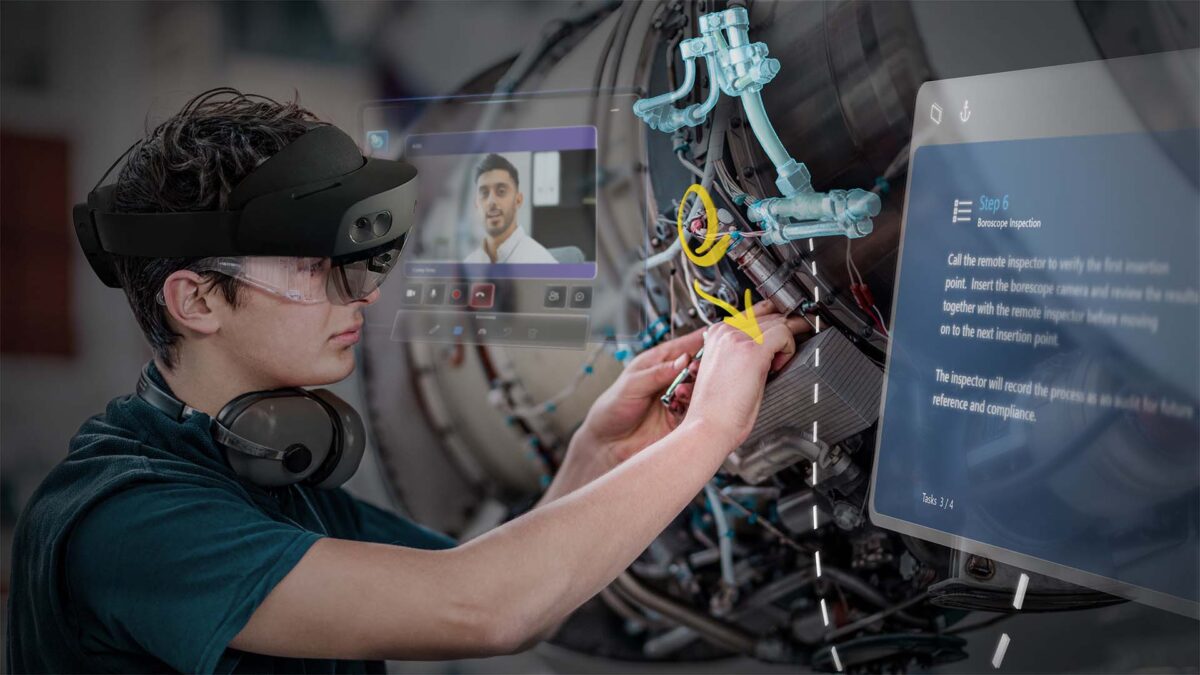
AI vision overlay represents the next frontier in industrial AR. It refers to the real-time superimposition of computer vision features onto a worker’s field of view, enabling intelligent interactions with the physical world. Key applications include:
- Object Recognition: Automatically identifying parts or components during assembly processes.
- Procedural Annotations: Displaying step-by-step instructions overlaid directly onto machinery.
- Defect Detection: Highlighting flaws or anomalies through AI analysis of visual data.
- Guidance Systems: Providing arrow or path instructions for complex repair tasks.
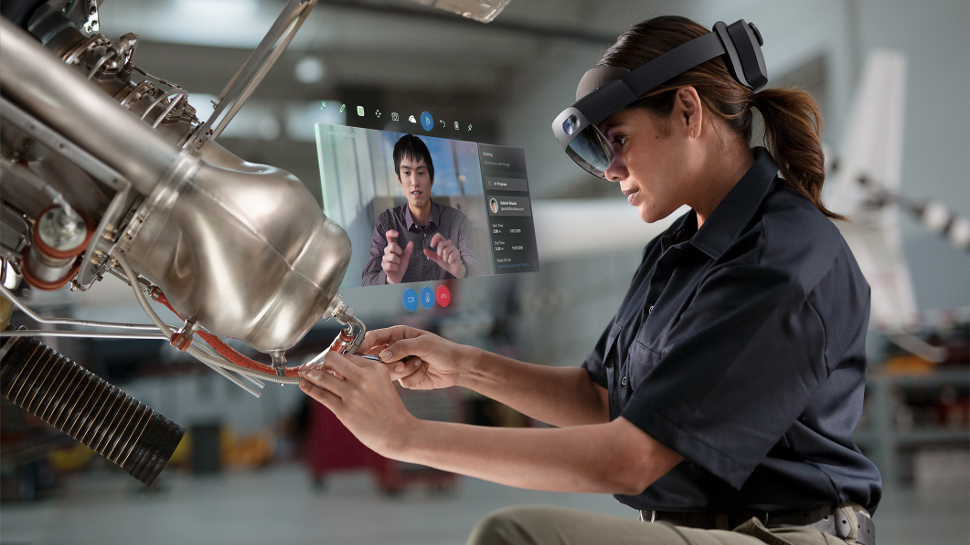
This technology is inherently hardware-agnostic, running via cloud or edge processing, which aligns perfectly with Microsoft’s post-HoloLens strategy. Even after exiting hardware, Microsoft’s Mesh and Azure AI services can power ai vision overlay on any compatible headset, turning it into a “killer app” for enterprise value in areas like remote diagnostics and immersive training.
Visualize this: A technician views an engine assembly, and the AI overlay highlights a cracked component while simultaneously displaying the repair procedure. This seamless integration of AI and AR reduces errors and accelerates workflow.
2026 Outlook: The maturity of ai vision overlay will likely outpace raw hardware specs, emphasizing software-driven ROI. As AI models become more efficient and accessible, these overlays will enable scalable applications that transform everyday industrial tasks, making them safer, faster, and more accurate.
Immersive Collaboration Hardware: Beyond Single Devices
Immersive collaboration hardware encompasses AR headsets and associated systems that enable teams to work together in shared digital spaces, regardless of physical location. Core features include:
- Shared Holograms: Multi-user 3D models that can be viewed and manipulated simultaneously by distributed teams.
- Remote Expert Assistance: Real-time video feeds with annotation capabilities, allowing experts to guide on-site workers.
- Collaborative Design Reviews: Digital twins that enable team editing and feedback in virtual environments.
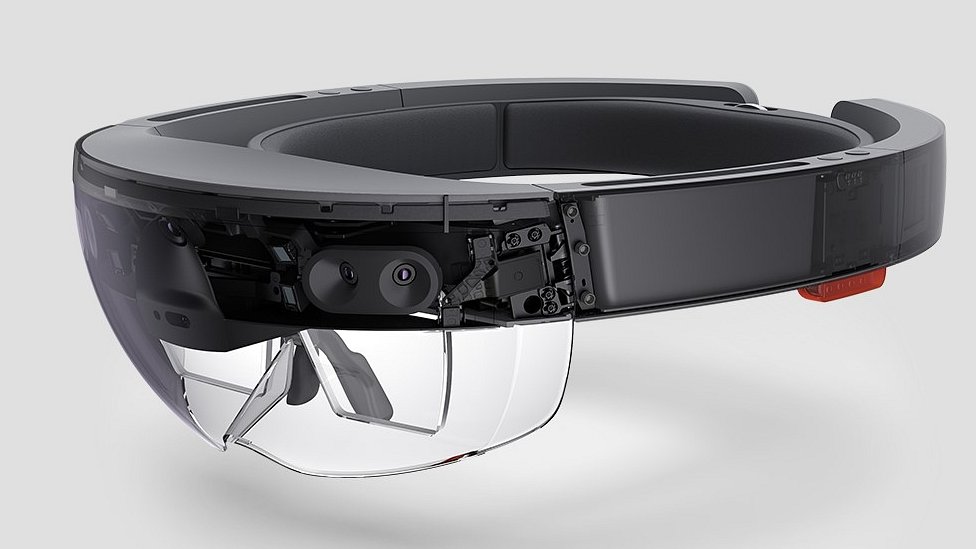
Ecosystem integration is crucial here. Pairing immersive collaboration hardware with cloud platforms like Azure, AWS, or Google Cloud ensures cross-device compatibility and scalable workflows. Innovations in modularity—such as adjustable sensors and optics from recent patents—allow for customization to fit specific industrial environments.
With HoloLens out of the picture, competitors like RealWear and Vuzix are stepping up, offering rugged, team-scalable solutions that excel in factory and field settings. For example, a technician in a remote mining site can collaborate with headquarters engineers via shared AR overlays, discussing real-time data and visual guides without leaving the site.
This shift underscores that the value of immersive collaboration hardware lies not in the device alone, but in its ability to connect people and data seamlessly, driving productivity and innovation across organizations.
Strategic Next Steps for Enterprises
Given the absence of a microsoft hololens 3 release date, enterprises should avoid waiting and instead pilot industrial ar headset 2026 options. Devices from Vuzix or RealWear, for instance, match or exceed HoloLens 2 in durability and functionality, offering a clear path forward.
Strategic Advice on Build-vs-Buy: Prioritize hardware-agnostic software solutions like ai vision overlay and immersive collaboration hardware. By testing these through pilots, you can future-proof investments and ensure flexibility as the market evolves.
Actionable Steps in a Numbered List:
- Inventory HoloLens 2 Assets: Assess your current deployment and plan for phase-out before the 2027 end-of-support date.
- Benchmark Competitors Quarterly: Evaluate 2-3 alternative devices on metrics such as battery life, field-of-view, AI latency, and total cost of ownership.
- Launch Software Pilots Independent of Hardware: Test AI vision and collaboration platforms on different devices to identify the best fit for your workflows.

This proactive approach ensures that your enterprise remains agile and competitive, leveraging the latest advancements in AR technology without being tethered to a single vendor’s roadmap.
Frequently Asked Questions
Is HoloLens 3 cancelled?
Yes. Development was scrapped with no microsoft hololens 3 release date or future plans announced. Microsoft has confirmed this shift in multiple reports.
What can I use instead of HoloLens 2 today?
Consider industrial ar headset 2026 contenders like Magic Leap 2 for mixed reality, Vuzix M-series for rugged field use, or RealWear Navigator for voice-driven tasks. Additionally, you can purchase remaining HoloLens 2 stock before support ends in 2027, but migration planning is essential.
How important is AI compared to hardware specs?
Critical. AI vision overlay and immersive collaboration hardware deliver cross-device value that often outweighs raw hardware specifications. This aligns with Microsoft’s software pivot, emphasizing that intelligent software is key to long-term ROI in enterprise AR.