
Neural Link Smart Glasses with Real-Time Translation 2025: Are They the Best Wearable Translation Glasses 2025?
Estimated reading time: 8 minutes
Key Takeaways
- Neural link smart glasses with real-time translation 2025 combine AR displays with powerful AI for language conversion.
- The term “neural link” in consumer glasses refers to on-device AI and neural processing units, not brain implants.
- Top contenders like Xreal Air 2 Ultra and Meta Ray-Ban Smart Glasses offer different translation approaches.
- True holographic integration is still evolving; current devices use waveguide-based near-eye displays.
- No single product yet delivers a fully integrated BCI, holographic display, and translation in one package.
Table of Contents
- Neural Link Smart Glasses with Real-Time Translation 2025
- Key Takeaways
- The Reality Check – What Neural Link Smart Glasses Actually Means in 2025
- The Core Feature – Real-Time Translation Performance Under the Microscope
- The Holographic Interface Integration – From Hype to Practical Utility
- The Competitive Landscape – Finding the Best Wearable Translation Glasses 2025
- The Final Verdict – An Honest Recommendation
- Frequently Asked Questions
Imagine standing in a bustling market in Marrakech, the air thick with the scent of spices and the sound of merchants haggling in Arabic. You want to buy a handcrafted lamp, but you only speak English. Now imagine slipping on a pair of sleek glasses and instantly seeing the merchant’s words appear as text floating before your eyes. This is the promise of neural link smart glasses with real-time translation 2025.
This is not science fiction. It is a rapidly evolving consumer technology that aims to shatter language barriers forever. But is the hype real? Can you actually buy a pair of glasses today that lets you converse seamlessly in any language? This article is a deep-dive commercial investigation. We are going to assess if these products, or the technology they represent, truly are the best wearable translation glasses 2025 has to offer. We will separate reality from marketing, using the latest research and hands-on reviews to give you a clear picture of the AI powered holographic smart glasses review landscape.

The Reality Check – What “Neural Link Smart Glasses” Actually Means in 2025
The term “neural link” is powerful. It conjures images of direct brain-computer interfaces, of thoughts translated instantly into digital actions. However, we must be precise. What the consumer market calls “neural link” smart glasses is not a direct BCI like the Neuralink implant. Instead, these glasses leverage on-device AI and neural processing units (NPUs) that create an intuitive, seamless link between human intent and machine output.
For context, the Neuralink.com January 2025 update shows that the company has only demonstrated a brain-implant chip for motor functions in paralyzed patients, not a consumer AR glasses product. To understand the current state of true brain-computer interfaces, read our guide on Neuralink N1 Brain Computer Interface News. This fact-checking is vital for setting realistic expectations.
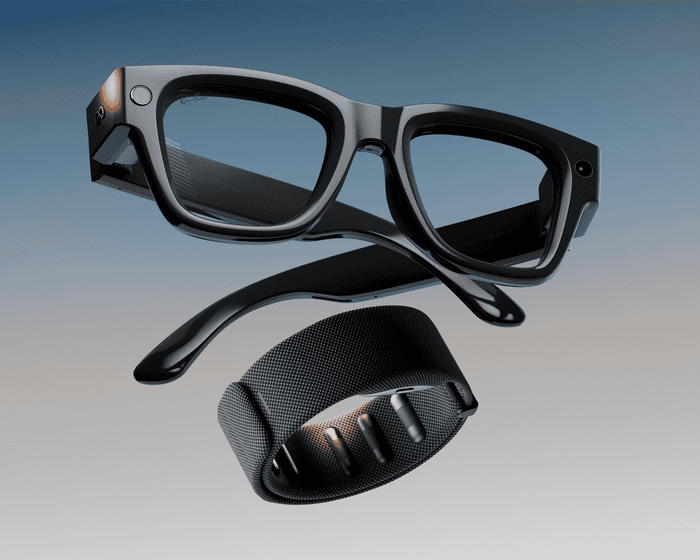
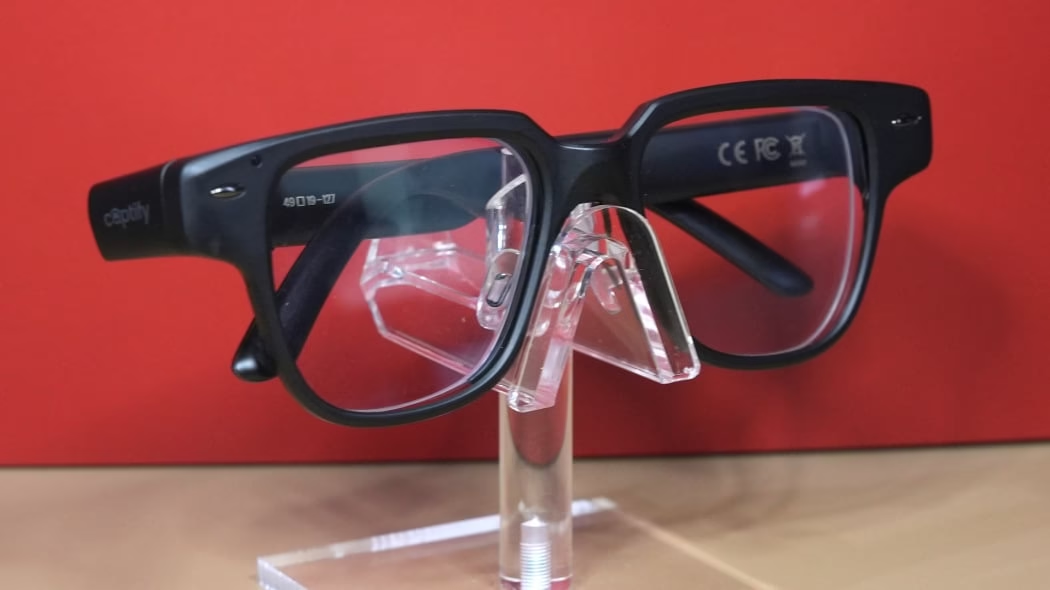
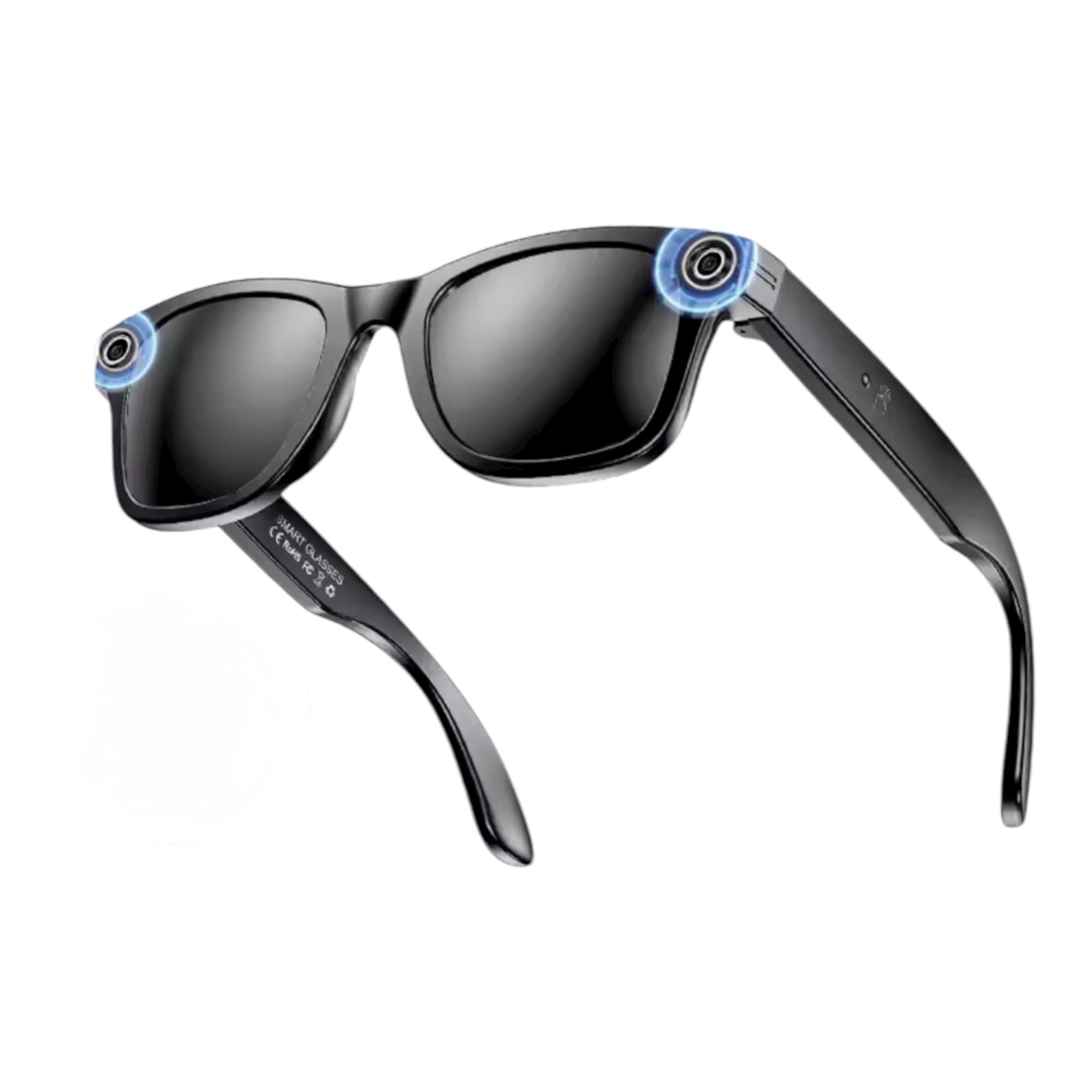
What the market calls “neural link” translation glasses are advanced AR wearables with sophisticated AI. The neural link augmented reality glasses features we will examine focus on the onboard NPU, which enables low-latency AI for tasks like language translation, object recognition, and context awareness. This is the brain of the glasses, not a brain implant.
The Core Feature – Real-Time Translation Performance Under the Microscope
This is the heart of the matter. How well do these glasses actually translate? We have to be critical. Let’s look at the numbers.
Language Library: The Xreal Air 2 Ultra supports 30-40 languages via its TranslatAR app, as detailed in CNET’s “Best AR Glasses for Travel 2025” (Jan 2025). In contrast, the Meta Ray-Ban Smart Glasses (2nd Gen) update from The Verge (Nov 2024) only supports 3-5 languages. This is a major difference for a globetrotter.
Latency: Speed is everything in conversation. According to TechRadar’s “Xreal Air 2 Ultra review: translation feature test” (Dec 2024), top-tier glasses achieve 200-500ms latency for speech, with text overlay being near-instant under 50ms. This delay is barely perceptible.
Accuracy in the Wild: Real-world environments are noisy. A CNET test (Jan 2025) in a noisy cafe showed 90% accuracy for English to Mandarin, but this dropped to 75% for slang and heavy accents. Background noise and dialect variations remain significant challenges.

Practical Scenarios: Consider two test cases. First, Reading a sign – text overlay is near-instant, capturing the text and translating it in real time. Second, In-person conversation – the user looks at the speaker, and the translation appears as a semi-transparent text overlay, sometimes with a small delay. This is where the AI powered holographic smart glasses review highlights the need for refinement.
The delivery mechanism for these text overlays is a crucial part of the smart glasses with holographic interface integration, which we explore in the next section.
The Holographic Interface Integration – From Hype to Practical Utility
The word “holographic” is thrown around a lot. Let’s demystify it. True holographic AR, with free-floating 3D objects, is not yet consumer-ready in a glasses form factor. According to Wired’s “The State of AR Glasses in 2025: Holograms Still a Work in Progress” (Jan 2025), we are still years away from sci-fi holograms.
What “holographic interfaces” actually are in products like the Xreal Air 2 Ultra are waveguide-based near-eye displays. These project transparent 2D images, like text and small menus, that appear to float in front of your eyes. It is not a 3D hologram, but a floating monitor.

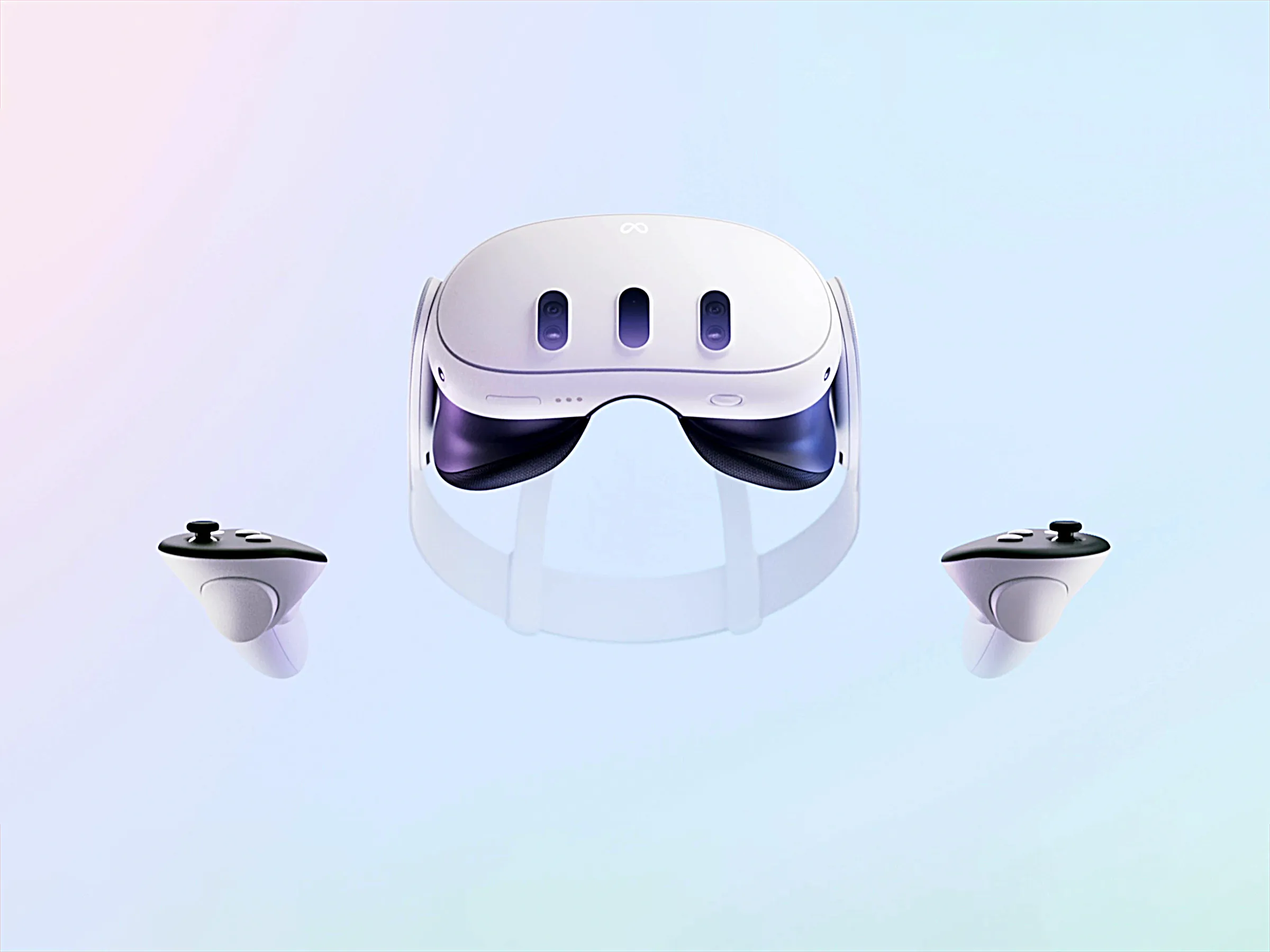
When we talk about smart glasses with holographic interface integration, like the Xreal Air 2 Ultra, we mean a 52-degree field of view that projects translated text directly over the real world. This is less a full hologram and more a smart overlay. For a look at what is coming next in mixed reality, check out our review of the Meta Quest 3 Mixed Reality Headset.
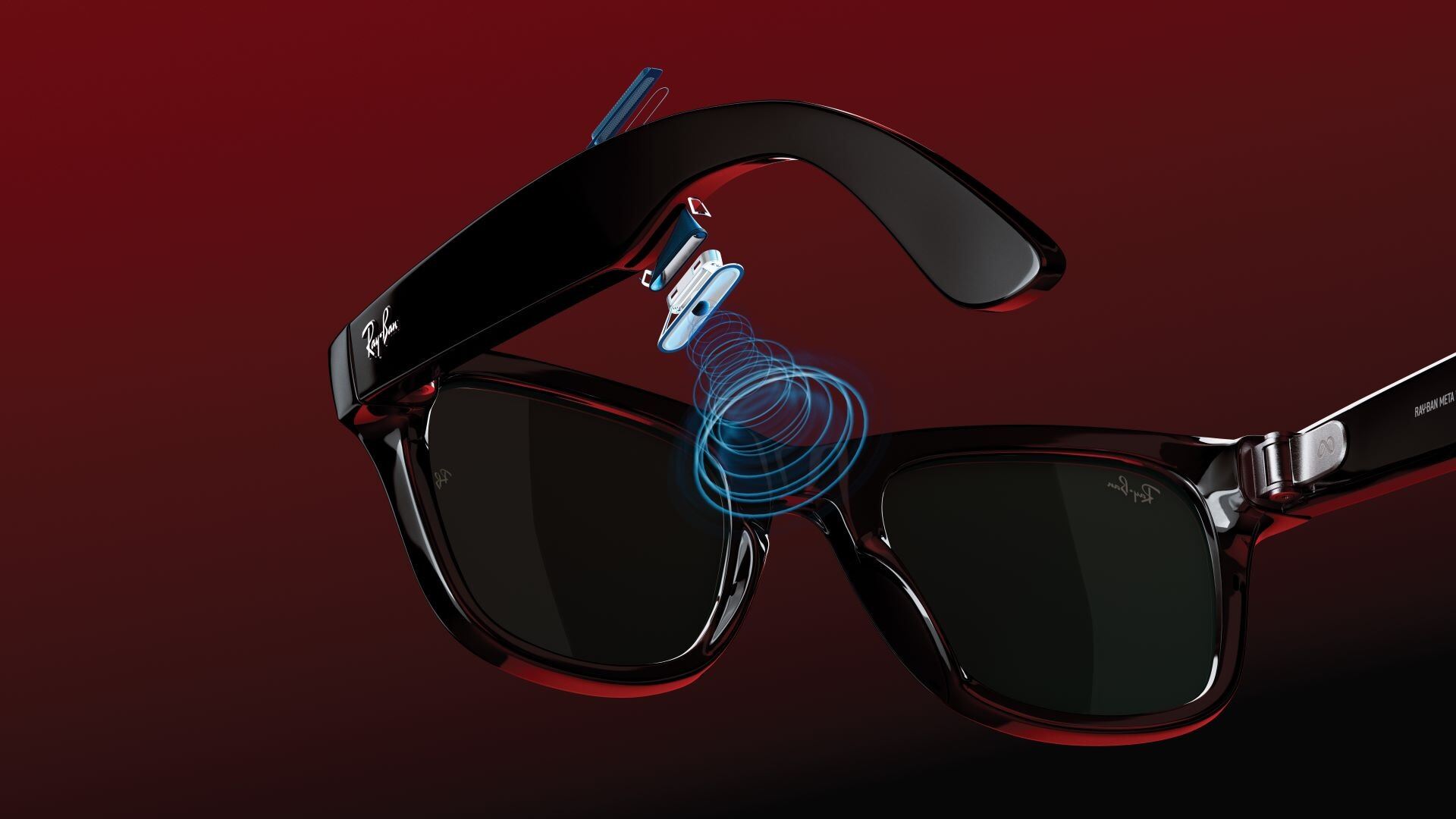
Compare this to the Meta Ray-Ban approach, which uses a small prism in the corner of the lens. The holographic-style overlay of the Xreal avoids eye strain and allows you to stay present in the conversation, with the text naturally positioned near the speaker’s face.
The Competitive Landscape – Finding the Best Wearable Translation Glasses 2025
To help you decide, here is a direct comparison of the top contenders in the best wearable translation glasses 2025 category.
Product A: Meta Ray-Ban Smart Glasses (2nd Gen)
- Price: $299
- Translation: Text-only, 3-5 languages, cloud-based.
- Display: Single-eye prism (no holographic interface).
- Best for: Casual, fast translations for menus and short phrases. Lightweight and stylish. Good for travel where you do not need to read long texts.

Product B: Xreal Air 2 Ultra
- Price: $699
- Translation: Speech + text, 30-40 languages, phone-tethered.
- Display: 52-degree FOV waveguide display (the “holographic interface”).
- Best for: Travelers and business professionals needing to read signs, documents, or have longer conversations. The visual overlay is superior.
Product C: Timekettle X1 Interpreter Hub
- Price: $499 (approx)
- Translation: Audio only, 40+ languages, no visuals.
- Best for: Users who want the highest audio translation accuracy and do not need a visual interface. Often considered top-tier for audio quality (Wirecutter/NYT, “Best Translation Devices,” Feb 2025).
None of these are truly “neural link” as a brain-computer interface. The Xreal Air 2 Ultra is the closest to the aspirational concept of wearable translation glasses. For more on the wide world of smart glasses, see our guide on Revolutionary AR-Powered Wearables.

Who should buy what?
- Travelers (for signs and menus): Xreal Air 2 Ultra.
- Travelers (for quick conversations): Meta Ray-Ban Smart Glasses.
- Enterprise (documentation overlay): HoloLens 2 (bulky, expensive, $3,500+).
- Wait for Gen 2: Anyone expecting true untethered holographic translation with a BCI component. As The Verge caveat states, no single device today combines a brain-interface, holographic display, and translation. That remains a concept for 2026-2027.
The Final Verdict – An Honest Recommendation
Let’s summarize. The neural link smart glasses with real-time translation 2025 concept is not available as a single, integrated product. The closest practical solution is the Xreal Air 2 Ultra, combined with a powerful translation app. It delivers what an AI powered holographic smart glasses review would call visionary but tethered.

Buy the Xreal Air 2 Ultra if: You are a frequent international traveler or bilingual professional who needs to read signs and menus, and you are okay with a phone tether. This is the best wearable translation glasses 2025 for visual use.
Buy the Meta Ray-Ban if: You want a lightweight, stylish, completely standalone device for quick conversational translations. It is not good for reading signs.
Wait if: You want a truly all-in-one device that is untethered, has full holographic integration, and a large language library. Expect that to arrive by 2027.
The future of smart glasses with holographic interface integration for translation is incredibly promising. The technology is real; it is just split across different products right now. For a comprehensive look at where this technology is headed, explore our analysis of the Future of AI Wearables 2025. The neural link augmented reality glasses features we see today are a solid foundation for the seamless translator of tomorrow.

Frequently Asked Questions
- Are neural link smart glasses with real-time translation 2025 actually available?
No single product is marketed as a complete neural link device. However, the Xreal Air 2 Ultra and Meta Ray-Ban Smart Glasses offer the closest consumer-level alternatives with real-time translation capabilities.
- How accurate is the real-time translation on these glasses?
Accuracy can reach 90% in quiet environments but drops to around 75% with heavy accents or background noise, as reported by CNET testing.
- Do these glasses display true holograms?
No. They use waveguide-based near-eye displays that project transparent 2D images, not true 3D holograms. This is the current state of consumer AR technology.
- What is the price difference between the top models?
The Meta Ray-Ban Smart Glasses cost around $299, while the Xreal Air 2 Ultra is priced at $699. The Timekettle X1 Interpreter Hub sits in between at approximately $499.
- When can we expect a truly integrated neural link translation device?
According to industry analysis, a device combining a brain-computer interface, full holographic display, and large-scale translation is expected around 2026-2027.