

Neuralink’s High-Volume Brain Implants by 2026: Musk’s Plan to Scale BCI Manufacturing
Estimated reading time: 10 minutes
Key Takeaways
- The Neuralink high volume brain implants by 2026 Musk plan aims to transition from clinical trials to mass production, targeting over 1,000 patients within two years.
- Automation of surgical procedures and reduced invasiveness are central to achieving this BCI manufacturing scale timeline.
- Significant hurdles include clinical trial constraints, software calibration demands, and navigating complex regulatory pathways.
- Success could have a profound neural tech industry impact, validating markets for paralysis, ALS, Parkinson’s, and cognitive enhancement.
- Ethical imperatives around neural privacy, informed consent, equity of access, and governance frameworks must be addressed to ensure responsible scaling.
Table of contents
- Neuralink’s High-Volume Brain Implants by 2026: Musk’s Plan to Scale BCI Manufacturing
- Key Takeaways
- The Watershed Announcement
- Neuralink’s Ambitious 2026 Roadmap
- Engineering and Regulatory Hurdles
- How Neuralink’s Scale Could Transform the Neural Tech Landscape
- Navigating the Ethical Minefield of Scalable Brain Implants
- Synthesis: The Interconnected Future
- Frequently Asked Questions
The Watershed Announcement
In a move that could redefine the boundaries of medicine and human capability, Elon Musk’s Neuralink has announced plans for high-volume production of brain-computer interface (BCI) implants by 2026, aiming to transition to almost entirely automated surgical procedures. This Neuralink high volume brain implants by 2026 Musk plan represents a watershed moment in neurotechnology, promising to reshape treatment for paralysis and neurological disorders while raising profound questions about neural privacy and human augmentation. The ambitious BCI manufacturing scale timeline and its potential neural tech industry impact have sparked both excitement and scrutiny, as the world watches to see if this pivotal shift from experimental prototypes to mass manufacturing can be achieved. This post delves into the timeline, challenges, industry ripple effects, and ethical implications of this groundbreaking announcement. (source)

Made on New Year’s Eve, the announcement signals Neuralink’s movement beyond clinical trials into the operational realities of mass manufacturing. Understanding the ambition and obstacles behind this plan is essential for anyone tracking the future of medical technology and human capabilities. The Neuralink high volume brain implants by 2026 Musk plan is not just a corporate goal but a potential paradigm shift in how we interact with technology, as highlighted by advancements in BCI design. It underscores a broader trend where AI in healthcare revolutionizes medicine, pushing the envelope of what’s possible in neural interfaces.
Neuralink’s Ambitious 2026 Roadmap
Elon Musk has publicly suggested that Neuralink could have over 1,000 patients with implants by 2026, a dramatic increase from the 12 patients who had received the N1 implant as of September 2025. This leap is a key milestone in the BCI manufacturing scale timeline, representing a shift from handcrafted prototypes to high-volume production. Central to this roadmap is a major engineering goal: eliminating the need to remove a portion of the patient’s skull during implantation. Currently, surgeons remove skull bone before a robotic arm inserts the chip’s threads, but the new approach would thread the device through the dura—the tough outer membrane protecting the brain—without removing it. This reduction in invasiveness could lower complication risks and recovery times, making the procedure more scalable. (source)

“The automation imperative is equally critical,” notes industry observers. Current procedures require highly specialized neurosurgeons and dedicated operating rooms, limiting throughput. An automated system could enable faster, consistent procedures across multiple centers, decoupling patient volume from the limited supply of experts. This is a vital bottleneck solution for achieving the BCI manufacturing scale timeline Neuralink envisions. (source) The vision includes:
- Robotic Precision: Automated surgical robots performing implantations with micron-level accuracy, reducing human error.
- Streamlined Workflows: Integration with hospital systems to allow for parallel procedures, potentially cutting surgery times by half.
- Scalable Training: Development of simulation platforms to train technicians, bypassing the years-long neurosurgeon training pipeline.
Engineering and Regulatory Hurdles
Scaling up to the Neuralink high volume brain implants by 2026 Musk plan faces significant challenges that intertwine technology and regulation.

Clinical Trial Constraints
Neuralink’s U.S. trial accommodates only five volunteers, and the Canadian trial six. Novel devices like these need years of staged data collection, with months between procedures to monitor long-term issues such as immune response, electrode degradation, and software stability. This cautious pace inherently conflicts with rapid scaling ambitions, requiring a delicate balance between speed and safety.
Software Calibration Demands
The first patient, Noland Arbaugh, achieved over nine bits per second with his implant—double previous records—but his neural model degrades over hours or days, requiring up to 45 minutes of retraining. The team aims to reduce this to minutes, but software stability is crucial for reliable performance. Key issues include:
- Adaptive Algorithms: Developing AI that can continuously learn from neural signals without frequent recalibration.
- Data Bandwidth: Handling the immense flow of neural data wirelessly, ensuring real-time processing without latency.
- User Interface: Creating intuitive controls for patients, especially those with severe motor impairments.

Regulatory Pathway
While Breakthrough Device designation accelerates FDA review, no approval for commercial sale has been granted yet. Typical regulatory paths take years, even when expedited, posing a timeline challenge. The process involves:
- Pre-market Approval (PMA): Requiring extensive clinical data to demonstrate safety and efficacy.
- Post-market Surveillance: Mandating long-term monitoring for adverse events, which could slow rollout.
- International Standards: Harmonizing regulations across countries to enable global scaling, a complex diplomatic endeavor.
All these factors must be navigated to realize the Neuralink high volume brain implants by 2026 Musk plan. (source)
How Neuralink’s Scale Could Transform the Neural Tech Landscape
The neural tech industry impact of Neuralink’s success could be profound, rippling across healthcare, technology, and economics. The addressable market includes approximately 5.4 million people in the U.S. with paralysis impairing computer use or communication, validating business models and unlocking markets in conditions like ALS, Parkinson’s, and even cognitive enhancement. (source) This aligns with broader trends where AI is revolutionizing medicine, creating synergies between neural interfaces and diagnostic tools.
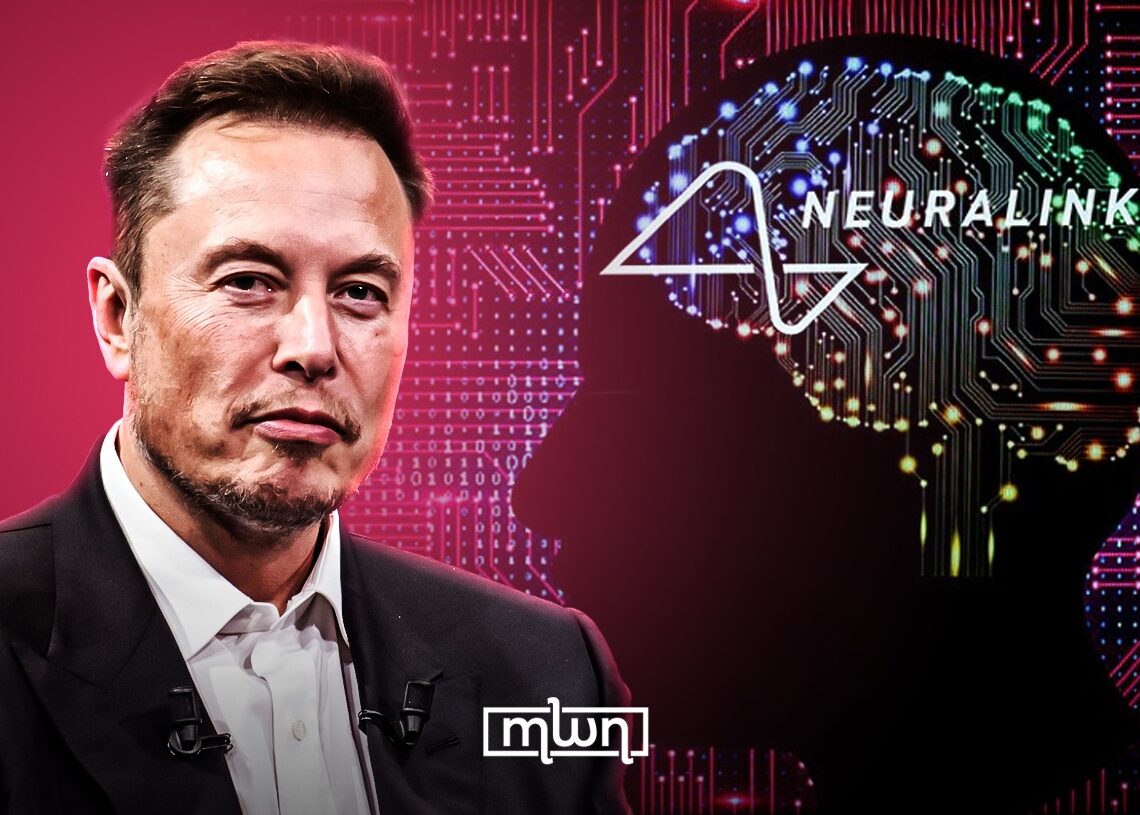
Competitive dynamics are also at play. Companies like Synchron and Precision Neuroscience, which pursue alternative BCI approaches, face pressure from Neuralink’s scaling. Success could establish Neuralink’s dominance, lower costs via economies of scale, and accelerate industry investment. Moreover, innovation in miniaturized electronics, biocompatible materials, wireless power, and neural algorithms would likely speed up, lowering barriers for startups. This ties directly to the BCI manufacturing scale timeline, as high-volume success spurs complementary tech development. (source)
Potential ripple effects include:
- Cost Reduction: Mass production could drive implant costs from tens of thousands to thousands of dollars, improving accessibility.
- Research Acceleration: Large datasets from thousands of patients could fuel AI models, leading to breakthroughs in understanding brain function.
- New Applications: Beyond medical uses, scalable BCIs might enable enhanced learning, memory augmentation, or direct brain-to-cloud communication, though these raise additional ethical questions.
Navigating the Ethical Minefield of Scalable Brain Implants
As the Neuralink high volume brain implants by 2026 Musk plan advances, it must confront ethical dilemmas that could define public acceptance and regulatory response.
Privacy and Neural Data Security
BCIs capture intimate thought patterns, intentions, and emotions, creating vast datasets. Key questions include: who owns and controls this data? What safeguards exist against misuse, breaches, subpoenas, or third-party sales? Pre-BCI regulations leave significant gaps, necessitating new frameworks. As cyber defense evolves, neural data protection must become a priority, perhaps through encryption or decentralized storage. The stakes are high—a breach could expose a person’s innermost thoughts.

Informed Consent for Vulnerable Populations
Ensuring transparent long-term risk communication is crucial, especially for vulnerable individuals who might be desperate for treatments. Protecting them from exploitation requires clear distinction between trials and commercial use, along with adequate follow-up. This is core to ethics and tech governance in preventing abuse, as discussed in contexts like AI fairness and ethics. Patients must understand risks such as brain inflammation, device failure, or unknown psychological effects.
Equity of Access
Implants are likely to cost tens of thousands initially, creating a two-tier system that could widen cognitive and physical disparities. This disrupts labor markets and raises questions about insurance and healthcare equity, further emphasizing the need for robust ethics and tech governance. Considerations include:
- Insurance Coverage: Will public or private insurers cover BCI implants for paralysis, or only for the wealthy?
- Global Disparities: Access in developing nations may lag, exacerbating global health inequalities.
- Societal Division: Enhanced individuals might gain advantages in education or employment, prompting calls for regulatory leveling.
Regulatory Framework Adequacy
FDA processes are designed for traditional medical devices, not decades-implanted neural interfaces. While Breakthrough designation helps, gaps remain in long-term monitoring, cybersecurity, international harmonization, and post-market surveillance. New models are needed, framed by ethics and tech governance principles. For instance, adaptive regulations that evolve with technology, or international treaties on neural data sovereignty. (source)

Synthesis: The Interconnected Future
The Neuralink high volume brain implants by 2026 Musk plan is a complex interplay of technical feats, scaling challenges, industry transformation, and ethical imperatives. Technical advancements like automation and reduced invasiveness are pivotal, but so are solving calibration and safety issues. Navigating FDA pathways and establishing ethical frameworks for privacy and equity are equally critical. This is more than an engineering endeavor—it’s a societal shift demanding oversight and proactive governance.

As neurotechnology reaches an inflection point, innovation may outpace governance. Whether 1,000 implants are achieved by 2026 or delays occur, BCIs are becoming clinical tools that will shape health, capability, and society. Stay informed on BCI developments, subscribe for updates on neural tech breakthroughs, and share your thoughts on ethical governance in the comments. The journey of the BCI manufacturing scale timeline and its neural tech industry impact, guided by ethics and tech governance, is just beginning.
Frequently Asked Questions
What is Neuralink’s goal for 2026?
Neuralink aims to achieve high-volume production of brain-computer interface implants, targeting over 1,000 patients with implants by 2026 through automated surgical procedures, as part of the Neuralink high volume brain implants by 2026 Musk plan.
How will Neuralink make implantation less invasive?
The plan involves threading the device through the dura without removing skull bone, reducing invasiveness, complication risks, and recovery times—a key step in the BCI manufacturing scale timeline.
What are the main challenges to scaling BCI manufacturing?
Challenges include clinical trial constraints, software calibration demands, and regulatory pathways that require years of data and approval processes, all critical to the BCI manufacturing scale timeline.
How could Neuralink’s success impact the neural tech industry?
It could validate business models, unlock markets for neurological conditions, lower costs via economies of scale, and accelerate innovation, leading to a significant neural tech industry impact.
What ethical issues are associated with scalable brain implants?
Key issues include neural privacy and data security, informed consent for vulnerable populations, equity of access, and the adequacy of regulatory frameworks, all central to ethics and tech governance.