


Neuralink High Volume Brain Implants by 2026 Musk Plan: Ushering in a Neurological Revolution
Estimated reading time: 10 minutes
Key Takeaways
- Elon Musk’s Neuralink high volume brain implants by 2026 Musk plan aims to shift from experimental trials to scalable production, targeting over 1,000 patients from just 12 worldwide.
- The BCI manufacturing scale timeline involves regulatory approvals, factory scaling, and automated surgical procedures to reduce risks and enable widespread adoption.
- This plan could accelerate the entire neural tech industry impact, spurring investment, innovation, and talent shifts across healthcare and technology sectors.
- Significant ethics and tech governance challenges must be addressed, including patient safety, data privacy, and regulatory frameworks for brain-computer interfaces.
- Success hinges on overcoming technical hurdles like software calibration and surgical automation, fueled by $1.2 billion in funding and a $9.65 billion valuation.
Table of contents
- Neuralink High Volume Brain Implants by 2026 Musk Plan: Ushering in a Neurological Revolution
- Key Takeaways
- Hook: The Dawn of a Brain-Machine Interface Era
- Deconstructing the “High Volume by 2026” Plan
- What the Musk Plan Entails
- The BCI Manufacturing Scale Timeline
- Key Challenges & Hurdles
- The Ripple Effect: Neural Tech Industry Impact
- Accelerating the Entire Field
- Investment & Innovation Surge
- Talent & Collaboration Shifts
- Navigating the Human Dimension: Ethics and Tech Governance
- Immediate Ethical Concerns
- The Governance Gap
- Long-term Societal Questions
- Frequently Asked Questions
Hook: The Dawn of a Brain-Machine Interface Era
On New Year’s Eve, Elon Musk announced that Neuralink will begin high-volume production of its N1 brain implants in 2026, marking a pivotal shift from experimental trials to scalable, automated surgical procedures. This ambition, central to the Neuralink high volume brain implants by 2026 Musk plan, promises to transform treatments for paralysis and neurological disorders, positioning itself at the forefront of a wave of breakthrough AI medical breakthroughs actively reshaping healthcare. The vision is staggering: target over 1,000 patients from the current 12 worldwide as of September 2025, building on 2025 milestones like $650 million in Series E funding that valued the company at $9.65 billion pre-money. This blog post informatively breaks down the Neuralink high volume brain implants by 2026 Musk plan, its BCI manufacturing scale timeline, challenges, neural tech industry impact, and ethics and tech governance to satisfy your curiosity about major BCI breakthroughs. How will this accelerate brain-machine interfaces for users seeking miracles in paralysis treatments and beyond? Let’s dive in.
 "Unveiling the Groundbreaking Neuralink High Volume Brain Implants by 2026 Musk Plan: The Complete Breakdown 2")
Deconstructing the “High Volume by 2026” Plan
The Neuralink high volume brain implants by 2026 Musk plan isn’t just a lofty goal—it’s a detailed roadmap with tangible steps. Here, we unpack what it entails, the timeline for scaling BCI manufacturing, and the hurdles that could make or break this neurological revolution.
What the Musk Plan Entails
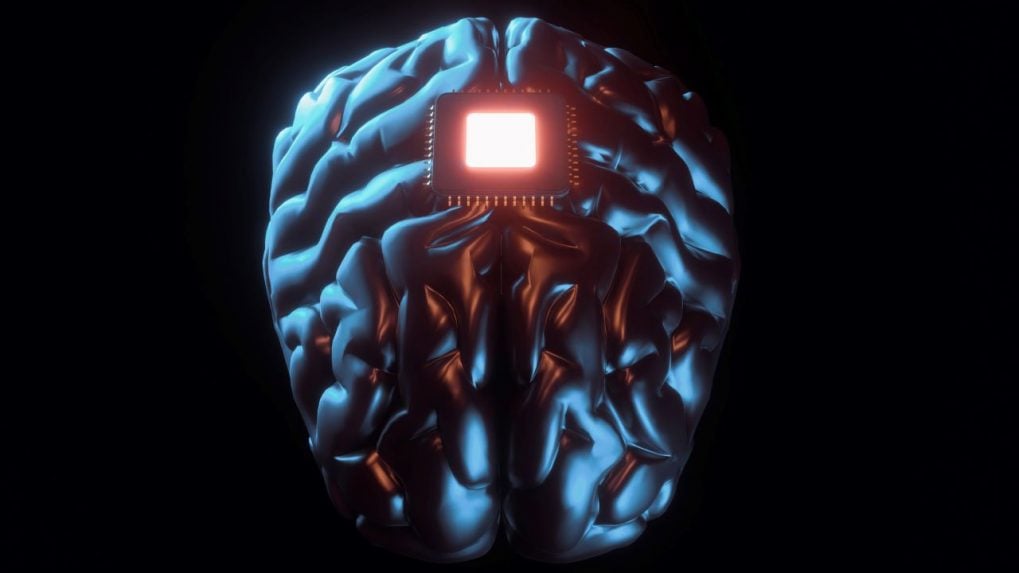
Musk’s announcement revolves around high-volume production of N1 implants in 2026, scaling from a handful of patients to over 1,000. This leap is enabled by $650 million in Series E funding and a $9.65 billion valuation, fueling a transition from limited human trials to commercial-scale manufacturing. The N1 implant, a coin-sized device with ultra-thin threads, is designed to decode neural signals for conditions like paralysis and neurological disorders. Imagine a world where spinal cord injuries no longer mean lifelong immobility—this plan aims to make that a reality within years. By 2026, Neuralink envisions automated factories churning out implants, coupled with streamlined surgical protocols, to democratize access to brain-machine interfaces.
The BCI Manufacturing Scale Timeline
The BCI manufacturing scale timeline is a multi-phase journey critical to Neuralink’s 2026 target. First, regulatory approvals like FDA Breakthrough Device status are sought to speed market entry—a process already underway. Second, factory scaling has begun, with hires for manufacturing technicians and microfabrication specialists since November 2024, aiming to build production lines that can handle thousands of units annually. Third, and most ambitiously, standardization of surgical procedures targets almost entirely automated surgeries. These procedures would insert device threads through the dura (the brain’s outer membrane) without skull removal, reducing risks and enabling deployment at various medical centers. As reported, the technical integration of such complex systems mirrors frameworks like the Model Context Protocol (MCP) explained, which simplifies AI and hardware integrations for scalable solutions.
- Clinical Trial Expansions: Trials are expanding at Barrow Neurological Institute (Arizona), University of Miami, Toronto Western Hospital (Canada), and Cleveland Clinic Abu Dhabi (UAE), as per sources. This global footprint is key to testing diversity and paving the way for high-volume output.

Key Challenges & Hurdles
Despite the optimism, the Neuralink high volume brain implants by 2026 Musk plan faces significant obstacles. Technical issues include software calibration degradation, which currently requires up to 45 minutes of retraining—Neuralink aims to reduce this to minutes-long fixes. Surgical scalability is another bottleneck; current procedures need specialized neurosurgeons and skull removal, limiting volume until automation is perfected. Regulatory limits pose a major hurdle: U.S. trials are capped at five volunteers, Canada at six, and full FDA approval could take years despite accelerated pathways. As one expert noted, “Scaling brain implants isn’t like scaling smartphone production—the stakes are human lives.”
- Technical Hurdles: Calibration delays, thread insertion precision, and long-term biocompatibility.
- Surgical Barriers: Dependence on rare neurosurgeon expertise and invasive techniques.
- Regulatory Walls: Stringent safety reviews and limited trial participant numbers.

The Ripple Effect: Neural Tech Industry Impact
Neuralink’s aggressive timeline isn’t happening in a vacuum—it’s sending shockwaves through the entire neural tech industry impact. From accelerating competitor innovation to fueling investment booms, the ramifications are profound.
Accelerating the Entire Field
As detailed, Neuralink’s 2026 scaling pressures rivals like Synchron and Precision Neuroscience, spurring faster BCI trials and deployments. The U.S. alone has 5.4 million paralysis patients, highlighting the massive market potential. This competition is driving rapid advancements in signal processing, minimally invasive surgery, and user interface design. Think of it as a space race for the brain—where every breakthrough lifts the entire sector. The neural tech industry impact is evident in increased collaboration between tech giants and medical institutions, aiming to bring BCIs from labs to living rooms.
Investment & Innovation Surge
Neuralink’s total $1.2 billion raised, with a $9.65 billion valuation backed by ARK Invest and Sequoia, signals a VC influx into BCIs, AI, robotics, and healthcare. This capital is catalyzing a startup explosion, with new firms emerging in adjacent sectors like neurofeedback and brain-health monitoring. The surge aligns with broader trends in how AI is transforming businesses, where deep-tech innovations reshape industries. Quote: “Funding brain-computer interfaces isn’t just betting on a company—it’s betting on the future of human capability,” says a venture capitalist. This financial momentum is reducing R&D cycles and fostering cross-disciplinary research, amplifying the neural tech industry impact.

Talent & Collaboration Shifts
Neuralink’s hiring spree for manufacturing and fabrication experts, plus multi-country trials, is reshaping talent pools toward commercialization. According to sources, partnerships with neurosurgical centers are fostering knowledge exchange and skill development. This shift is creating a new breed of neuro-technologists—engineers who understand both silicon and synapses. Bullet points to consider:
- Talent Migration: Experts from semiconductors and robotics are pivoting to neurotech.
- Global Collaborations: Trials in the UAE and Canada are building international frameworks for BCI deployment.
- Educational Impact: Universities are launching neuroengineering programs to meet demand.
Navigating the Human Dimension: Ethics and Tech Governance
With great power comes great responsibility—and Neuralink’s plan raises urgent questions about ethics and tech governance. From patient consent to data privacy, we explore the human dimensions that must be addressed.
Immediate Ethical Concerns
Patient safety risks from surgery and long-term implantation demand robust informed consent processes, especially for vulnerable populations with paralysis. Data privacy is paramount; thought-controlled devices have hacking vulnerabilities, elevating cybersecurity tips for everyday users to a critical, intimate level. Access divides are another issue—high costs beyond trials could exacerbate socioeconomic gaps, limiting BCIs to the wealthy. As noted, these concerns are central to ethics and tech governance, requiring transparent protocols and equity-focused policies.

The Governance Gap
Current regulations lag behind BCI specifics. The FDA oversees trials, but commercial sales need new frameworks for safety, advertising claims, and user data rights. This gap highlights the need for adaptive governance that balances innovation with protection. Successfully launching this technology will require understanding new AI regulations and tailoring them to neurotechnology. Key gaps include:
- Safety Standards: No universal benchmarks for long-term brain implant safety.
- Data Ownership: Unclear who owns neural data—patients, companies, or insurers?
- Advertising Ethics: Risks of overhyping capabilities to desperate patients.
Long-term Societal Questions
Looking ahead, success could redefine cognitive enhancement, blurring identity and autonomy lines as implants enable thought-based computing over nine bits per second. Sources indicate that this sparks debates on human augmentation—will BCIs create a “neuro-elite”? The ethics and tech governance conversation must evolve to address existential questions: What does it mean to be human when your brain is partly machine? This ties into the broader story of how AI is changing the world, revolutionizing everything from daily apps to the human brain itself. The irreversible momentum of the brain-machine interface era is here, reshaping medicine, technology, and human capability.

Frequently Asked Questions
What is the Neuralink high volume brain implants by 2026 Musk plan?
It’s Elon Musk’s announcement that Neuralink will scale production of N1 brain implants to over 1,000 patients by 2026, moving from trials to automated manufacturing for paralysis and neurological disorders.
How feasible is the BCI manufacturing scale timeline?
Feasibility hinges on regulatory approvals, factory scaling, and surgical automation. While ambitious, challenges like calibration and surgeon dependency could delay the 2026 target.
What is the neural tech industry impact of this plan?
It’s accelerating competitors, spurring investment, and reshaping talent pools, with ripple effects across healthcare, AI, and robotics sectors.
What are the key ethics and tech governance issues?
Issues include patient safety, data privacy, access equity, and regulatory gaps for brain-computer interfaces.
How can I stay updated on BCI breakthroughs?
Stay ahead of BCI breakthroughs—subscribe for updates on Neuralink’s progress and the future of neural tech.