
Personal AI Alert Devices: The Complete Guide to Proactive Safety
Estimated reading time: 8 minutes
Key Takeaways
- Personal AI Alert Devices use machine learning to proactively detect emergencies like falls or health crises, going far beyond basic panic buttons.
- They are a sophisticated part of the broader connected security wearables ecosystem, often integrating with other smart home safety systems.
- Key features include AI-powered fall detection, unusual activity monitoring, GPS location tracking, and automated emergency contact sequencing.
- Understanding the difference between proactive AI devices and reactive smart panic buttons is crucial for choosing the right safety tool for your needs.
- Privacy, data security, and consistent wearability are essential considerations for effective implementation.
Table of contents
- Personal AI Alert Devices: The Complete Guide to Proactive Safety
- Key Takeaways
- What Are Personal AI Alert Devices?
- Core Technology: How Do They Protect You?
- Understanding Smart Panic Buttons Tech
- The Connected Security Wearables Ecosystem
- Choosing Your Device: A Comparison Guide
- Privacy, Security and Data Protection
- Implementation and Getting Started
- Future Trends in Safety Technology
- Frequently Asked Questions
The universal desire for safety and peace of mind is powerful, especially for vulnerable populations like the elderly living alone, solo travelers, or individuals with specific health concerns. Enter Personal AI Alert Devices—the modern evolution of personal safety technology. Unlike a basic panic button, these intelligent wearables use artificial intelligence to detect emergencies before you can manually activate an alert. This guide will explain what they are, how they work, and how they fit into a comprehensive personal safety strategy.

What Are Personal AI Alert Devices?
At their core, Personal AI Alert Devices are wearable devices equipped with artificial intelligence that continuously monitor the wearer’s activity patterns and vital signs to detect potential emergencies automatically. The “AI” component means the device uses machine learning algorithms and pattern recognition—it’s not just waiting for your command but is actively analyzing behavioral and physiological data for anomalies.

This is a fundamental shift from traditional medical alert systems, which require the user to press a button or call out. AI alert devices can detect problems—like a fall, a period of unusual inactivity, or a sudden health change—and initiate an alert sequence without any user action. While they almost always include a manual panic button, the AI adds a crucial proactive safety layer.
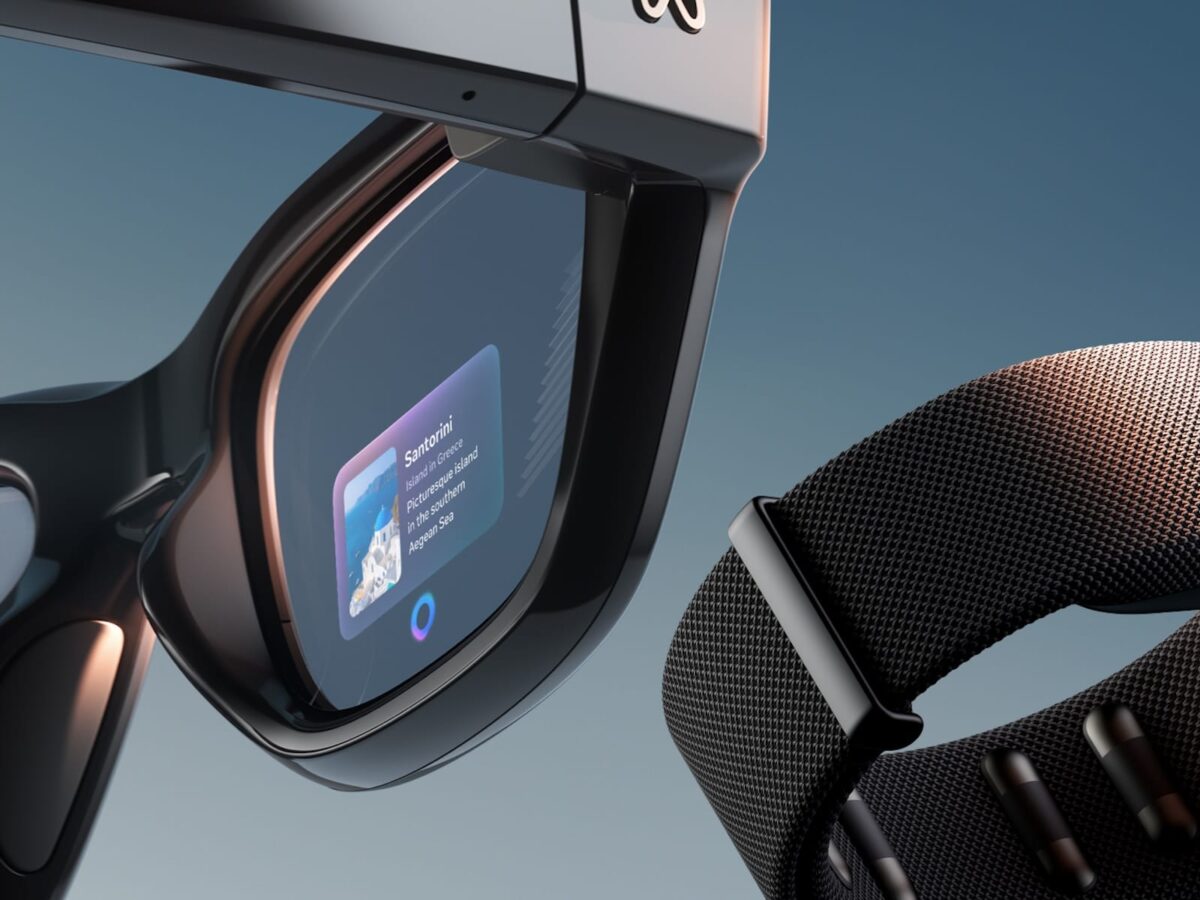
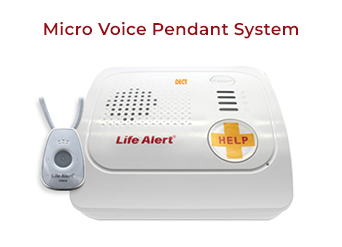
You’ll typically find them in forms like wearable pendants, smartwatch-style bands, or discrete clips. Crucially, they are a key segment within the larger world of connected security wearables, designed to integrate seamlessly into your life and other smart home systems.
Core Technology: How Do They Protect You?
The power of personal AI alert devices lies in a suite of integrated technologies working in concert.
AI-Powered Fall Detection
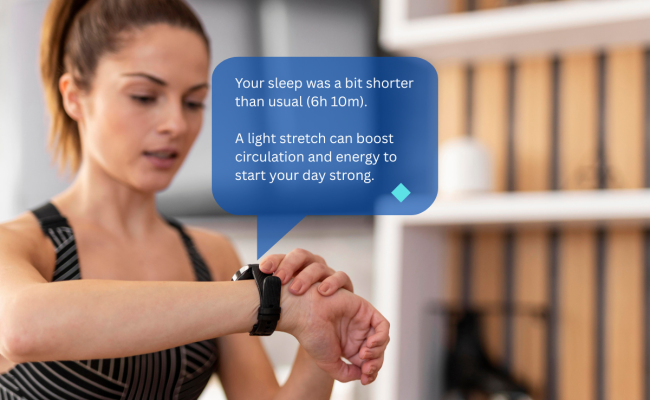
Using advanced accelerometers and motion sensors, the AI is trained to distinguish a real, uncontrolled fall from simply sitting down quickly. This technology, now a standard in top-tier systems, provides critical intervention when you might be incapacitated.
Unusual Activity Monitoring
The device learns your normal daily rhythms—when you’re usually active, when you rest. If it detects prolonged inactivity during a typically busy time, it can trigger a wellness check, ensuring help arrives even if you’re unable to call for it.
Precise Location Tracking
With integrated GPS, LTE, and Wi-Fi, these devices can pinpoint your location during an emergency. This is vital for fast response times, whether you’re at home or away.
Automated Alert Sequencing
When an alert is triggered (by AI or manually), the device doesn’t just call one person. It can automatically contact 24/7 professional monitoring centers, designated family members, and emergency services in a prioritized sequence.
Integrated Health Monitoring
Many modern devices incorporate biometric sensors for heart rate, blood pressure, or more. This data feed enhances the AI’s ability to detect medical emergencies, blurring the lines between a safety device and a advanced health monitor, similar to features found in the best smartwatches for fitness.
Understanding Smart Panic Buttons Tech
It’s important to distinguish Personal AI Alert Devices from smart panic buttons tech. While related, they serve different primary functions.
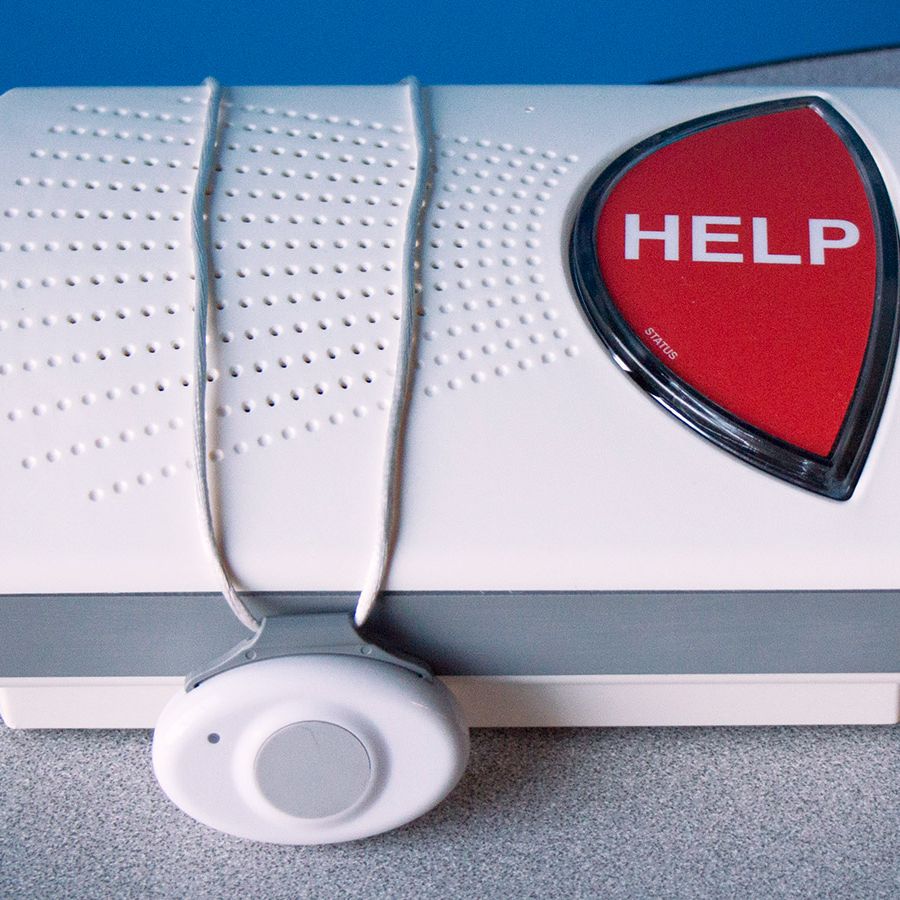
- Smart Panic Buttons are reactive. They are discrete, purpose-built devices (like a wearable button or a pendant) designed for instant manual emergency activation. The user must press the button to initiate an alert.
- Personal AI Alert Devices are proactive. Their AI works automatically to detect emergencies without manual input.
Smart panic buttons are ideal for situations where you are conscious and able to call for help but may be under threat, such as during an assault or when feeling threatened during solo travel. Many modern connected security wearables cleverly combine both: offering reliable manual panic button functionality alongside intelligent AI monitoring for comprehensive coverage.

The Connected Security Wearables Ecosystem
Personal AI Alert Devices are the most advanced segment within the broader connected security wearables ecosystem. This ecosystem includes any safety-focused wearable that maintains a network connection for emergency communication, such as:
- Smartwatches with built-in SOS features
- Safety-focused smart rings
- Discrete pendant or clip-on devices
The design philosophy prioritizes devices that are inconspicuous, comfortable for all-day wear, and aesthetically pleasing—because a safety device only works if you actually wear it. This drive for better design is evident across the broader field of wearable tech gadgets.
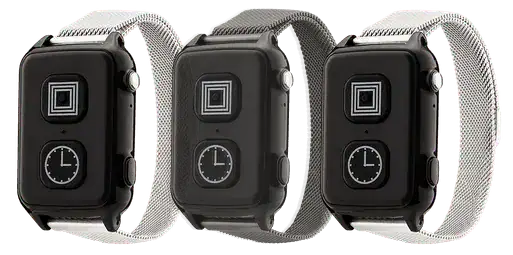
These wearables create a personal safety network by connecting via Bluetooth to your smartphone, via LTE for standalone use, and often integrating with wider smart home safety systems to trigger lights, unlock doors, or alert neighbors during an emergency.
Choosing Your Device: A Comparison Guide
Selecting the right tool depends on your specific safety needs. Use this comparison to guide your decision:
- Proactive vs. Reactive: Do you need AI that acts automatically (ideal for live-alone seniors, health conditions) or a reliable manual button (ideal for conscious threat situations)?
- Discreteness: Should it look like a medical device or a regular accessory? Discreteness increases the likelihood of consistent wear.
- Battery Life: AI monitoring consumes more power. Devices with simpler “panic button” functions may last longer between charges.
- Subscription & Cost: Most connected security wearables require a monthly service for monitoring and cellular connectivity. AI devices typically have a higher upfront cost due to their advanced technology.
Many of the best devices on the market today offer a hybrid approach, giving you the benefits of both smart panic buttons tech and personal AI alert devices in one unit.

Privacy, Security and Data Protection
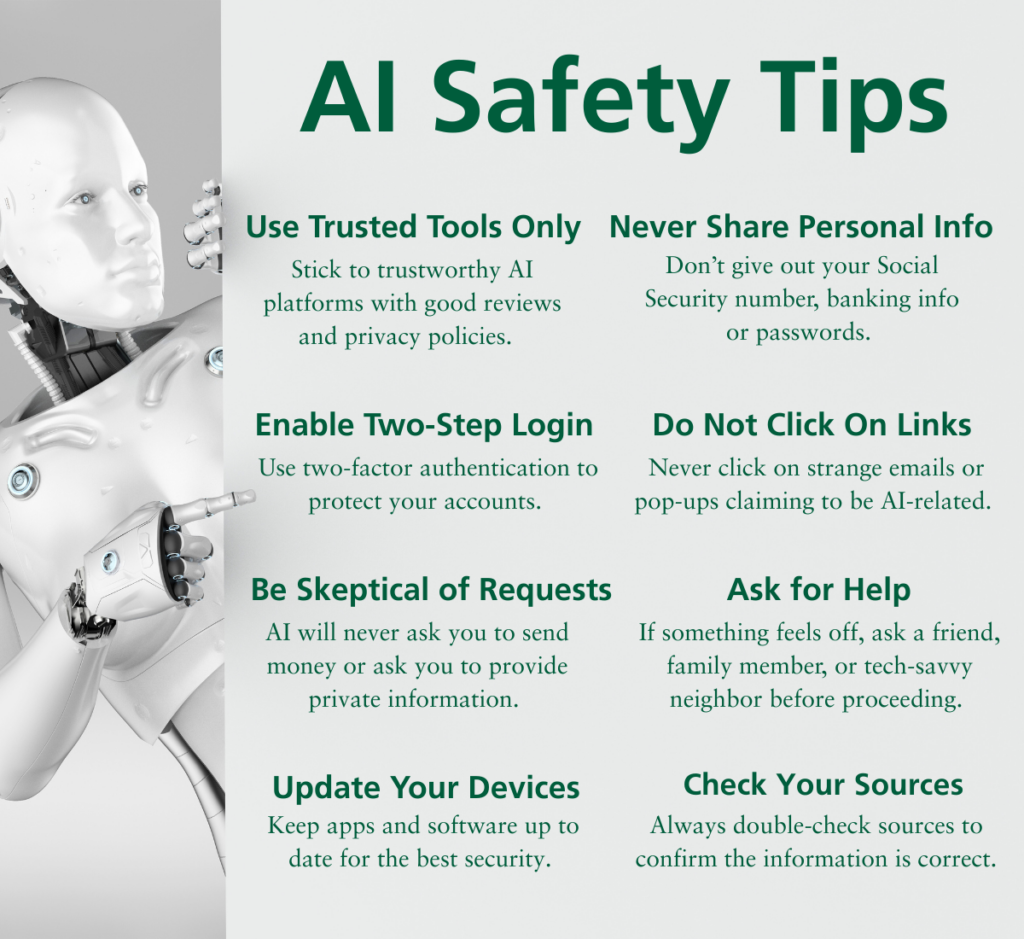
These devices collect sensitive data: your location, movement patterns, and potentially health metrics. Addressing privacy is non-negotiable.
- Choose Reputable Brands: Opt for manufacturers with clear, transparent privacy policies and strong encryption standards for data transmission and storage.
- Understand Data Use: Know what data is collected, how it’s used, and who it might be shared with. Look for HIPAA compliance if health data is involved.
- Secure Your Ecosystem: As with any connected security wearable or smart home device, use strong passwords and keep firmware updated. The principles for protecting your smart home from cyber threats apply here as well.
Being informed allows you to minimize privacy trade-offs while maximizing the life-saving benefits of the technology.
Implementation and Getting Started
Ready to adopt a Personal AI Alert Device? Follow these steps for a smooth setup:
- Setup & Calibration: After charging and pairing with its app, take time to calibrate the AI. Walk around your home to teach it your normal activity patterns and adjust sensitivity settings for fall detection.
- Conduct Test Alerts: Always perform a test alert with the monitoring service or your emergency contacts to ensure everyone understands how the system works.
- Build the Wearability Habit: For AI monitoring to be effective, you must wear the device consistently. Choose a comfortable form factor and make putting it on part of your daily routine, like your phone or keys.
- Communicate with Your Circle: Inform your designated emergency contacts about the device, what alerts look like, and how they should respond.

Future Trends in Safety Technology
The future of personal AI alert devices is focused on deeper intelligence and seamless integration.
- Predictive Health Alerts: AI will evolve from detecting emergencies to predicting them, analyzing biometric trends to warn of potential cardiac events or strokes before they occur, much like the direction of advanced wearable health gadgets.
- Enhanced Ecosystem Integration: Your wearable will not just alert people; it will intelligently interact with your smart home—flashing lights, playing alarms, or unlocking doors for first responders.
- Fashion-Forward Designs: As the tech miniaturizes, devices will become even more discreet, moving from “wearable tech” to “smart jewelry” that users are proud to wear every day.
Frequently Asked Questions
Do Personal AI Alert Devices require a smartphone to work?
Not necessarily. Many advanced models have built-in LTE/cellular connectivity and can operate completely independently. Others use Bluetooth to connect to a smartphone app, which then handles the alert transmission. Always check the specific device’s connectivity requirements.
How accurate is AI fall detection, and can it distinguish a fall from just lying down quickly?
Modern AI fall detection is highly sophisticated, using machine learning trained on thousands of real-world motion patterns to distinguish between a fall, a stumble, and sudden intentional movements like lying down. While no system is 100% perfect, false alarms are less common than with earlier generation technology.
Are there monthly fees associated with these devices?
Almost always, yes. To provide 24/7 professional monitoring, GPS location services, and cellular connectivity, most personal AI alert devices and connected security wearables require a monthly subscription plan. This fee is critical for the service’s ongoing operation and emergency response.
Can I use a smartwatch as a Personal AI Alert Device?
Some high-end smartwatches offer fall detection and emergency SOS features, making them a form of connected security wearable. However, dedicated personal AI alert devices are often more robust, with louder speakers, longer battery life in emergency mode, and are specifically designed for reliable, life-critical alerts without the distractions of a full smartwatch.
What happens if I have a false alarm?
Professional monitoring centers are trained to handle this. When they receive an alert, they will first attempt to communicate with you through the device’s two-way speaker. If you respond and confirm you are okay, they will cancel the alert. It’s always better to have a false alarm checked than to miss a real emergency.