
Samsung Solid State Battery Galaxy S26 Timeline: Separating Rumor from Reality
Estimated reading time: 8 minutes
Key Takeaways
- The rumor of a samsung solid state battery galaxy s26 timeline for 2026 is highly speculative and contradicts Samsung’s official, EV-focused roadmap.
- Why Samsung solid state battery is for EVs first is a matter of economics, safety demands, and the technical challenges of miniaturization.
- Realistic projections for when will solid state batteries come to smartphones point to the 2030s, not the mid-2020s.
- The key to mass production is the Samsung SDI dry electrode manufacturing process, a complex hurdle still being scaled.
- Announced solid state battery energy density improvements 2025 are milestones for EV prototypes, not ready-to-ship smartphone batteries.
Table of contents
- Samsung Solid State Battery Galaxy S26 Timeline: Separating Rumor from Reality
- Key Takeaways
- The S26 Rumor vs. Samsung’s Official Strategy
- Why Samsung Solid State Battery is for EVs First
- When Will Solid State Batteries Come to Smartphones?
- The Manufacturing Bottleneck: Samsung SDI Dry Electrode Process
- Solid State Battery Energy Density Improvements 2025: Context
- Frequently Asked Questions
Across tech forums and leak-centric blogs, a tantalizing whisper is gaining volume: the idea that the Samsung Galaxy S26 will be the device to finally bring solid-state battery technology to the mainstream smartphone market. This samsung solid state battery galaxy s26 timeline paints a picture of a revolutionary 2026 flagship. But is there any substance to this claim, or is it a classic case of speculative hype running far ahead of engineering reality?
This blog’s mission is to dissect this specific rumor by holding it against the stark light of Samsung’s own verified development strategy and the hard truths of battery physics. We aim to answer the central question: Why does such a significant disconnect exist between the exciting, rapid-fire world of smartphone leaks and the sober, multi-year industrial timelines announced by the companies doing the actual R&D? The journey to answer this reveals not just the fate of a phone rumor, but the monumental challenge of bringing a next-generation power source to life.

The S26 Rumor vs. Samsung’s Official Strategy
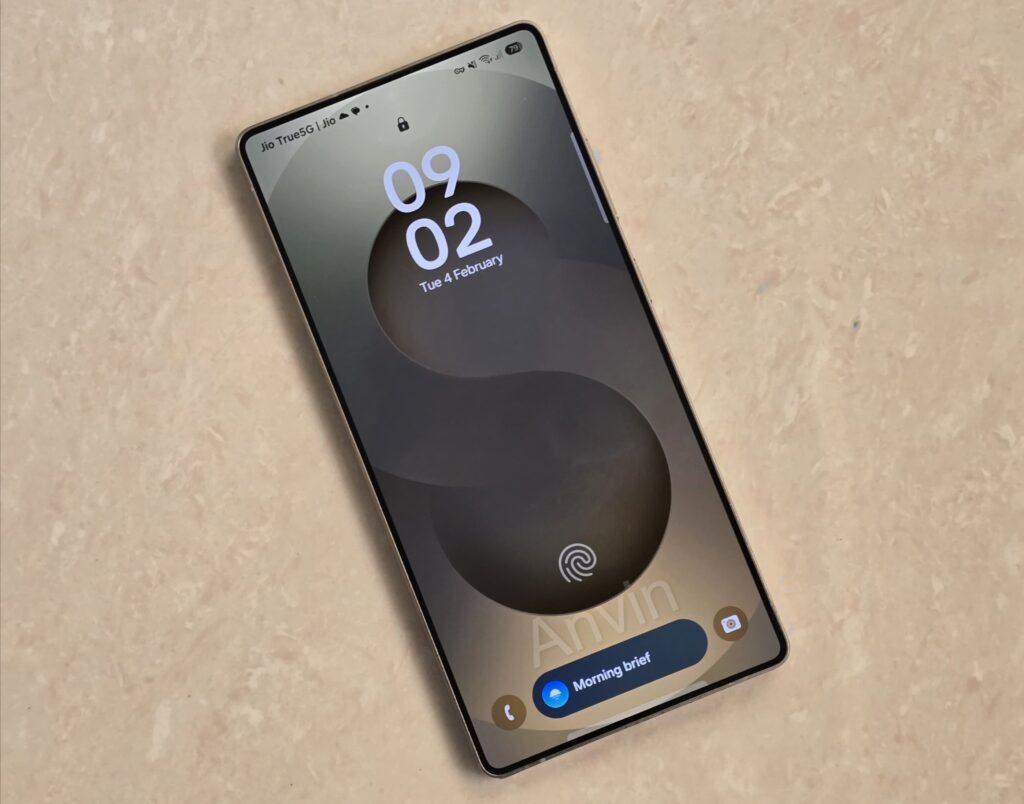
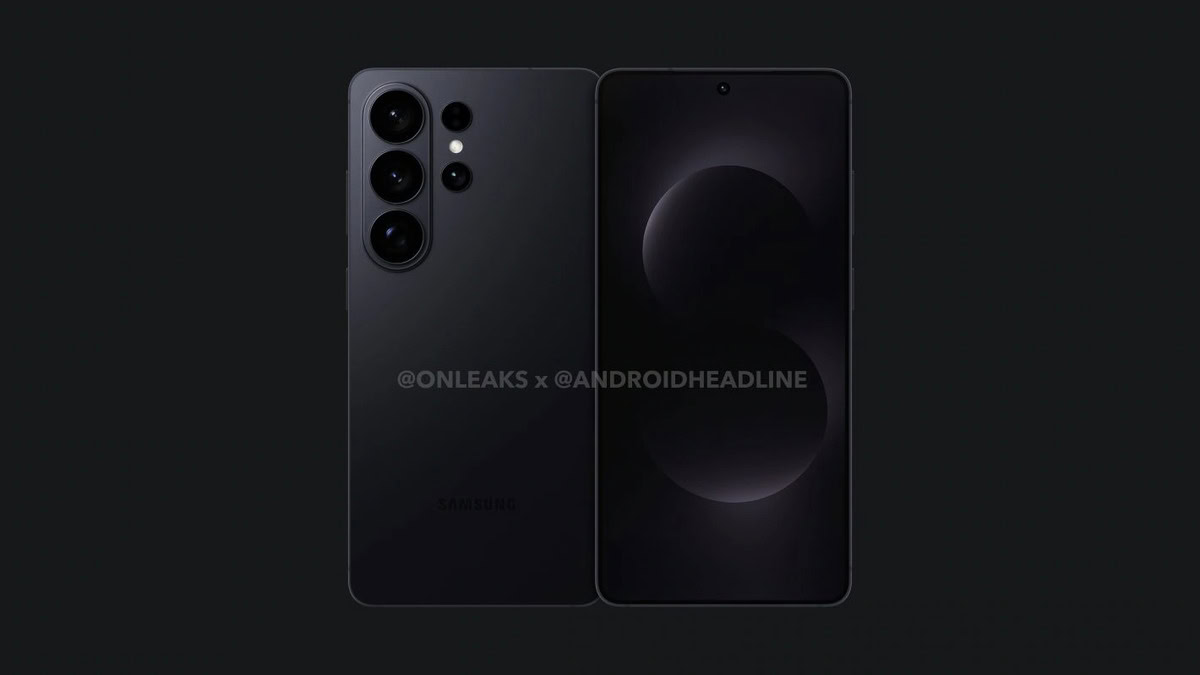
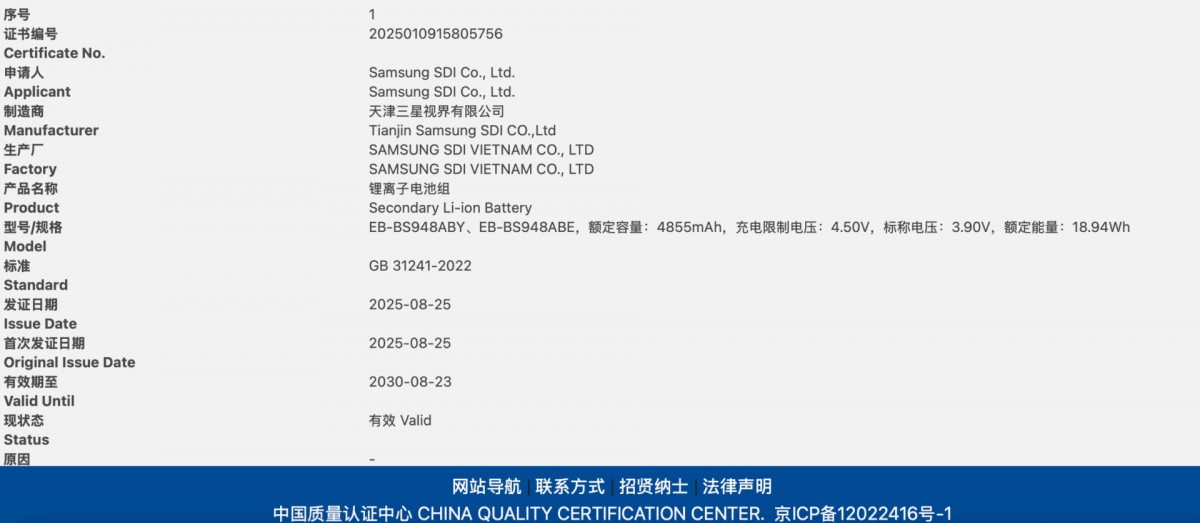
Let’s address the rumor head-on. The narrative suggests that Samsung’s next big “wow” factor for its Galaxy S series, potentially the S26, will be the integration of a solid-state battery, promising dramatically longer life and faster charging. However, a closer look at the source of many of these rumors reveals a critical misinterpretation. Reports often discuss the S26 featuring new battery technology, but this typically refers to advancements in conventional lithium-ion packaging, such as the use of “SUS CAN” stainless steel cans for improved energy density and safety—not a leap to solid-state.
This highlights a common pattern in tech journalism: incremental improvements in existing technology get conflated with generational shifts. Samsung’s official communications, particularly from its battery arm Samsung SDI, tell a completely different and far more deliberate story. Their public roadmap, investor presentations, and partnership announcements consistently point in one direction first and foremost: electric vehicles.
“The future of mobility is electric, and at the heart of that future is the battery. Our solid-state technology development is strategically aligned with the demanding requirements of the automotive industry.” – Paraphrase of Samsung SDI’s stated strategic focus.
This disconnect between rumor and corporate strategy isn’t accidental. It stems from a fundamental misunderstanding of why the economics and physics of solid-state batteries make smartphones a secondary target.
Why Samsung Solid State Battery is for EVs First
The core answer to why Samsung solid state battery is for EVs lies in a straightforward alignment of market need, technical feasibility, and economic sense. Electric vehicles present a near-perfect first-adopter market for this nascent technology.
- Cost Tolerance: An EV battery pack costs thousands of dollars. Automakers and consumers are willing to pay a significant premium for batteries that offer longer range and superior safety. A smartphone battery, in contrast, costs a fraction of that, and OEMs operate on razor-thin margins where even a few extra dollars in BoM (Bill of Materials) cost is prohibitive. The current cost of producing a solid-state cell is estimated to be 5 to 10 times higher than a standard lithium-ion cell—a premium easily absorbed in a $50,000 car but impossible in a $1,000 phone.
- Form Factor & Packaging: EVs have vast, structured spaces dedicated to battery packs. This allows engineers more flexibility to design around the current challenges of solid-state cells, such as stack pressure requirements and interfacial stability between the solid electrolyte and electrodes. A smartphone battery is a tightly constrained, irregularly shaped pouch that must survive daily bending, drops, and thermal cycles.
- Critical Need for Breakthroughs: The automotive industry is desperate for the two key promises of solid-state: radically improved safety (eliminating flammable liquid electrolytes) and ultra-high energy density (enabling 500+ mile ranges). These align perfectly with Samsung SDI’s published goals of achieving energy densities over 900 Wh/L for its automotive-grade cells. This is not just theoretical; Samsung has publicized partnerships with major automakers like Hyundai and BMW, aiming for sample production by 2027 and mass production in the late 2020s.

This EV-first strategy is not unique to Samsung; it’s an industry-wide consensus. By targeting the high-value, high-volume automotive market first, companies can achieve the economies of scale and manufacturing experience necessary to eventually drive costs down for consumer electronics. The path to your phone’s battery runs directly through the garage.
When Will Solid State Batteries Come to Smartphones?
So, if EVs are first in line, what does that mean for our pockets? When will solid state batteries come to smartphones? The evidence points to a distant reality, certainly not by the speculated Galaxy S26 launch in early 2026.
The miniaturization and integration hurdles for smartphones are profound:
- Prohibitive Cost: As mentioned, the cost multiplier is the single biggest blocker. Until the manufacturing processes perfected for EVs drive cell costs down by an order of magnitude, smartphone integration is a non-starter.
- Mechanical Brittleness: Many solid electrolytes, particularly ceramic ones, are brittle. The constant micro-flexes and potential impacts a phone endures could lead to crack formation, creating short circuits and catastrophic failure.
- Temperature Sensitivity & Cycle Life: Solid-state cells often require elevated temperatures to operate efficiently and can be sensitive to cold. Furthermore, achieving a high number of charge-discharge cycles (1,000+) with minimal capacity fade under the stress of daily fast charging is a challenge still being solved in the lab.
Industry analysts echo this cautious timeline. Firms like IDTechEx project that while solid-state batteries will begin meaningful penetration in the EV market in the late 2020s, viable commercial adoption in smartphones will likely not occur until post-2030. This aligns with Samsung’s own guarded statements, which focus on automotive milestones and avoid any specific promises for mobile devices.
This research directly debunks the S26 rumor. The source material for many “S26 battery tech” articles clarifies that the upgrades are within the existing lithium-ion paradigm. This misinterpretation is a perfect case study in how complex battery tech developments are often oversimplified into revolutionary claims for the next flagship phone.
The Manufacturing Bottleneck: Samsung SDI Dry Electrode Process
The ultimate timeline blocker isn’t just inventing the chemistry in a lab; it’s producing it reliably, at high yield, and low cost on a factory floor. This is where the Samsung SDI dry electrode manufacturing process becomes the critical, unsung hero—and the primary reason for delayed timelines.
Traditional lithium-ion battery manufacturing uses a “wet” process. Electrode active materials are mixed with conductive additives and binders into a slurry using toxic, expensive liquid solvents like N-Methyl-2-pyrrolidone (NMP). This slurry is coated onto a metal foil and then sent through massive, energy-intensive drying ovens to evaporate the solvent, which is then captured and recycled.
This process is ill-suited for solid-state batteries. The dense, multi-layer structures of solid-state cells don’t play well with solvent-based slurries. Enter Samsung’s “Dry Surface Modification” technology.
- The Innovation: Instead of a wet slurry, Samsung’s dry process uses an electrostatic spraying technique. Powdered electrode material is charged and sprayed directly onto the collector foil, creating a uniform, solvent-free layer. This is then compacted under heat and pressure.
- The Benefits:
- Cost Reduction: Eliminates the need for solvent recovery systems and giant drying ovens, potentially cutting electrode manufacturing costs by 20-30%.
- Environmental & Safety: Removes toxic solvents from the factory entirely.
- Performance: Allows for thicker, denser electrode layers, which is key to achieving the high energy densities targeted for EVs.
The Challenge: Scaling this dry process to the blistering speeds and near-zero defect rates required for mass production is a monumental engineering hurdle. Managing powder flow, ensuring perfect layer uniformity, and controlling electrostatic discharge at high volumes are problems still being worked out. Perfecting this dry electrode manufacturing process is a non-negotiable prerequisite for any commercial solid-state product. It’s a primary reason why Samsung’s public timeline points to the “second half of the 2020s” for initial production—the factory itself must be reinvented.
Solid State Battery Energy Density Improvements 2025: Context
You might read headlines about solid state battery energy density improvements 2025 and wonder if that contradicts the skeptical outlook for smartphones. It does not, and understanding the context is crucial.
Samsung and its competitors have published aggressive internal goals. Samsung SDI has discussed aiming for energy densities in the range of 500 to 700 Wh/L by 2025, with a long-term target beyond 900 Wh/L. These improvements are expected to come from:
- Advanced sulfide-based solid electrolytes with higher ionic conductivity.
- The integration of ultra-thin lithium metal anodes, which have the highest theoretical capacity.
- Refinements in cell stacking and pressure management.

Here is the critical clarification: These 2025 density targets are pilot-line or EV-prototype milestones. Achieving 700 Wh/L in a carefully assembled, small-batch battery pack for an electric vehicle validation platform is a world away from achieving that same density in a mass-produced, durable, cost-effective package the size of a smartphone battery.
The sequence of events is methodical:
1. Achieve target density in a lab cell.
2. Scale it to a pilot manufacturing line (the dry process challenge).
3. Validate safety and cycle life in