
Smart Electric Bikes: How AI Assist Modes Are Revolutionizing Urban Mobility
Estimated reading time: 8 minutes
Key Takeaways
- Smart electric bike AI assist modes use adaptive algorithms for intuitive power delivery, terrain response, and rider personalization, making rides seamless and efficient.
- Range optimization tech leverages AI-driven predictive battery management to eliminate range anxiety by calculating remaining power and suggesting optimal routes.
- Connected bike dashboards serve as command centers, providing real-time metrics, navigation, theft alerts, and control over AI features via handlebar displays or apps.
- Integration into the urban IoT ecosystem allows smart e-bikes to sync with smart helmets, locks, and fitness trackers, enhancing safety and versatility as essential urban mobility gadgets.
- The synergy of AI assist, range optimization, and connected dashboards creates safer, more efficient, and enjoyable commutes, positioning smart e-bikes at the forefront of sustainable transport.
Table of Contents
- Smart Electric Bikes: How AI Assist Modes Are Revolutionizing Urban Mobility
- Key Takeaways
- Introduction: The Dawn of Intelligent Urban Commuting
- Demystifying Smart Electric Bike AI Assist Modes
- Maximizing Every Journey with Range Optimization Tech
- The Command Center: Connected Bike Dashboards
- Integration into the Urban Ecosystem
- The Synergistic Benefits
- The Road Ahead: Future Trends in Smart E-Bike Tech
- Frequently Asked Questions
Introduction: The Dawn of Intelligent Urban Commuting
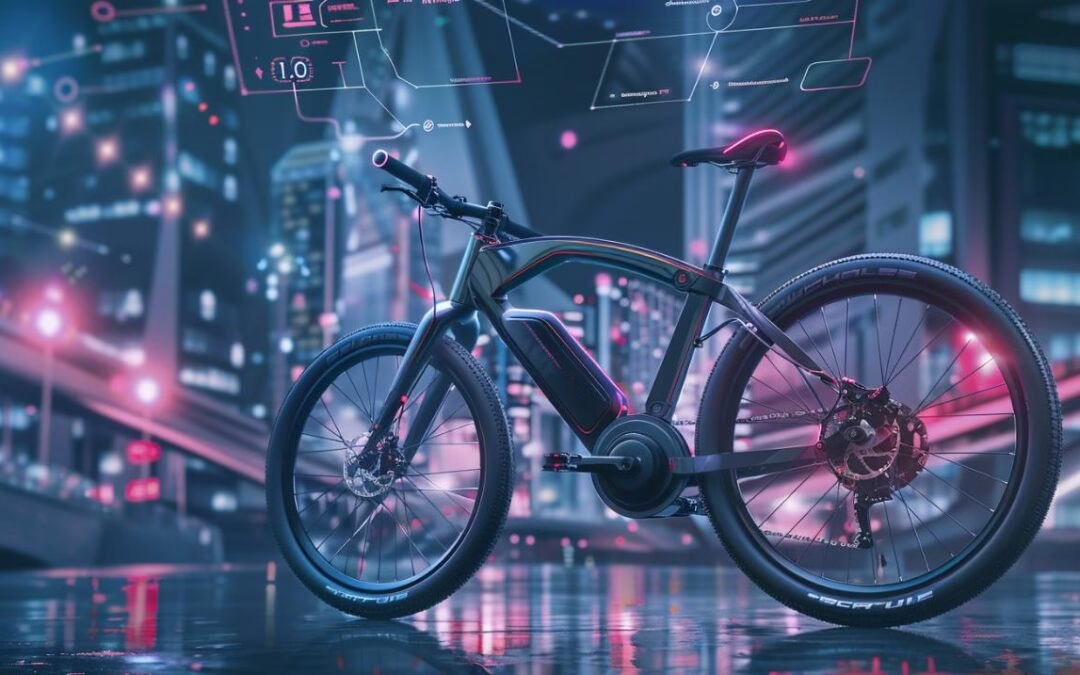
Imagine gliding through city streets on a bike that anticipates your every move, intuitively adapting to your pace and the terrain. This is the thrill offered by the modern smart electric bike, an intelligent urban mobility tool that integrates advanced AI and connectivity far beyond a basic motor, evolving into a seamless companion via smart electric bike AI assist modes. These central systems use sensors and algorithms for intuitive power delivery, safety, and efficiency, positioning these machines as cutting-edge urban mobility gadgets revolutionizing city travel. This seamless tech caters directly to e-mobility enthusiasts seeking tech-driven efficiency and a transformed commute.

As cities grow denser and sustainability becomes paramount, the smart e-bike emerges not just as a vehicle, but as a data-driven partner in navigation. For a broader look at how AI is powering the future of personal transport, explore our analysis of unbeatable AI-powered transportation.
Demystifying Smart Electric Bike AI Assist Modes
Smart electric bike AI assist modes are the brain of the new e-bike revolution. They employ adaptive algorithms for features like torque-based power output that matches your pedaling force, automatic adjustments for terrain such as hills or flats, and real-time personalization—including switching between torque and cadence sensors on-the-fly or optimizing for hills and eco-rides. These intelligent systems analyze pedaling patterns, acceleration, braking, and rider habits to deliver seamless, invisible assistance.

- Adaptive Torque: Power adjusts in real-time to your pedaling pressure, providing a natural feel that reduces fatigue on long rides. It’s like having a tailwind that knows exactly when you need it.
- Terrain Response: The system automatically detects inclines or flat roads and tailors motor output, ensuring smooth transitions without manual input. For instance, on a steep hill, the AI might ramp up assistance to maintain your speed effortlessly.
- Rider Personalization: AI learns your style over time, creating custom assistance levels. Whether you’re a brisk commuter or a leisurely rider, the bike adapts to your preferences.

For example, Velotric’s SensorSwap™ allows mid-ride mode shifts, while Urtopia’s AI seamlessly handles hill climbs and energy-saving modes. Safety is also enhanced with features like anti-collision warnings that predict hazards using radar or camera systems. These benefits simplify rides for beginners and offer nuanced control for experts, making every journey more accessible and enjoyable. The intelligence behind these systems is part of a larger trend in game-changing AI-powered workspaces where automation and smart algorithms enhance human effort.
“The true magic of AI assist modes lies in their invisibility—they work so smoothly that riders often forget the technology is there, until they realize they’ve conquered a hill with ease.” – Industry Expert
Maximizing Every Journey with Range Optimization Tech
The intelligence of AI assist modes connects directly to battery smarts. Range optimization tech is AI-driven predictive battery management, like Bosch’s Range Control in the eBike Flow app, which calculates remaining power for your destination and auto-adjusts motor assistance based on your route and habits. This tech is key for eliminating “range anxiety” on urban commutes by extending distance intelligently.
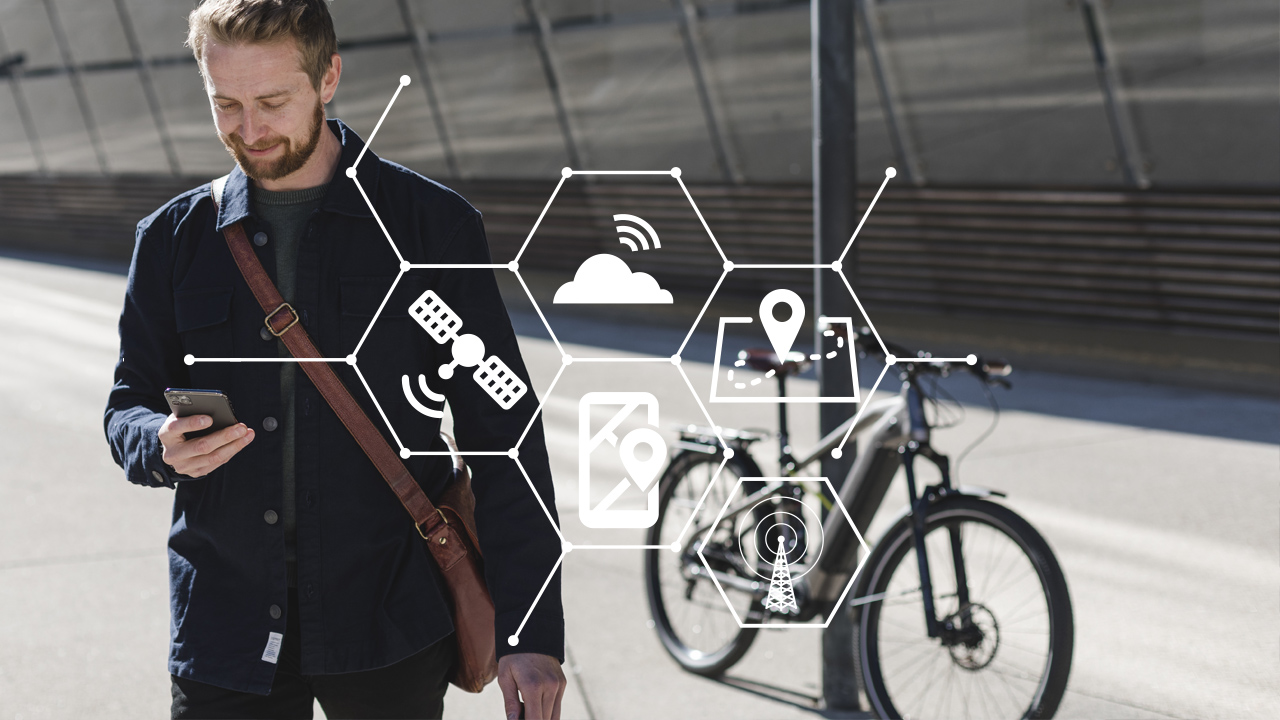
- Predictive Mapping: Calculates remaining range and suggests optimal routes to conserve battery, often integrating with apps like Google Maps for live traffic data.
- Regen Braking: Recaptures energy during descents to recharge the battery, similar to systems in electric cars, adding miles to your ride without plugging in.
- Eco-Routing: AI learns riding styles to suggest the most efficient paths, avoiding hills or congested areas that drain power faster.
- Load Optimization: Adjusts discharge rates when carrying cargo for maximum efficiency, ensuring that grocery runs or deliveries don’t cut your trip short.

This smart management ensures you can plan longer trips with confidence, whether it’s a 20-mile commute or a weekend adventure. Imagine your bike nudging you to take a flatter route to save battery, all while keeping you on time. This focus on smart, efficient energy use mirrors the innovation seen in other connected ecosystems, such as the rise of unstoppable AI-powered smart homes.
The Command Center: Connected Bike Dashboards
Acting as the intuitive interface, connected bike dashboards are your handlebar displays, companion smartphone apps, or fighter-jet-inspired interfaces. They provide real-time metrics and act as hubs for controlling your ride.
- Real-Time Metrics: Speed, battery status, power modes, GPS tracking, and even weather updates, all displayed on a crisp screen that’s readable in sunlight.
- AI Controls: Hub for selecting and customizing AI assist modes and range features, allowing you to switch between “Eco,” “Sport,” or “Tour” with a tap.
- Smart Integrations: Enable navigation with turn-by-turn directions, theft alerts via live location tracking, and ride analytics that log your distance, calories burned, and CO2 saved.
These dashboards turn your bike into a proactive companion, offering over-the-air updates for firmware improvements and seamless smartphone integration for calls or music. Some models even feature voice control, so you can adjust settings hands-free. Managing these connected devices is becoming second nature, much like interacting with the latest wearable health gadgets that sync seamlessly with our digital lives.
Integration into the Urban Ecosystem
Modern smart e-bikes are essential urban mobility gadgets that connect via the Internet of Things (IoT). They sync with Bluetooth helmets for integrated lights, signals, and microphones, smart locks for automatic securing, and fitness trackers for heart-rate-based assist—like Velotric’s Pulse Mode™ that ramps power during high exertion. This ecosystem embeds the bike into the city’s network for sustainable transport.
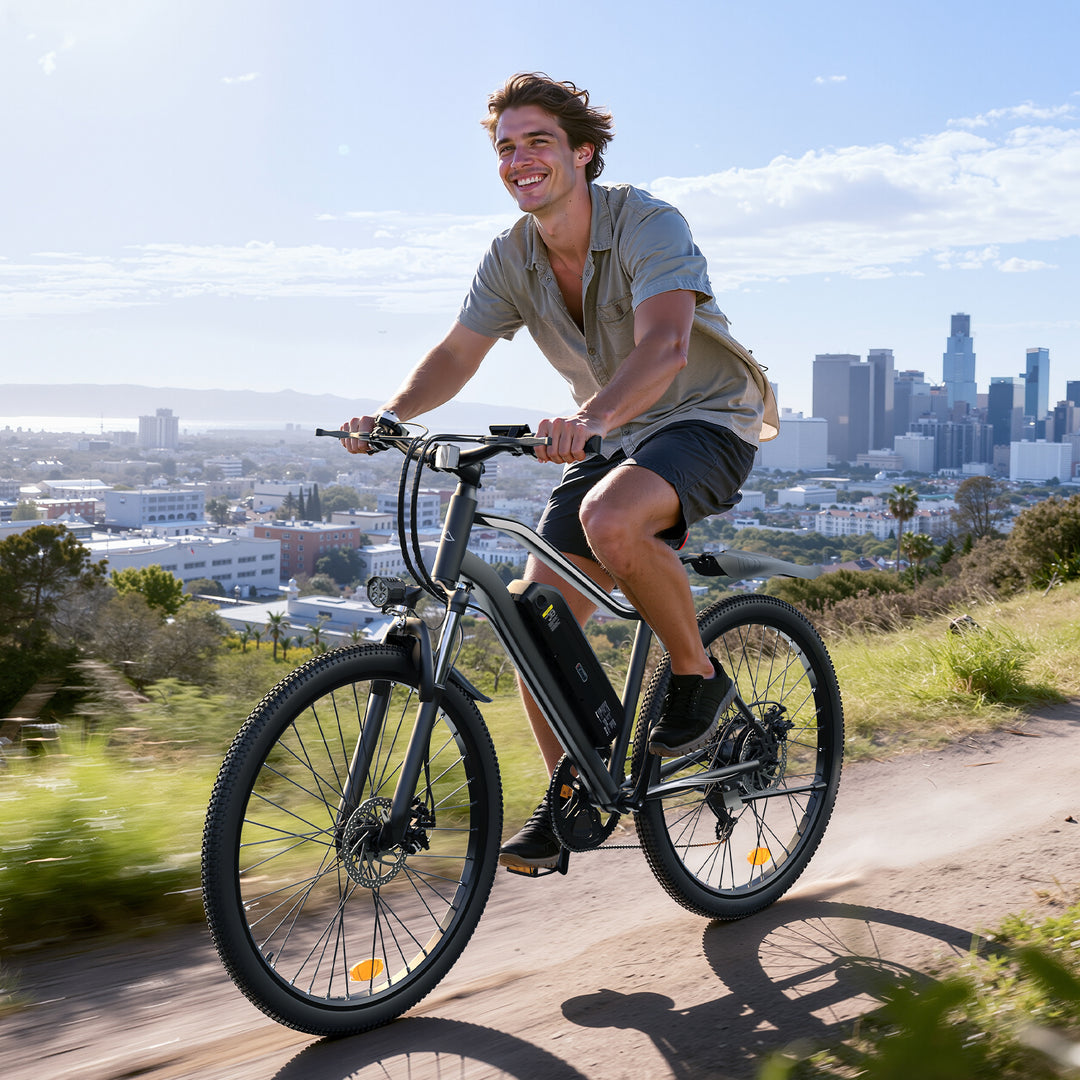
- Smart Helmets & Locks: For safety and automatic security; for example, a helmet that alerts you to rear traffic or a lock that engages when you walk away.
- Fitness Tracker Sync: Adjusts assist based on your heart rate, ensuring that if you’re pushing too hard, the bike provides extra boost to keep you in a healthy zone.
- App Integration: Routes around congestion or to nearby charging stations, and can even connect to public transit apps for multi-modal journeys.
This deep connectivity for theft deterrence and modular frames that switch from commuter to trail setups highlight the bike’s versatile role in city life. Choosing the right tech to integrate follows the same savvy logic as finding the best deals in our guide on how to shop for tech gadgets on a budget.
The Synergistic Benefits
When smart electric bike AI assist modes, range optimization tech, and connected bike dashboards combine, they create a transformative riding experience.

- Safer Rides: Via radar alerts that warn of approaching vehicles, traction control that prevents skids on wet roads, and automatic lighting that adjusts to conditions.
- Higher Efficiency: Through predictive mapping that avoids traffic and regenerative braking that extends battery life, reducing overall energy consumption.
- Predictable Performance: By learning and adapting to your habits, the bike ensures consistent assistance, so you always know what to expect on your commute.
- Pure Enjoyment: Providing invisible support that preserves rider control, making cycling feel effortless and fun, which encourages more people to ditch cars.
This synergy reduces anxiety and boosts urban commuting adoption by making rides not just practical, but genuinely empowering. It’s a holistic approach that turns daily travel from a chore into a highlight.
The Road Ahead: Future Trends in Smart E-Bike Tech
The future promises even deeper city integration, with AI-personalized routing using live infrastructure data from smart cities, advanced personalization via solid-state batteries for longer life and faster charging, and health-focused modules syncing biometrics to monitor fitness goals. Smart e-bikes are poised to play a pivotal role in sustainable urban transport, potentially communicating with traffic lights to reduce wait times or forming platoons for efficient group rides.

We encourage you to experience this revolution firsthand. Test a smart e-bike with smart electric bike AI assist modes at a local dealer or explore models featuring range optimization tech and connected bike dashboards to seriously upgrade your urban mobility gadgets game. The journey toward smarter cities starts on two wheels.
Frequently Asked Questions
Traditional pedal-assist provides fixed levels of motor help (e.g., Eco, Normal, Sport), while AI assist modes use sensors and algorithms to adapt power in real-time based on your pedaling force, terrain, and riding habits. This makes the assistance more intuitive and seamless, almost like the bike is reading your mind.
Range optimization tech uses AI to predict battery drain based on your route, riding style, and even weather conditions. It can suggest energy-saving routes, adjust motor assistance automatically, and provide accurate estimates of remaining range, so you never worry about running out of power mid-ride.
Not at all! Most dashboards are designed with user-friendly interfaces, similar to smartphone apps. They often feature simple touchscreens, voice commands, or companion apps that guide you through setup. Manufacturers prioritize accessibility to ensure all riders can benefit from the technology.
Yes, many smart e-bikes support IoT connectivity, allowing them to sync with devices like Apple Watch, Fitbit, smart helmets, and even home assistants like Alexa. This integration enables features like heart-rate-based assistance or automatic locking when you arrive home.
Prices vary, but smart e-bikes with AI assist modes, range optimization, and connected dashboards typically range from $2,000 to $5,000. While more expensive than basic models, the investment pays off in enhanced safety, efficiency, and enjoyment, plus potential savings on car maintenance and fuel over time.