
Smart Home Energy Optimization: Mastering Efficiency with AI, Smart Grids, and Data Insights
Estimated reading time: 12 minutes
Key Takeaways
- Smart home energy optimization can slash energy bills by 20-30% while boosting comfort and sustainability.
- It relies on a system of connected devices, sensors, and software for real-time monitoring and automation.
- AI power management uses machine learning to predict and adjust energy use, adding 10-20% extra savings.
- Matter smart grid integration enables homes to communicate with utility grids for demand response and cost optimization.
- Eco usage insights provide visual data breakdowns to empower homeowners to identify and eliminate waste.
- Combining these pillars creates a self-optimizing ecosystem for holistic efficiency.
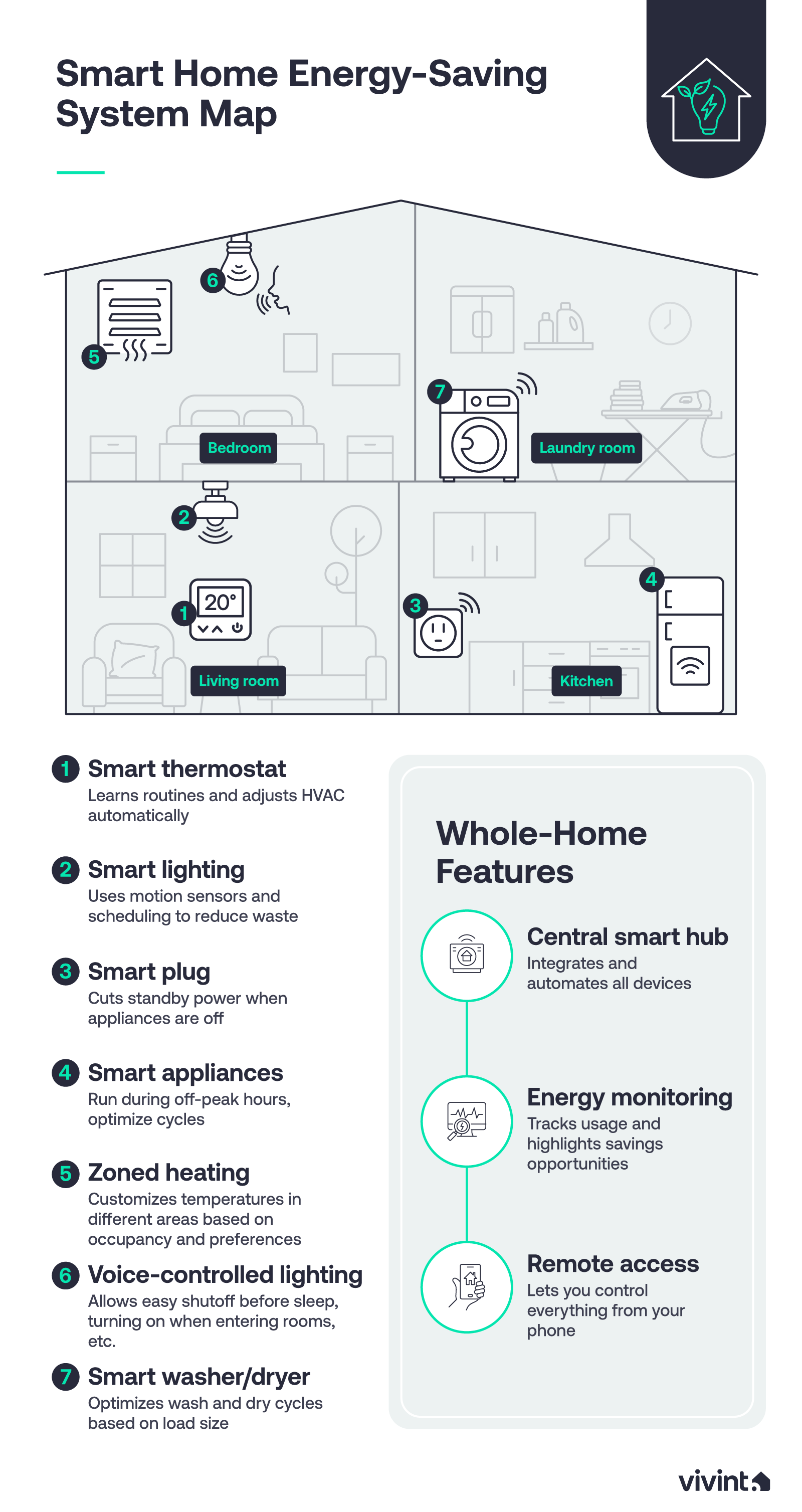
Table of contents
- Smart Home Energy Optimization: Mastering Efficiency with AI, Smart Grids, and Data Insights
- Key Takeaways
- What is Smart Home Energy Optimization?
- The Three Pillars of Modern Energy Optimization
- How Smart Home Energy Optimization Works: The System Architecture
- AI Power Management: The Intelligent Brain
- Matter Smart Grid Integration: Connecting to the Future Grid
- Eco Usage Insights: Empowering Homeowners with Data
- Bringing It All Together: The Self-Optimizing Home
- Getting Started: A 5-Step Checklist for Beginners
- Important Considerations
- Frequently Asked Questions
What is Smart Home Energy Optimization?
Imagine a home that not only provides comfort but actively works to slash your energy bills by up to 20-30%, reduces your carbon footprint, and operates with seamless automation. This isn’t a distant dream—it’s the reality of smart home energy optimization. At its core, smart home energy optimization is the use of connected devices, sensors, and software to automatically monitor, manage, and minimize a home’s energy use in real-time without compromising your lifestyle, as detailed in foundational guides from Meegle and Constellation. It’s the ultimate solution for achieving unparalleled efficiency, backed by general benefits outlined in sources like Arrow Energy.
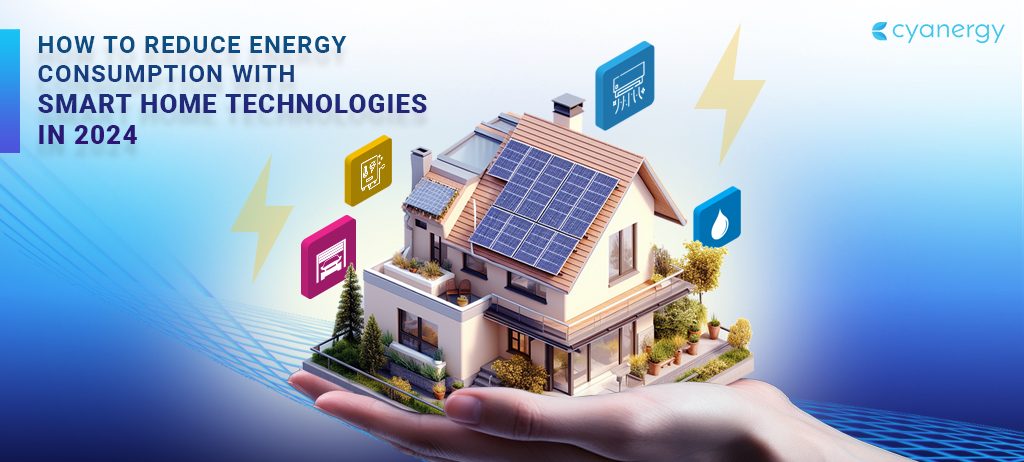
This technology revolves around three key pillars that transform basic automation into intelligent efficiency:
- AI Power Management: Predictive adjustments using adaptive learning algorithms, as noted in industry reports and research like Thermal Science papers.
- Matter Smart Grid Integration: Seamless connectivity for interoperability with advanced electricity networks.
- Eco Usage Insights: User-driven improvements via detailed data visualization.
Together, these elements combine for a holistic approach to energy management, teasing the real-world components that make it all possible.
The Three Pillars of Modern Energy Optimization
To truly harness smart home energy optimization, understanding its foundational pillars is essential. These aren’t just features; they’re the engines driving the 20-30% savings and sustainability gains.
- AI Power Management: This goes beyond scheduling. It involves machine learning algorithms that analyze your habits and external data to make predictive adjustments. Think of it as your home’s brain, constantly learning to optimize.
- Matter Smart Grid Integration: As homes become smarter, connecting to the broader grid is the next frontier. The Matter protocol enables secure communication between your devices and utility providers, allowing for dynamic responses to grid demands.
- Eco Usage Insights: Knowledge is power. These insights turn raw data into actionable visual reports, showing you exactly where energy is used—and wasted—so you can make informed changes.
These pillars work in tandem, setting the stage for the intricate system architecture that brings it all to life.
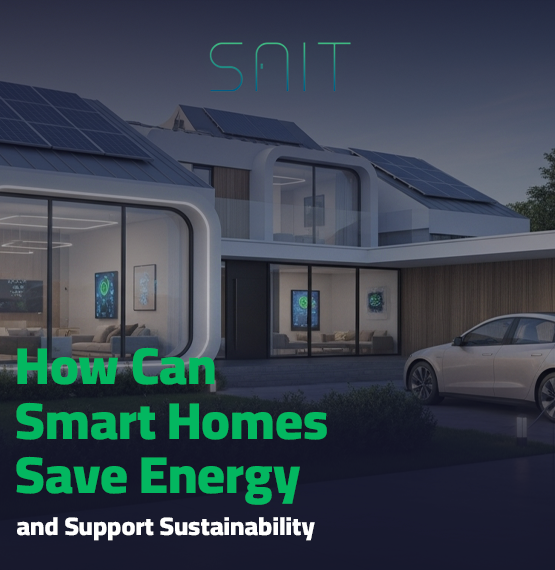
How Smart Home Energy Optimization Works: The System Architecture
The magic of smart home energy optimization lies in its layered architecture. It’s a symphony of components working together:
- Sensors: Motion, temperature, and humidity detectors placed throughout the home gather real-time data on occupancy and environmental conditions.
- Smart Appliances: Devices like thermostats, lights, and plugs that respond to automated commands or user inputs.
- Central Hub or Controller: A brain, such as smart home platforms like Google Home or Amazon Alexa, processes data from sensors and appliances. For instance, the Google Nest Hub acts as a smart home controller, coordinating actions.
- User Interfaces: Mobile apps or voice activation (e.g., “Alexa, optimize energy now”) provide oversight and control, making the system accessible to everyone.
This setup enables real-time monitoring and automation, as supported by Constellation and Meegle. The primary goal? To dynamically shift energy usage to off-peak times, eliminate waste (like lights left on in empty rooms), and boost efficiency by 15-25% on average—all while maintaining comfort. These savings and environmental impacts are well-documented by Arrow Energy and Octopus Energy.
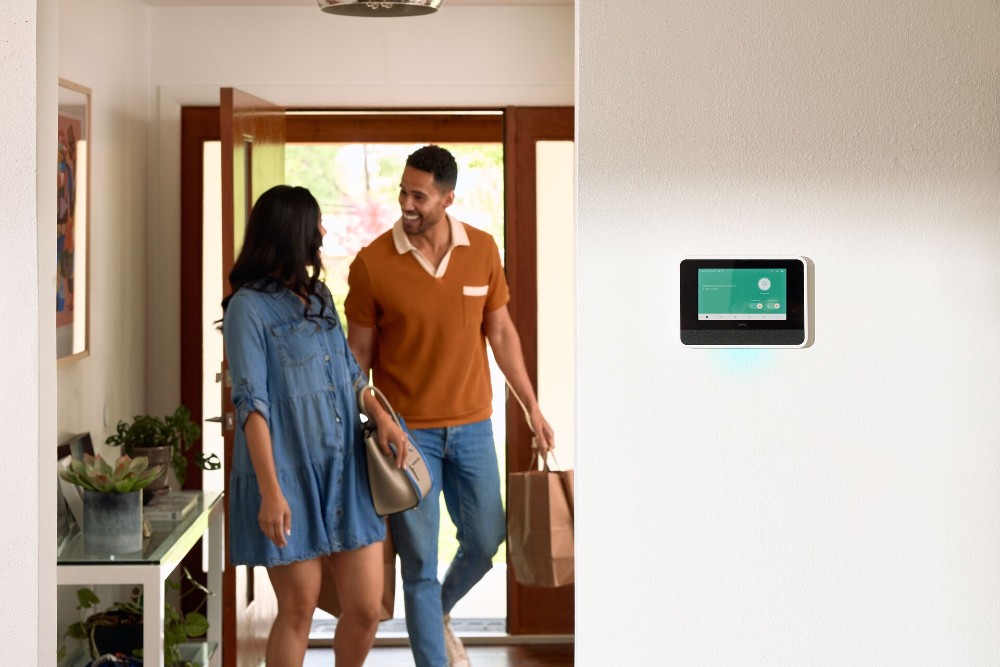
User control is seamless: with mobile apps for remote adjustments and voice commands, you’re always in charge. But this basic automation evolves into something smarter with AI power management, the true brains behind the operation.
AI Power Management: The Intelligent Brain
Enter AI power management—the intelligent core that elevates smart home energy optimization from reactive to predictive. Defined as machine learning algorithms that analyze data patterns to automate energy use, it’s detailed in resources like Penbrief’s AI integration guide. This technology is often referred to as “adaptive learning algorithms” in smart thermostats, supported by Meegle, Arrow Energy, Kelleher HVAC, and academic mentions in Thermal Science.
How does AI learn? It tracks household patterns meticulously:
- Occupancy: Motion sensors detect when rooms are empty, allowing AI to adjust heating or lighting.
- Daily Routines: Wake-up times, work schedules, and entertainment habits inform predictive adjustments.
- External Factors: Weather forecasts are integrated to preemptively cool or heat your home.
Concrete examples bring this to life:
- Pre-emptive Climate Control: AI pre-heats or cools your home 30 minutes before you arrive based on GPS location and calendar data.
- EV Charging Management: Intelligently schedules electric vehicle charging for off-peak hours when electricity rates are lower.
- Appliance Sequencing: Sequences high-power appliances (e.g., running the washer after the dishwasher) to avoid peak load spikes, building on automation examples from Meegle.
The benefits are substantial: AI power management can deliver up to 10-20% additional savings beyond basic automation through predictive precision, tying back to overall cost reductions highlighted by Arrow Energy. This intelligence seamlessly integrates with broader grid networks, paving the way for Matter smart grid integration.
Matter Smart Grid Integration: Connecting to the Future Grid
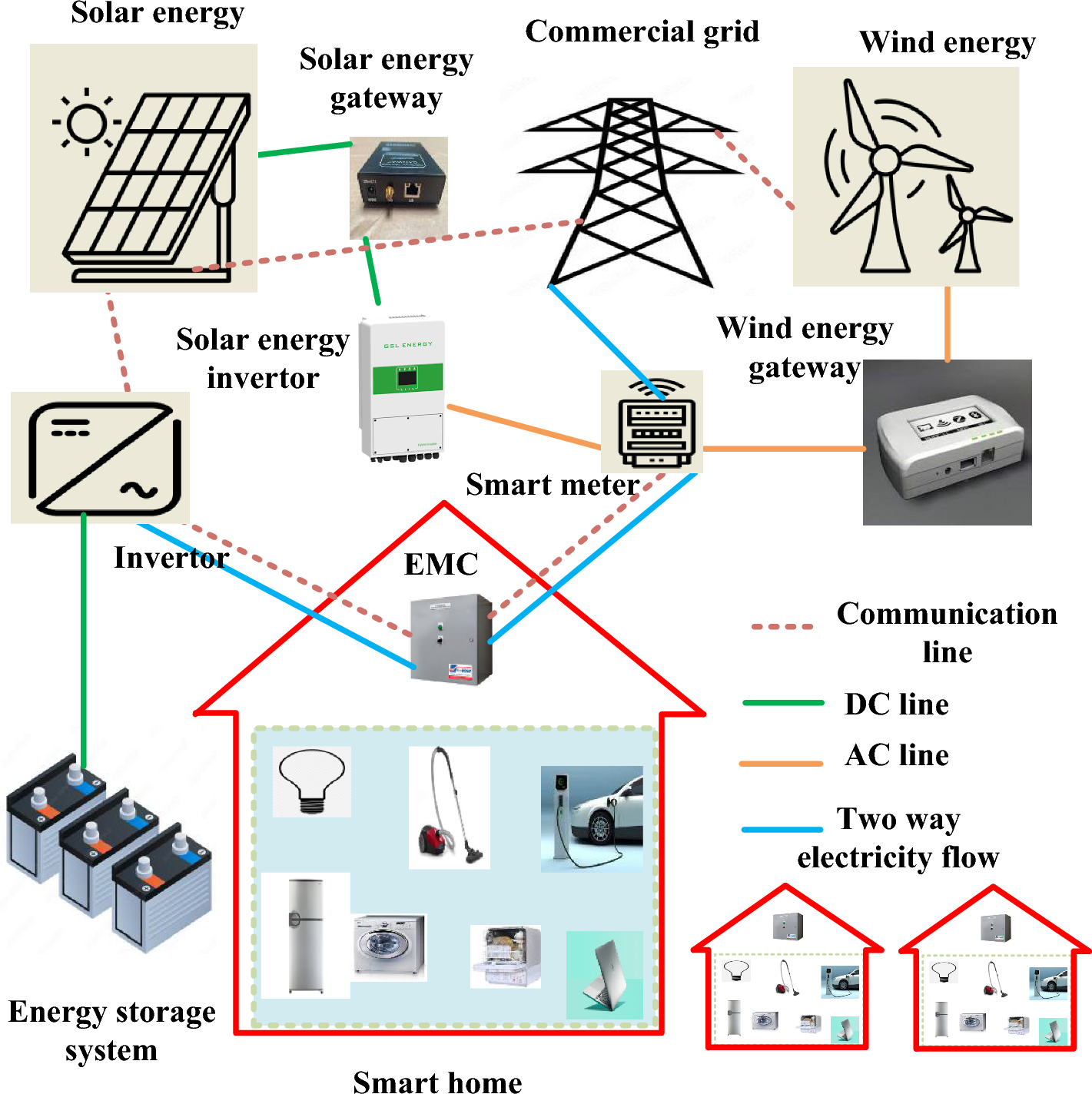
The smart grid is an advanced electricity network that balances supply and demand intelligently. Matter smart grid integration acts as the bridge, allowing homes to participate actively. While search results lack direct coverage, this is the logical next step for interoperability beyond basic setups.
So, what is Matter smart grid integration? It’s the use of the Matter protocol—an open-standard connectivity specification developed by tech giants like Apple, Google, and Amazon—to enable secure, reliable two-way communication between home devices and utility providers. This allows homes to respond to grid signals in real-time.
Benefits include technical specifics that transform energy management:
- Automatic Demand Response: During grid stress events, homes automatically reduce usage (e.g., dimming lights or pausing non-essential loads) in exchange for utility rewards or credits.
- Real-Time Price Optimization: Loads are shifted to the lowest-tariff periods based on signals from the grid, maximizing savings.
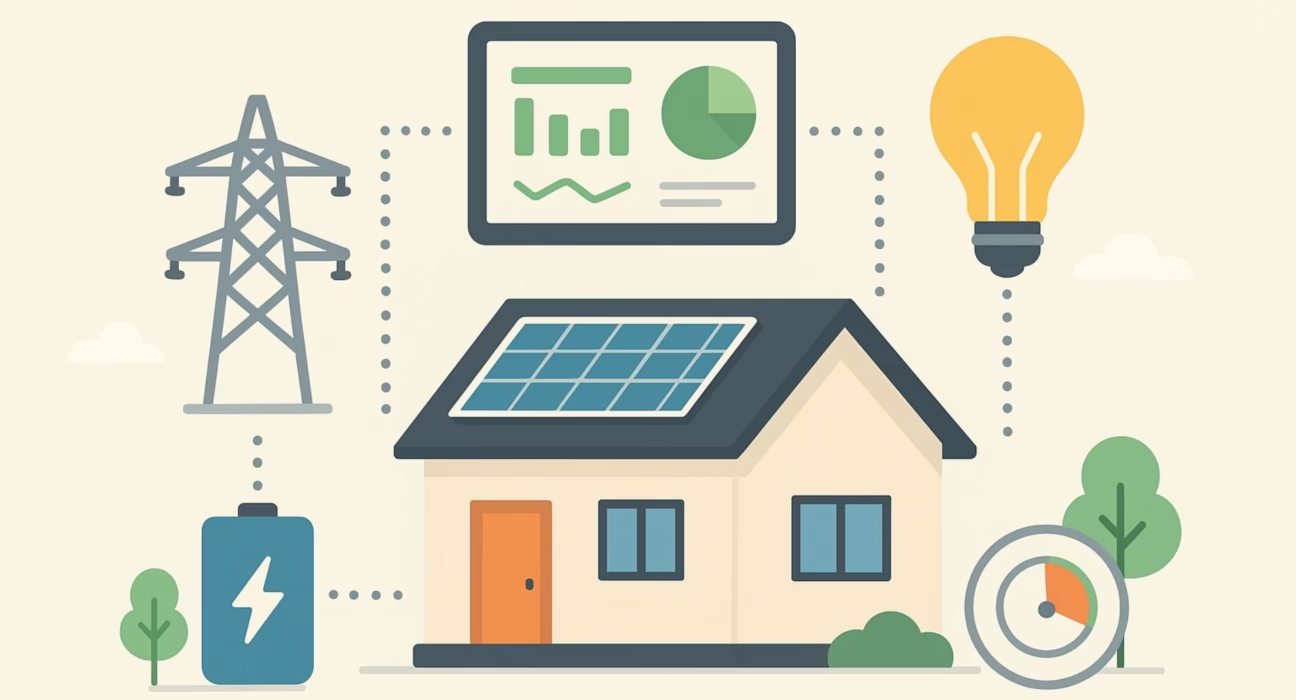
- Enhanced Grid Stability: Integration with home solar panels or batteries allows excess renewable energy to be fed back into the grid, supporting community resilience.
These benefits logically extend from general smart home advantages noted by Constellation. The technical flow is straightforward: Matter-certified devices send encrypted data to the hub, which interfaces with utility APIs for signals like “peak pricing alert,” triggering AI-adjusted responses. This synergy between AI power management and grid connectivity creates a dynamic loop. But for homeowners to stay engaged, eco usage insights provide the necessary empowerment.
Eco Usage Insights: Empowering Homeowners with Data
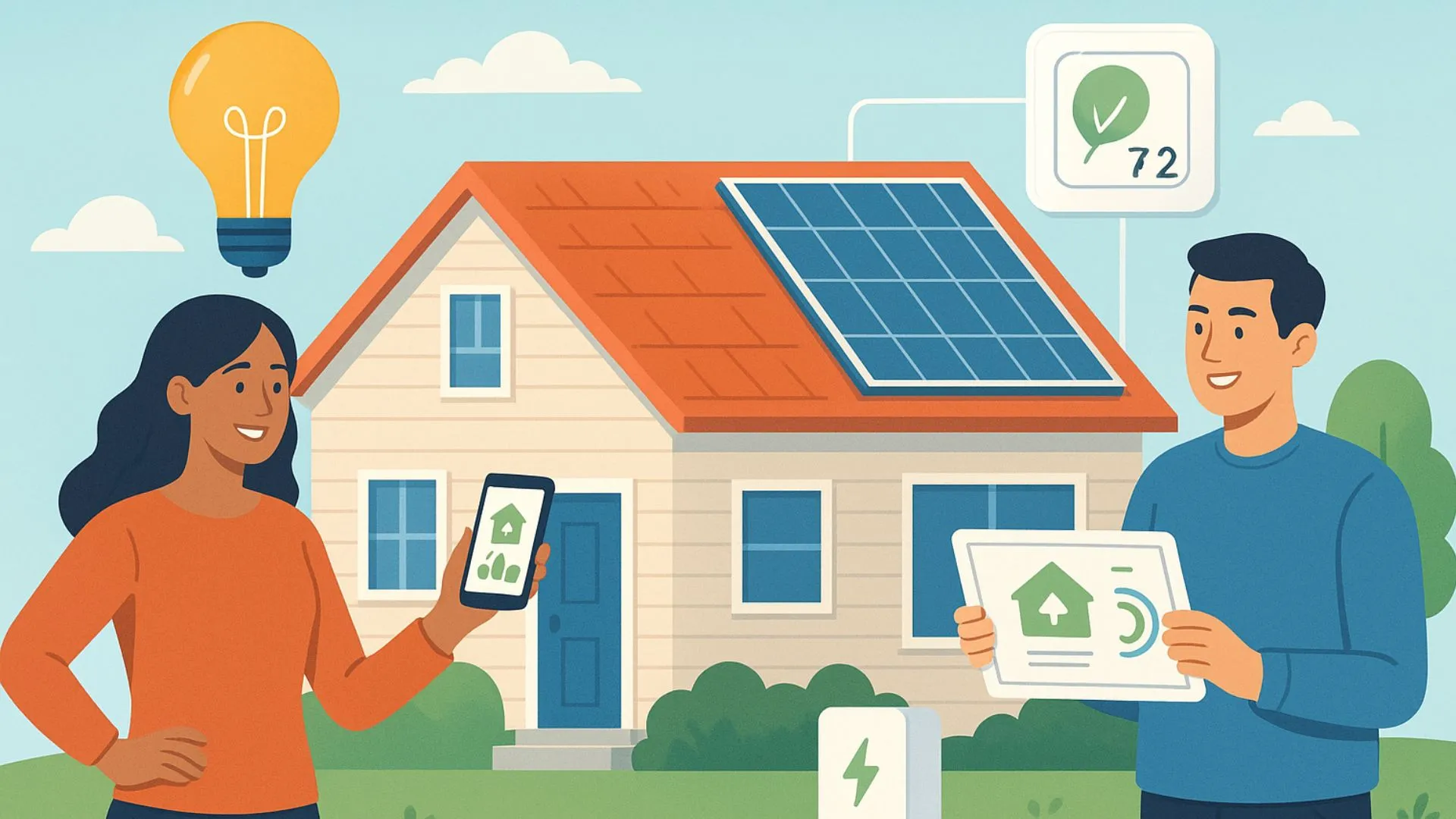
Shift focus to user empowerment through eco usage insights, defined as detailed, visual breakdowns of energy consumption data provided by smart systems. These insights turn raw numbers into actionable knowledge, aligning with real-time monitoring capabilities described by Meegle.
How are insights generated? Apps and dashboards categorize usage by:
- Device: e.g., 30% of energy from HVAC systems.
- Room: e.g., kitchen spikes during dinner preparation.
- Time-of-Day: e.g., evening peaks when the family is home.
This uses historical data and AI analysis to paint a clear picture. Presentation formats make data accessible:
- Interactive Dashboards: Charts and graphs show weekly trends, allowing for drill-down analysis.
- Automated Reports: Emailed monthly summaries highlight consumption patterns and savings.
- Real-Time Alerts: Notifications like “Your fridge is an energy vampire using 15% more than average—check seals” prompt immediate action.
The impact is profound: insights reveal inefficiencies like “energy vampires” (standby devices drawing phantom power), prompting habit changes (e.g., unplugging chargers) or upgrades (e.g., replacing an old fridge identified as the top consumer). This motivational role in environmental benefits is cited by Octopus Energy and Arrow Energy. Ultimately, eco usage insights are the user’s tool in the smart home energy optimization journey, feeding data back into the AI loop for continuous improvement.
Bringing It All Together: The Self-Optimizing Home
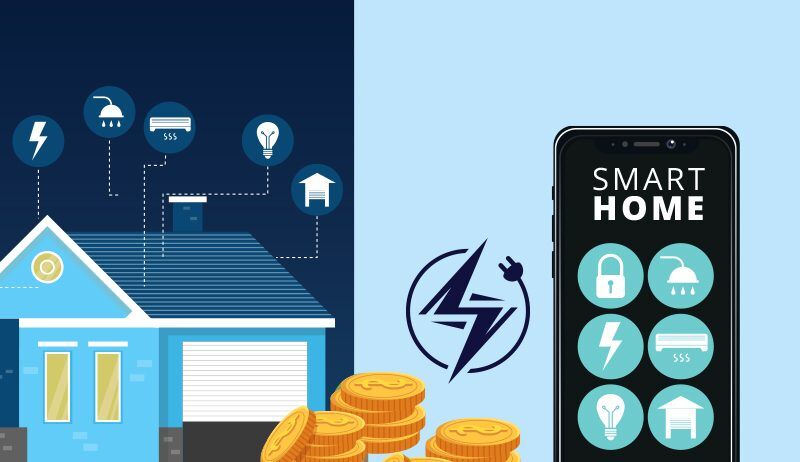
Now, synthesize how these pillars interconnect for total smart home energy optimization. AI power management leverages eco usage insights data for smarter predictions, while Matter smart grid integration feeds external signals (e.g., grid demand) into the AI loop. This creates a self-optimizing ecosystem, as referenced in trends discussed by Penbrief and supported by automation synergies from Meegle and Kelleher HVAC.
Imagine this in action: On a hot afternoon, the grid sends a peak pricing alert via Matter. Your AI system, informed by insights that your HVAC is the biggest consumer, pre-cools the home before the peak, then dims lights and pauses the dryer. You receive a notification detailing the energy saved and cost avoided. This seamless interaction is the future of home efficiency.

Getting Started: A 5-Step Checklist for Beginners
Ready to embark on your smart home energy optimization journey? Here’s a practical checklist tailored to informational intent:
- Audit Your Current Setup: Use an energy monitor app to baseline your consumption. Resources like Penbrief’s smart home journey guide can help.
- Install Core Devices: Start with a smart thermostat, smart plugs, and sensors. Check out best smart home devices for 2025 for recommendations.
- Enable AI Power Management Features: Activate learning modes on your smart thermostat and appliances to allow predictive adjustments.
- Explore Matter Smart Grid Integration: If your utility supports it, invest in a Matter-compatible hub to connect with grid programs.
- Review Eco Usage Insights Weekly: Make it a habit to check your energy dashboard, identifying waste patterns and celebrating savings.
This step-by-step approach ensures a smooth transition into optimized living.

Important Considerations
As you dive in, keep these factors in mind to ensure a successful implementation:
- Compatibility: Ensure devices support the Matter protocol for future-proof integration.
- Privacy: Opt for systems with robust data encryption standards to protect your information.
- Scalability: Start small with a few devices and expand gradually as you become comfortable with the technology.
These considerations help mitigate challenges and maximize the benefits of your smart home energy optimization system.
Frequently Asked Questions
What is the average cost savings from smart home energy optimization?
Studies and reports, such as those from Arrow Energy, indicate average savings of 20-30% on energy bills. This can vary based on home size, device adoption, and local utility rates.
How does AI power management differ from basic automation?
Basic automation follows pre-set schedules (e.g., turning lights off at 10 PM). AI power management, as explained in AI integration guides, uses machine learning to predict your needs based on patterns, making real-time adjustments for optimal efficiency without manual input.
Is Matter smart grid integration widely available?
The Matter protocol is relatively new, but adoption is growing. Check with your utility provider for supported programs. It’s designed for seamless interoperability, making it a future-proof choice for smart home energy optimization.
Are eco usage insights difficult to understand?
Not at all! Most systems present data through user-friendly dashboards with visual charts and plain-language alerts, as highlighted by Octopus Energy. They’re designed to empower, not overwhelm.
Can I retrofit an older home with smart home energy optimization?
Absolutely. Many devices, like smart plugs and thermostats, are easy to install without major renovations. Start with an audit using guides like Penbrief’s starter guide to identify priority areas.