
Your Guide to Smart Sleep Tech Devices
Estimated reading time: 9 minutes
Key Takeaways
- Smart sleep tech devices have evolved from basic trackers into comprehensive sleep ecosystems featuring sensors, AI, and optimization tools.
- Bedside biometric sensors use non-contact technologies like radar and thermal imaging to monitor sleep without wearables.
- AI sleep coaching transforms raw data into personalized insights and actionable recommendations for better rest.
- Rest optimization tools include smart alarms, environmental controls, and neurostimulation to actively improve sleep quality.
- Evaluating these devices requires checking sensor accuracy, app usability, AI coaching quality, and privacy practices.
- Maximizing benefits involves consistent use, proper setup, and engaging with personalized feedback.
Table of contents
- Your Guide to Smart Sleep Tech Devices
- Key Takeaways
- Opening Hook & Context
- Understanding the Core Technology: How Bedside Biometric Sensors Work
- From Raw Data to Intelligent Insights: The Role of AI Sleep Coaching
- Rest Optimization Tools: Turning Insights into Action
- Evaluating Smart Sleep Tech Devices: A Practical Framework
- Maximizing Your Investment: Best Practices for Device Use
- The Future of Sleep Technology and Final Thought
- Frequently Asked Questions
Opening Hook & Context
Millions of people struggle with poor sleep quality every night, despite trying everything from bedtime routines to supplements. But what if technology could offer a precise, data-driven solution? Enter smart sleep tech devices—the paradigm shift that’s transforming rest from guesswork into a science.

These innovations have evolved far beyond basic fitness trackers. Today, they form comprehensive sleep ecosystems that combine advanced bedside biometric sensors, AI analysis, and actionable rest optimization tools. Showcased prominently at CES 2026, this cutting-edge technology is designed to help you understand and improve your sleep like never before.
This guide will break down how these devices work, what makes them effective, and how to choose the right one for your unique needs. Get ready to unlock the secrets to smarter sleep.
Understanding the Core Technology: How Bedside Biometric Sensors Work
At the heart of modern sleep tech are bedside biometric sensors. These devices track your sleep without requiring wearables or physical contact, using non-invasive technologies:
- Millimeter-wave radar: Detects subtle movements and vital signs like breathing and heart rate through mattresses and bed frames.
- Thermal imaging: Monitors body temperature patterns and environmental warmth to assess sleep stages and disturbances.
- Acoustic sensing: Picks up breathing patterns, snoring, and other sounds that might disrupt rest.
- Movement detection: Tracks position changes and restlessness throughout the night.
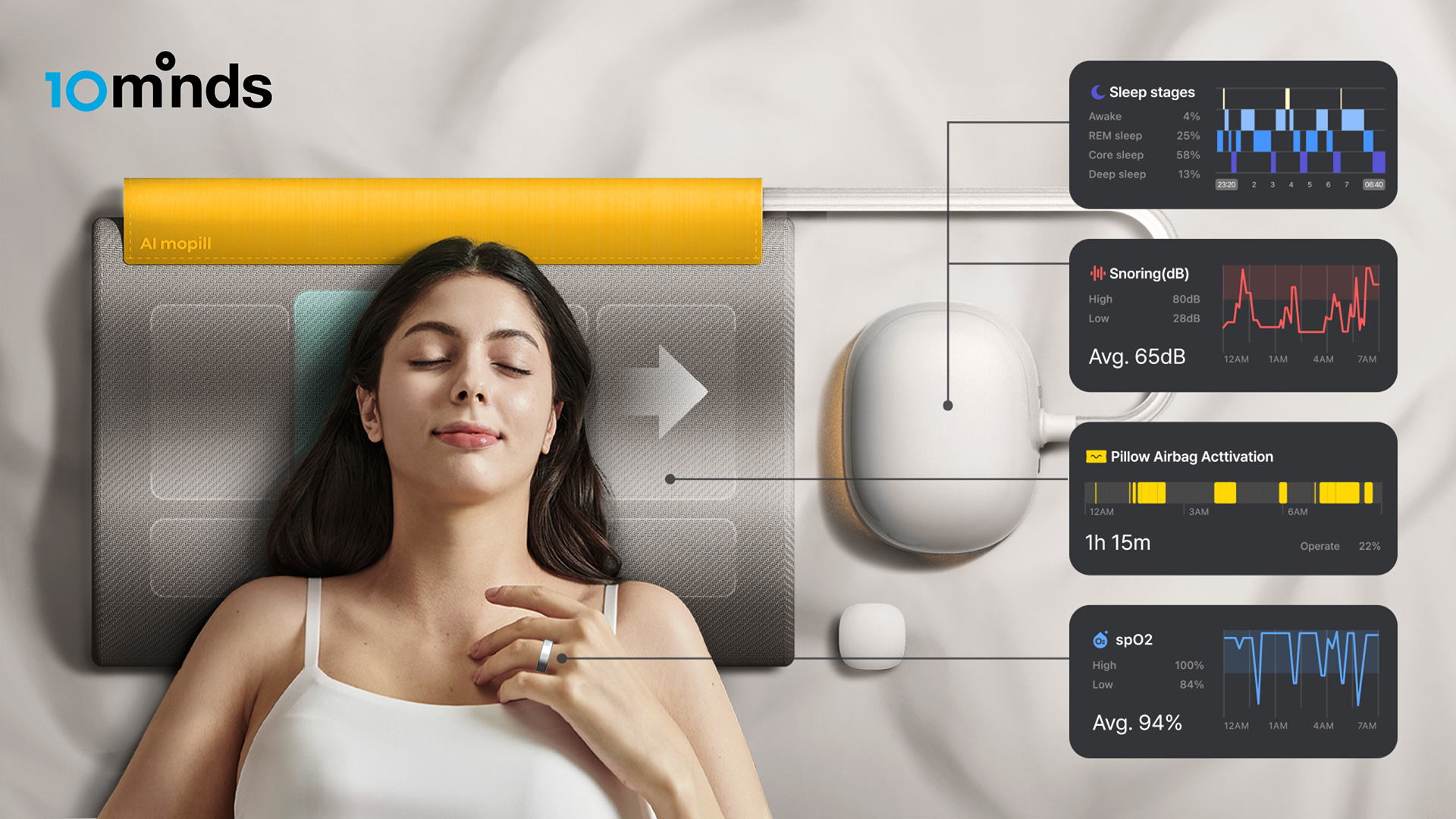
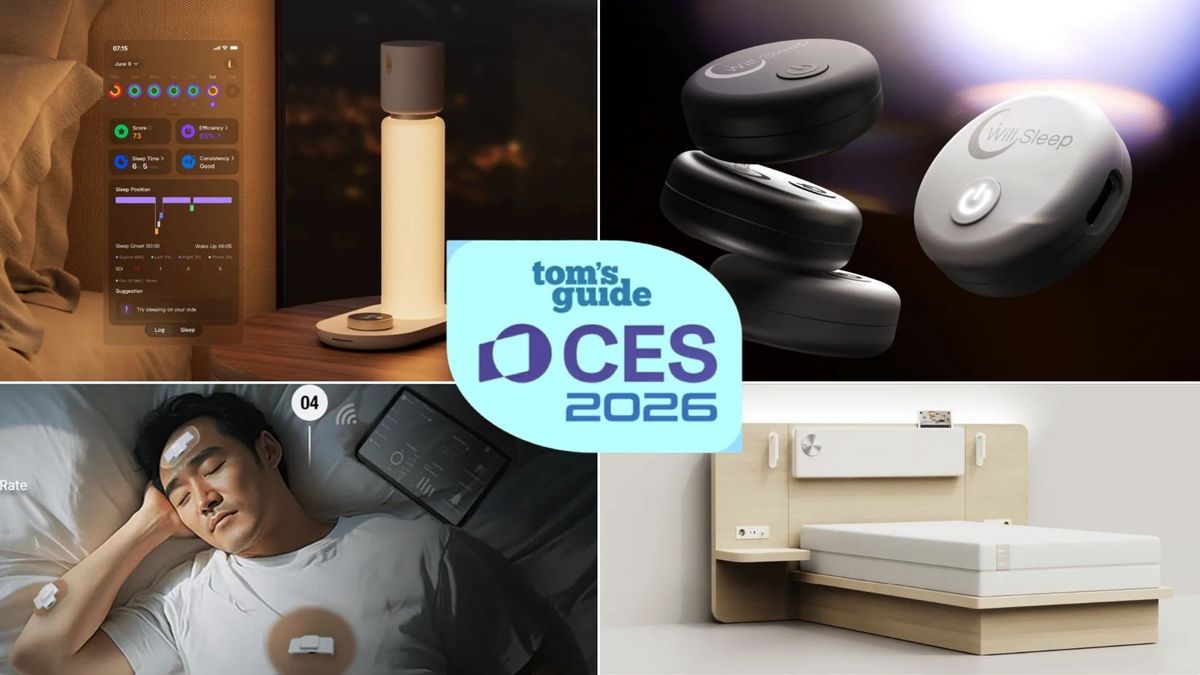
Concrete examples bring this to life. The Sleepal AI Lamp uses radar and environmental sensors to track multiple people in one room without interference. The Withings Sleep Analyzer sits under your mattress, passively monitoring metrics, while Eight Sleep combines under-mattress sensors with thermal control for a personalized sleep surface.
Contrast this with wearable alternatives like the Oura Ring 4 or Tedream patches, which require skin contact for EEG, ECG, and SpO2 data. Bedside units offer a less intrusive option, perfect for those who find wearables uncomfortable.

Collectively, these sensors track a wealth of data: heart rate, breathing rate, room temperature, sound levels, sleep position, and sleep cycle disruptions. This raw data is the foundation for intelligent insights.
As these bedside biometric sensors become a core part of a modern connected home, understanding how they fit into the broader ecosystem is key. For a comprehensive look at the top connected devices available, check out our guide on the Best Smart Home Devices: Your Ultimate Guide for 2025.
From Raw Data to Intelligent Insights: The Role of AI Sleep Coaching
Raw sensor data is just numbers—until AI sleep coaching steps in. This software brain uses machine learning algorithms to interpret biometric data and deliver personalized guidance. Here’s what AI accomplishes:
- Detects and classifies sleep stages (light, deep, REM) from movement and vital sign patterns.
- Identifies sleep disturbances like awakenings, breathing interruptions, and environmental disruptions.
- Generates sleep scores—quantified metrics that rate your sleep quality on a scale.
- Recognizes personal sleep patterns such as consistency, optimal sleep windows, and recovery trends.

The “coaching” component delivers feedback via app, offering habit recommendations (e.g., “go to bed 15 minutes earlier”) and actionable insights. For example, the Sleepal AI Lamp generates individual sleep reports with stage breakdowns, while the Oura Ring 4 provides detailed metrics on recovery score and heart rate variability.
One standout is WillSleep, which pairs neurostimulation with AI personalization for insomnia relief. Clinical data shows an 82% improvement in sleep quality for users. This marks a shift from generic sleep advice to data-driven, individualized guidance.

The intelligence behind these sleep coaches is part of a larger trend of AI integration in everyday devices. To understand how AI is transforming our living spaces, read about The Rise of Unstoppable AI-Powered Smart Homes: Revolutionary Trends Shaping the Future. Furthermore, the core technology powering these insights stems from broader advancements; explore the key developments in our article on AI in Smart Home Devices – The Integration of AI in Everyday Devices.
Rest Optimization Tools: Turning Insights into Action
Rest optimization tools are the practical features that translate AI insights into measurable sleep improvements. They move you beyond passive tracking into active optimization. Key categories include:
- Smart alarms: Wake you during optimal sleep stages to minimize grogginess. Eight Sleep uses targeted vibrations, while the Bía Smart Sleep Mask employs sunrise simulation for natural wakefulness.
- Environmental controls: Automatically adjust bedroom conditions. Eight Sleep’s thermal layer cools or warms the mattress before bed, and Ceragem smart mattresses integrate aroma diffusion and massage.
- Guided routines and wind-down programs: Structured sequences to prepare for sleep. The Sleepal Lamp offers meditation, and Muse S headbands provide guided breathing sessions.
- Neurostimulation programs: Targeted brain stimulation for relaxation. Xen by Neuvana uses 15-minute vagus nerve stimulation sessions synced to an app, shown to reduce stress and improve sleep quality.

These tools integrate real-time sensor data with AI coaching to dynamically adjust throughout the night. For instance, if sensors detect elevated heart rate, the system might trigger a cooling sequence or a relaxation exercise.
Devices like the Oura Ring represent a category of wearable health gadgets designed for holistic well-being. Discover more innovations in our feature on Revolutionize Your Well-being: 5 Game-Changing Wearable Health Gadgets for an Extraordinary Lifestyle in 2024.
Evaluating Smart Sleep Tech Devices: A Practical Framework
With so many options, how do you choose? Use this structured checklist to evaluate smart sleep tech devices:
- Sensor accuracy and technology: Assess if devices use medical-grade sensors (e.g., Tedream’s EEG/ECG) vs. consumer-grade radar.
- App usability and real-time reporting: Look for clear, actionable insights and real-time data—Oura and Bía excel here.
- Quality and depth of AI sleep coaching: Evaluate if recommendations are generic or truly individualized, as seen with WillSleep and Eight Sleep.
- Range and sophistication of rest optimization tools: Consider which features matter most—cooling, alarms, neurofeedback, or meditation.
- Privacy and data security: Review app privacy policies and data handling practices.
- Ecosystem compatibility: Check integration with smart home systems like Apple HomeKit, supported by the Sleepal Lamp.

Device categories each have strengths:
- Bedside/Under-Mattress Units (e.g., Sleepal AI Lamp, Withings Sleep Analyzer): Contact-free operation and multi-user tracking, but may have placement limitations.
- Wearable Patches and Rings (e.g., Tedream, Oura Ring 4): Detailed biometric data like HRV, though comfort and battery life can be concerns.
- Headbands and Neurostimulation Devices (e.g., Bía Mask, Xen by Neuvana): Direct brain tracking and active stimulation, but require session commitments.
- Smart Mattresses (e.g., Ceragem, Eight Sleep): Full-bed therapeutic options, but come with high costs and size constraints.
The wearable sleep tech category is a fascinating subset of the broader wearable technology revolution. Learn about the Latest Innovations in Wearable Tech From Fitness Trackers to Smartwatches to see how sleep tracking fits into the larger picture.
Maximizing Your Investment: Best Practices for Device Use
To get the most from your device, follow these best practices:
Sensor placement and setup:
- Position bedside biometric sensors centrally under the mattress or on the nightstand for optimal signal.
- Avoid obstructions like pillows that block sensor range.
- For radar-based systems like the Sleepal Lamp, ensure a clear line of sight.
- Calibrate settings to your body metrics for improved accuracy.
Engaging with AI sleep coaching:
- Review app insights daily, even briefly, to build awareness of sleep patterns.
- Prioritize recommendations addressing your specific challenges, such as late-night awakenings.
- Commit to personalized programs; WillSleep suggests 15-30 minute daily sessions for improvement.
- Track which recommendations yield the best results.
Strategic implementation of rest optimization tools:
- Activate environmental controls 30 minutes before bedtime, like starting mattress cooling with Eight Sleep.
- Use smart alarms consistently for at least 2 weeks to adapt to optimal-stage waking.
- Integrate guided routines into nightly wind-down, such as meditation with Sleepal or breathing exercises with Muse S.
- Layer neurofeedback tools; pair neurostimulation (Xen) with environmental optimization for compounded effects. Research shows a 180-day commitment to Muse S yields measurable cognitive and sleep gains.
- Adjust settings seasonally as sleep needs change.
Consistency is key—benefits compound over weeks and months.
The Future of Sleep Technology and Final Thought
The core value proposition of smart sleep tech devices is clear: they unify bedside biometric sensors for data collection, AI sleep coaching for analysis, and rest optimization tools for action. This creates a holistic sleep optimization ecosystem.

The 2026 innovation landscape, showcased at CES, points to exciting trends: advanced neurostimulation devices, multi-sensor radar lamps, and smart mattresses backed by tech leaders. Industry shifts include:
- Integration of EEG and multiple biometric sensors for deeper sleep stage classification.
- AI personalization becoming more sophisticated, focusing on recovery optimization.
- Broader smart home ecosystem integration for seamless environmental control.
- Expansion of clinical-grade validation for neurostimulation and coaching efficacy.
You’re moving from guesswork to precision, data-driven sleep improvement tailored to your biology. Assess your sleep challenges, consider which device categories align with your priorities—contact-free tracking, detailed metrics, environmental control, or brain-based intervention—and begin your optimization journey with a commitment to consistent engagement.
Frequently Asked Questions
What are smart sleep tech devices?
Smart sleep tech devices are advanced tools that combine sensors, AI, and optimization features to monitor and improve sleep quality. They go beyond basic tracking to offer personalized insights and automated adjustments for better rest.
How do bedside biometric sensors work without contact?
They use technologies like millimeter-wave radar to detect movement and vital signs through materials, thermal imaging to monitor temperature, and acoustic sensing to pick up sounds. This allows them to track sleep without requiring wearables.
AI sleep coaching refers to software that analyzes sleep data from sensors using machine learning algorithms. It provides personalized feedback, sleep scores, and recommendations to help you improve your sleep habits and quality.
Are these devices accurate compared to medical sleep studies?
While not a replacement for clinical polysomnography, many devices use medical-grade sensors and are validated for consumer use. Accuracy varies by device—look for those with EEG/ECG capabilities for higher precision.
How can I ensure my privacy with sleep tracking devices?
Review the app’s privacy policy before purchase. Choose devices from reputable brands that offer data encryption, allow local data storage, and provide clear options for data sharing controls.
Which type of sleep tech device is best for couples?
Bedside units like the Sleepal AI Lamp or under-mattress sensors such as Withings Sleep Analyzer are ideal, as they can track multiple sleepers independently without interference, offering individual reports for each person.