

Solar Portable Chargers Innovation: Powering Your Life Beyond the Grid
Estimated reading time: 8 minutes
Key Takeaways
- The portable solar charger market is exploding, projected to grow from USD 964.83M in 2025 to USD 1,860M by 2031.
- Modern innovation is driven by lifestyle demands like outdoor recreation and a desire for energy independence, not just survivalism.
- Today’s solar portable chargers innovation focuses on power density, charging speeds rivaling wall outlets, smart power management, and unprecedented durability.
- You can now choose from panel-only, integrated, or modular systems to perfectly match your power needs and adventures.
- Solar charging is transitioning from a niche, “just-in-case” gadget to an essential piece of mainstream consumer electronics.
Table of contents
- Solar Portable Chargers Innovation: Powering Your Life Beyond the Grid
- Key Takeaways
- A Market Poised for Explosive Growth
- What Modern Solar Portable Charger Innovation Actually Means
- The Four Pillars of Modern Solar Charger Innovation
- Choosing Your Solar Power Architecture
- The Rise of the Smart Solar Generator
- Practical Considerations for Buyers
- Frequently Asked Questions
Remember the clunky, heavy solar panels of yesteryear? The ones that promised freedom but delivered frustration with their sluggish trickle of power? Forget them. We’re in a new era. The portable solar charger market is undergoing a radical transformation, fueled not by doomsday preppers, but by a global shift in how we live, work, and play. Valued at a staggering USD 964.83 million in 2025, this market is projected to surge to USD 1,860 million by 2031, growing at a compound annual growth rate of 11.6% (source).
What’s driving this meteoric rise? It’s the perfect storm of a post-pandemic world hungry for outdoor adventure—hiking, overlanding, van-life, digital nomadism—coupled with a genuine consumer desire for energy independence and tangible eco charging solutions (source). This isn’t about preparing for the apocalypse; it’s about enhancing the modern lifestyle. At the heart of this revolution is solar portable chargers innovation, transforming these devices from preparedness novelties into seamless, powerful, and indispensable extensions of our daily tech.

What Modern Solar Portable Charger Innovation Actually Means
Let’s get technical. Today’s solar portable chargers are precisely engineered consumer electronics. They are designed to deliver a practical 5 to 60 watts of USB or DC output, capable of directly charging everything from your smartphone to your laptop (source). The innovation lies in making this power accessible, reliable, and fast.
Gone are the days of a one-size-fits-all brick. The market has elegantly segmented into three primary architectural approaches to meet diverse needs:
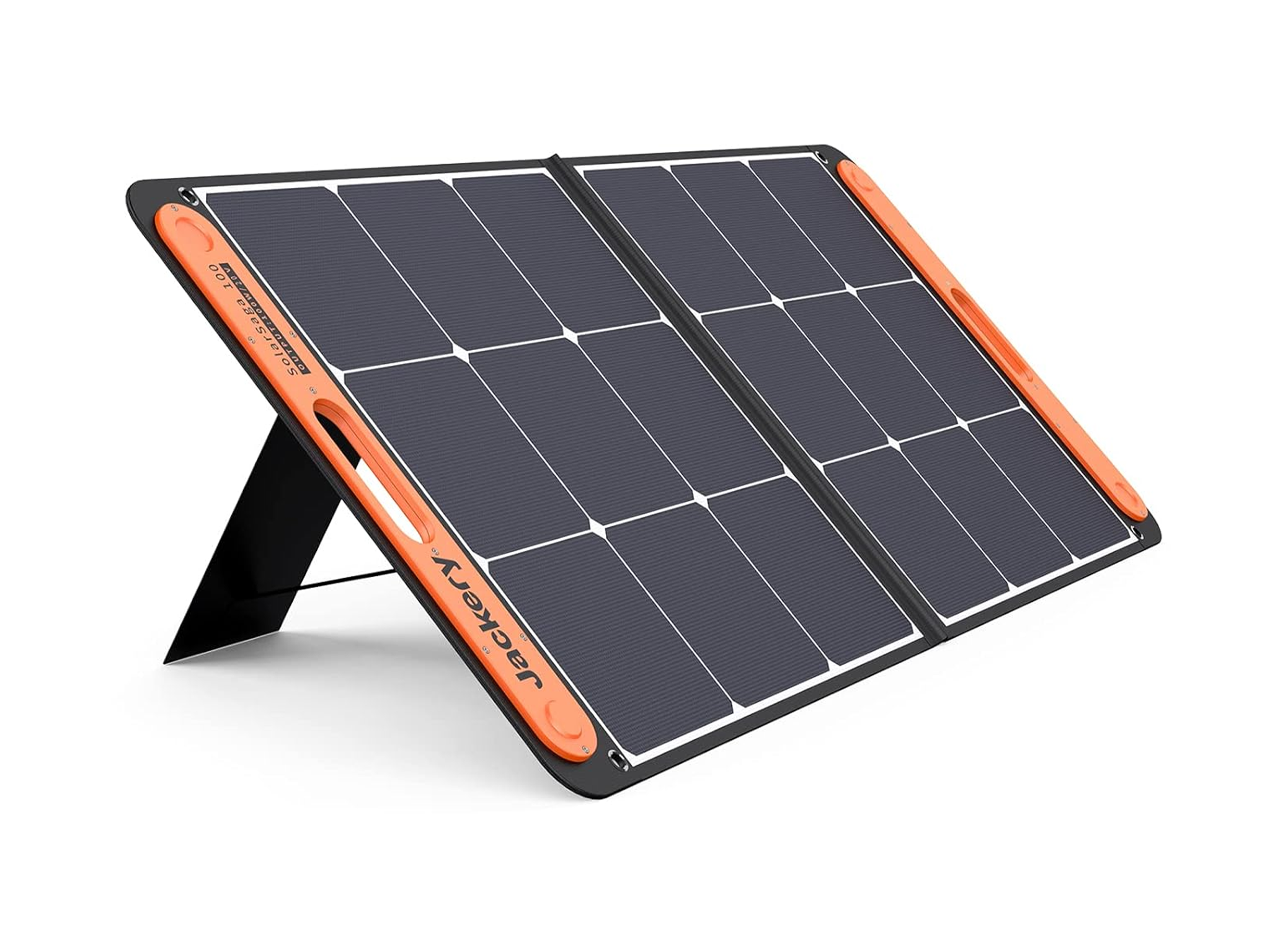
- Panel-Only Foldable Arrays: These are standalone solar panels without an integrated battery. They are your direct sunlight-to-device conduit, perfect for continuous charging during daytime activities. Think of them as a personal, portable power plant.
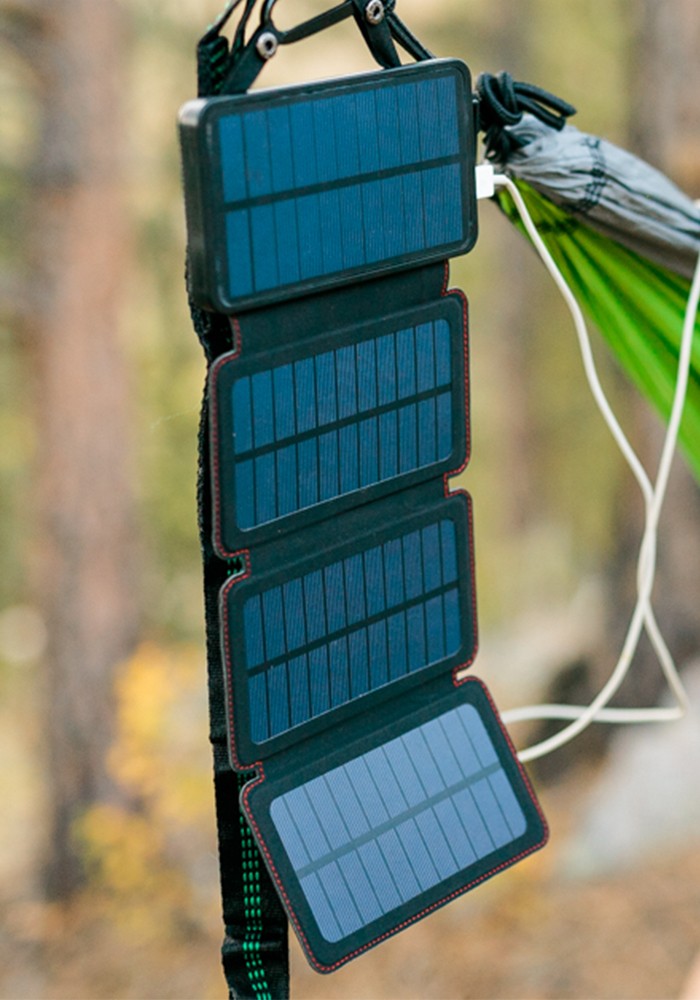
- Integrated Panel-Battery Hybrids: The all-in-one workhorse. These units combine a solar panel with a built-in power bank (typically 5,000 to 20,000 mAh). They soak up the sun to fill the internal battery, which you then use to charge your devices anytime, day or night. It’s simplicity and convenience in one package.
- Modular Panel-Plus-Detached-Power-Bank Configurations: The ultimate in flexibility. This system features a separate, high-efficiency solar panel and a detachable, high-capacity power bank. You can use the panel to charge the bank, charge the bank from a wall outlet, or even use the bank independently. It’s the choice for serious power users who need maximum versatility (source).
The Four Pillars of Modern Solar Charger Innovation
The leap from novelty to necessity is built on four critical vectors of innovation. These are the engineering breakthroughs solving the historic pain points of solar tech.
1. Power Density and Portability
The old trade-off was simple: more power meant more bulk. Not anymore. A leading edge of solar portable chargers innovation is achieving remarkable power output in incredibly slim, lightweight form factors. We’re now seeing ultra-thin, foldable panels with a profile of just 3-6 mm that can deliver a robust 40 to 60 watts of output, all while weighing less than 1 kilogram (source).
This means you can now pack a panel capable of charging a laptop into a backpack’s hydration sleeve or the side pocket of a duffel bag. The innovation here is in advanced photovoltaic cell materials and efficient, space-saving folding designs that finally reconcile high wattage with pocket-sized portability.
2. Charging Speed Parity with Wall Adapters
This is the innovation that shatters the biggest myth: that solar charging is inherently slow. The latest premium models have obliterated this notion. They now feature USB-C Power Delivery (PD) technology supporting 18W, 45W, 65W, and even 100W outputs.
In practical terms, this means your solar panel can now charge a modern laptop at the same speed as its included wall charger. It can rapidly refuel a tablet while simultaneously topping up a phone. This multi-device, high-speed capability, once the exclusive domain of premium wall adapters, is now standard in top-tier renewable power tech gadgets (source). The “hurry up and wait” era of solar charging is officially over.
3. Intelligent Power Management and Connectivity
Modern solar chargers are smart. They are no longer dumb panels converting sunlight to electricity. The innovation here is in the embedded brain. Advanced Maximum Power Point Tracking (MPPT) circuits dynamically adjust the panel’s electrical operating point to extract the absolute maximum power available from the sunlight, whether it’s bright noon or a partly cloudy afternoon. This can boost efficiency by 30% or more compared to older technologies.
Furthermore, integration with Bluetooth and dedicated smartphone apps allows users to monitor real-time power input (in watts), track historical energy generation, check battery levels on hybrid units, and even receive firmware updates. This connectivity turns a simple charger into a manageable energy system, providing valuable data and control at your fingertips.
4. Uncompromising Durability and Weather Resistance
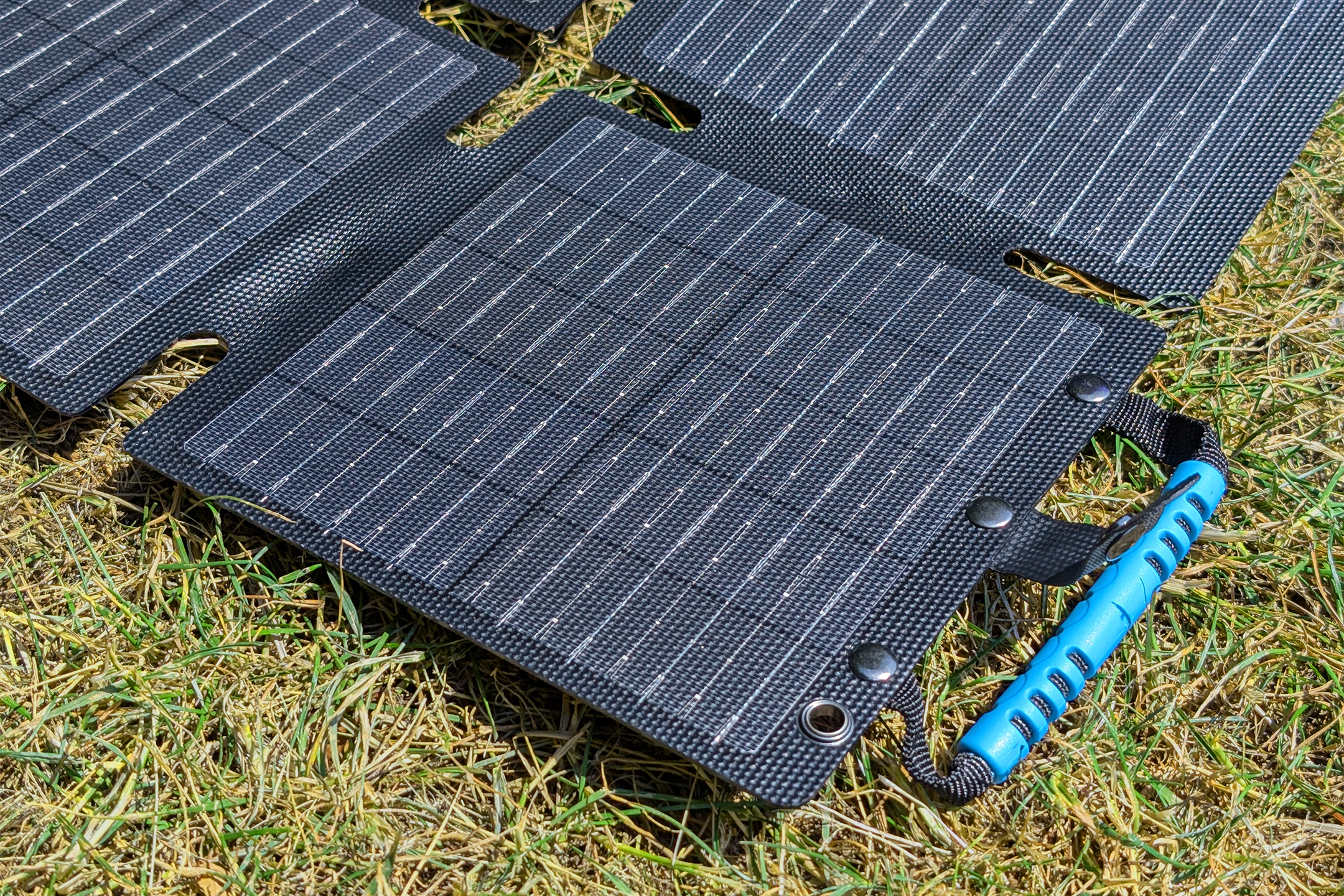
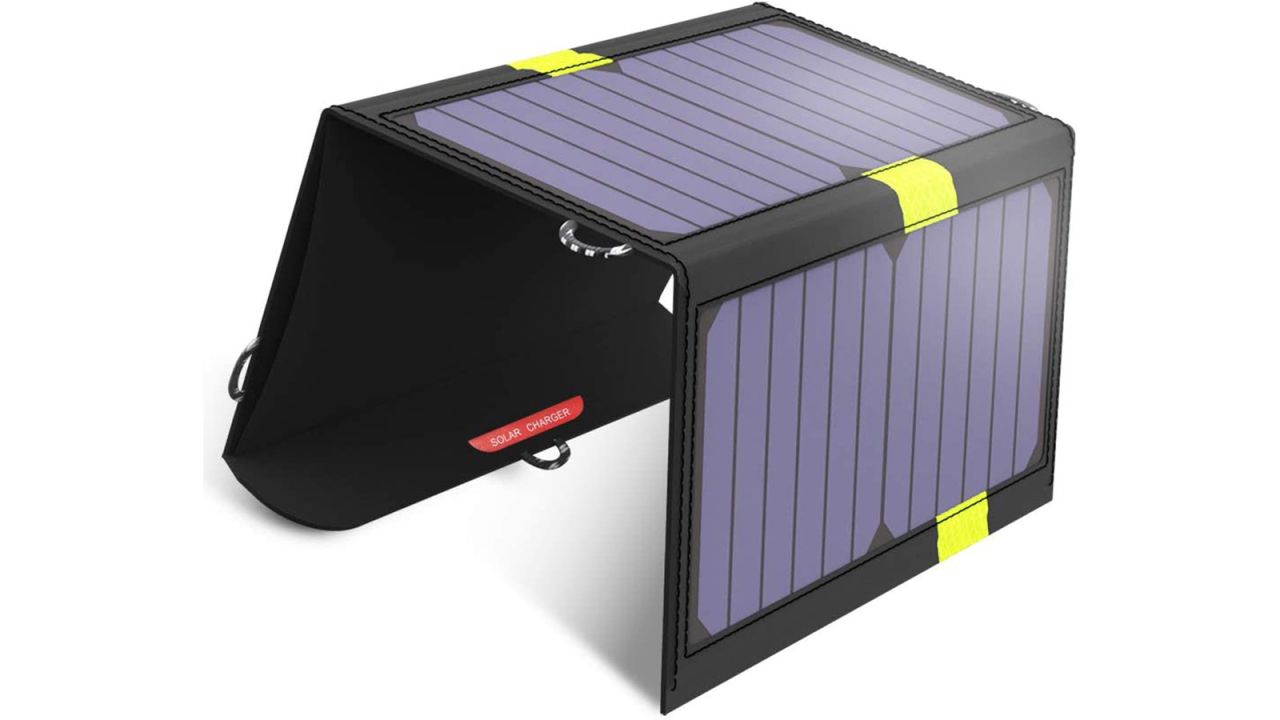
If it’s going to live in your backpack or on the roof of your van, it has to be tough. Innovation in materials science has led to panels encapsulated in ETFE or PET polymer laminates instead of fragile glass. These materials are highly scratch-resistant, incredibly lightweight, and flexible. The backing is often a rugged, tear-resistant fabric like polyester or nylon.
The result? Solar panels that can withstand hailstorms, be walked on (within reason), and are fully waterproof with an IP65 or IP67 rating. This ruggedization means your investment is protected against the elements, making the technology truly viable for harsh outdoor environments. Grommets and reinforced attachment points are now standard, allowing for secure mounting on tents, backpacks, or vehicles in high winds.

The Rise of the Smart Solar Generator
While portable panels are a huge market, innovation is also skyrocketing at the next level up: the portable power station paired with solar panels, often called a “solar generator.” This is where solar portable chargers innovation meets home backup power in a portable form.
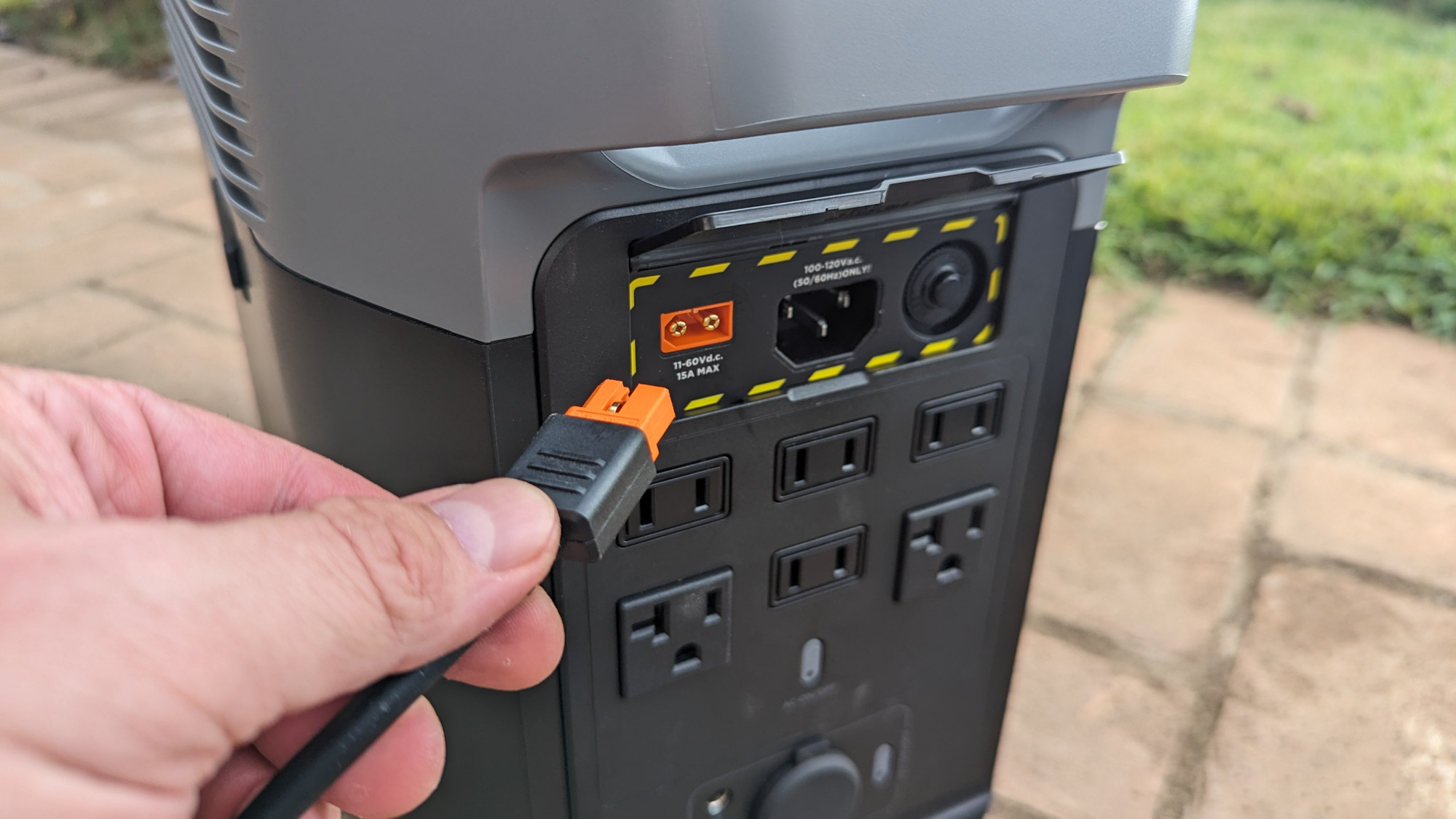
The latest power stations feature pure sine wave inverters (safe for sensitive electronics), massive lithium iron phosphate (LiFePO4) batteries boasting 3,000+ life cycles, and a plethora of outputs (AC, DC, USB-C PD). When paired with one or more high-wattage folding solar panels, these systems can power mini-fridges, CPAP machines, power tools, and small appliances for days.
The innovation here is in system integration and scalability. You can start with a 300-watt power station and a 100-watt panel, and later daisy-chain additional panels or batteries. This modular, ecosystem approach is empowering van-lifers, campers, and homeowners seeking backup power with a clean, quiet, and scalable alternative to gas generators.

Practical Considerations for Buyers
With all this innovation, how do you choose? Follow this simple framework:
- Assess Your Power Needs: Make a list of the devices you need to charge and their battery capacities (in watt-hours, Wh, or mAh). A smartphone might need 10-15Wh, a laptop 60-100Wh. Your solar system’s output and battery capacity must meet this daily demand.
- Match the Architecture to Your Activity: A weekend hiker might thrive with a 10,000mAh integrated hybrid. A digital nomad working from a beach will likely need a 60W+ panel-only array to directly charge a laptop during the day. A family camping for a week should consider a modular system or a solar generator setup.
- Prioritize Key Specs: Look for high wattage output (for speed), USB-C Power Delivery (for modern devices), a high-efficiency rating for the solar cells (22%+ is excellent), and rugged, waterproof construction. Don’t just compare mAh; compare actual watt-hour (Wh) capacity for a true measure of energy stored.
- Understand the Reality of Solar Input: A “100W panel” produces 100 watts under ideal lab conditions (full, direct sun at noon). Real-world output is often 60-80% of that. Plan for this buffer. Angle the panel directly toward the sun and keep it clean for best results.
Frequently Asked Questions
Can a solar charger really charge my laptop as fast as the wall plug?
Yes, if you choose the right model. Modern solar panels with USB-C Power Delivery (PD) supporting 45W, 65W, or 100W output can charge compatible laptops at their full native charging speed. Always check your laptop’s required wattage (found on its original charger) and ensure the solar panel’s PD output meets or exceeds it.
What’s the difference between an integrated solar power bank and a modular system?
An integrated unit combines the solar panel and battery into one sealed device—convenient and simple. A modular system separates the two: you have a dedicated solar panel and a separate power bank. This is more flexible (you can charge the bank from a wall or car, use the bank alone, or upgrade components independently) but involves managing two pieces of gear.
How long does it take to charge a solar power bank with the sun?
Charge time varies drastically. It depends on the battery’s capacity (e.g., 20,000mAh), the panel’s wattage (e.g., 20W), and sunlight conditions. As a rough estimate: A 20W panel in good sun might deliver ~15W of real power. To charge a 20,000mAh (74Wh) bank from empty could take approximately 5 hours (74Wh / 15W ≈ 5 hours). Larger banks require larger panels or more time.
Are these solar chargers durable enough for serious backpacking or harsh weather?
Absolutely. This is a key area of innovation. Look for panels with an IP65 or higher waterproof rating, ETFE laminated solar cells (not glass), and a rugged, tear-resistant fabric backing. Many are designed to withstand rain, dust, and even being dropped. Always check the manufacturer’s durability specifications for your intended use case.
Is it worth getting a solar charger if I’m mostly in urban areas?
Increasingly, yes. Beyond emergency preparedness for blackouts, a compact, high-wattage panel can be a fantastic tool for anyone. Use it on a sunny balcony, in a park, or by a window to offset grid power use for your devices, reduce your carbon footprint, and enjoy the psychological benefit of generating your own clean energy, even in the city.