
AI Mission Control: The Core of Next-Generation Space Technology
Estimated reading time: 12 minutes
Key Takeaways
- Space tech AI mission control is an integrated system that manages, analyzes, and makes real-time decisions for spacecraft, satellites, and deep-space missions, representing a present-day reality.
- The shift from human-centric to AI-driven operations overcomes limitations like communication delays and manual data processing, enabling faster decision-making and reduced Earth dependency.
- Autonomous spacecraft systems provide self-management through health monitoring, diagnostics, and fault protection, powered by machine learning for anomaly detection and predictive maintenance.
- Deep space AI navigation allows spacecraft to make autonomous trajectory corrections and hazard avoidance decisions in real-time, critical for missions where Earth-based control is impractical.
- Satellite automation revolutionizes operations in Earth orbit by managing collision avoidance, payload scheduling, and fuel efficiency for large constellations, scaling beyond human capacity.
- All these elements converge into a cohesive space tech AI mission control ecosystem, enhancing mission resilience, reducing costs, and enabling complex space exploration.
Table of contents
- AI Mission Control: The Core of Next-Generation Space Technology
- Key Takeaways
- Opening Hook: From Human Hands to AI Brains
- The Shift: From Human-Centric to AI-Driven Operations
- The Brain of the Vessel: Understanding Autonomous Spacecraft Systems
- Navigating the Void: The Role of Deep Space AI Navigation
- The Automated Constellation: Revolutionizing Operations with Satellite Automation
- Integration: How All Elements Converge in AI Mission Control
- The Present Reality and Future Trajectory
- Frequently Asked Questions

Opening Hook: From Human Hands to AI Brains
Imagine a mission control center from the Apollo era: rows of engineers hunched over consoles, monitoring data streams with intense focus, every decision flowing through human hands. Now, fast-forward to today—where space tech AI mission control systems silently orchestrate complex operations across the solar system, making real-time decisions at the speed of light. This isn’t science fiction; it’s the transformative power of AI integrated into space technology, enabling faster decision-making, reduced Earth dependency, and the ability to handle vast data volumes. As AI is changing the world across industries, its role in space exploration is becoming the cornerstone of next-generation missions.

Space tech AI mission control refers to integrated AI systems that manage, analyze, and make real-time decisions for spacecraft, satellites, and deep-space missions. This technology is already here, powering missions from NASA to private companies, and it’s reshaping how we explore the final frontier.
The Shift: From Human-Centric to AI-Driven Operations
Traditional mission control relies on human operators who face fundamental limitations:
- Human reaction times are too slow for split-second decisions in space.
- Communication delays can range from minutes to hours, making real-time control impossible for distant missions.
- Manual data processing struggles with the immense volumes of information generated by modern spacecraft.
AI systems overcome these challenges by processing data in real-time and making autonomous decisions. For example, Mission Control’s SpacefarerAI™ demonstrates current implementations for onboard processing, as seen in Spire Global’s advancements. This is a prime example of the game-changing AI-powered space tech that is actively transforming exploration.

Importantly, AI-driven space operations do not replace humans but augment human decision-making. Platforms from Spire Global, NASA, and ESA are already utilizing these systems to enhance speed and accuracy in active missions, marking a paradigm shift in how we manage space assets.
The Brain of the Vessel: Understanding Autonomous Spacecraft Systems
At the heart of AI mission control are autonomous spacecraft systems—AI-driven platforms capable of complete self-management without constant Earth input. These systems perform three core functions:
- Health monitoring: Continuous real-time assessment of all onboard systems and subsystems.
- Diagnostics: Automated identification of anomalies, performance issues, and potential failures before they become critical.
- Fault protection: Automated response mechanisms that isolate damaged systems and implement workarounds without waiting for Earth commands.
These functions are powered by machine learning technologies:
- Real-time anomaly detection identifies unusual patterns in sensor data.
- Predictive maintenance uses historical data to forecast component failures.
- Subsystem optimization automatically adjusts operations for maximum efficiency.
Autonomous systems feed data continuously into the overarching space tech AI mission control framework, which coordinates activities across mission objectives. This autonomy is critical for deep-space missions where communication delays make Earth-based control impractical. Booz Allen’s research highlights AI’s role in enhancing mission resilience through automated command-and-control, as detailed in their analysis on AI for space missions.
Navigating the Void: The Role of Deep Space AI Navigation
The fundamental challenge of deep space exploration is communication delays—ranging from 20 minutes to Mars up to 3 hours for outer solar system objects. This makes Earth-based real-time control impossible. Enter deep space AI navigation: AI systems that process onboard sensor data to make autonomous trajectory corrections and hazard avoidance decisions in real-time.
These systems rely on various sensors:
- Star trackers for precise orientation and position determination.
- Inertial measurement units (accelerometers and gyroscopes) for motion tracking.
- Terrain recognition cameras for landing or surface navigation.
- Distance/proximity sensors for obstacle detection.
AI processes this data to:
- Calculate optimal trajectory adjustments minimizing fuel consumption.
- Control spacecraft attitude (orientation in space).
- Make autonomous hazard avoidance decisions.
- Predict and navigate around space debris, asteroids, or other obstacles.
NASA’s Deep Space Network employs AI for trajectory optimization and attitude control, minimizing fuel use on missions to asteroids and distant planets, as noted in analyses on AI space exploration. Mars rovers, for instance, use AI for terrain navigation and real-time obstacle avoidance where communication delays prevent manual remote control.
This breakthrough allows independent operations of spacecraft far from Earth, forming the technological foundation for humanity’s deep-space exploration ambitions.
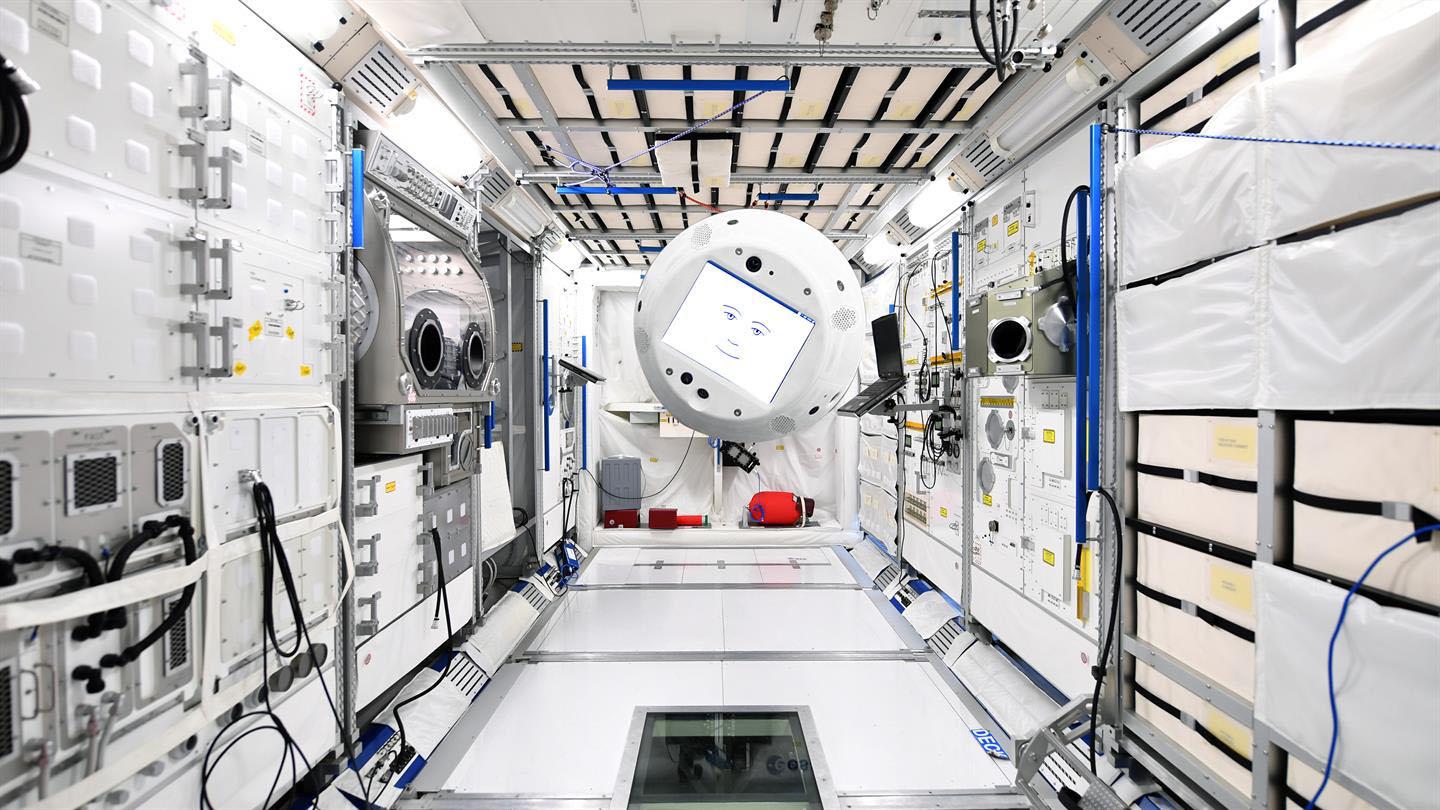
The Automated Constellation: Revolutionizing Operations with Satellite Automation
In Earth orbit and near-space, satellite constellations—networks of dozens to thousands of satellites—are becoming commonplace. Satellite automation refers to AI systems managing orbital satellite operations, including:
- Collision avoidance: Autonomous maneuvers to prevent impact with space debris or other satellites.
- Payload scheduling: Intelligent optimization of imaging, data collection, or communication tasks based on orbital position and ground conditions.
- Fuel efficiency: Optimization of thruster usage and orbital adjustments to extend mission lifespan.
- Health monitoring: Continuous assessment for anomalies and predictive failure prevention.
A concrete example is Spire Global’s Persistence Mission, which demonstrates onboard AI (SpacefarerAI™) on a 6U satellite for Earth imaging analysis, bandwidth preservation, and rapid insight delivery, as detailed in their press release.
The European Space Agency uses AI to control large constellations, optimize data collection (e.g., scheduling imaging during clear weather), and manage communications across multiple satellites, scaling operations beyond human capacity, as described in ESA’s overview on AI in space.
Automation is essential because managing hundreds or thousands of satellites with human operators is economically and logistically impossible. AI enables autonomous coordination, which ties back to space tech AI mission control as the overarching system directing these automated constellations toward mission objectives.

Integration: How All Elements Converge in AI Mission Control
Autonomous spacecraft systems, deep space AI navigation, and satellite automation work as integrated components within the broader space tech AI mission control ecosystem. This convergence represents one of the most significant of the 10 cutting edge AI technologies shaping our future.
The hierarchical relationship is clear: individual spacecraft and satellites operate autonomously, while mission control AI systems coordinate their activities toward larger mission goals. Concrete benefits include:
- Enhanced mission resilience: If one satellite or spacecraft fails, others compensate automatically; the overall constellation or mission continues.
- Reduced operational costs: AI automation reduces the need for large ground control teams; fewer human operators are required for larger missions.
- Ability to manage complex missions: Lunar operations, Mars expeditions, or multi-target asteroid missions become feasible with AI coordination.
- Scaling to larger constellations: Managing thousands of satellites simultaneously becomes possible only through AI automation.
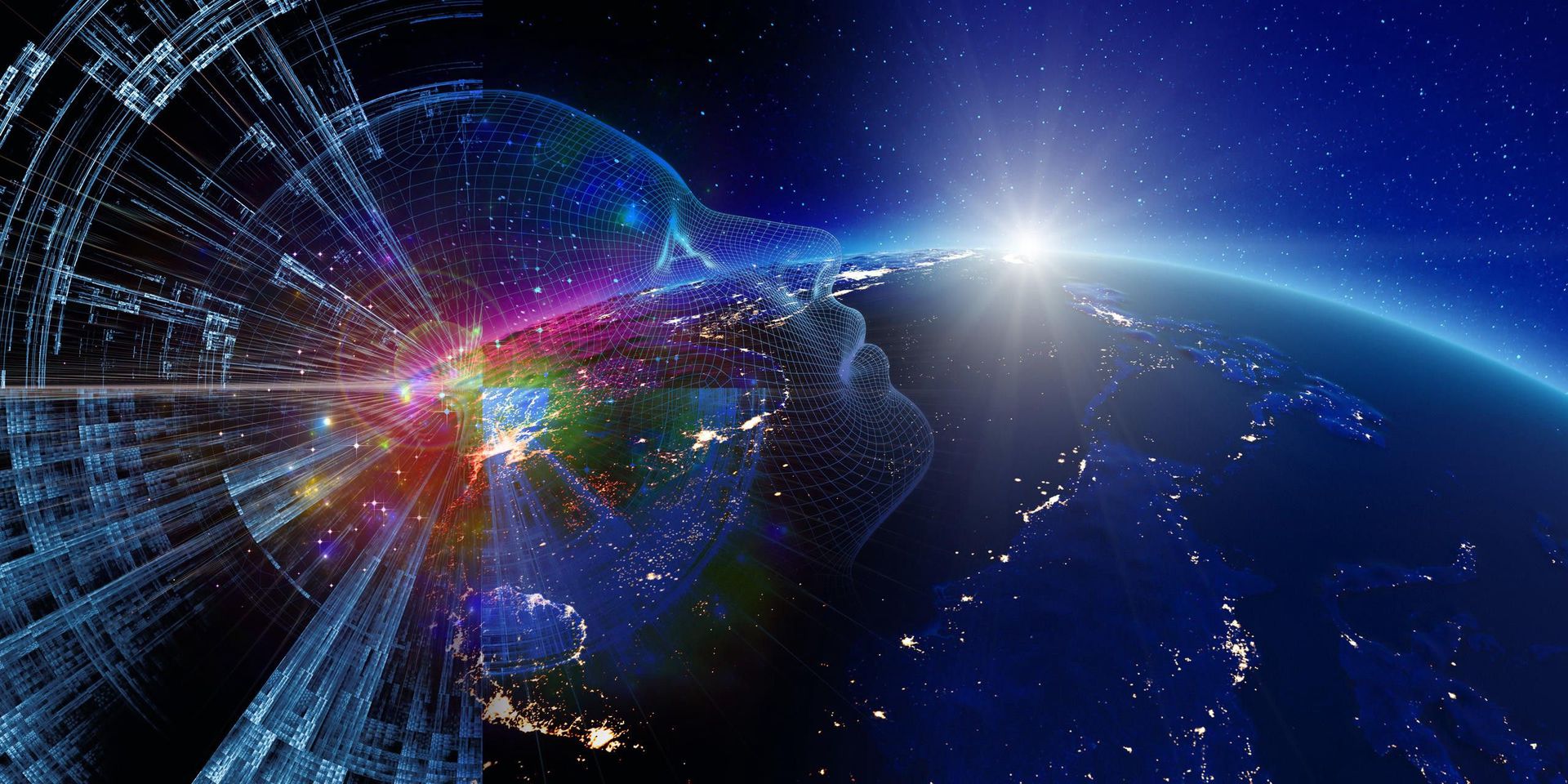
Additional capabilities highlight this integration:
- Real-time solar event prediction: AI predicts solar flares that could damage satellites and autonomously implements protective measures.
- Debris avoidance systems: AI continuously tracks space debris and autonomously maneuvers satellites to avoid collisions, as referenced in discussions on AI space exploration.
- Edge AI processing: Computation occurs on satellites and spacecraft themselves rather than relying on Earth transmission, reducing latency and enabling faster decisions, as explored in CSET’s publication on AI on the edge of space.
- Neural networks accelerating space domain awareness: Tools like LIME improve object detection and tracking accuracy.
Future trends involve expanding AI decision-making authority, with ongoing ethical discussions about autonomous decision-making in contested orbital environments or national security contexts.
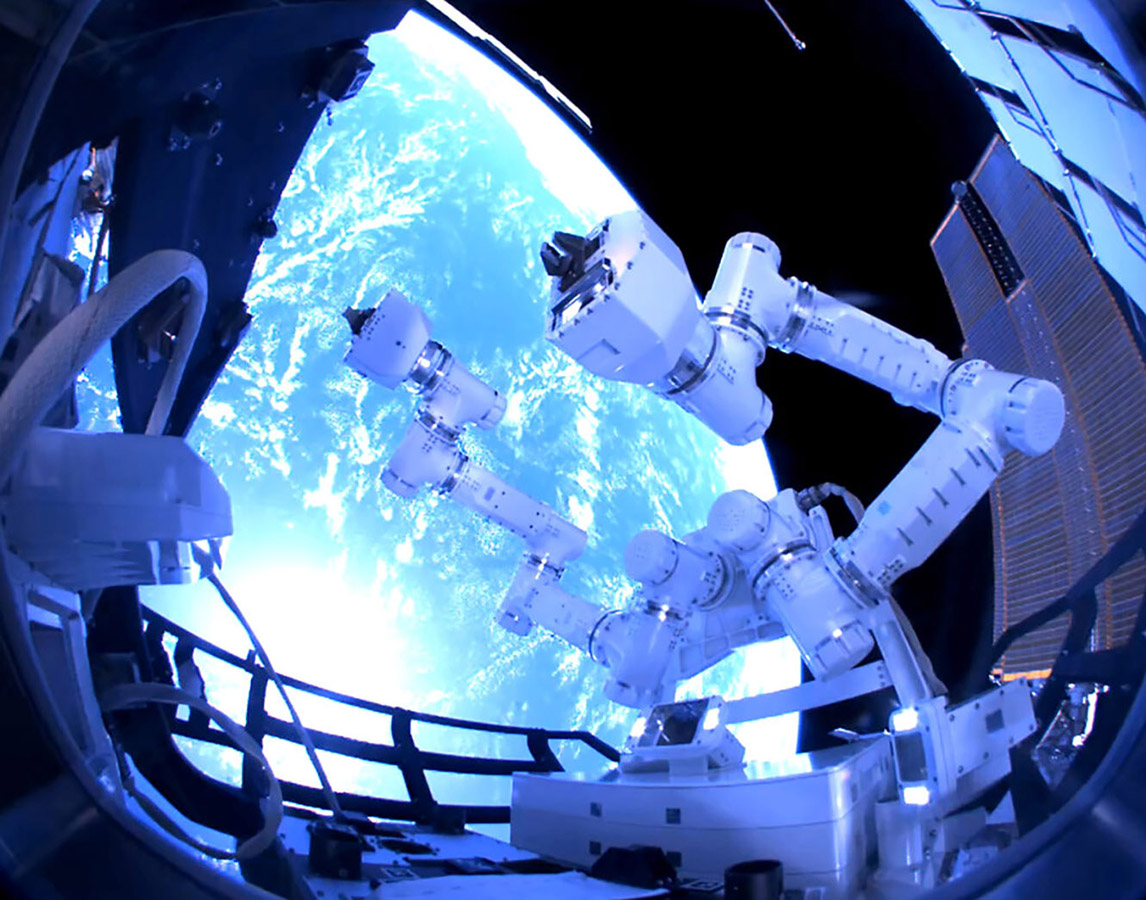
The Present Reality and Future Trajectory
Space tech AI mission control is not theoretical—it’s actively powering current missions from Spire Global, NASA, and the European Space Agency. Evidence abounds: Spire Global’s active satellite missions, NASA’s Deep Space Network operations, ESA’s constellation management, and Mars rover operations all demonstrate proven, operational AI mission control systems.
This foundation directly enables humanity’s expanded exploration and commercialization of space—from lunar base establishment to asteroid mining to Mars colonization, as highlighted in resources on AI in space. AI mission control is the essential infrastructure layer for advanced space operations: autonomous spacecraft systems ensure individual vehicle reliability, deep space AI navigation enables independent operations across vast distances, and satellite automation manages large-scale constellations. This progression is a key component of the broader technological landscape outlined in the top 10 tech trends of 2025.
As we look ahead, AI mission control transforms what was once limited to specialized agencies into a scalable, efficient, and resilient foundation for sustained space exploration and commercial development, paving the way for humanity’s next chapter in space.
Frequently Asked Questions
What is space tech AI mission control?
Space tech AI mission control refers to integrated artificial intelligence systems that manage, analyze, and make real-time decisions for spacecraft, satellites, and deep-space missions. It enhances operational efficiency, reduces dependency on Earth-based commands, and handles vast data volumes autonomously.
How does AI improve deep space navigation?
AI improves deep space navigation by processing onboard sensor data in real-time to make autonomous trajectory corrections and hazard avoidance decisions. This is crucial due to communication delays that make Earth-based control impractical for distant missions.
Are autonomous spacecraft systems replacing human operators?
No, autonomous spacecraft systems augment human decision-making rather than replacing it. They handle routine tasks, real-time data processing, and emergency responses, allowing human operators to focus on higher-level strategic decisions and mission planning.
What are the benefits of satellite automation?
Satellite automation offers benefits such as collision avoidance, optimized payload scheduling, improved fuel efficiency, and scalable management of large constellations. It reduces operational costs and enables the coordination of thousands of satellites simultaneously.
Is AI mission control currently in use?
Yes, AI mission control is actively used by organizations like Spire Global, NASA, and the European Space Agency in current missions. Examples include Spire’s SpacefarerAI™, NASA’s Deep Space Network, and ESA’s constellation management systems.