
SpaceX Starlink Phone Leak: Unveiling the Reality of Satellite-Connected Phones
Estimated reading time: 8 minutes
Key Takeaways
- The SpaceX Starlink phone leak refers to official plans for satellite connectivity in phones, not a dedicated device.
- SpaceX is working with chip manufacturers to embed Starlink connectivity into existing smartphones.
- A $17 billion spectrum deal positions SpaceX as a potential global mobile carrier.
- Testing for smartphone-based satellite connectivity is planned for 2026.
- Technical challenges include antenna miniaturization, power management, and signal penetration.
- Competitive advantages include an existing satellite constellation, spectrum ownership, and manufacturing partnerships.
Table of contents
- SpaceX Starlink Phone Leak: Unveiling the Reality of Satellite-Connected Phones
- Key Takeaways
- Opening Hook: The Buzz and Intrigue
- Separating the Leak from Reality: What We Actually Know vs. Speculation
- The Technology Behind Satellite Connectivity: Understanding Low Orbit Connectivity Devices
- The Strategic Foundation: The $17 Billion Spectrum Deal & Mobile Carrier Strategy
- The Roadmap to Reality: 2026 Testing and the Path from Current Direct-to-Cell to Future Products
- Market Context & Competitive Landscape: Why SpaceX Has an Advantage
- Closing: Synthesis, Realistic Expectations & Call to Action
- Frequently Asked Questions
Opening Hook: The Buzz and Intrigue
The tech world is abuzz with whispers of a SpaceX Starlink phone leak, a story that blends verified announcements with speculative excitement. If you’re here, you’re likely trying to cut through the noise: What has actually been leaked? Is it real? And what does it mean for the future of communication? Let’s dive into the heart of the matter.
The core tension is this: “Is SpaceX building a dedicated satellite phone, or is the ‘leak’ actually something far more ambitious?” As we unravel the facts, we’ll explore the plans for a low orbit connectivity device, the potential for a global communication handset, and the upcoming starlink mobile test 2026.

Separating the Leak from Reality: What We Actually Know vs. Speculation
First, let’s define the distinction. The SpaceX Starlink phone leak isn’t a traditional product leak with images or specs. Instead, it’s a combination of official roadmap announcements, trademark filings, and strategic moves that paint a picture of SpaceX’s future.
What SpaceX Officially Confirmed:
- SpaceX President Gwynne Shotwell revealed that the company is working with microchip manufacturers to embed satellite connectivity directly into phones. Source
- This highlights SpaceX’s primary strategy: getting Starlink hardware into existing phones from all manufacturers rather than launching a branded competitor to Apple or Samsung. Source
- In October, SpaceX filed a “Starlink Mobile” trademark with the U.S. Patent and Trademark Office, referencing real-time voice, audio, video, and data connectivity for mobile phones and smart devices, along with cellular personal communication services. Source
- This trademark filing suggests that SpaceX is preparing to offer a mobile carrier experience. Source

The Timeline That Matters:
- SpaceX aims to launch new direct-to-device Starlink satellites within the next two years equipped with S-band payloads. Source
- Smartphone-based connectivity tests are planned as early as late 2026. Source
- The company plans to add as many as 15,000 new satellites to enable this capability. Source
What Remains Unverified:
There is no credible evidence of a dedicated SpaceX-branded handheld “Starlink phone” as a discrete consumer product. Speculation about such a device often conflates SpaceX’s actual strategy with long-standing unsubstantiated rumors of a Tesla phone. Source
The Technology Behind Satellite Connectivity: Understanding Low Orbit Connectivity Devices
To grasp what SpaceX is building, we need to understand the technology. A low orbit connectivity device communicates directly with satellites in low Earth orbit (LEO), rather than relying on ground-based cell towers.
Explain LEO Satellite Basics:
Low Earth orbit is approximately 320-550 kilometers altitude, contrasting with traditional geostationary satellites positioned 36,000 kilometers above Earth. LEO enables lower latency and better signal penetration. Source
How SpaceX’s Approach Works:
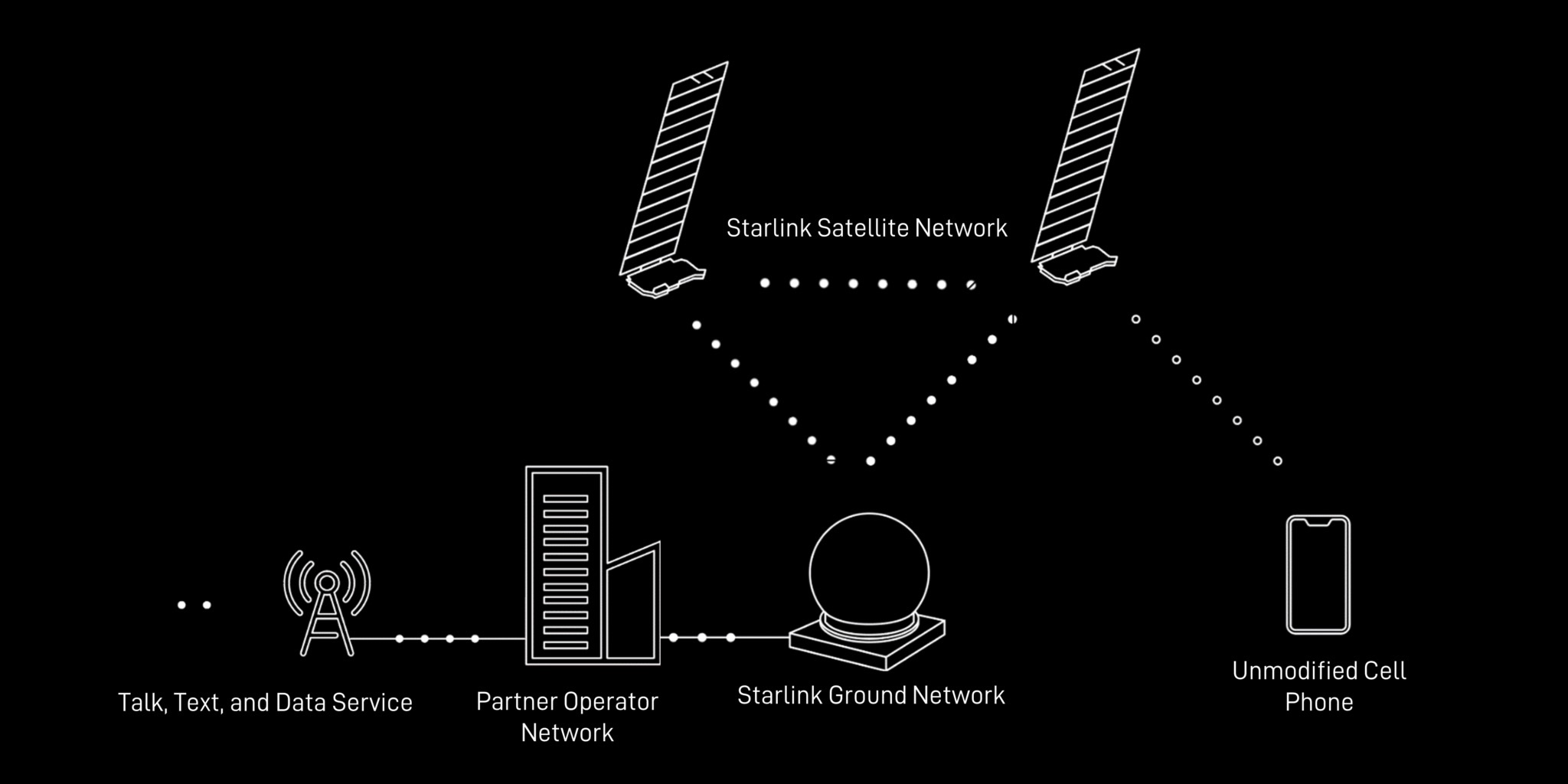
SpaceX’s approach involves embedding specialized chips into phones that enable direct communication with the Starlink satellite constellation. Source This is the essence of a low orbit connectivity device.
Technical Engineering Challenges:
- Antenna size reduction: Satellites need robust antennas, but fitting them into a phone requires miniaturization.
- Power management: Continuous satellite connectivity drains batteries faster.
- Signal penetration: Maintaining signal in buildings and dense urban areas is tough.
- Thermal dissipation: RF transmission generates heat that must be managed. Source

Current Proof of Concept:
The current direct-to-cell service already operational via Starlink demonstrates the feasibility of satellite-to-phone communication. Source Expanding this to every phone requires chipset-level integration with major phone manufacturers. Source
For readers interested in how other revolutionary connectivity technologies like 5G are evolving, check out our deep dive on Unstoppable 5G Connectivity: Revolutionizing the Future with Lightning-Fast Innovation.
The Strategic Foundation: The $17 Billion Spectrum Deal & Mobile Carrier Strategy
SpaceX’s move isn’t just about technology; it’s a strategic play. The $17 billion deal to acquire wireless spectrum from EchoStar is a game-changer. Source
Why Spectrum Ownership Matters:
It allows SpaceX to provide mobile services independently rather than relying solely on partnerships with carriers like T-Mobile (US) and Rogers (Canada). Source This positions SpaceX to negotiate from a position of strength and potentially offer global mobile service without country-by-country negotiations. Source
Positioning for a Global Communication Handset:
This spectrum and infrastructure lay the foundation for any future dedicated satellite phone or global communication handset. Owning spectrum transforms a satellite operator into a telecommunications company capable of offering true mobile phone service worldwide.
The Roadmap to Reality: 2026 Testing and the Path from Current Direct-to-Cell to Future Products
Current Direct-to-Cell Status Quo:
SpaceX’s direct-to-cell service, launched in 2024, already enables unmodified LTE phones to send emergency texts via satellite. Source This proves that satellite-to-phone communication is operationally viable today.
The 2026 Milestone Explained:
The starlink mobile test 2026 represents the next phase: expanding direct-to-cell capability through new satellite hardware and chipset integration with manufacturers. Source Critical distinction: initial tests target modifying existing smartphones through software and chipset updates, not a dedicated handheld device.

The Evolution Pathway:
A purpose-built satellite phone—if it materializes—would represent a later evolution of this technology rather than an imminent product. Frame 2026 as an important milestone but not necessarily the launch of a consumer satellite phone.
Why This Timeline Is Credible:
Connect the 2026 date to SpaceX’s verified announcements about new satellite launches, spectrum ownership, and chipset partnerships. Source The timeline is grounded in real engineering milestones and regulatory filings, not speculation.
Market Context & Competitive Landscape: Why SpaceX Has an Advantage
Who Else Is Competing:
- Apple’s Emergency SOS via satellite, which already provides limited messaging over Globalstar’s network.
- AST SpaceMobile and other competitors pursuing similar direct-to-phone strategies.
SpaceX’s Competitive Advantages:
- Existing satellite constellation: Already in orbit.
- Spectrum ownership: The $17 billion acquisition.
- Established manufacturing partnerships: With chip manufacturers.
These three elements together create a structural advantage over competitors still building satellites or waiting for spectrum approval.

Realistic Use Cases for Satellite-Enabled Phones:
- Remote communication and off-grid scenarios.
- Disaster relief and emergency response.
- Maritime and aviation industries where traditional cellular coverage fails.
- Geographic coverage gaps in rural and developing regions.
These use cases justify the investment in global communication handset technology.
Practical Limitations to Acknowledge:
- Data plan costs: Satellite connectivity is expensive to deliver.
- Power consumption: Satellite chips drain batteries faster than cellular.
- Indoor connectivity challenges: Satellites require line-of-sight.
- Regulatory approval requirements across different jurisdictions.
- Potential device size or antenna requirements: May make phones bulkier.
The potential for a dedicated satellite handset continues the trend of radical smartphone form factor innovation, much like the advancements covered in Revolutionary Breakthrough Foldable Phone Technology Unveiled: The Future of Smartphone Innovation.
For a look at how cutting-edge AI is already being integrated into today’s top smartphones, enhancing everything from photography to voice assistants, explore our guide to Apple Intelligence iPhone 16 Features: Your Ultimate Guide.
The focus on satellite connectivity’s impact on battery life ties directly into a key consideration for all mobile users. Discover which current models excel in our review of the Best 10 Powerful Smartphones with the Longest Battery Life.
As phones become more advanced hubs for connectivity and AI, they are central to the broader ecosystem of smart technology. Learn more about this integration in The Rise of Unstoppable AI-Powered Smart Homes: Revolutionary Trends Shaping the Future.
Closing: Synthesis, Realistic Expectations & Call to Action
Reframe the “Leak”:
The SpaceX Starlink phone leak is better understood as SpaceX’s official plan to embed satellite connectivity into existing phones rather than a single branded device. This distinction helps readers understand that the technology is already in development and testing, not just rumor.
What We Know for Certain:
- The starlink mobile test 2026 milestone is grounded in verified announcements, spectrum acquisition, and trademark filings.
- The infrastructure SpaceX is building—new satellites, spectrum ownership, and chipset partnerships—creates the technical foundation for future products.
What Remains on the Horizon:
While a dedicated satellite handset remains speculative, the pieces are in place for it to emerge as technology and market demands evolve. The transformative potential of true global connectivity is genuine, but the timeline for mainstream consumer availability remains uncertain.
Final Thought:
The next 12-24 months will be critical—official SpaceX announcements and regulatory filings will provide the clearest indication of when satellite phone connectivity moves from possibility to reality.
Call to Action:
Watch for official SpaceX announcements and FCC filings. Follow industry developments to understand how satellite connectivity reshapes global telecommunications. Monitor Starlink’s official channels and SpaceX updates for product roadmap news.
To understand how today’s smartphone landscape sets the stage for these future innovations, see our breakdown of the Latest Smartphone Releases 2024: Pros and Cons.
Frequently Asked Questions
Is SpaceX building a Starlink phone?
No, SpaceX is not building a dedicated Starlink phone. Instead, they are working to embed Starlink connectivity into existing smartphones through partnerships with chip manufacturers.
What is the Starlink Mobile trademark?
The Starlink Mobile trademark filed by SpaceX references services for mobile phones and smart devices, indicating plans to offer a mobile carrier experience with satellite connectivity.
When will Starlink satellite connectivity be available on phones?
Testing is planned for 2026, but widespread availability will depend on technical developments, regulatory approvals, and manufacturer integration.
How will satellite connectivity affect phone battery life?
Satellite connectivity is expected to drain batteries faster due to increased power consumption for communicating with satellites. This is one of the key challenges being addressed.
Can I use Starlink on my current phone?
Not yet. Current direct-to-cell services only support emergency texts on unmodified LTE phones. For full connectivity, future phones will need integrated Starlink chipsets.