
SpaceX Starlink Phone Leak: The Truth Behind the Global Connectivity Revolution
Estimated reading time: 8 minutes
Key Takeaways
- The SpaceX Starlink phone leak points not to a single device, but to a revolutionary chip-integration strategy for embedding satellite connectivity into everyday smartphones.
- This technology aims to create a true global communication handset, eliminating dead zones for travel, remote work, and emergency safety.
- The secret sauce is low orbit connectivity device tech, using SpaceX’s vast Low Earth Orbit (LEO) satellite constellation for low-latency, wide-reaching coverage.
- Partnerships with carriers like T-Mobile are already live, with the major starlink mobile test 2026 set to expand capabilities from texting to data.
- While technical and regulatory hurdles remain, this shift promises to make satellite connectivity an invisible, essential safety net for billions.
Table of contents
- SpaceX Starlink Phone Leak: The Truth Behind the Global Connectivity Revolution
- Key Takeaways
- Opening: The Hype Is Real, But Not What You Think
- Section 1: Understanding the Technology & The Need
- Section 2: Analyzing the Starlink Phone Rumors
- Section 3: Context & Timeline—The Road to Launch
- Frequently Asked Questions
Opening: The Hype Is Real, But Not What You Think
The recent buzz around a SpaceX Starlink phone leak has set the tech world alight with visions of a revolutionary smartphone that connects directly to the cosmos. But what does this rumor truly represent? It’s the spark of a fundamental shift: the coming era of satellite-connected smartphones that could forever change how we communicate across the globe.

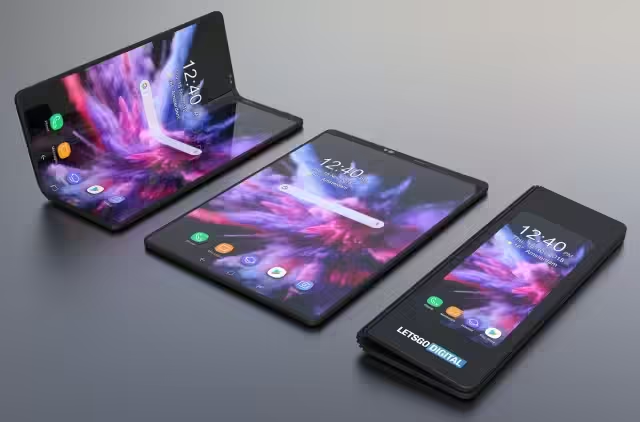
Amidst the excitement, it’s critical to separate confirmed plans from speculative fiction. The core truth isn’t about a single, mysterious SpaceX device. Instead, the revolution lies in low orbit connectivity device technology being embedded into the phones we already use. Think of it less like the launch of a radical new foldable design and more like the essential, behind-the-scenes integration of a technology like 5G—a silent upgrade that unlocks a new world of possibility (PenBrief – The Unstoppable 5G Connectivity Future).
This investigation cuts through the noise. We’ll explore what the leaked strategy actually entails, explain the transformative power of satellite-to-cell tech for everyday users, and chart how this integration will reshape our connected world. The future isn’t a dedicated “Starlink Phone”; it’s your next phone, quietly empowered to call home from anywhere on Earth.
Section 1: Understanding the Technology & The Need
Subsection 1A: What is a Satellite Phone, and Why Does It Matter Now?
Our cellular networks, for all their power, have glaring limitations. They leave us stranded in remote mountains, vast deserts, and rural dead zones. They fail when disaster strikes and terrestrial infrastructure is damaged. For maritime voyagers and aviators, once you’re beyond the coast, you’re off the grid. These coverage gaps affect millions globally.
A true global communication handset is the solution: a device offering ubiquitous coverage without the bulk, expense, and complexity of traditional satellite phones. Current solutions are lacking—they’re expensive, require clear line-of-sight, and feel like relics from a past era. The goal is to bridge this gap by weaving satellite connectivity into the slim, powerful smartphones we already love, mirroring the seamless integration we see in other cutting-edge foldable phone designs.

This isn’t just a nice-to-have. The timing is critical. The rise of remote work, increasing frequency of natural disasters, growing adventure tourism, and a universal desire for preparedness make the need for always-on connectivity more urgent than ever. As confirmed plans show, direct-to-cell technology promises coverage anywhere without specialized hardware, finally making the dream of a connected planet practical.
Subsection 1B: How Starlink Changes the Game—Low Earth Orbit (LEO) Explained
The magic behind the SpaceX Starlink phone leak rumors is a specific type of low orbit connectivity device technology. Traditional satellite phones use geostationary satellites parked 35,786 km away, leading to high latency and spotty coverage. Starlink’s constellation operates in Low Earth Orbit (LEO), a mere 340-550 km above us (No Tesla App).
This proximity is a game-changer:
- Lower Latency: Data zips back and forth in 100-150ms, enabling near real-time communication—crucial for voice calls and responsive apps.
- Higher Bandwidth Potential: Thousands of satellites can handle millions of concurrent connections, paving the way for better speeds.
- Wider, Smarter Coverage: A mesh of LEO satellites naturally blankets the entire globe, including the poles and oceans.
- Stronger Signal: The shorter distance means less signal loss, allowing reception with smaller antennas in phones.

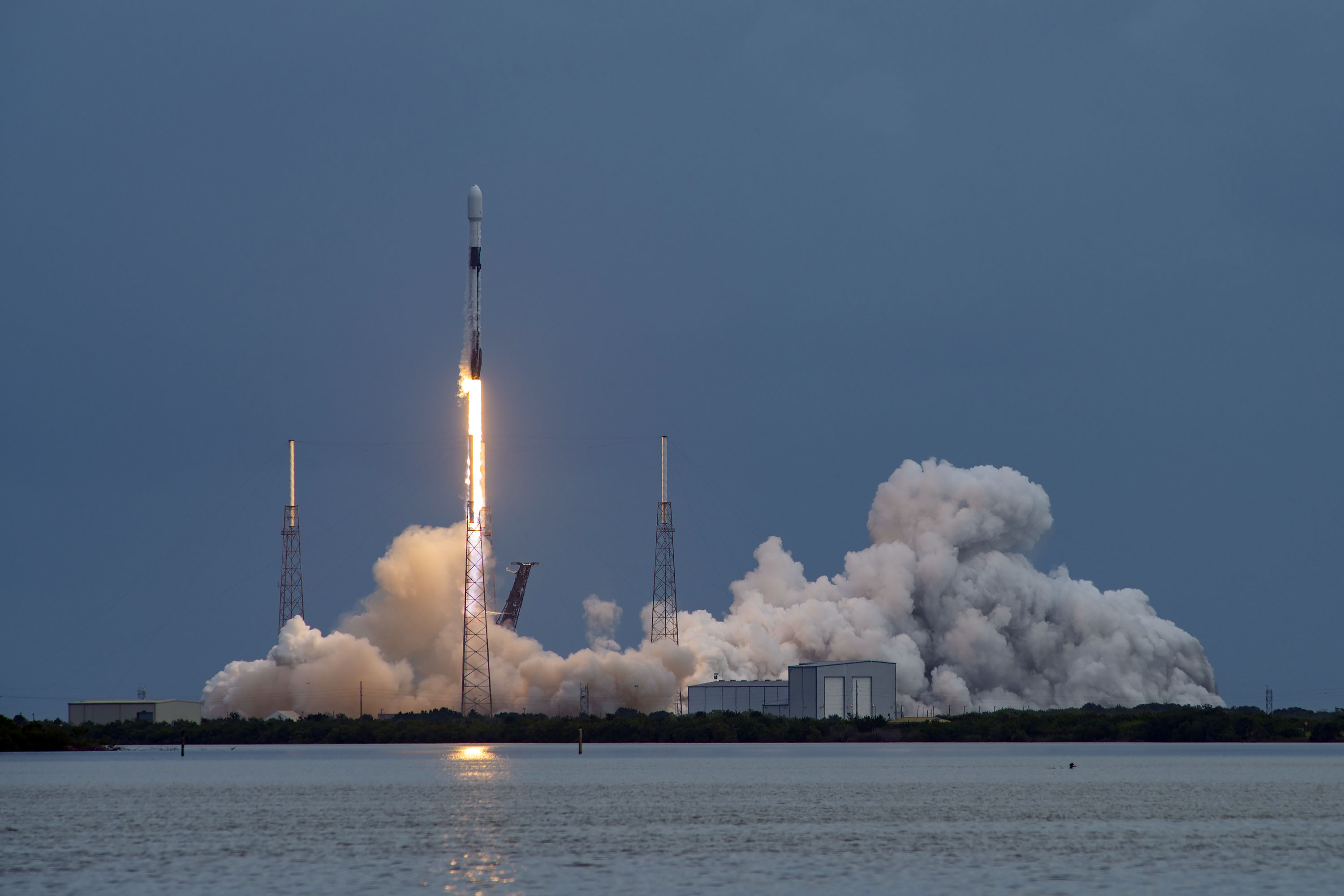
SpaceX’s execution is key. With over 9,300 satellites already in orbit and thousands more planned, this mature constellation is the enabling infrastructure. The company is actively managing this fleet, with plans to lower thousands of satellites in 2026 to optimize the network and reduce collision risks. This vast, intelligent network of satellites with laser backhaul is what makes the “direct-to-cell” vision credible and imminent. The constellation’s scale is why the spacex starlink phone leak chatter isn’t just sci-fi—it’s the next logical step.
Section 2: Analyzing the Starlink Phone Rumors
Subsection 2A: Dissecting the “Leak”—What’s Real vs. Rumor
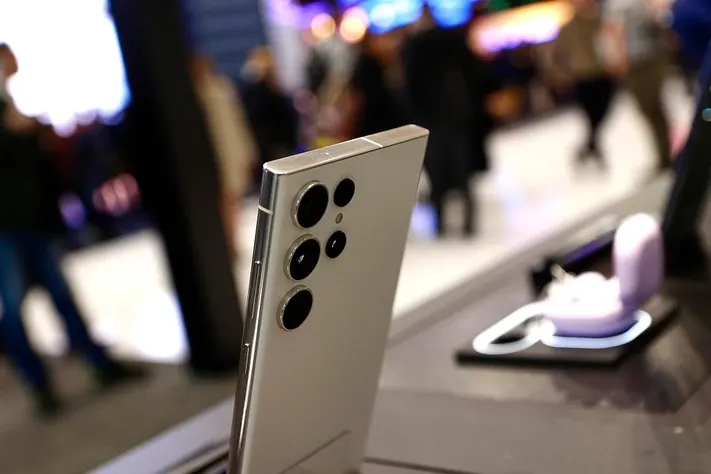
Let’s be clear: There is no verified, standalone “SpaceX Starlink Phone.” The real story is more subtle and far-reaching. The SpaceX Starlink phone leak narrative largely points to SpaceX’s strategy of embedding Starlink connectivity chips into future devices from partners like Samsung and Apple (No Tesla App). This turns next-generation phones into hybrid global communication handset[s] without a radical new design, similar to how new smartphone releases integrate incremental but powerful tech.

Popular rumors about a “Tesla Pi Phone” or a sleek, dedicated SpaceX device are unsubstantiated. They often conflate confirmed satellite partnerships with wishful thinking, a pattern familiar in tech leaks as seen with audio product speculation. Analysts have debunked these dedicated device claims. The confusion stems from SpaceX’s tangible steps—like filing trademarks for “Starlink Mobile”—which signal service ambitions, not necessarily hardware (SatelliteInternet.com).
So, the “leak” is less about a secret device and more about a misunderstood blueprint. The impact is undiminished: embedding this capability into mainstream phones will reach exponentially more users than a niche proprietary device ever could.
Subsection 2B: Potential Features & Capabilities of a Satellite-Connected Phone
What will a Starlink-powered low orbit connectivity device actually do? Capabilities will roll out in phases:
- Direct-to-Satellite Texting: Already live via T-Mobile for emergency SOS. The foundation is proven.
- Voice Calls & Data: The future goal. It will require more advanced satellite hardware and regulatory green lights for higher power use.
- Hybrid Fallback: The phone seamlessly switches to satellite when your LTE signal drops—you might not even notice.
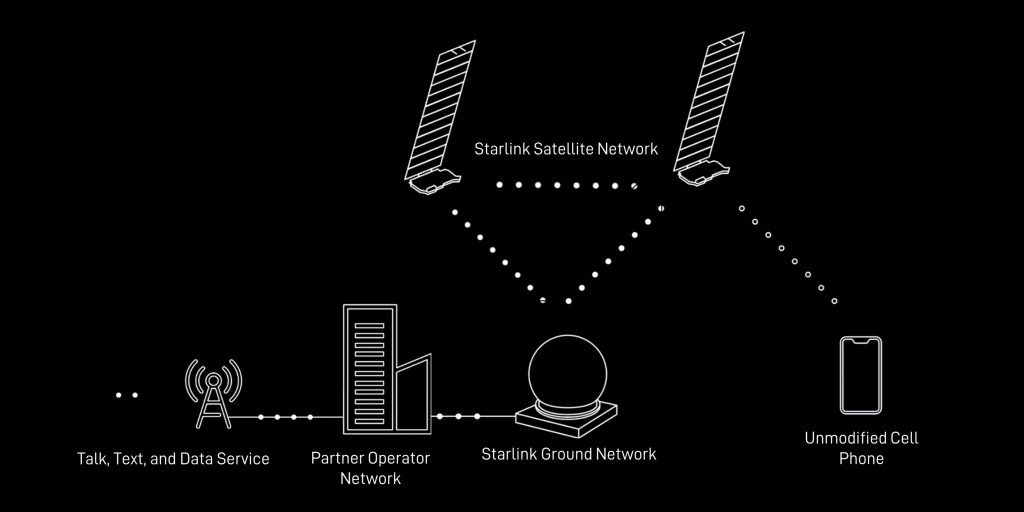
The technology exists, but it demands clear sky visibility and clever engineering to manage the significant power drain on phone batteries—a top priority for any user reading about the best smartphones with long battery life.
Performance will start modestly. Initial speeds will handle text and low-bandwidth data (1-10 Mbps), scaling up as more powerful satellites get FCC approval (SatelliteInternet.com). This isn’t about replacing your home broadband; it’s a lifeline. The T-Mobile partnership, “T-Satellite,” launched in July 2025 and already provides LTE connectivity to over 12 million users as a proof-of-concept (Starlink Direct to Cell). For the user, it means automatic backup connectivity while hiking, traveling, or during local outages.
Subsection 2C: Target Audience for Satellite-Connected Phones
Who needs a global communication handset? The answer is: more people than you think.
- Travelers & Adventurers: Hikers, climbers, and off-grid explorers.
- Remote Workers: Those in rural areas or on offshore assignments.
- Emergency Responders: Teams deploying to disaster zones where infrastructure is gone.
- Everyday Users: Anyone who has ever lost signal during a commute, at a rural home, or on vacation.
- Maritime & Aviation Enthusiasts: Boaters and pilots beyond terrestrial reach.
The value is clear: safety, uninterrupted productivity, and the elimination of expensive roaming. The beauty of integrating low orbit connectivity device tech into standard phones is that most users won’t need a special purchase. As this becomes standard, like choosing the right foldable phone for your needs, entire existing user bases will gain this capability passively, turning a niche feature into a universal safety net.
Section 3: Context & Timeline—The Road to Launch
Subsection 3A: Current Satellite Phone Alternatives—Setting the Baseline
To appreciate the disruption, look at the existing market. Traditional satellite phones from Iridium or Inmarsat are bulky, cost over $1,000, and offer limited coverage with high call costs. T-Mobile’s T-Satellite service, launched in July 2025, marked the first major shift. It leverages the Starlink constellation to provide LTE connectivity to over 12 million users, moving decisively from specialized devices to global communication handset integration (Starlink Direct to Cell).
This competitive baseline shows the industry trajectory is real. Various carriers and phone manufacturers are now exploring similar partnerships. This context validates that the SpaceX Starlink phone leak rumors aren’t occurring in a vacuum; they align with a confirmed, accelerating industry-wide pivot.
Subsection 3B: The Official Roadmap—Starlink Mobile and Consumer Integration
SpaceX’s official strategy is “Direct to Cell” integration, not necessarily a branded phone (No Tesla App). The confirmed timeline is where the starlink mobile test 2026 becomes crucial:
- Phase 1 – Emergency Texting: Already active.
- Phase 2 – Expanded Messaging & Data (2026 Focus): This is the key testing and expansion phase for consumer phone integration.
- Phase 3 – Voice Calls: Future milestone, pending regulatory approval for more powerful satellites.

New satellites with enhanced capabilities are launching throughout 2026, powering this roadmap. Trademark filings for “Starlink Mobile” hint at a potential standalone service layer atop carrier partnerships. While T-Mobile has an early lead, partnerships with other major carriers are expected. The economic model overwhelmingly favors getting this chip into as many phones as possible over building a proprietary device, despite the persistent spacex starlink phone leak fantasy.
Subsection 3C: Challenges Ahead—Technical, Regulatory, and Financial Hurdles
The path to a ubiquitous low orbit connectivity device is fraught with obstacles:
- Technical: Managing significant power drain on phone batteries, miniaturizing antennas for slim form factors, and the inherent need for a clear view of the sky.
- Regulatory: Each step requires FCC and international approvals for spectrum use and higher-powered satellite hardware.
- Financial: SpaceX’s massive $17 billion spectrum deal influences service costs. Pricing models for consumers and carrier profit-sharing are still being defined.
- Operational: Space sustainability is a real concern. In 2026 alone, SpaceX plans to lower 4,400 satellites to a 480 km altitude to manage collision risks and optimize the network (Euronews.next).

For consumers, this may mean premium pricing for early satellite-capable phones and potential subscription tiers. The vision is clear, but the journey to a seamless, affordable global communication handset for all will be a marathon, not a sprint.

Frequently Asked Questions
Q: Is SpaceX actually building a Starlink smartphone?
No. Official strategy focuses on embedding Starlink connectivity chips into phones made by existing manufacturers like Samsung and Apple, not creating a dedicated SpaceX-branded phone.
Q: When will my phone get satellite connectivity?
Testing and integration are accelerating in 2026. Emergency texting via partner carriers is already available. Broader messaging, data, and eventually voice capabilities will roll out in phases over the next few years as new satellites launch and regulatory approvals are secured.
Q: Will satellite phone service replace my regular cellular plan?
No. Satellite connectivity is designed as a fallback or supplement for areas with no terrestrial coverage. It’s a safety net, not a replacement. You’ll use your normal LTE/5G connection whenever it’s available for faster speeds and lower cost.
Q: Do I need a special antenna or a bulky phone?
The goal is to integrate the necessary antenna technology into standard smartphone form factors. Future phones with this capability should look and feel like the slim devices we use today, though initial models might have slight design tweaks.
Q: How much will satellite connectivity cost?
Pricing is still evolving. It may be offered as an add-on to your existing cellular plan (e.g., $5-$15/month), included in premium plans, or structured on a pay-per-use basis for emergency features. Costs will become clearer as services officially launch.