
Tesla FSD Beta Next Gen: The Architectural Leap Forward for Autonomous Driving
Estimated reading time: 10 minutes
Key Takeaways
- The Tesla FSD Beta Next Gen represents a foundational shift from lane-centric to holistic, agent-based driving intelligence.
- Full self driving improvements now deliver smoother navigation in complex urban scenarios, like unprotected turns and fork maneuvers.
- An advanced ai sensor fusion upgrade processes video data with unprecedented efficiency, cutting latency and boosting distant object tracking by 20%.
- New drive assist enhancements refine everyday features like Navigate on Autopilot and Auto Lane Change for more confident highway travel.
- The rollout is expanding, with a clear roadmap targeting global regulatory approval and advanced features like unsupervised operation by 2026.
Table of contents
- Tesla FSD Beta Next Gen: The Architectural Leap Forward for Autonomous Driving
- Key Takeaways
- The “Next Gen” Architectural Leap
- Key Full Self-Driving Improvements
- Smoother Navigation in Complex Urban Environments
- Improved Decision-Making for Vulnerable Road Users
- Enhanced Driving Mode Behaviors: FSD Profiles
- Parking and Maneuver Execution
- Adaptive Safety Features
- Deep Dive: The AI Sensor Fusion Upgrade
- Practical Drive Assist Enhancements for Current Use
- Access and Current Rollout Status
- Looking Ahead: The Roadmap to 2026 and Beyond
- Frequently Asked Questions
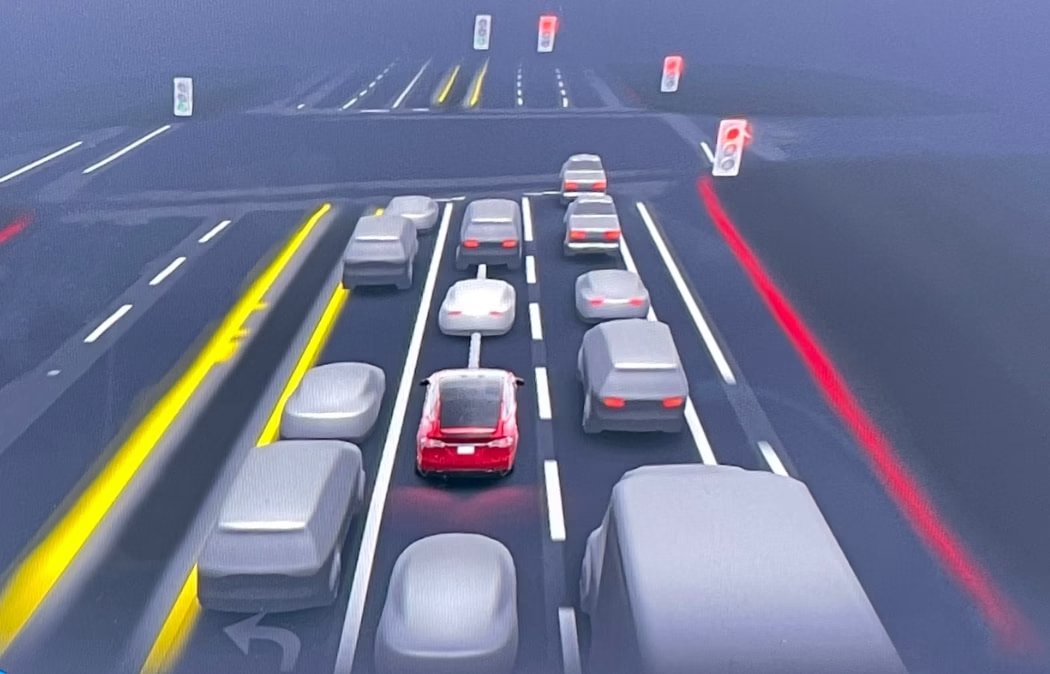
The Tesla FSD Beta Next Gen is here, marking a definitive new phase where Tesla’s Full Self-Driving (FSD) system transitions from a promising assistant to a profoundly more capable co-pilot. This leap isn’t just about incremental tweaks; it’s a fundamental rewrite of how the car sees, thinks, and reacts to the world, delivering substantial full self driving improvements in perception, prediction, and planning. For owners and autonomy enthusiasts tracking every update, this evolution represents the most significant step yet toward a truly automated driving experience, packed with drive assist enhancements that make every journey smoother and more intuitive. Let’s break down what makes this “next generation” so different and how its advancements are reshaping the driving experience today.
The “Next Gen” Architectural Leap
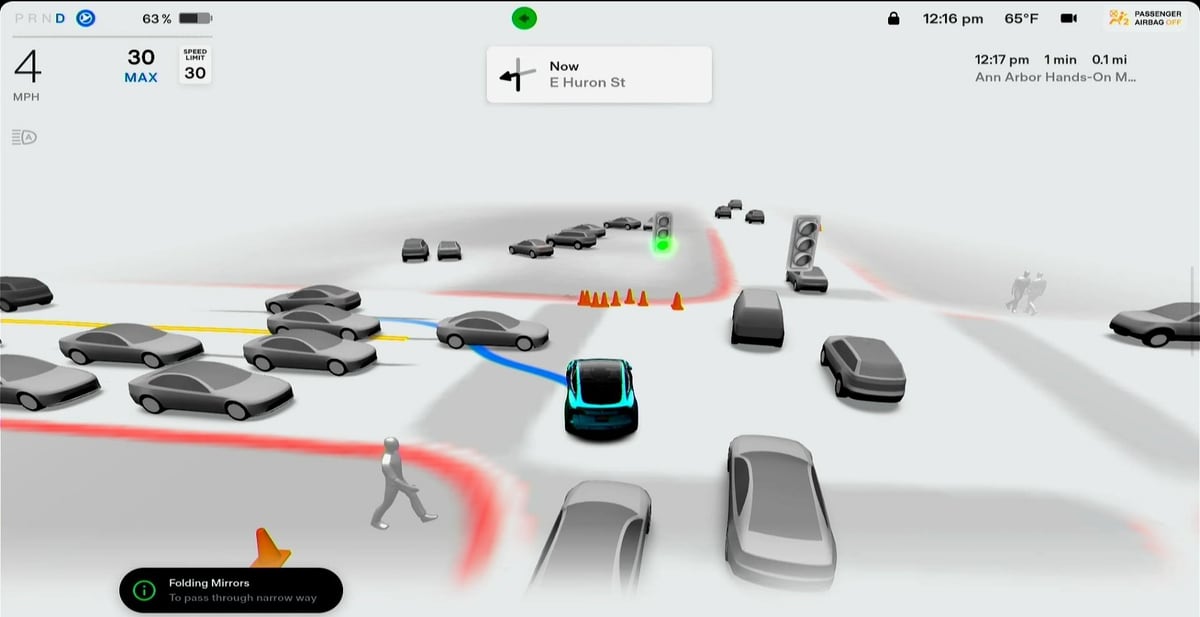
What truly defines the Tesla FSD Beta Next Gen is a departure from its predecessors’ core architecture. Earlier versions were often lane-centric, relying heavily on clear lane markings. The new system is built on multi-camera video networks and a next-generation planner that interprets the driving environment as a dynamic space filled with independent agents—other cars, pedestrians, cyclists—rather than just a series of lanes (source).
This allows for a holistic understanding of pedestrian intent, vehicle trajectories, and overall environmental context. A key enabler is the deep lane guidance module integrated into the Vector Lanes neural network, which achieves a staggering 44% lower error rate on lane topology compared to previous models. This means the car understands the road’s geometry *before* the lanes become visually apparent, enabling smoother, more natural steering inputs (source). This foundational shift is powered by a sophisticated ai sensor fusion upgrade that processes a flood of camera data with remarkable efficiency, turning raw video into actionable driving intelligence (source).
Key Full Self-Driving Improvements
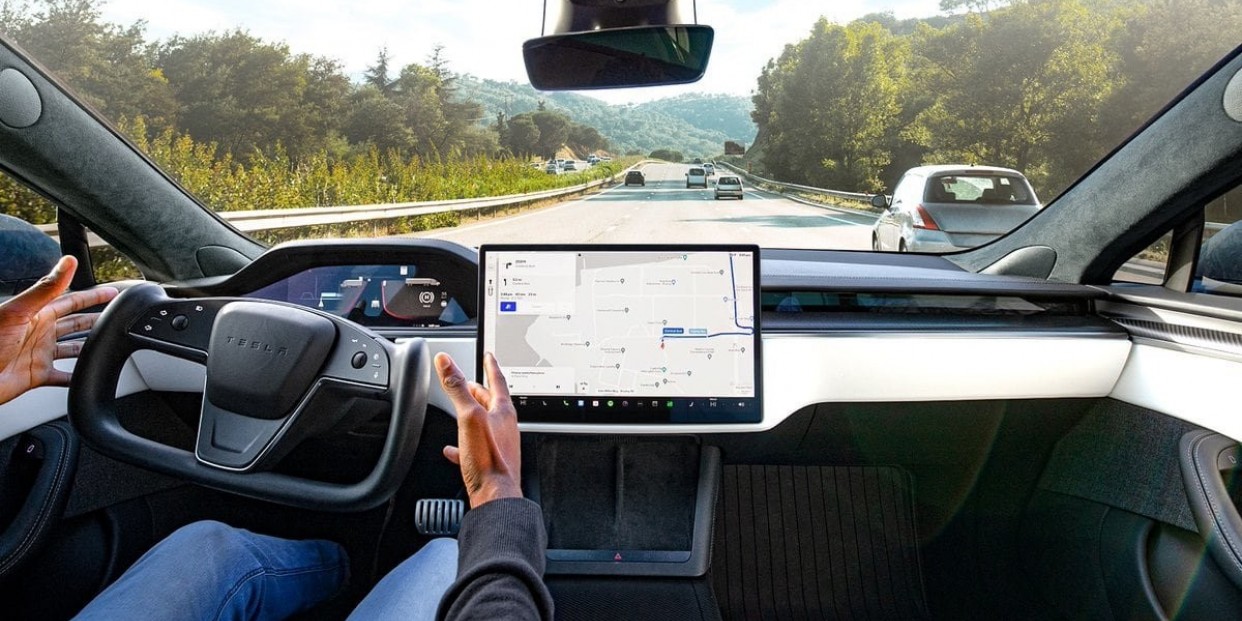
The architectural overhaul translates into tangible, seat-of-the-pants full self driving improvements across a wide spectrum of driving tasks, from nerve-wracking intersections to simple parking maneuvers.
Smoother Navigation in Complex Urban Environments
- Unprotected Left Turns: Historically a major challenge, these maneuvers are now handled with greater nuance. The system better models the likely responses of oncoming vehicles, maintaining appropriate safety margins even when sensor data is momentarily inconsistent (source).
- Protected Right Turns: The car now more accurately differentiates between traffic lights governing slip lanes versus main lanes, reducing unnecessary slowdowns and improving yielding precision when merging into cross-traffic (source).
Improved Decision-Making for Vulnerable Road Users
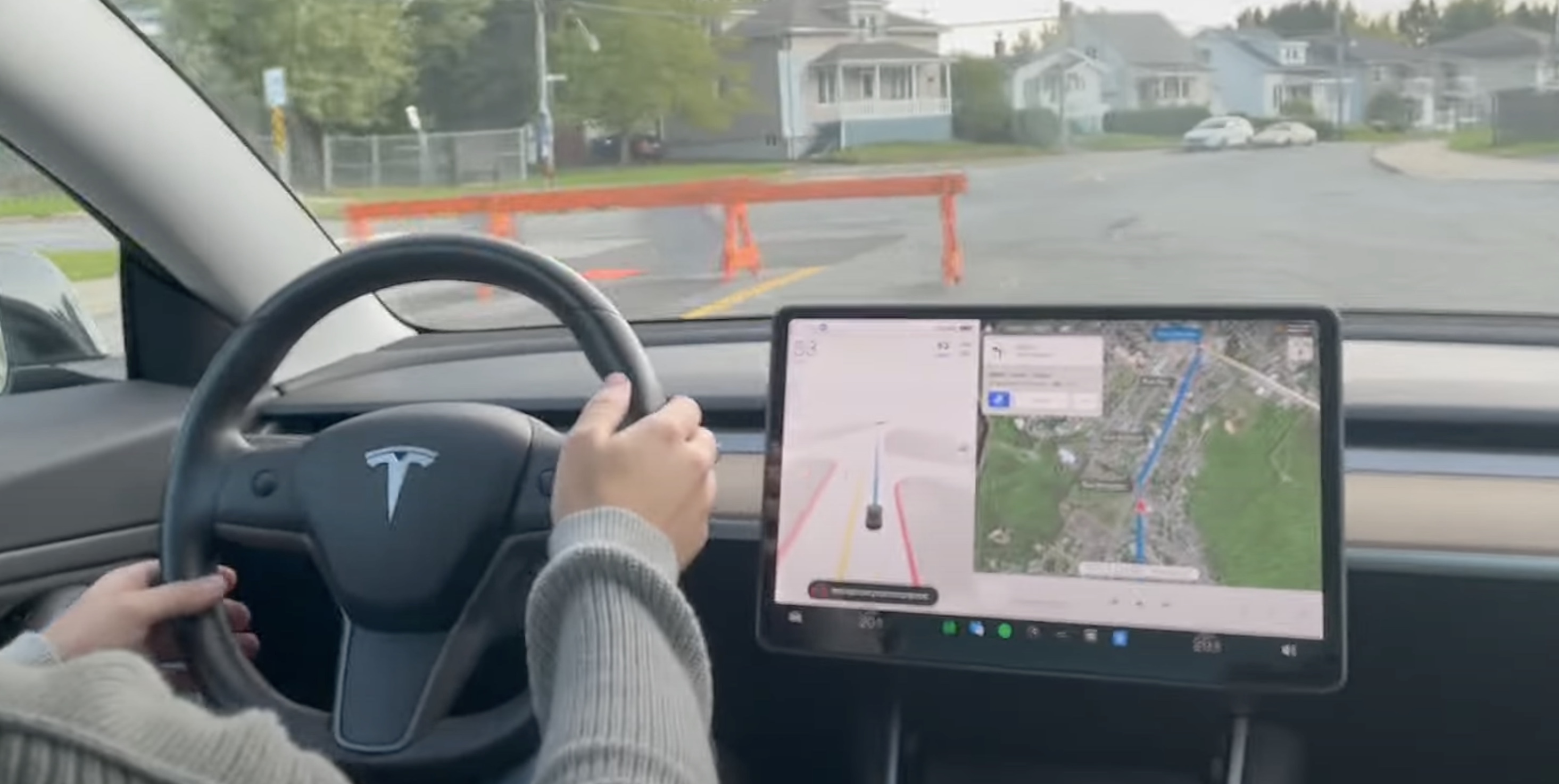
Safely sharing the road requires impeccable judgment. Key upgrades include:
- A 50% reduction in false slowdowns for perceived cut-ins and a 19% drop in lane assignment errors, thanks to an improved object attributes network (source).
- Expanded training datasets for pedestrians, bicyclists, motorcyclists, and animals, leading to a 4.9% reduction in lateral velocity estimation errors—crucial for predicting paths (source).
- Enhanced path prediction for vehicles cutting in at intersections by analyzing yaw rate and lateral motion (source).
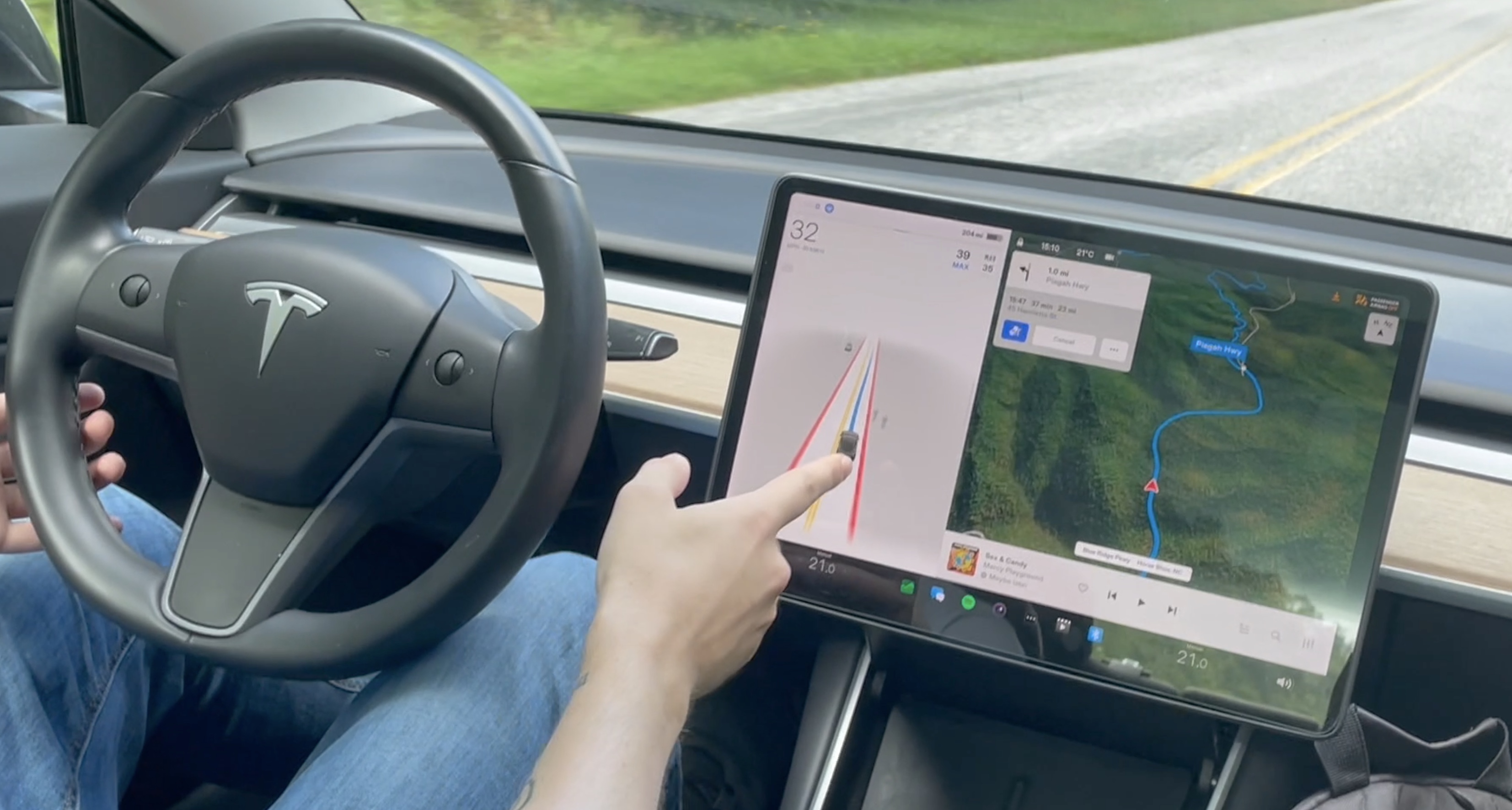
Enhanced Driving Mode Behaviors: FSD Profiles
One of the most user-facing full self driving improvements is the introduction of FSD Profiles, giving you direct control over the car’s driving style:
- Chill: Prioritizes comfort with minimal lane changes and conservative speeds.
- Standard: Matches the flow of traffic for a balanced experience.
- Hurry: Enables faster lane changes and slightly higher speeds to reach destinations quicker.
- Mad Max: An assertive mode for aggressive traffic, with higher speeds and frequent lane changes to maintain pace (source) (source).
The system intelligently adjusts the comfort and assertiveness of these profiles based on context, such as highway cruising versus dense city streets.

Parking and Maneuver Execution
Precision in tight spaces has seen notable gains. The system can now execute one-shot parking maneuvers more successfully without needing to back out and retry. It also navigates around obstacles like open car doors more smoothly, handles fork-in-the-road decisions with confidence, and uses high-fidelity trajectory primitives for accurate turn-lane selection (source).
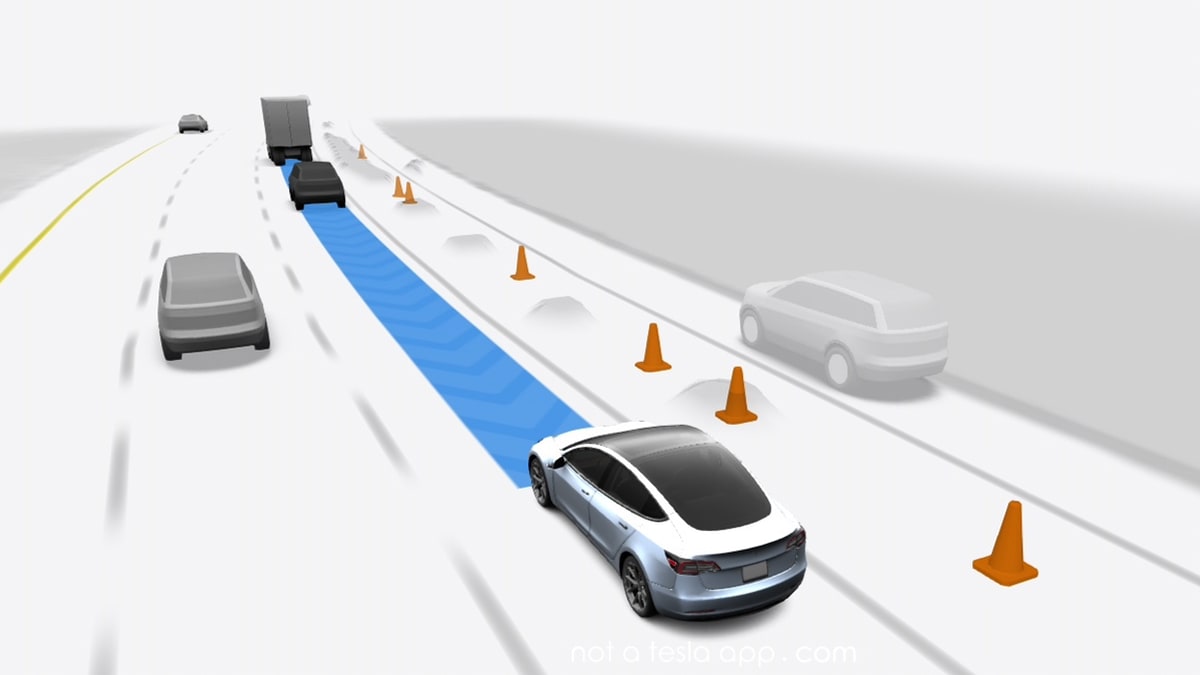
Adaptive Safety Features
The system now demonstrates heightened environmental awareness. It can automatically adjust speed limits and driving profiles in response to inclement weather like rain or snow (source). Furthermore, it incorporates proactive detection of driver incapacitation, with the capability to safely maneuver the vehicle to the side of the road and activate hazard lights (source) (source).
Deep Dive: The AI Sensor Fusion Upgrade
At the heart of these full self driving improvements is a revolutionary ai sensor fusion upgrade. Tesla has evolved its system into a sophisticated video-based neural network that synthesizes multiple simultaneous video streams from its primarily camera-based sensor suite (source).
- Efficiency Leap: The new architecture operates on “O(objects)” complexity, meaning its computational load scales with the number of objects in the scene, not the raw pixels. This allows it to improve velocity estimates for distant vehicles by 20% while using one-tenth the computing power of previous methods (source).
- Latency Reduction: Drivers feel a more responsive car thanks to a 20% average improvement in photon-to-control latency. The system also better accounts for “lead vehicle jerk” (sudden acceleration or braking), reducing stop-start hesitation (source).
- Map Integration: It doesn’t drive blind. The network fuses its real-time video-derived features with coarse map data (like lane counts and connectivity) through the deep lane guidance module. This creates a accurate, predictive model of road geometry, essential for smooth planning (source) (source).

Practical Drive Assist Enhancements for Current Use
While the Tesla FSD Beta Next Gen aims for full autonomy, its underlying advancements directly benefit today’s drive assist enhancements:
- Navigate on Autopilot (Beta): This feature for highway driving is now more confident, better handling complex interchanges, suggesting lane changes, and managing on/off-ramp transitions. It also adjusts merging speeds more effectively when encountering map inaccuracies (source) (source).
- Auto Lane Change: The logic is refined to reduce unnecessary lane change suggestions and executions, and the system handles narrow spaces with high-side obstacles more adeptly (source).
- Traffic Awareness: The car is sharper at identifying potential red-light runners by analyzing their kinematic states and has disabled “rolling stops” to ensure full compliance at stop signs (source).
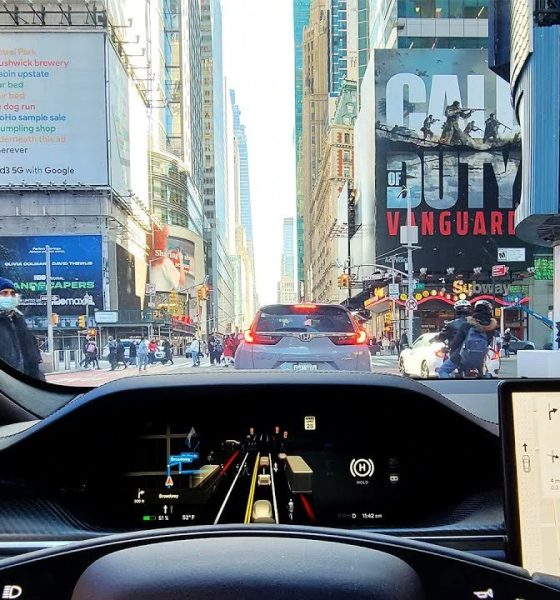
Access and Current Rollout Status
Access to the Tesla FSD Beta Next Gen continues via a phased rollout. Tesla typically starts with employee vehicles, then expands to a broader customer base based on Safety Score metrics and geography (source). Updates are delivered Over-The-Air (OTA) to eligible vehicles. Owners can check for updates via their car’s touchscreen or the Tesla app. As always, maintaining a high Safety Score increases the likelihood of early access to these cutting-edge full self driving improvements.
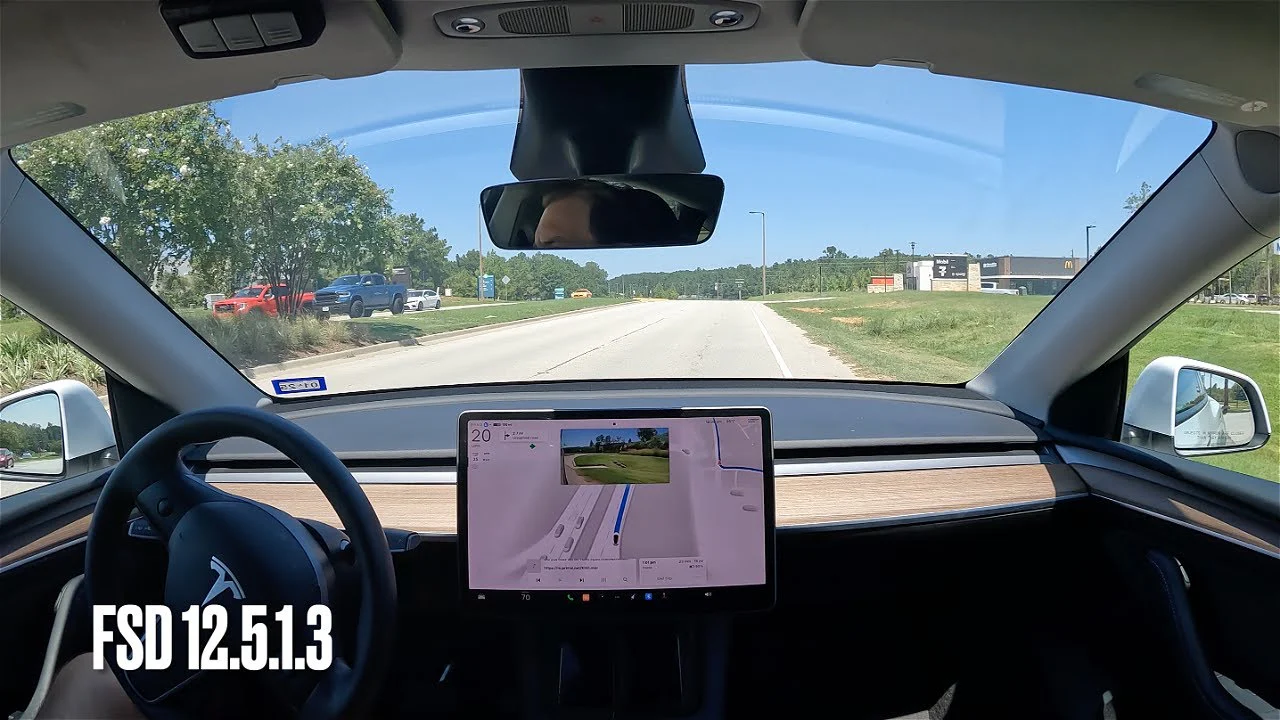
Looking Ahead: The Roadmap to 2026 and Beyond
The journey for Tesla FSD Beta Next Gen is plotted well into the future. Key milestones on the roadmap include:
- Global Expansion: A major push to globalize FSD beyond North America, with active pursuit of UNECE regulatory approval for Europe and other markets targeted for Q1 2026 (source).
- FSD V14-Lite: Planned for mid-2026, this version aims to bring advanced features like “Park at Destination,” enhanced Speed Profiles, and a better UI to vehicles with older Hardware 3 (HW3), though some responsiveness compromises are expected (source).
- Robotaxis and Unsupervised FSD: The ultimate goal remains a shift to a fully unsupervised FSD system and the expansion of a robotaxi network, pending regulatory approvals and technological validation (source). These future phases promise the most profound drive assist enhancements yet, fundamentally redefining vehicle ownership (source).
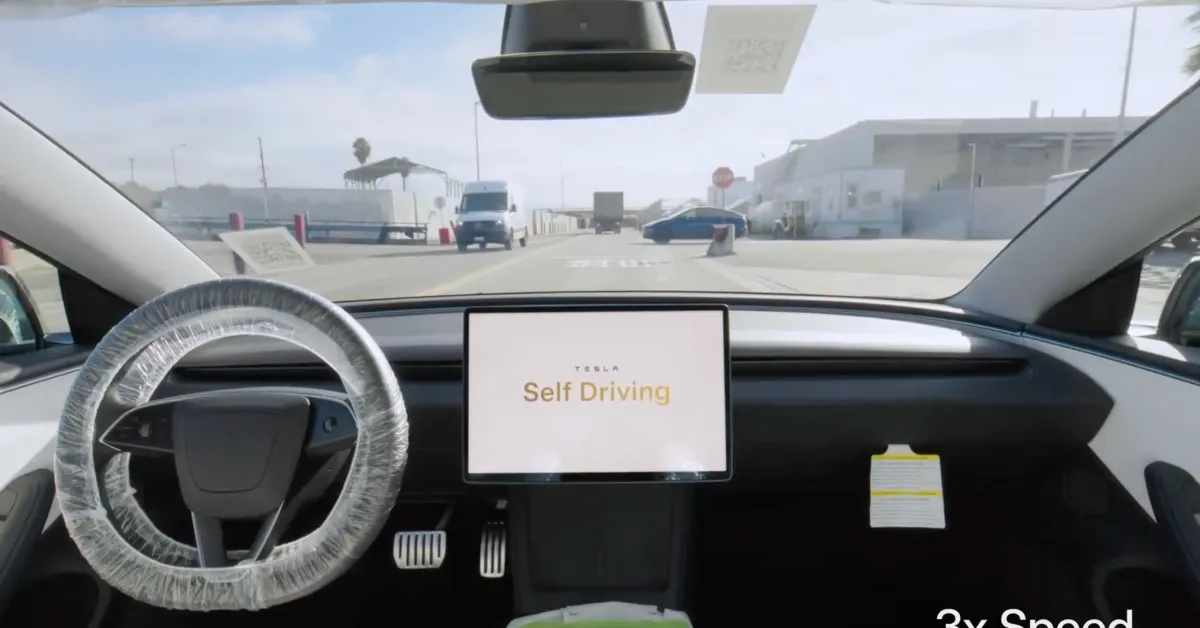
Check your Tesla app for the latest FSD Beta update and share your experiences in the comments to join the community tracking this revolution. (source)
Frequently Asked Questions
What’s the single biggest change in the Tesla FSD Beta Next Gen?
The biggest change is the architectural shift from a lane-centric planning model to a holistic, agent-based model. The car now interprets the entire driving scene—vehicles, pedestrians, road geometry—as a dynamic interaction of independent agents, leading to more natural and confident driving, especially in complex, unstructured environments.
How do the new FSD Profiles (Chill, Standard, etc.) actually work?
FSD Profiles adjust multiple parameters of the driving policy. “Chill” will increase following distances, reduce lane change frequency and speed, and make acceleration/braking gentler. “Mad Max” does the opposite, tightly following traffic, executing frequent lane changes to pass, and using higher acceleration. The system may also contextually soften a profile’s aggressiveness in bad weather or dense urban areas.
Does the AI sensor fusion upgrade mean Tesla is using new hardware?
Not necessarily. This upgrade is primarily a software and neural network breakthrough. It allows Tesla’s existing suite of cameras and sensors to be used far more efficiently. The “fusion” refers to the advanced method of combining and interpreting the data streams from these existing sensors, particularly the video feeds from multiple cameras, to create a more accurate and responsive world model.
When will FSD Beta be available outside the US and Canada?
Tesla’s official roadmap targets regulatory approval under UNECE regulations (which govern Europe and many other regions) by the first quarter of 2026. Rollout in specific countries will depend on successfully passing local regulatory hurdles and validation testing after that approval is secured.
My car has HW3. Will I miss out on future improvements?
Tesla has stated that HW3 will continue to receive significant updates, exemplified by the planned “FSD V14-Lite” for mid-2026. While this version may not match the responsiveness or contain every feature of software running on newer hardware (like HW4), it is designed to bring core advancements like improved parking and UI upgrades to the existing HW3 fleet.