

“`html
Agentic AI in Business Operations: Transforming Customer Experience and Driving Growth
Estimated reading time: 10 minutes
Key Takeaways
- Agentic AI systems, powered by autonomous agents with reasoning and planning capabilities, are poised to revolutionize business operations.
- These agents can perform complex tasks with minimal human intervention, moving beyond traditional AI’s narrow focus.
- The impact on Customer Experience (CX) is profound, enabling hyper-personalization, proactive support, and 24/7 instant query resolution at scale.
- Beyond CX, agentic AI offers significant benefits in increased efficiency, enhanced decision-making, cost reduction, and fostering innovation across business functions.
- Strategic implementation requires a clear roadmap focusing on objectives, use cases, data readiness, ethics, change management, and platform selection.
Table of contents
- Agentic AI in Business Operations: Transforming Customer Experience and Driving Growth
- Key Takeaways
- Understanding Agentic AI in Depth
- The Transformative Impact of Agentic AI on Customer Experience (CX)
- Broader Benefits of AI Integration in Business Operations
- Strategic Agentic AI Implementation: A Roadmap
- Challenges and Future Outlook
- Frequently Asked Questions
The business landscape is evolving at an unprecedented pace, driven by relentless technological advancements. At the forefront of this transformation is Artificial Intelligence (AI), moving beyond predictive models and into the realm of proactive, autonomous action. The next frontier is **agentic AI in business operations**, a paradigm shift that promises to redefine how companies interact with customers, manage processes, and drive growth.
What exactly is agentic AI? At its core, it refers to AI systems equipped with autonomous agents capable of reasoning, planning, and executing tasks to achieve specific goals with minimal to no human intervention. These sophisticated systems often leverage Large Language Models (LLMs) as a foundational component, enabling them to understand context, strategize, and act in the real world. This blog post will delve into the significant **impact of agentic AI on CX**, explore the overarching **benefits of AI integration in business**, and provide a guide to **strategic agentic AI implementation**.
Understanding Agentic AI in Depth
Agentic AI moves beyond the capabilities of traditional AI by building systems around intelligent agents that operate autonomously. These agents are not merely executing pre-programmed commands; they are actively engaging with their environment, making decisions, and taking actions to fulfill their objectives.
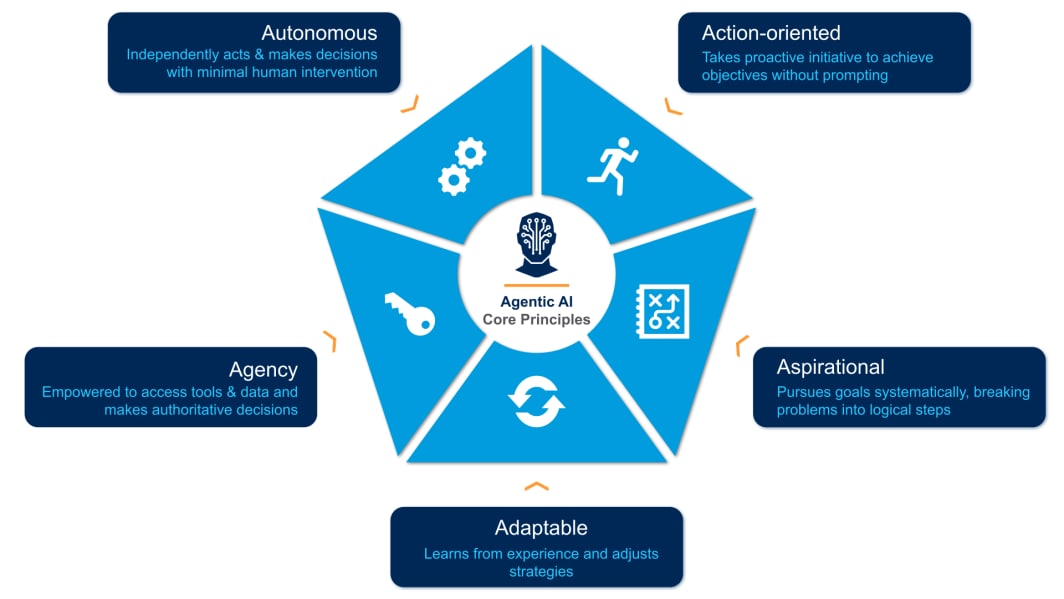
Several key characteristics define agentic AI:
- Autonomy: Agents can make context-aware decisions and take actions independently, without needing direct, step-by-step human guidance. For instance, an agent could dynamically reroute shipments based on real-time weather and traffic conditions, optimizing delivery times.
- Proactivity: Instead of waiting for instructions, these agents monitor data streams and initiate workflows or actions when they detect opportunities or potential issues. An example is an agent identifying a customer exhibiting signs of churn and automatically launching a personalized retention campaign.
- Learning and Adaptation: Agentic AI systems are designed to learn from their interactions and the outcomes of their actions. This continuous learning allows them to improve their performance and adapt to dynamic environments over time.
- Goal-Orientation: Agents are capable of understanding high-level business objectives and breaking them down into actionable sub-tasks. They can orchestrate multiple tools and systems to manage complex, multi-step workflows from initiation to completion.
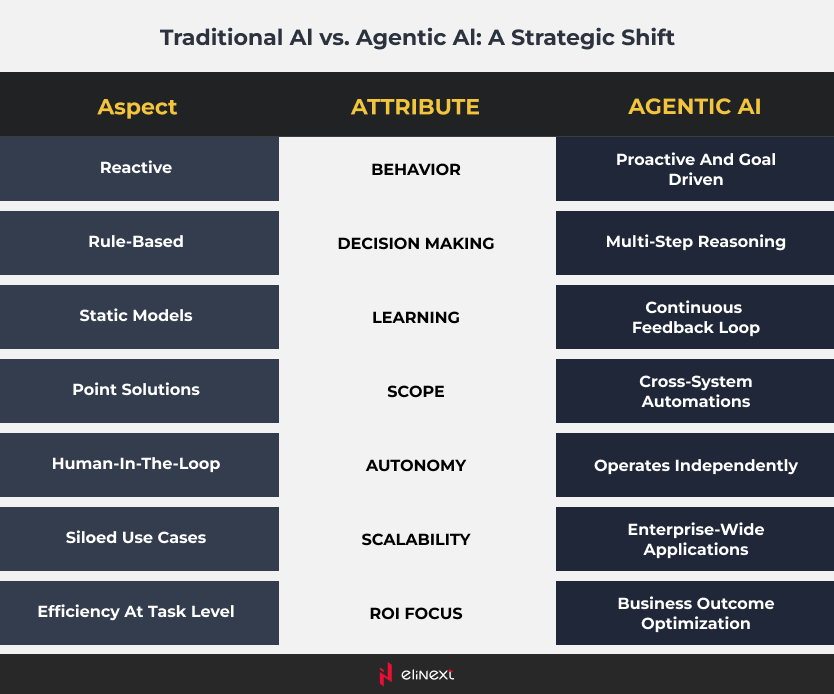
It is crucial to distinguish agentic AI from earlier forms of artificial intelligence. Traditional AI often relies on static, rule-based logic, narrow models for specific classification or prediction tasks, and is typically designed for single-step operations. In contrast, agentic AI is characterized by its capacity for sophisticated reasoning, strategic planning, and the ability to execute real-world actions through APIs and integrated systems. This allows for the orchestration of multiple tools to achieve complex, multifaceted outcomes. As noted by sources like Salesforce and Google Cloud, the shift is towards more dynamic and intelligent systems.
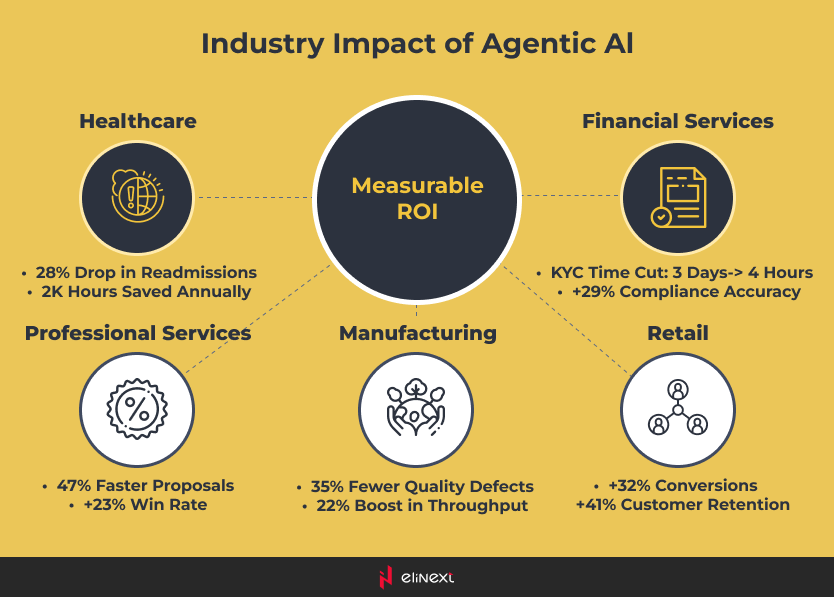
Sources such as UiPath, Workday, Salesforce, Google Cloud, and IBM highlight this evolution, emphasizing the move towards systems that can reason, plan, and act to achieve sophisticated business goals.
The Transformative Impact of Agentic AI on Customer Experience (CX)
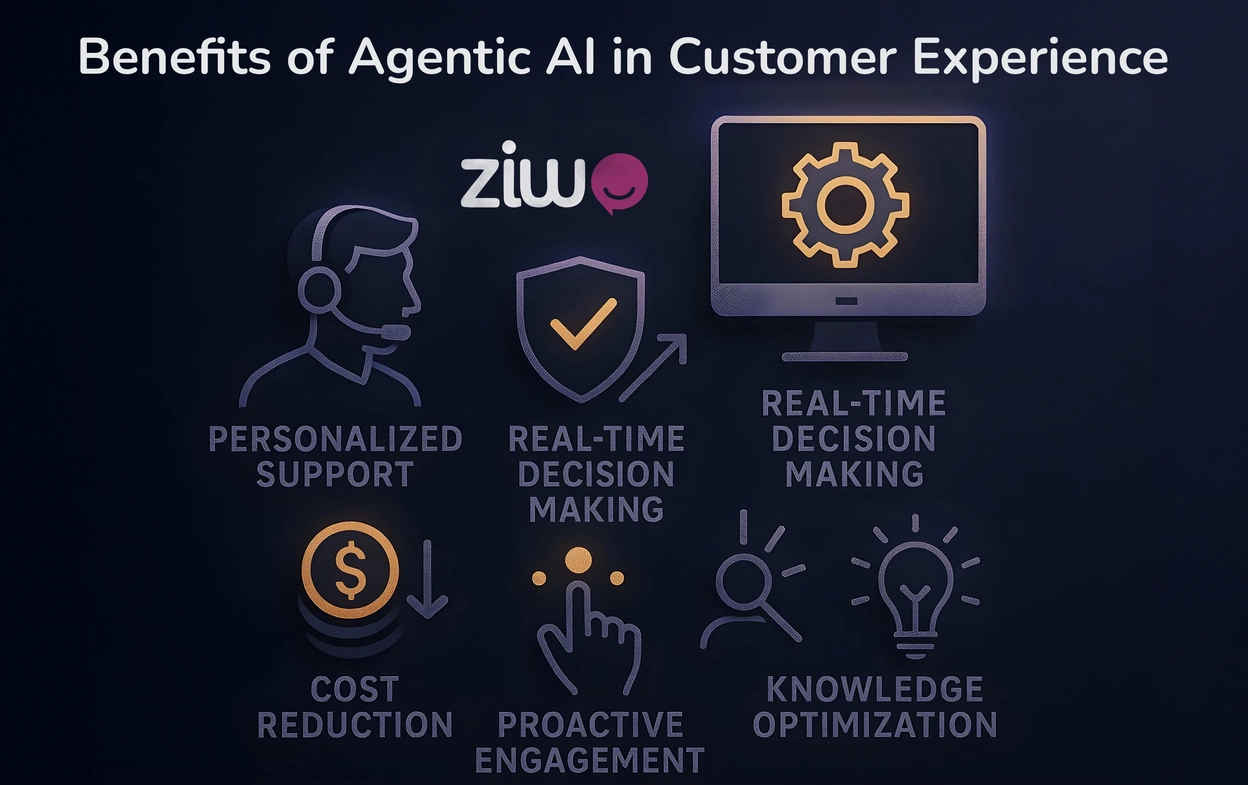
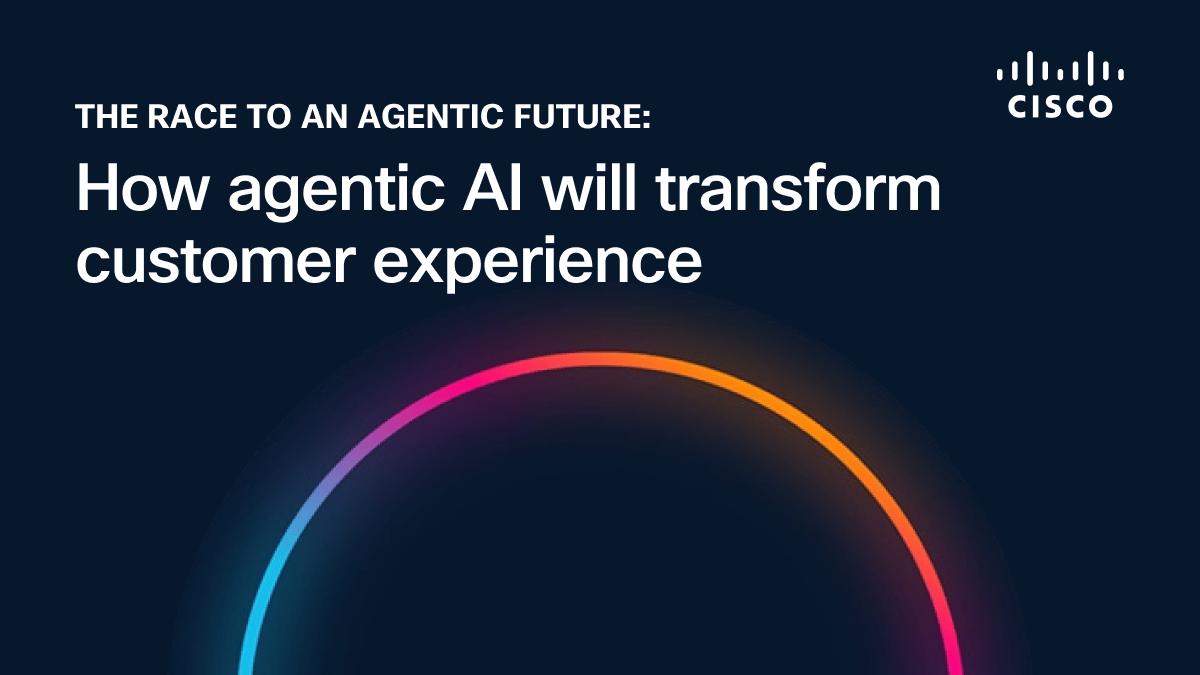
The most immediate and visible benefits of agentic AI are often seen in the transformation of customer experience (CX). Agentic capabilities unlock new levels of personalization, proactivity, and efficiency, fundamentally changing **how AI transforms customer experience**. This advancement signifies a major leap in the **impact of agentic AI on CX**.
The mechanisms through which agentic AI enhances CX are manifold:
- Hyper-Personalized Recommendations and Proactive Support: Agentic AI can analyze vast amounts of customer data, including behavior, purchase history, and expressed intent, to deliver highly tailored product recommendations, content, or issue resolutions in real-time. This level of personalization, as suggested by UiPath and Salesforce, makes interactions feel more relevant and valuable.
- 24/7 Instant Query Resolution: Advanced AI agents can handle a wide spectrum of customer inquiries across various channels, from simple FAQs to complex transactional issues. They can resolve these queries end-to-end, escalating only the most intricate problems to human agents, ensuring consistent availability and immediate responses. This capability is a key differentiator, as highlighted by UiPath and Salesforce.
- Anticipating Customer Needs: By continuously monitoring customer signals—such as usage patterns, support ticket history, website interactions, or sentiment analysis—agentic AI can predict potential needs or issues before they arise. This might include predicting customer churn, identifying an upcoming need for a product upgrade, or anticipating a service issue. The agent can then act preemptively, offering solutions or support, as demonstrated by insights from UiPath, Salesforce, and BCG.
- Augmenting Human Agents: Agentic AI can serve as a powerful assistant to human customer service representatives. By providing instant access to relevant customer context, suggesting optimal responses, and automating follow-up actions, AI agents can significantly enhance the efficiency and effectiveness of human agents. This allows human professionals to focus on tasks requiring empathy, complex problem-solving, and building deeper customer relationships, as supported by research from UiPath, Salesforce, and BCG.

Industry-specific examples illustrate the tangible **impact of agentic AI on CX**:
- Retail/E-commerce: Agentic AI drives dynamic personalization of offers and content, optimizes real-time inventory management, and streamlines last-mile delivery coordination. This is supported by examples from Workday and Salesforce.
- Financial Services: Agents can proactively detect anomalies, automate fraud checks with greater accuracy, and notify customers about suspicious activity or personalized opportunities, as seen in contributions from BDO, IBM, and Exabeam.
- Telecommunications/Subscriptions: Agentic AI excels at predicting customer churn and triggering personalized retention campaigns, as well as automating service plan adjustments and upgrades, as discussed by Salesforce and BCG.
- Travel/Logistics: Proactive rebooking of flights or hotel accommodations due to delays, real-time itinerary updates, and automated passenger notifications are enabled by agentic systems, with contributions from Workday and Google Cloud.

In essence, the core **impact of agentic AI on CX** is the delivery of faster, more personalized, seamless, and consistently high-quality service that anticipates and meets customer needs effectively.
Broader Benefits of AI Integration in Business Operations
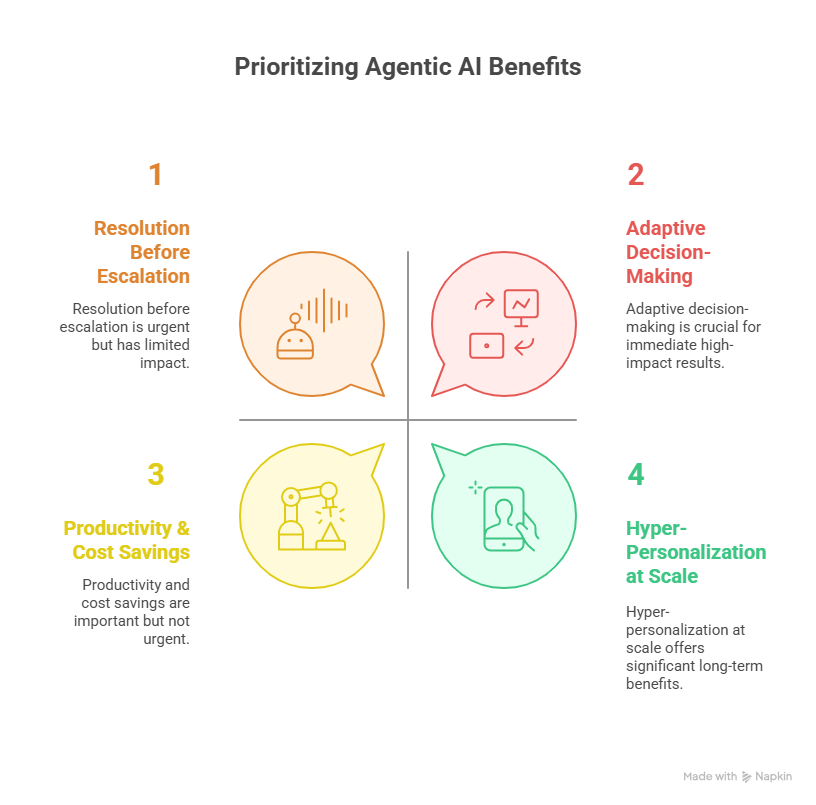
While the enhancements to CX are significant, the **benefits of AI integration in business** extend far beyond customer interactions. Agentic AI can fundamentally reshape core operations, driving efficiency, improving decision-making, and fostering innovation.
The key benefits include:
- Increased Efficiency and Automation: Agentic AI can automate complex, decision-intensive workflows that go beyond simple, repetitive tasks. Think of end-to-end order management, sophisticated invoice processing, or automated compliance checks. This level of automation drastically reduces manual errors and speeds up business processes, as highlighted by UiPath, Salesforce, and BDO.
- Enhanced Data-Driven Decision-Making: By analyzing real-time data across disparate systems, agentic AI can monitor key performance indicators (KPIs), detect emerging trends, run complex simulations, and even recommend or execute optimal actions. This leads to more timely, accurate, and evidence-based decisions, as explored in resources from Workday, BDO, and BCG.
- Cost Reduction and Resource Optimization: Through intelligent automation, agentic AI reduces the need for manual labor in complex tasks, minimizes costly errors, and optimizes the utilization of resources like inventory, logistics, and personnel. These savings compound over time, leading to significant cost efficiencies, as noted by UiPath, Workday, Google Cloud, and BCG.
- Fostering Innovation and New Business Models: Agentic AI can enable the creation of entirely new digital services and business models. Its ability to rapidly configure, scale, and manage complex workflows also allows for faster experimentation with new strategies and processes, driving continuous innovation. This is a key theme in discussions on tech innovation trends and leveraging AI for growth from sources like Salesforce, Google Cloud, and BCG.
- Improved Employee Productivity and Job Satisfaction: By automating mundane, repetitive, or cognitively demanding tasks, agentic AI frees up human employees to focus on more strategic, creative, and engaging work. Better access to insights and reduced cognitive load can significantly boost productivity and improve overall job satisfaction, as supported by research from UiPath, Salesforce, BDO, and BCG.
The comprehensive **benefits of AI integration in business** demonstrate that agentic AI is not just a tool for efficiency but a strategic enabler for growth and transformation.
Strategic Agentic AI Implementation: A Roadmap
Successfully integrating agentic AI into business operations requires a deliberate and **strategic agentic AI implementation**. A haphazard approach risks underutilization, unexpected costs, and failure to achieve desired outcomes. A well-defined roadmap is essential.
Key steps for successful implementation include:
- Define Clear Business Objectives: Begin by articulating precisely what you aim to achieve. This means linking AI initiatives to measurable business outcomes, such as improving customer retention by X%, reducing order processing time by Y%, or increasing sales conversion rates by Z%. Strategic alignment, as emphasized by BDO and BCG, is paramount.
- Identify Suitable Use Cases: Target processes that are complex, decision-intensive, data-rich, and span multiple departments or systems. Look for bottlenecks, areas with high error rates, or opportunities where intelligent automation can create significant value. Resources from UiPath, BDO, and Google Cloud provide guidance on this.
- Ensure Data Readiness and Management: Agentic AI thrives on data. Ensure your systems are integrated, data is clean, accessible, and governed effectively. Secure connections to necessary tools and APIs are also critical. Best practices in data governance and data infrastructure from UiPath, Workday, Google Cloud, and IBM are essential.
- Address Ethical Considerations and Responsible AI: Establish robust governance frameworks, define clear lines of accountability, and determine appropriate levels of human oversight (“in the loop”). Continuously monitor for bias, ensure transparency, and implement comprehensive logging and auditing mechanisms. This is a crucial aspect discussed by UiPath, BDO, IBM, and BCG.
- Plan Change Management and Employee Training: Communicate openly about how AI will augment, not replace, human roles. Provide comprehensive training to employees on how to work alongside and leverage AI agents. Update operating models to reflect new workflows and responsibilities. Effective change management and upskilling initiatives are vital, as highlighted by BDO and BCG.
- Choose the Right AI Platforms and Partners: Select AI platforms that natively support agentic architectures, offer seamless integration with your existing technology stack, and provide strong governance and security features. Partnering with knowledgeable vendors and consultants can accelerate adoption and mitigate risks, drawing on insights from UiPath, Workday, Salesforce, Google Cloud, BDO, and BCG.

Challenges and Future Outlook
While the potential of agentic AI is immense, its implementation is not without challenges:
- Integration Complexity: Connecting disparate legacy systems and modern cloud platforms to enable seamless agentic workflows can be technically demanding. (Sources: UiPath, Workday, BDO)
- Skill Gaps: Organizations may lack the internal expertise required to design, implement, and manage complex agentic AI systems. (Sources: BDO, IBM, BCG)
- Security and Compliance: Ensuring the security of autonomous agents and maintaining compliance with evolving data privacy regulations is a critical concern. (Sources: BDO, IBM, Exabeam)
- Change Resistance: Overcoming employee apprehension and organizational inertia towards adopting new AI-driven processes is a significant hurdle. (Sources: BDO, BCG)
Looking ahead, the future of agentic AI is bright and dynamic:
- Expect more sophisticated multi-agent ecosystems where AI agents collaborate to solve even more complex problems. (Sources: UiPath, Workday, Salesforce, Google Cloud)
- Agentic AI will become more tightly integrated with core enterprise platforms, embedding intelligence across all business functions. (Sources: Google Cloud, BCG)
- The relationship between humans and AI will evolve towards enhanced human-AI collaboration, where agents act as indispensable co-workers. (Sources: UiPath, Salesforce, BCG)
- We will see the maturation of governance and regulatory frameworks, providing clearer guidelines for responsible AI deployment. (Sources: BDO, IBM)
Frequently Asked Questions
Q: What is the primary difference between agentic AI and traditional AI?
A: Traditional AI typically performs narrow, predefined tasks. Agentic AI, on the other hand, involves autonomous agents that can reason, plan, and execute complex, multi-step workflows with minimal human oversight to achieve specific goals.
Q: How does agentic AI improve customer experience?
A: Agentic AI enhances CX through hyper-personalization, proactive support, 24/7 instant query resolution, and by augmenting human agents, leading to faster, more relevant, and seamless customer interactions.
Q: Is agentic AI expensive to implement?
A: While there is an investment, the significant cost reductions through automation, error minimization, and resource optimization often lead to a strong return on investment over time. The key is strategic implementation focused on high-value use cases.
Q: How can businesses start their agentic AI journey?
A: Businesses should start by defining clear objectives, identifying suitable use cases, ensuring data readiness, prioritizing ethical considerations, planning for change management, and selecting appropriate technology platforms.
Q: What are the potential risks of implementing agentic AI?
A: Risks include integration challenges, skill gaps, security and compliance concerns, and resistance to change. Addressing these proactively through strategic planning and robust governance is crucial.
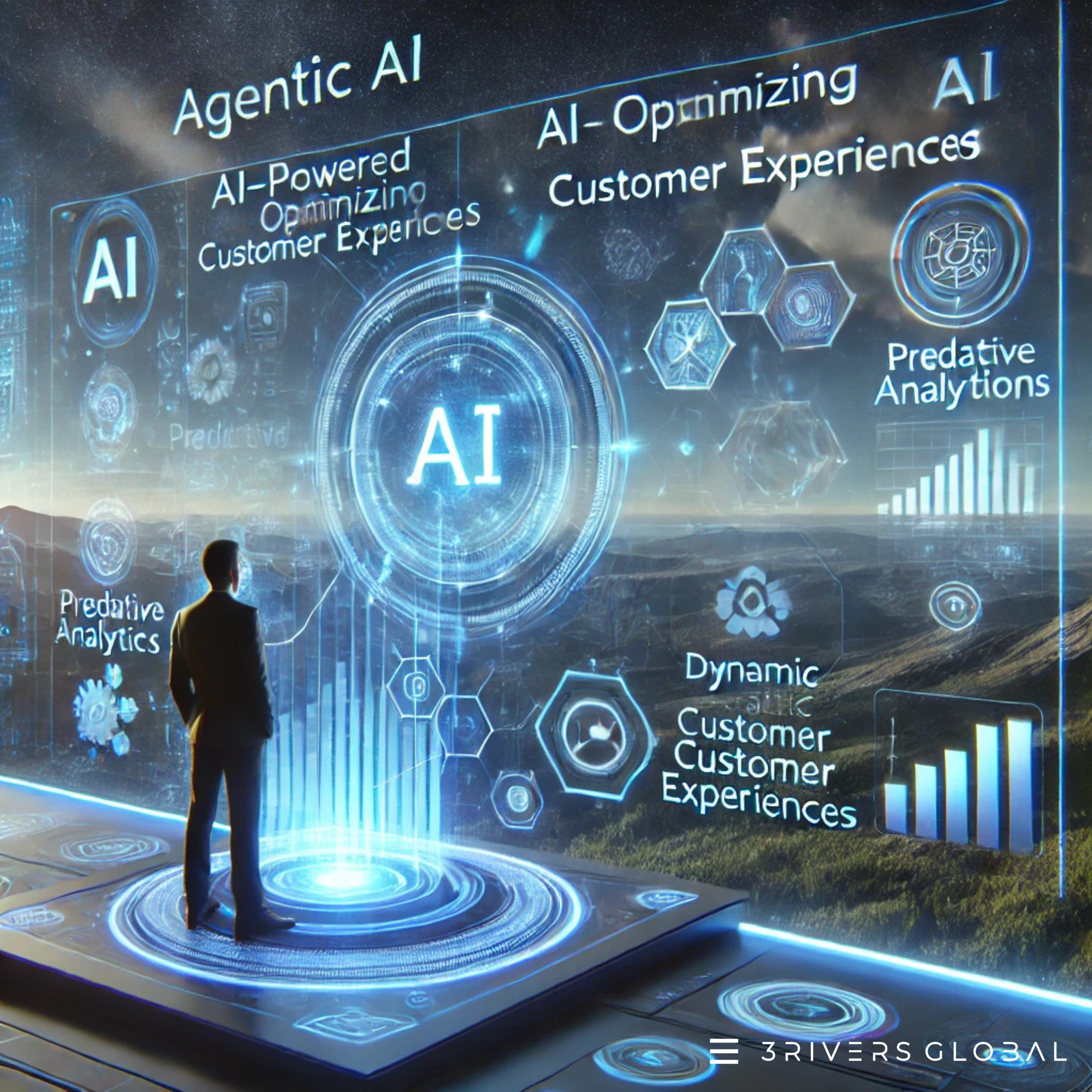
The journey into **agentic AI in business operations** marks a pivotal moment for businesses aiming to excel in today’s competitive environment. By understanding its core capabilities, embracing the profound **impact of agentic AI on CX**, and leveraging the broad **benefits of AI integration in business**, organizations can unlock new levels of operational excellence and drive sustainable growth. Embarking on **strategic agentic AI implementation** is no longer optional but a necessity for those looking to understand **how AI transforms customer experience** and to stay ahead of the curve.




“`