

AI Code Security Scanners: Automating Vulnerability Detection in the Age of AI
Estimated reading time: 10 minutes
Key Takeaways
- AI code security scanners use machine learning and NLP to automate vulnerability detection beyond traditional rules.
- They enable shift-left security by integrating into IDEs and CI/CD pipelines, catching flaws early.
- AI reduces false positives through context-aware analysis and provides remediation guidance.
- These tools scale with high-velocity development, handling AI-generated code and IaC seamlessly.
- Integration fosters DevSecOps, promoting shared security responsibility and compliance automation.
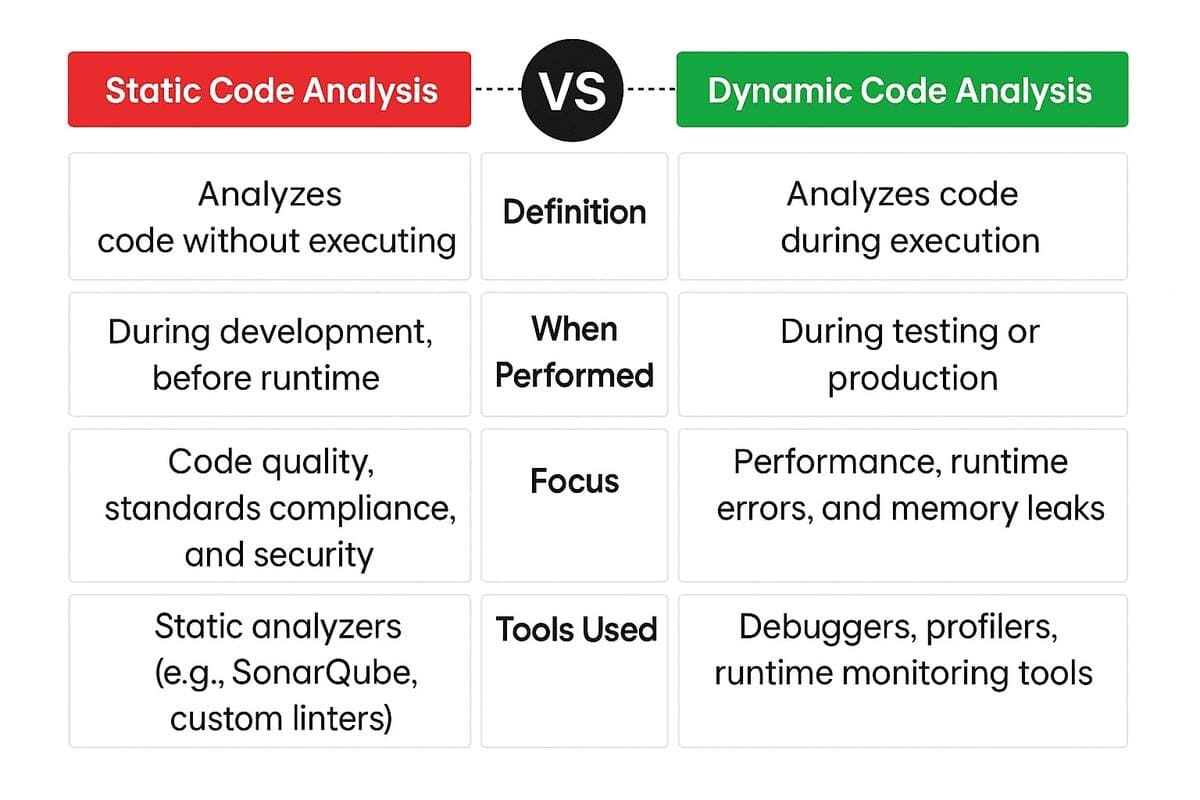
Table of contents
- AI Code Security Scanners: Automating Vulnerability Detection in the Age of AI
- Key Takeaways
- The Challenge of Modern Development Velocity
- How AI-Powered Scanners Actually Work
- AI vs. Traditional Security Tools: A New Paradigm
- Key Benefits for Developers and DevOps Teams
- Integrating AI Security Tools into DevOps
- Practical Considerations and Getting Started
- Embracing AI for Secure Development
- Frequently Asked Questions
The Challenge of Modern Development Velocity
In today’s rapid development cycles, where code is generated and deployed at breakneck speed—often with AI assistance—manual code reviews and traditional security tools are struggling to keep pace. AI code analysis and automated code scanning have become essential, but they often fall short against the volume and complexity of modern codebases. This is where ai code security scanners come in: intelligent tools that use artificial intelligence—such as machine learning (ML), natural language processing (NLP), and pattern recognition—to automate vulnerability detection, identifying anomalies, semantic issues, and context-aware risks beyond simple rules. As Wiz explains, and supported by Mend, these scanners are designed to match the velocity of AI-driven development.
This post will explain how ai code security scanners work, their benefits, and how to integrate them for developers and DevOps teams seeking security automation. We’ll delve into the role of secure code ai analysis in real-time scanning, offering an engaging look at security automation for the modern developer.
How AI-Powered Scanners Actually Work
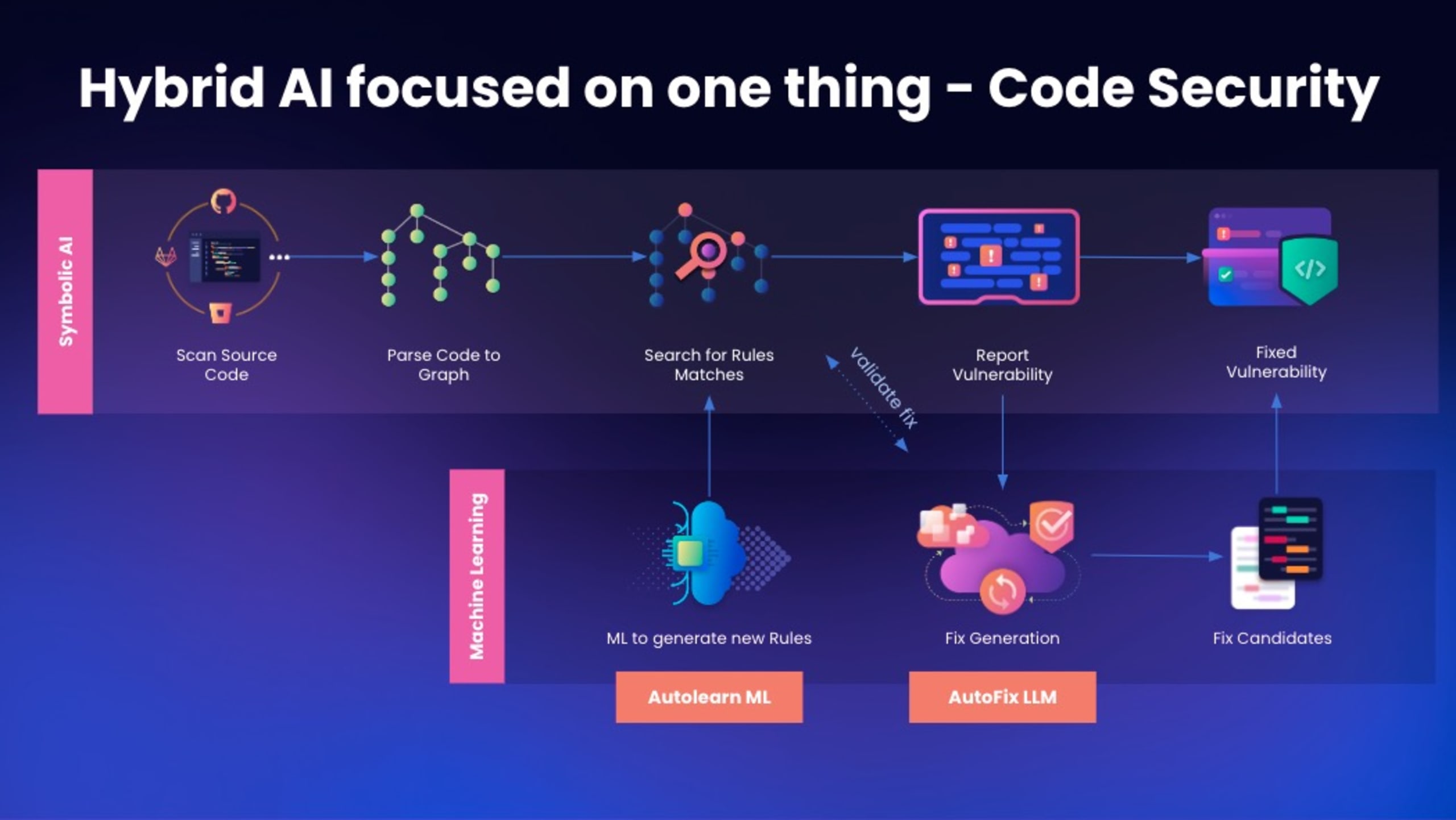
At their core, ai code security scanners rely on automated vulnerability detection through ML algorithms trained on vast datasets of code to recognize patterns of known vulnerabilities. Combined with NLP for understanding code semantics and anomaly detection for spotting deviations from secure norms, these tools provide a deep analysis. GitLab’s agentic AI analysis highlights this approach.

The secure code ai analysis process involves continuous scanning that analyzes code in real-time as it’s written, flagging issues like logic flaws, anti-patterns, or AI-generated insecurities with contextual explanations and predictive threat forecasting. Endor Labs emphasizes how AI can review code with the context of a security expert, providing actionable insights, while Wiz underscores the importance of real-time risk identification.
AI vs. Traditional Security Tools: A New Paradigm
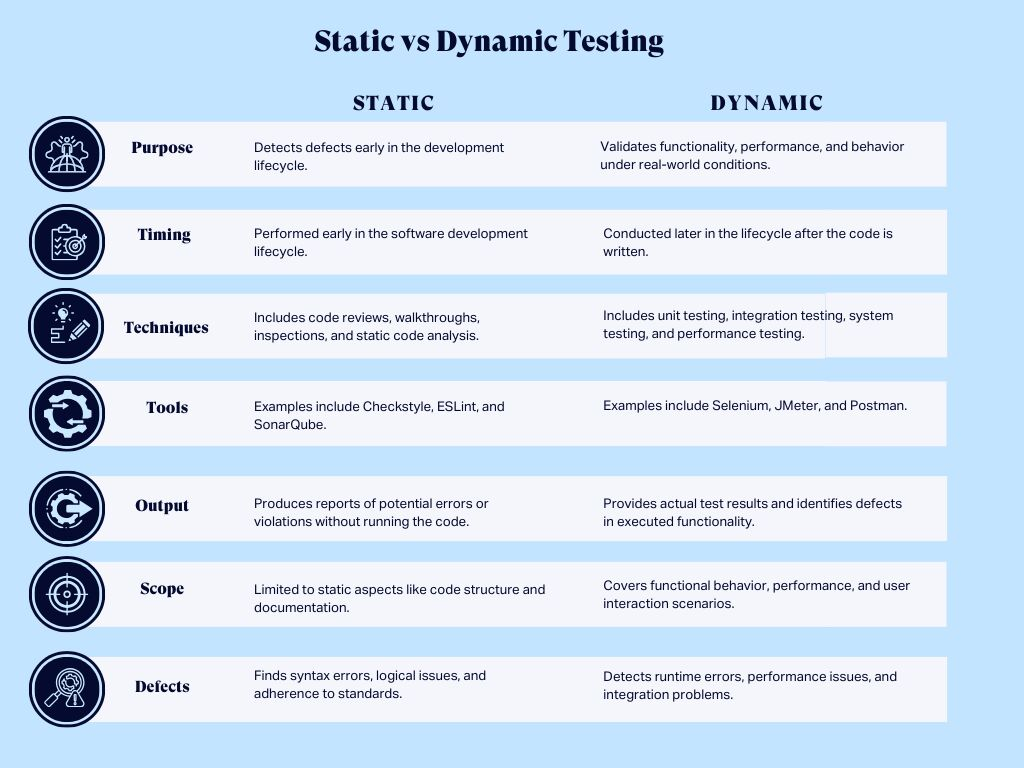
Traditional tools like SAST (Static Application Security Testing) use rule-based static analysis for syntax flaws, while DAST (Dynamic Application Security Testing) simulates runtime attacks without code access. AI scanners provide deeper context, reduce false positives through learning, and handle complex scenarios like AI-generated code or Infrastructure as Code (IaC). SonarSource and Mend discuss the evolution towards AI-enhanced scanning.

Emerging approaches like LLM-supported SAST (LSAST) integrate local models with static results and recent vulnerability data for higher accuracy on emerging threats. Cycode and Mend explore these advancements, reinforcing how ai code security scanners and automated vulnerability detection are transforming security.
Key Benefits for Developers and DevOps Teams
Shift-Left Security: Integrating ai code security scanners into IDEs, commit hooks, and pull requests detects flaws early when fixes are cheapest, scanning both human and AI-generated code before pipelines. SonarSource, Wiz, and Checkmarx advocate for this proactive stance. This is part of a broader movement where AI is transforming businesses by embedding intelligence into core operations.
Reduced False Positives: Context-aware AI distinguishes real risks from noise, unlike rigid rule-based systems, with features like prioritization engines and remediation guidance. Wiz, Mend, and Cycode highlight this benefit.
Scalability and Speed: These tools handle high-velocity CI/CD with real-time monitoring, incremental scans, and instant alerts, scaling across languages, frameworks, and dependencies without slowing builds. GitLab, Mend, and Apiiro discuss scalability.
Knowledge Augmentation: ai code security scanners act as an expert companion, categorizing PR impacts, suggesting fixes, and aiding juniors via summaries and rationale. Endor Labs and Checkmarx emphasize this. Together, automated vulnerability detection and secure code ai analysis empower teams.
Integrating AI Security Tools into DevOps
ai code security scanners are essential devops ai tools that embed seamlessly in CI/CD pipelines at commit hooks for instant feedback, PR reviews for architecture checks, and builds for IaC/secrets validation. Wiz, Endor Labs, Cycode, and Apiiro provide insights on integration.
Fostering DevSecOps involves promoting shared security responsibility, such as policy guardrails blocking insecure AI output, mapping code risks to runtime cloud exposure, and automating compliance workflows. Tools like GitLab, Sonar, and Mend offer IDE/CI integrations for end-to-end coverage. Wiz, Apiiro, GitLab, SonarSource, and Mend are key references. This evolution is part of a wider breakthrough in AI cyber defense that is reshaping how organizations protect their digital assets.
Here’s a breakdown of key integration points:
| Integration Point | AI Scanner Role | Example Impact |
|---|---|---|
| IDE/Commit Hooks | Real-time scanning of generated code | Catches 45% flaw rate in AI code early (cite) |
| Pull Requests | Agentic review (developer/architect views) | Prioritizes changes by security domain (cite) |
| Build Pipelines | IaC, SCA, secrets detection | Enforces policies, prevents prod exposure (cite) and Cycode |
.png "The Ultimate Guide to AI Code Security Scanners: Revolutionizing Secure Code Analysis 7")
This reinforces the role of devops ai tools and secure code ai analysis in modern pipelines.
Practical Considerations and Getting Started
When evaluating ai code security scanners, consider ML depth (e.g., LSAST vs. basic), false positive rates, IDE/CI integrations, support for AI-generated code/IaC, and offline/privacy options. Wiz, Mend, Cycode, and Checkmarx offer guidance. Any robust security program should also consider foundational best practices for protecting personal data online.
Limitations: AI scanners may have gaps in novel threats (so use multiple tools), risk over-reliance without human review, and maturity for edge cases—AI augments, not replaces, expertise. Wiz and Veracode discuss these points.

Piloting Steps:
- Select 1-2 tools (e.g., Mend SAST for speed, Endor for PR agents) matching your stack. Mend and Endor Labs are examples.
- Integrate into a non-prod pipeline for IDE/PR scans on sample repos.
- Measure metrics: detection rate, fix time, false positives; iterate with team feedback.
- Scale with custom rules for AI patterns and runtime mapping. Wiz and Apiiro provide insights for scaling.
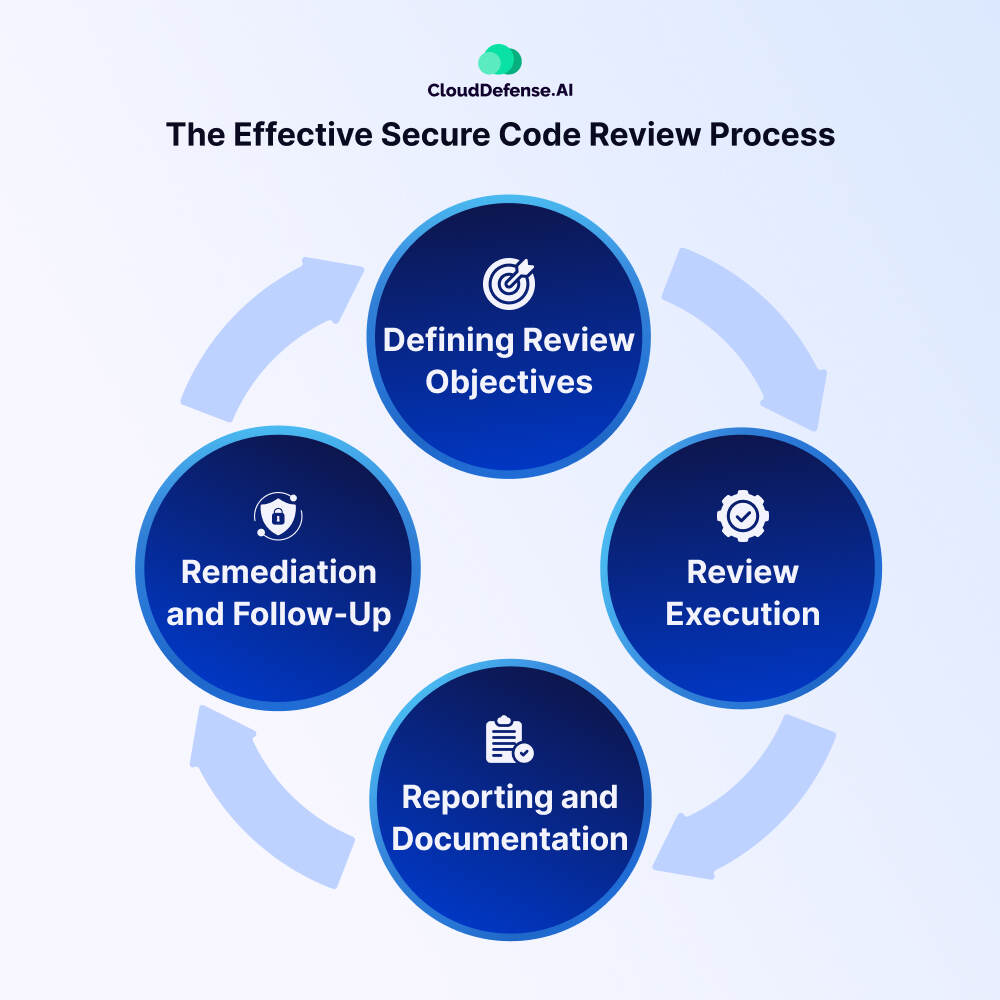
This process leverages automated vulnerability detection and devops ai tools effectively.
Embracing AI for Secure Development
ai code security scanners transform development by embedding proactive security, enabling teams to harness AI productivity while minimizing risks like those in 45% of generated code. GitLab and Veracode highlight these risks and solutions. These tools are enablers for developers, not replacements, fostering a culture of security.
We encourage you to pilot an ai code security scanner today to build security into your workflows and stay ahead in secure coding. Adopting these tools is a strategic step, much like implementing a forward-thinking agentic AI governance framework, to ensure responsible and effective use of intelligent systems. Furthermore, as these scanners become integral to device security, they complement broader initiatives on how to secure your smartphone in an increasingly connected world.
Frequently Asked Questions
What are AI code security scanners?
AI code security scanners are intelligent tools that use artificial intelligence, such as machine learning and natural language processing, to automate the detection of vulnerabilities in code. They go beyond traditional rule-based systems to identify semantic issues and context-aware risks.
How do AI scanners reduce false positives?
By using context-aware analysis and learning from vast code datasets, AI scanners can distinguish between real security threats and benign code patterns, reducing the noise that often plagues traditional tools.
Can AI scanners handle AI-generated code?
Yes, modern AI scanners are designed to analyze AI-generated code, identifying insecurities specific to machine-generated content, such as logic flaws or anti-patterns that might be overlooked by humans.
How do I integrate an AI scanner into my DevOps pipeline?
Start by selecting a tool that supports your stack, then integrate it into IDE commit hooks, pull request reviews, and CI/CD build stages. Many tools offer plugins and APIs for seamless integration.
Are AI scanners a replacement for human code review?
No, AI scanners augment human expertise by automating routine checks and providing insights, but they should be used alongside human review to catch novel threats and ensure comprehensive security.