
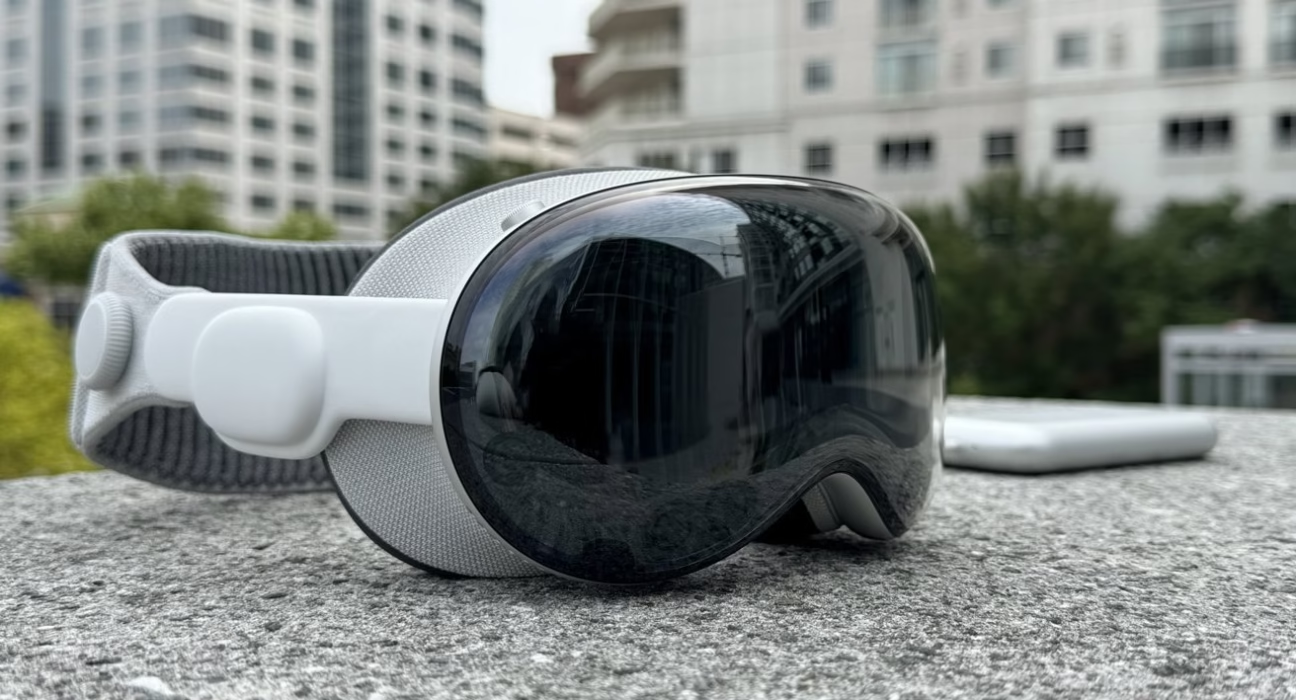
Apple Vision Pro M5 Flop 2026: The Rise and Fall of Apple’s Premium VR Dream
Estimated reading time: 9 minutes
Key Takeaways
- The M5 refresh of the Apple Vision Pro failed to revive consumer interest, cementing the apple vision pro m5 flop 2026 narrative.
- Reports indicate apple gave up on vision pro as the team was redistributed and development on successors stopped.
- The cheaper apple vision air canceled project signals a retreat from the premium VR market.
- Sales remain dismal, with the apple vision pro sales failure limiting total units to around 600,000 since launch.
- For consumers, the apple vr headset dead 2026 verdict suggests Apple is pivoting away from headsets toward smart glasses.
Table of Contents
- Apple Vision Pro M5 Flop 2026: The Rise and Fall of Apple’s Premium VR Dream
- Key Takeaways
- The Original Launch: A Promising Start Turned Sour
- The M5 Refresh: Why It Flopped
- Signs Apple Gave Up on Vision Pro
- The Canceled Vision Air Project
- Sales Failure Data and Comparisons
- Is the Apple VR Headset Dead in 2026?
- Frequently Asked Questions
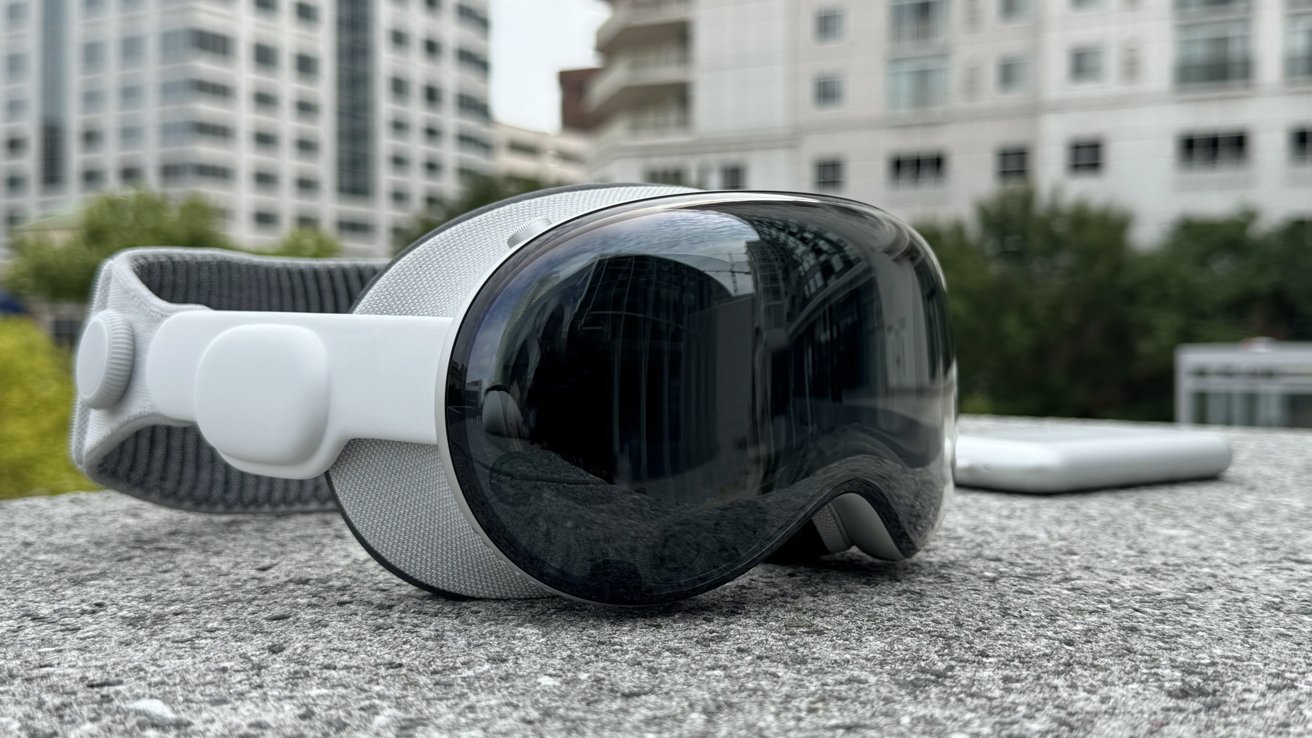
In 2026, the apple vision pro m5 flop 2026 has become the talk of the tech world, as Apple’s high-stakes refresh of its spatial computing headset failed to turn the tide despite promises of better performance. Despite the October 2025 update with the M5 chip, rumors swirl that apple gave up on the Vision Pro, with projects like the cheaper Vision Air canceled and sales plummeting, raising the question: is the apple vr headset dead 2026 now reality? Users searching for why Apple’s Vision Pro strategy is failing want to know—is the entire line being abandoned, or is there hope left? The M5 refresh brought a faster M5 chip, 120Hz refresh rate, 10% more rendered pixels, 30 additional minutes of battery life, and a more comfortable Dual Knit Band, but the price remained unchanged at $3,499 according to MacRumors and Tom’s Hardware.
The Original Launch: A Promising Start Turned Sour
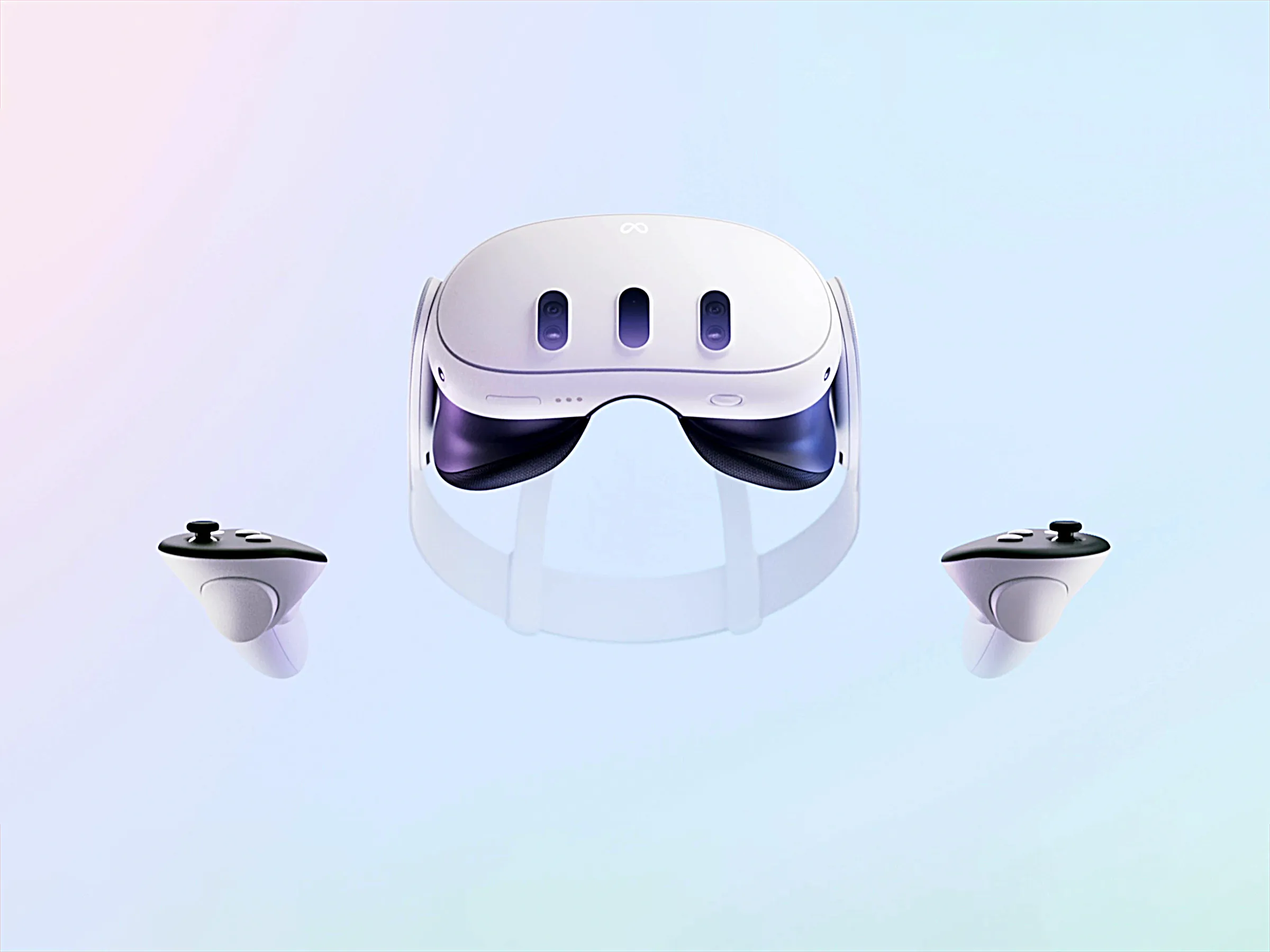
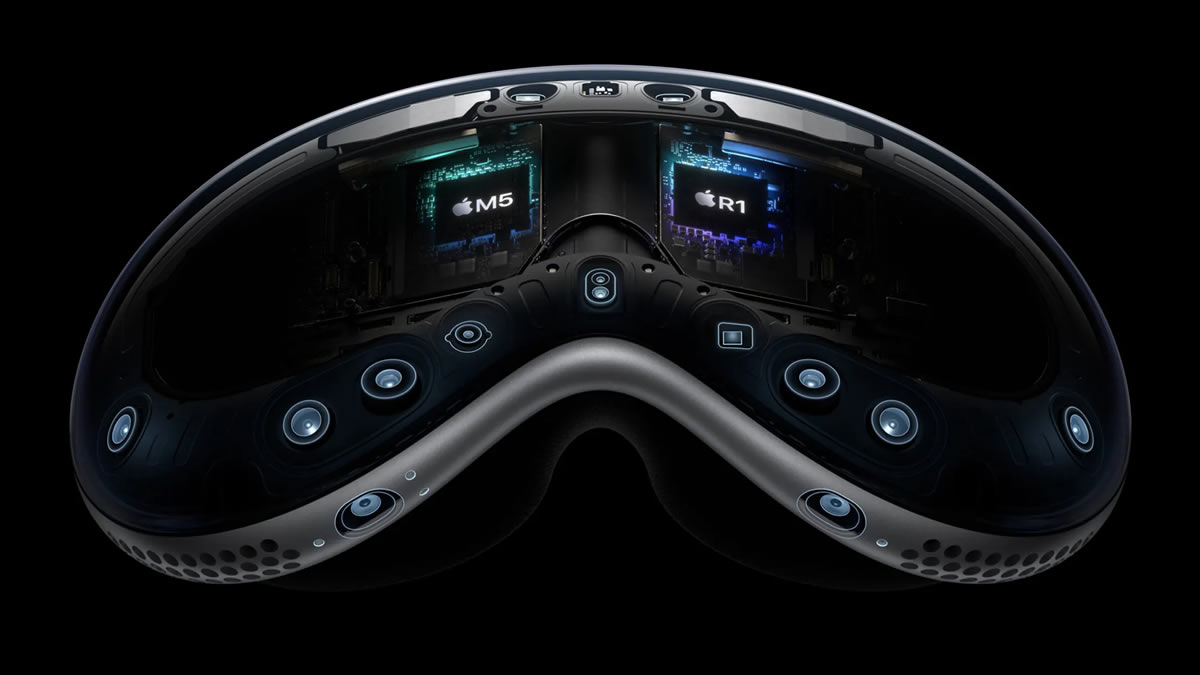
The Vision Pro debuted on February 2, 2024, with an M2 chip, weighing 1.3 pounds (about 600 grams), priced at $3,499. It immediately faced criticism for weight causing discomfort during extended wear, an external battery pack that was cumbersome, and a lack of compelling “killer apps” to justify the cost. To understand the broader landscape of headsets at the time, you can read our analysis of the Meta Quest 3: Introducing a Game-Changing VR Experience. Apple expected the Vision Pro to be a hit, similar to the iPhone with hundreds of millions sold yearly, but total units sold since launch only amount to around 600,000, with high return rates unusual for Apple products.
The apple vision pro sales failure was evident early on. Despite the hype, the device failed to capture a mainstream audience. Key issues included the steep price, the weight causing physical discomfort during long sessions, and a limited app ecosystem that couldn’t compete with more affordable alternatives from Meta and HTC. Sales figures of approximately 600,000 units are supported by reports from Tom’s Hardware, while the weight and price factors are detailed in the same source and MacRumors.
The M5 Refresh: Why It Flopped
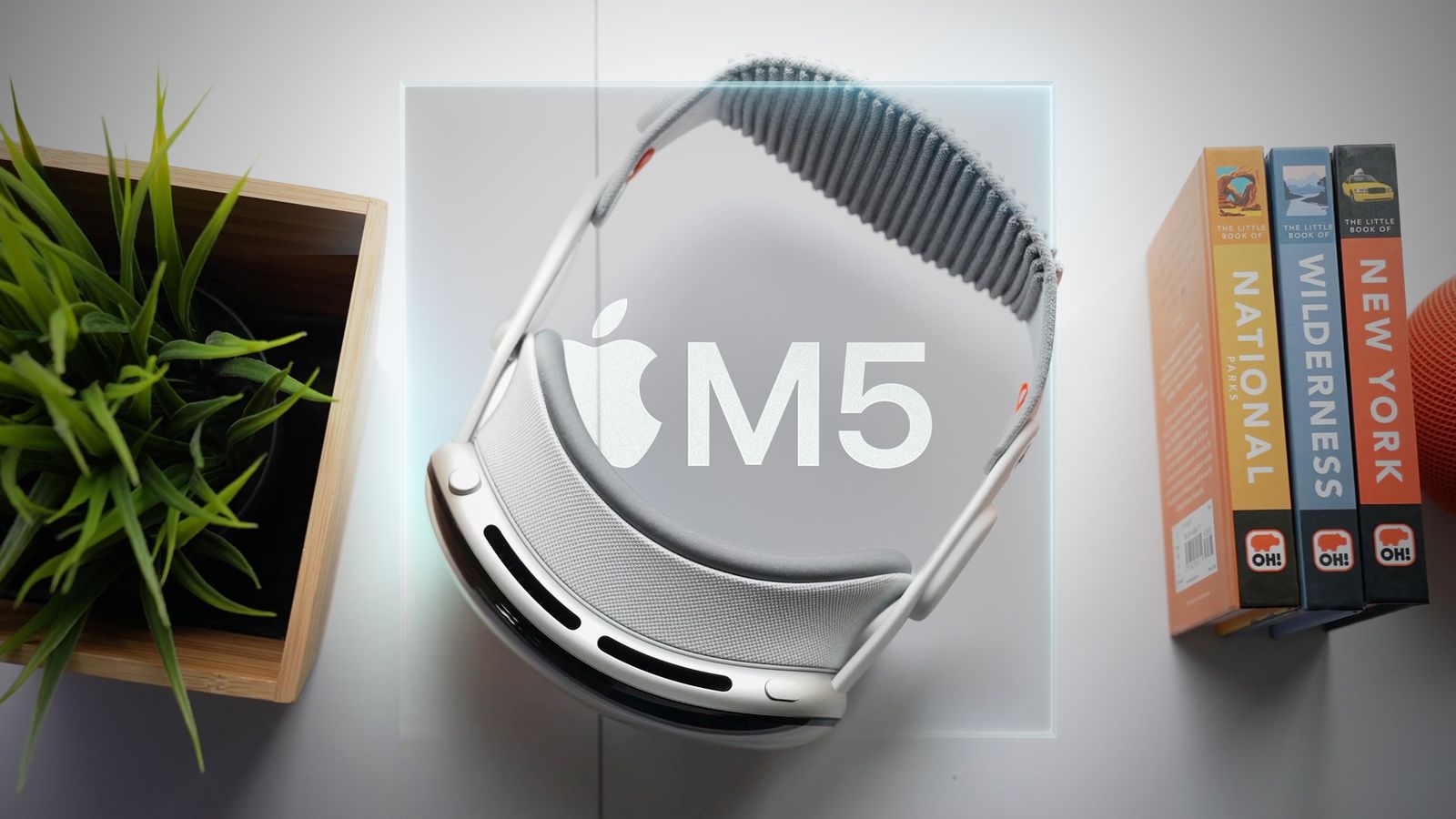
The October 2025 update replaced the M2 chip with the faster M5, adding a 120Hz refresh rate, 10% more rendered pixels, approximately 30 extra minutes of battery life, and a new, more comfortable Dual Knit Band. However, there were no other hardware changes—no weight reduction, no price cut, and no resolution of the external battery pack issues. Production was shifted to Vietnam after Luxshare halted in early 2025. Despite these efforts, the M5 model sales were even worse than the original, failing to revitalize interest.
The apple vision pro m5 flop 2026 is defined by consumers’ lack of interest due to persistent issues—no price drop, same weight and battery woes, and no killer app. The $3,499 price tag remained a huge barrier. For more context on why Apple Intelligence struggles to create a “killer app,” see our analysis of A Comprehensive Preview of Apple Intelligence in iOS 18: AI. The M5 update felt like a minor iteration rather than a major overhaul, failing to address core complaints. Details of the M5 refresh and the confirmation of the flop are from MacRumors, Tom’s Hardware, and Stuff.tv, with unchanged hardware and consumer disinterest emphasized.
The apple vision pro sales failure continued to mount. Despite the improved processing power and slightly longer battery life, consumers saw no reason to upgrade or buy into the ecosystem at such a high cost. The device remained a niche product, appealing primarily to developers and early adopters willing to spend heavily on new technology.

Signs Apple Gave Up on Vision Pro
Several indicators point toward apple gave up on vision pro. The Vision Pro team was redistributed to other projects, with chief Mike Rockwell leading Siri efforts since March 2025. Work on the Vision Pro itself stopped, with no new models in development. Production was wound down, and marketing efforts were reduced. Apple continues to sell the M5 model but has no successor in the pipeline. However, counterpoints exist: Apple hasn’t formally discontinued the device, some hiring in the vision production group continues, and the M5 release may have been aligned with phasing out M2 production rather than a big push. An enterprise focus also props up some sales, though the consumer market has largely been abandoned.
For a deeper look at what kind of AI projects the team might be shifting to, check out our article on What will Apple Intelligence Do to Revolutionize the Apple Tech World. These moves show Apple deprioritizing the premium headset after the flop. The team redistribution and stopped work are detailed in reports from MacRumors and Resetera, with production shifts from research findings.
The Canceled Vision Air Project
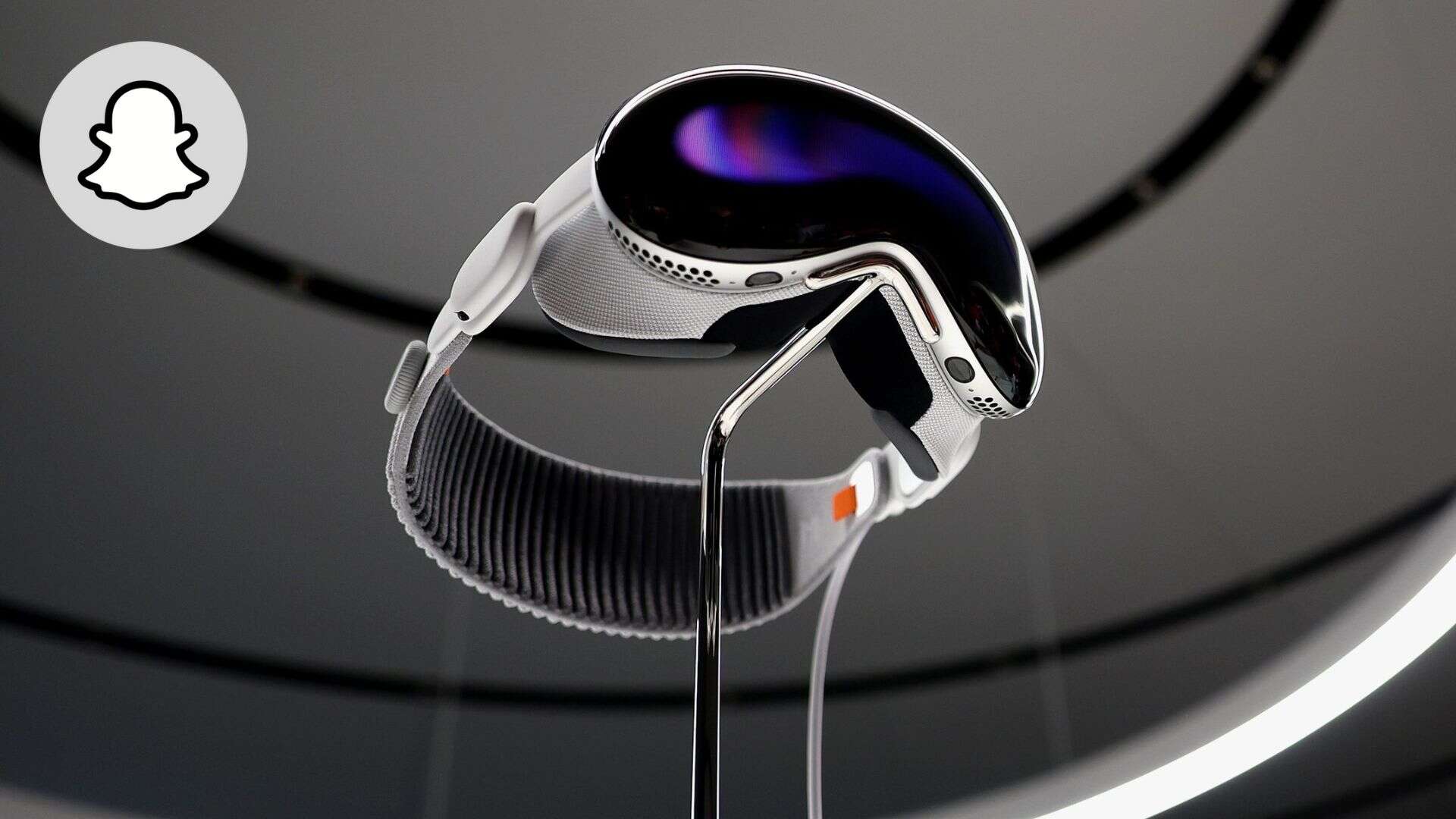
The Vision Air was planned as a lighter-weight, much cheaper alternative to appeal to the masses, but it was never realized. Development was suspended in mid-2024 and fully stopped last year (2025). Conflicting early reports of a 2026 launch have now been debunked. The apple vision air canceled project signals a clear retreat from the premium VR market. Without this budget option to boost adoption, the entire line’s viability is in jeopardy.
This reflects a broader trend in the industry where companies are reassessing their hardware roadmaps, a topic we cover in our article on The Future of Virtual Reality: What’s Next for VR and AR?. The decision to cancel the Vision Air suggests Apple no longer believes a consumer-focused headset can succeed. Reports from MacRumors and YouTube (timestamps 1:28 on Vision Pro 2 suspension, 1:34 redirect to Air, 1:57 Air pause) confirm the project’s stoppage.

Sales Failure Data and Comparisons
The numbers paint a grim picture for the apple vision pro sales failure. Total Vision Pro sales since launch to Q4 2025 are estimated between 600,000 and 1 million units. In Q4 2025, approximately 45,000 units were sold, generating $157 million in revenue. In comparison, Meta Quest sells in the millions, with around 425,000 units generating equivalent revenue at a $350 to $500 price point. Apple’s revenue from the Vision Pro is only 10 to 20% of Meta’s $1.08 billion Reality Labs revenue, despite the Vision Pro costing ten times as much.
To see the contrasting success of a more affordable headset, check out our review of the Meta Quest 3: Introducing a Game-Changing VR Experience. The shortfall is significant—falling short of diversifying Apple’s revenue from the iPhone. While the Vision Pro generated high per-unit revenue, the volume was a disaster. Initial wind-down reports from 2024 foreshadowed this outcome. Sales table metrics are adapted from research findings and AppleInsider, with Q4 figures compared to Meta’s performance, also supported by Tom’s Hardware.
While Apple managed to sell a few hundred thousand units, each sale likely resulted in a high return rate. The device’s complexity and niche appeal meant that many early adopters returned it after the novelty wore off. The product simply could not compete with cheaper, more established VR ecosystems in terms of content library or community support.
Is the Apple VR Headset Dead in 2026?
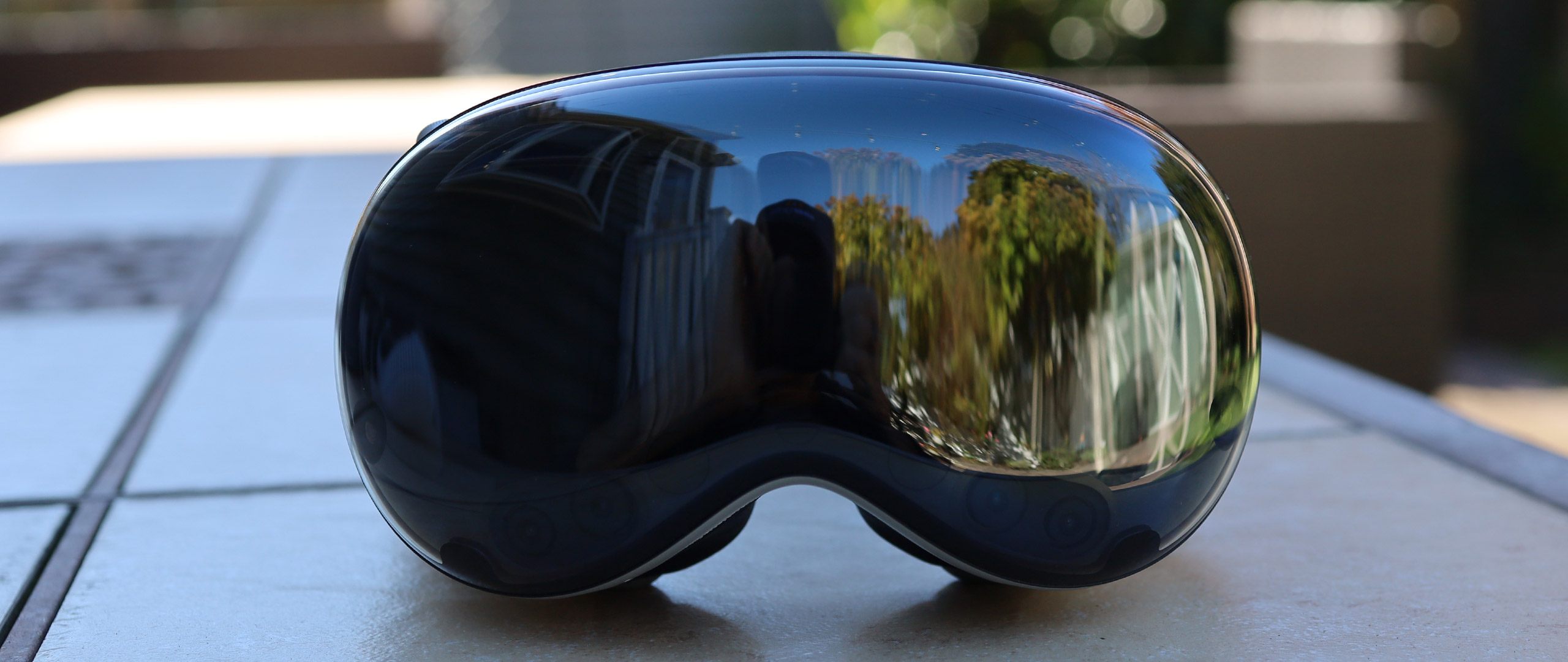
The verdict on the consumer VR ambitions is that the apple vr headset dead 2026 is largely correct. There is no active headset development—Vision Pro 2 and the Vision Air have both been paused or collapsed. Apple appears to be pivoting toward smart glasses like the Ray-Ban Meta, which focus on AI-first, display-free, and future AR capabilities. The Vision Pro’s technology is too power-hungry for glasses, making it unlikely to serve as the foundation for future wearable devices.
To see the contrasting success of a more affordable headset, check out our review of the Meta Quest 3: Introducing a Game-Changing VR Experience. A balanced analysis shows that hardware sales for the premium headset are effectively toast, but software and ecosystem lessons may endure. Apple likely maintained the product at low-volume expectations from the start. Positives include the Steam Link app for gaming streaming from Mac or PC on the same network, which offers some value for developers. Roadmap collapse and pivots are documented in YouTube (timestamps 1:63 to 1:76 on holds and glasses focus). The Steam Link app is mentioned in MacRumors, and the device is noted as not formally discontinued.
The shift from a dedicated VR headset to AI-powered smart glasses represents a major strategic change. Apple appears to be betting that AR glasses without a full display will be more practical for everyday wear. This pivot suggests that while the apple vr headset dead 2026 label applies to the current product line, Apple is not exiting spatial computing altogether.
Frequently Asked Questions
- Is the Apple Vision Pro M5 truly a flop in 2026?
Yes, reports from multiple sources confirm the M5 refresh failed to boost sales, with consumer interest remaining low due to the unchanged price and weight. See MacRumors for details. - Did Apple really give up on the Vision Pro?
Strong evidence suggests yes, including the redistribution of the Vision Pro team and the halt of new model development. For more, read Tom’s Hardware. - Was the Apple Vision Air canceled?
Yes, the lighter, cheaper model was suspended in mid-2024 and fully stopped by 2025. See MacRumors for the cancellation report. - Is the Apple VR headset dead in 2026?
For consumers, yes, the premium VR headset line is effectively dead, with Apple pivoting toward smart glasses. Watch the YouTube analysis for the roadmap details. - What caused the Apple Vision Pro sales failure?
The main factors include the $3,499 price tag, weight discomfort, lack of killer apps, and strong competition from cheaper headsets like the Meta Quest. For a full breakdown, see Tom’s Hardware. - Will Apple release another VR headset?
Currently, no successors are in development. Apple is focusing on smart glasses and AI features instead. Check our analysis on the Vision Pro 2 launch for context on where the technology went wrong. - What should I expect from Apple in XR next?
Apple is likely to release AI-powered smart glasses with no display, similar to the Ray-Ban Meta. No VR headset updates are planned. Subscribe for updates on these developments.