

ChatGPT EU Data Privacy Fine 2025: What It Means for AI and GDPR Compliance

Estimated reading time: 8 minutes
Key Takeaways
- The chatgpt eu data privacy fine 2025 is a landmark €15 million penalty against OpenAI by Italy’s Garante for GDPR violations.
- OpenAI was fined for lack of transparency, unlawful data collection, and failure to respect user rights like the right to erasure.
- This is the first major ai privacy compliance breaking news penalty against a generative AI system, setting a global precedent.
- Businesses using AI chatbots in Europe must urgently audit their data practices to comply with GDPR and the EU AI Act.
- The fine signals that regulators will impose hefty penalties, making compliance a top priority for all AI developers.
Table of Contents
The chatgpt eu data privacy fine 2025 marks a turning point in AI regulation. In early 2025, Italy’s data protection authority (Garante) issued a landmark €15 million penalty against OpenAI for GDPR violations related to ChatGPT. This is the first major penalty against a generative AI system, making it ai privacy compliance breaking news that has sent shockwaves through the tech industry. This blog post explains what happened, why it matters, and how businesses and AI developers can adapt to this new regulatory landscape.
What Happened: The Details of the Fine
Openai gdpr violation penalty news: The €15 Million Decision
The fine was imposed by the Italian Data Protection Authority (Garante) on OpenAI in early 2025. The penalty was for multiple breaches of the General Data Protection Regulation (GDPR), signaling that regulators are now taking enforcement action against AI companies that fail to respect user privacy rights.
Specific violations included:
- Lack of transparency: OpenAI failed to clearly inform users about how their personal data was collected and used to train ChatGPT. According to the Italian Garante, the violations included a lack of transparency in data processing practices (Garante ruling).
- Unlawful data collection: The company processed user data without a proper lawful basis — no valid consent or legitimate interest justification.
- Failure to respect user rights: Users were not adequately granted the right to erasure (deletion of their data) or given a meaningful explanation of how ChatGPT generated its outputs.

For more context on protecting your personal data online, see our guide on How to Stay Safe and Secure in the Digital Age – Protecting personal data online guide.
An additional research point underscores the scale of the problem: a 2024 EU audit found that 63% of ChatGPT user data contained personally identifiable information (PII), and only 22% of users were aware of opt-out settings (EU data protection board study). This highlights why the chatgpt data collection lawsuit europe context is so critical — the fine was a direct response to widespread privacy violations that had been flagged by advocacy groups like NOYB.
The Broader Context: EU AI Regulation and Chatbot Fines
How This Fine Fits into the eu ai regulation chatbot fines Framework
The fine did not happen in isolation. It occurred within the context of the EU AI Act, which became fully operational in 2025. The timeline of AI Act milestones is essential to understanding the regulatory environment:
- February 2025: Prohibitions on “unacceptable risk” AI systems took effect.
- August 2025: General Purpose AI (GPAI) rules became fully operational, requiring OpenAI to maintain detailed technical documentation and comply with EU copyright law.
The ChatGPT fine is a direct enforcement action under GDPR, but it also sets a precedent for how EU regulators will enforce the AI Act’s rules for chatbots and generative AI. This is the first major eu ai regulation chatbot fines case, signaling that non-compliance will have real financial consequences.

The lawsuit context adds depth: the fine followed years of complaints from privacy advocacy groups (e.g., NOYB), who filed a chatgpt data collection lawsuit europe arguing that OpenAI’s data scraping violated GDPR. The Italian Garante’s investigation was triggered by such complaints, showing how citizen activism can drive regulatory action. According to the official EU AI Act timeline (European Commission page), the Act became fully operational throughout 2025, with GPAI rules taking effect in August. For a broader look at how new regulations are shaping the tech industry, see our analysis on The Significant AI Regulation Tech Industry Impact.
Why This Matters: Implications for AI Privacy Compliance
Ai privacy compliance breaking news: What This Means for AI Developers and Businesses
This penalty signals that regulators will not hesitate to impose large fines. OpenAI may appeal, but the ruling sets a legal precedent that will influence future enforcement across the EU. For organizations using AI chatbots in Europe, the ai privacy compliance breaking news is clear: compliance is no longer optional.
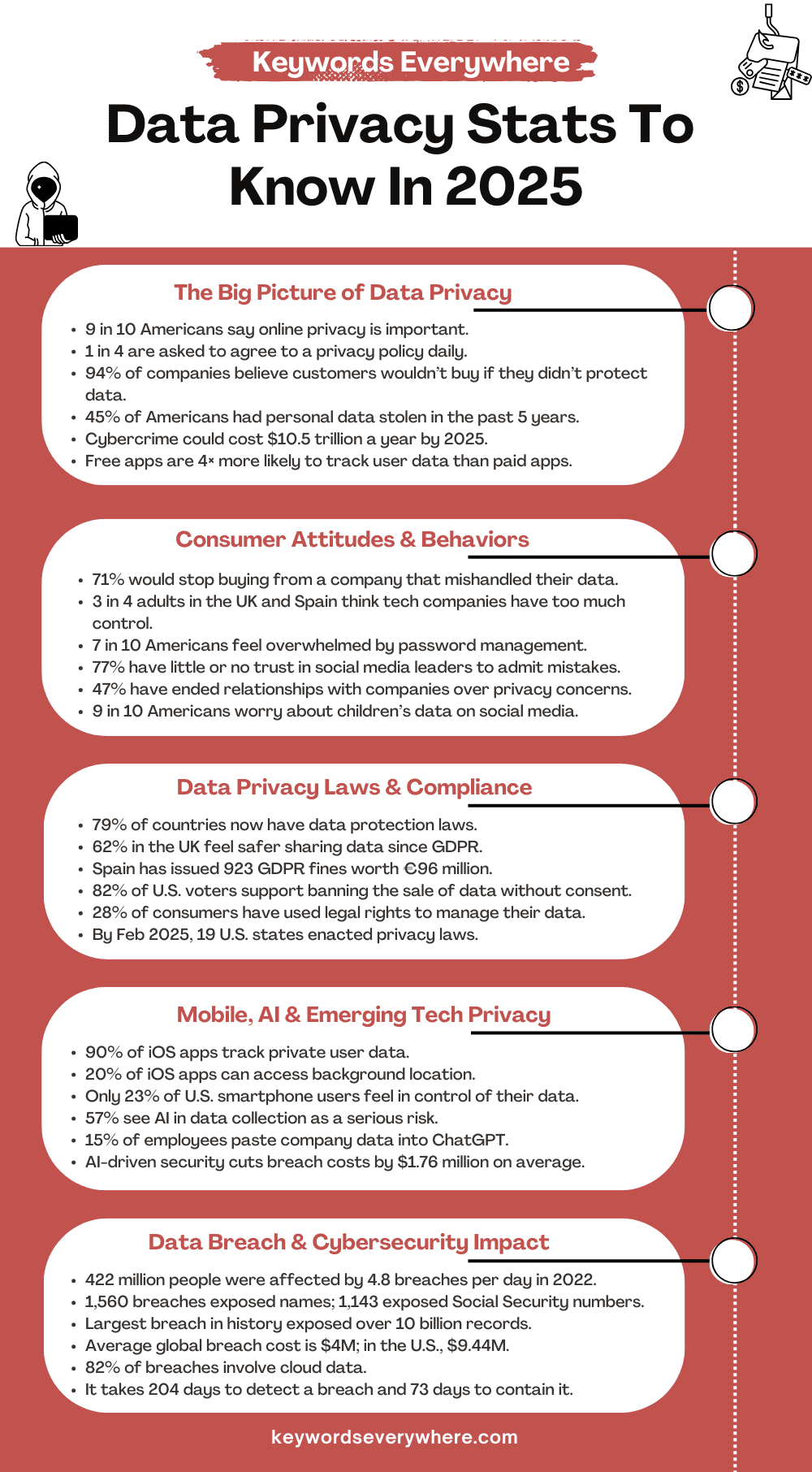
Practical compliance takeaways from research:
- Establish a lawful basis for data processing — typically “legitimate interest” or explicit consent. OpenAI failed to do this, and you must ensure your AI tools have a valid legal basis.
- Use EU data residency options — store and process user data within the EU to mitigate GDPR transfer risks.
- Implement on-device PII redaction — before sending data to cloud-based AI, use a tool like OpenAI’s Privacy Filter (released April 2026) to strip personally identifiable information. According to OpenAI’s announcement (OpenAI’s Privacy Filter announcement), this open-weight, on-device model enables organizations to strip PII before data reaches cloud-based AI services.
- Maintain transparency — clearly inform users about what data is collected, how it is used, and for how long it is stored.
- Respect user rights — provide easy-to-use mechanisms for the right to erasure and request explanations of AI outputs. This was one of the key areas where OpenAI fell short.

To learn how AI itself can help with compliance, check out our guide on AI Workflow Automation for Businesses. The ai privacy compliance breaking news emphasizes that proactive measures are essential to avoid similar penalties.
What’s Next: Future Outlook
The Road Ahead for ChatGPT and AI Regulation
OpenAI may appeal the Italian fine, but the GDPR ruling could be upheld by EU courts. Other EU data protection authorities (like the Irish DPC) may now open similar investigations. The global ripple effects are significant: expect other jurisdictions (e.g., UK, Canada, Brazil) to follow the EU’s lead in imposing stricter ai privacy compliance breaking news requirements. The fine is a wake-up call for all AI developers. For more on the UK’s approach, see our article on Mind-Blowing AI Regulations in the UK.

Compliance is an ongoing process. The EU AI Act will continue to evolve, with additional rules for high-risk AI systems expected in 2026-2027. Staying updated on regulatory changes is critical for any organization deploying AI in Europe. The ai privacy compliance breaking news context shows that this is just the beginning of a new era in AI governance.
The chatgpt eu data privacy fine 2025 is a historic enforcement action that signals the EU’s commitment to data privacy in AI. It is both a warning and a guide for how to comply with GDPR and the EU AI Act. Auditing your own AI data practices, consulting a privacy expert, or staying informed on ai privacy compliance breaking news are essential steps moving forward.

Frequently Asked Questions
What was the exact amount of the ChatGPT EU data privacy fine in 2025?
The exact amount of the chatgpt eu data privacy fine 2025 was €15 million, imposed by Italy’s Garante authority in early 2025.

Why did Italy fine OpenAI for ChatGPT?
Italy fined OpenAI for multiple GDPR violations, including lack of transparency about data collection, unlawful processing of personal data without a proper legal basis, and failure to respect user rights such as the right to erasure. This is the openai gdpr violation penalty news that has set a precedent.
How does this fine relate to the EU AI Act?
The fine was issued under GDPR, but it occurred within the context of the EU AI Act, which became fully operational in 2025. It sets a precedent for eu ai regulation chatbot fines and enforcement of AI rules.
What should businesses do to avoid similar fines?
Businesses should establish a lawful basis for data processing, use EU data residency options, implement on-device PII redaction tools like OpenAI’s Privacy Filter, maintain transparency, and respect user rights. This is the core of ai privacy compliance breaking news guidance.
Will OpenAI appeal the fine?
OpenAI may appeal the Italian fine, but the GDPR ruling could be upheld by EU courts. Other EU data protection authorities may also open similar investigations, making the chatgpt data collection lawsuit europe landscape more complex.
What are the key lessons from the ChatGPT fine?
Key lessons include the importance of transparency, lawful data processing, on-device PII redaction, and respecting user rights. The chatgpt eu data privacy fine 2025 is a historic enforcement action that serves as both a warning and a guide for compliance.