

The Ultimate Guide to Keyword Research: Unlocking SEO Success
Estimated reading time: 12 minutes
Key Takeaways
- Keyword research is the non-negotiable foundation of SEO, connecting your content to the actual questions and needs of your audience.
- Success hinges on balancing three core metrics: search volume, keyword difficulty, and, most importantly, search intent.
- Leveraging a mix of free and paid keyword research tools is essential for uncovering hidden opportunities and analyzing the competition.
- Effective implementation means strategically placing your focus keyword and supporting long-tail keywords throughout your content, following proven best practices for keyword research.
- Avoiding common pitfalls like ignoring intent or chasing only high-volume terms will save time and drive more meaningful, converting traffic.
Table of contents
- What Is Keyword Research and Why Is It So Critical?
- The Step-by-Step Keyword Research Process: A Beginner’s Roadmap
- Essential Keyword Research Tools: Free and Paid
- Analyzing and Prioritizing Your Keyword Goldmine
- The Kingmaker: Mastering Search Intent
- Implementing Keywords: Best Practices for On-Page SEO
- Common Keyword Research Mistakes and How to Avoid Them
- Frequently Asked Questions
Imagine building a magnificent store in a desert, far from any roads or foot traffic. No matter how great your products are, success is nearly impossible without customers finding you. In the digital world, keyword research is the process of building those roads—the essential pathways that guide your ideal audience straight to your content. It’s the fundamental, non-negotiable first step in any successful SEO strategy, transforming guesswork into a targeted plan for traffic and growth.

This guide is your master blueprint. We’ll demystify SEO keyword research, moving from core concepts to a practical, step-by-step process you can use today. You’ll learn the best practices for keyword research, how to use key metrics like search volume and keyword difficulty, evaluate essential keyword research tools, and, most critically, how to align your content with search intent. Let’s build those roads.

What Is Keyword Research and Why Is It So Critical?
At its heart, keyword research is the systematic process of discovering and analyzing the exact words and phrases (“keywords”) that people type into search engines like Google. SEO keyword research narrows this focus, specifically uncovering high-value terms you can optimize your website and content for, to achieve better visibility and relevance in search results. It’s about listening to the market’s questions and providing the answers.
Why does this matter so much? Effective keyword research does three powerful things:
- Targets Real User Needs (Search Intent): It moves you beyond what you *think* your audience wants to what they are *actively searching for*. Whether someone wants to learn (informational intent), compare (commercial intent), or buy (transactional intent), matching this intent is paramount. “You can have the best content in the world, but if it doesn’t match what the searcher wants, it won’t rank.”
- Drives Qualified Organic Traffic: By prioritizing terms with a healthy search volume (the average number of monthly searches), you tap into existing demand. The goal isn’t always the millions-searched term; it’s about finding the phrases where you can realistically compete and win attention.
- Maximizes Effort with Strategic Focus: It introduces the crucial concept of keyword difficulty (often scored 0-100). This metric estimates how hard it would be to rank on the first page for that term. By targeting “low-hanging fruit”—keywords with decent volume but lower difficulty—you secure quick wins and avoid wasting effort on impossibly competitive battles.
Consider a real-world example: A general blog post titled “Fitness Tips” is competing in a vast, noisy arena. Through keyword research, you might discover the long-tail keyword “best home workouts for beginners over 40.” This phrase has a more specific search intent, lower keyword difficulty, and a user who is much closer to taking action. By targeting this, you attract a smaller but far more engaged and convertible audience.

The Step-by-Step Keyword Research Process: A Beginner’s Roadmap
Ready to start? Follow this actionable framework to go from zero to a robust keyword list.
1. Brainstorm Seed Keywords
Begin by listing 5-10 broad, core topics that define your business, niche, or area of expertise. Think of these as your foundation stones. For a baking blog, this could be: “cake recipes,” “easy desserts,” “bread baking.”
Next, expand each seed keyword into more specific phrases. Ask yourself the classic questions: Who, What, When, Where, Why, and How.
- “cake recipes” becomes: “gluten-free chocolate cake recipe,” “moist vanilla cake from scratch,” “eggless cake for birthdays.”
This is where long-tail keywords (typically phrases of three or more words) start to emerge. They are gold for beginners because they are less competitive and reveal clear user intent.
2. Analyze Your Competitors
Your competitors are doing the research—learn from them. Identify 3-5 websites that consistently rank well for your seed keywords.
Free Method: Use Google search operators. Type `site:competitorwebsite.com “seed keyword”` to see their relevant pages. Analyze the top 3 results:
- What is their primary focus keyword? (Check the title tag and main heading).
- What long-tail keywords are they using in subheadings (H2, H3)?
- What related topics are they covering that you’ve missed?
The goal isn’t to copy, but to find gaps—topics they cover lightly that you can explore in greater depth, or questions they leave unanswered.
Essential Keyword Research Tools: Free and Paid
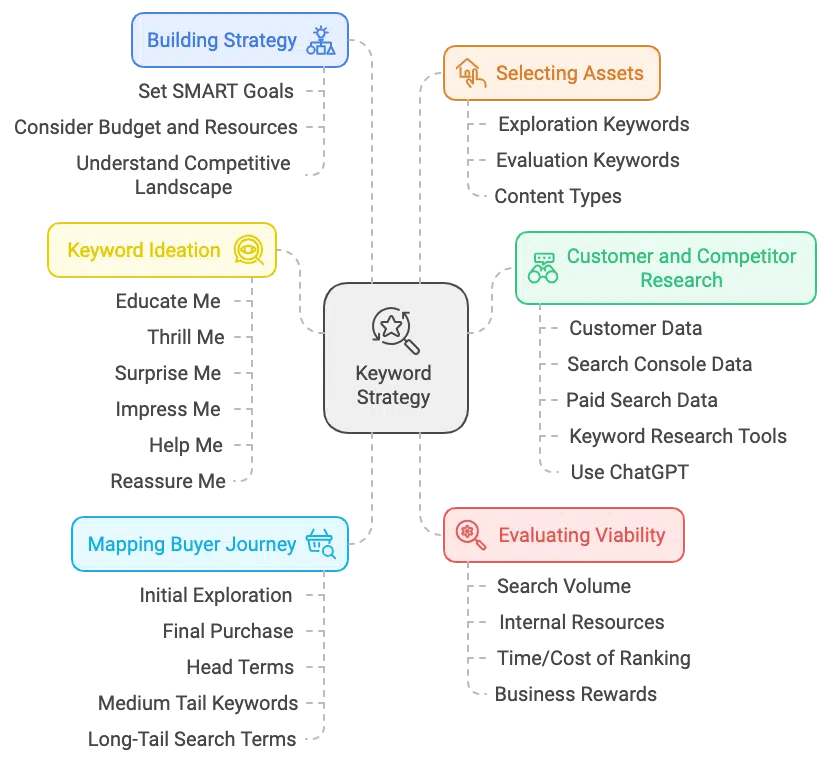
While brainstorming is crucial, tools supercharge your research with real data.
Free Tools to Start With:
- Google Keyword Planner: Accessed via a free Google Ads account, it provides invaluable data on search volume ranges and competition levels. It’s best for gauging demand.
- Google Trends: Perfect for comparing keyword popularity over time and by region. Is interest in “air fryer recipes” seasonal? Trends will show you.
- Google Search Console: Your most important free tool. It shows you what keywords your site is already ranking for (even on page 2 or 3). These are your low-hanging fruit for optimization.
Powerful Paid Tools (Worth the Investment):
- Ahrefs: A powerhouse. Its Keywords Explorer gives accurate search volume, a reliable keyword difficulty score, and reveals the sites currently ranking. Its “Parent Topic” and “Also Rank For” features are incredible for finding related terms.
- SEMrush: Similar in scope to Ahrefs, with excellent keyword magic tools, position tracking, and forecasts. Its strength often lies in competitive analysis and advertising data.
- Mangools (KWFinder): Praised for its user-friendly interface and accurate, localized keyword difficulty scores. It’s particularly effective for finding long-tail keywords with good potential.
Analyzing and Prioritizing Your Keyword Goldmine
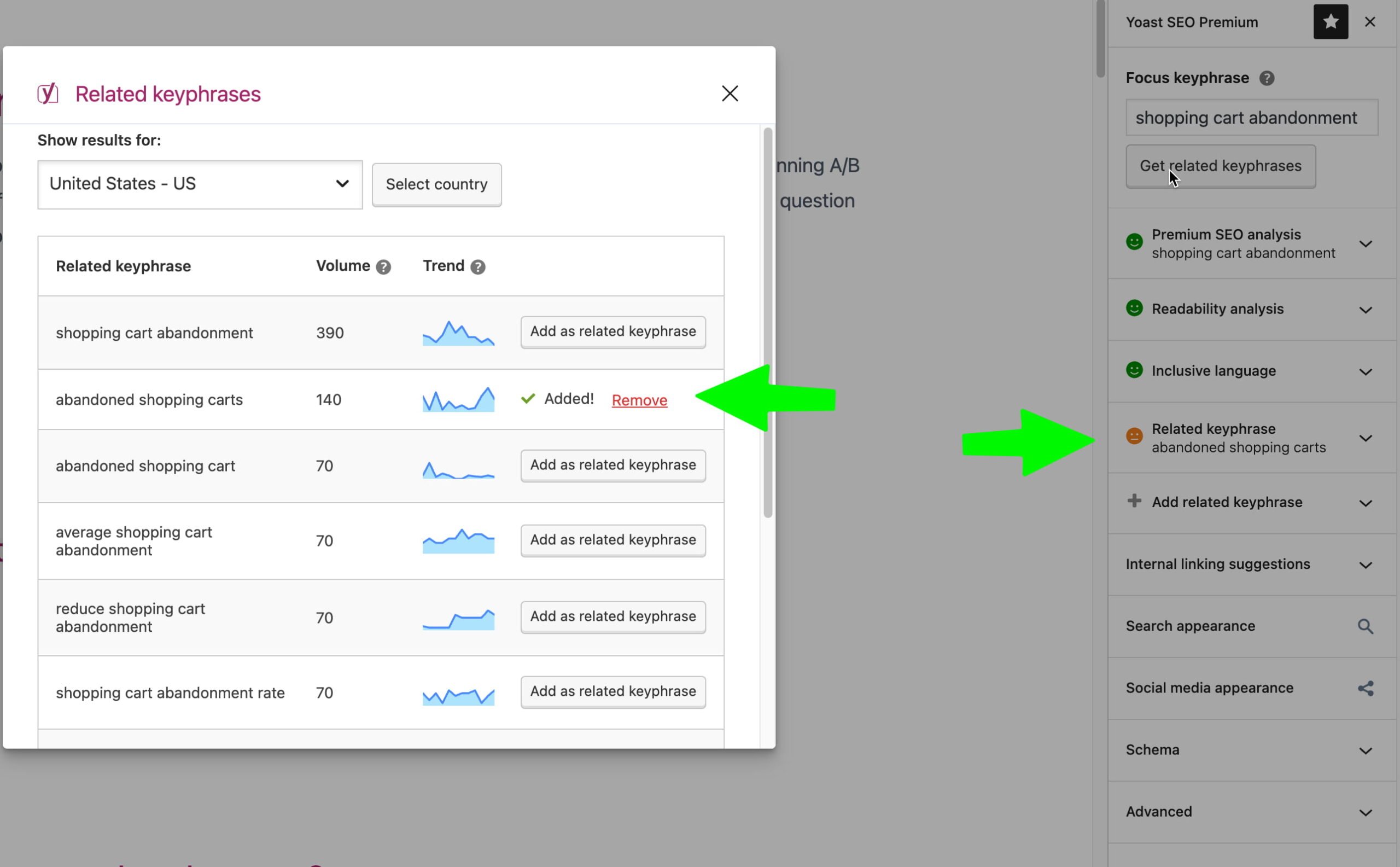
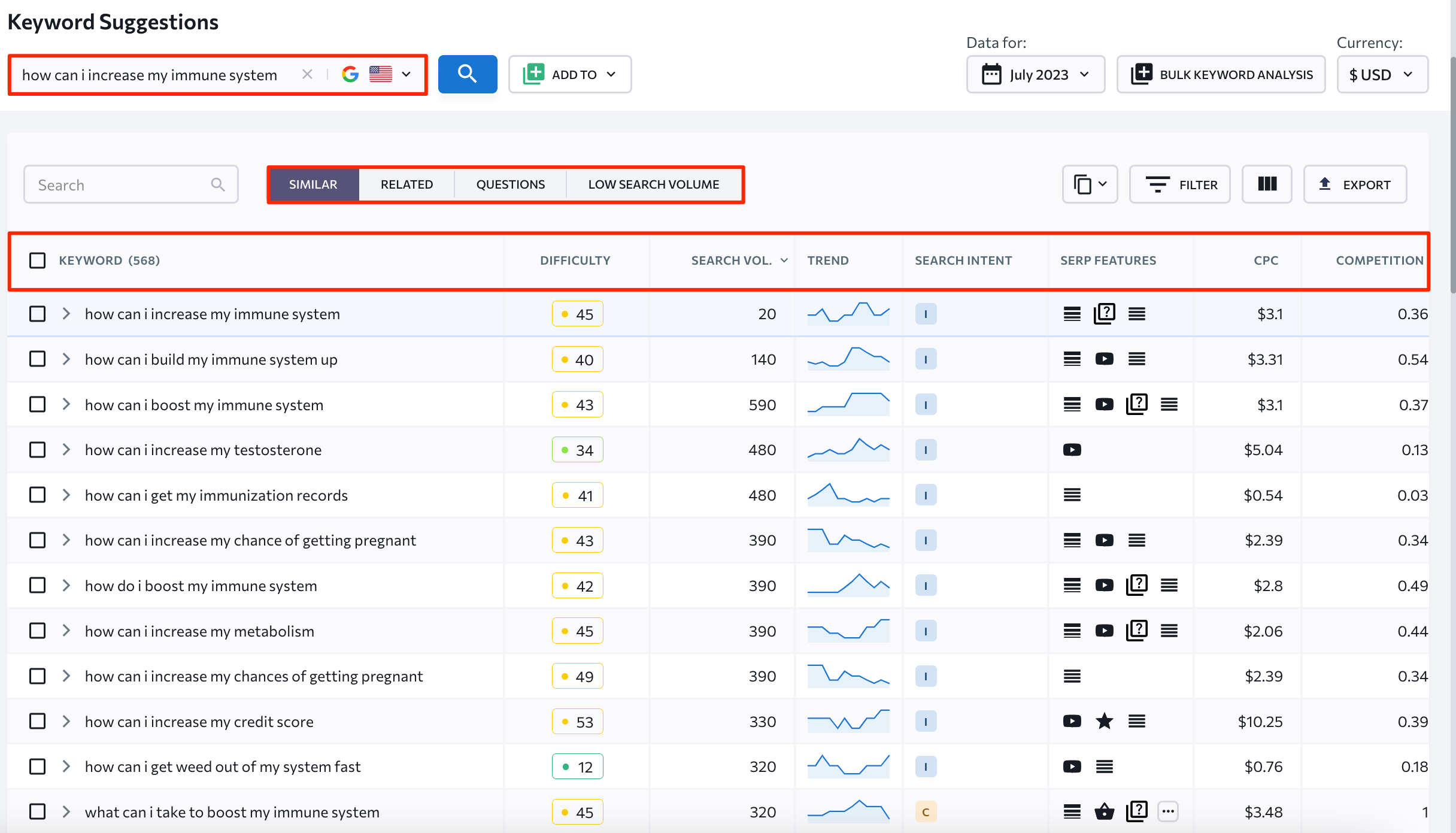
You’ll now have a large list. It’s time to separate the gold from the gravel. Create a simple spreadsheet with columns for Keyword, Search Volume, Keyword Difficulty, Search Intent, and Priority Score.
For each keyword, assess:
- Search Volume: Is there enough demand? For a new site, targeting terms with 100-1,000 monthly searches can be a smart start.
- Keyword Difficulty (KD): Aim for a KD under 30-40 initially. As your site gains authority, you can tackle more difficult terms.
- Business Relevance: Does this keyword directly relate to what you offer or the knowledge you share? If not, discard it.
Now, prioritize. Select one primary focus keyword for each piece of content (page or post). Then, choose 3-5 secondary or long-tail keywords to support it. Finally, map these keywords to your content strategy: use broad, high-intent terms for pillar pages (e.g., “Ultimate SEO Keyword Research Guide”) and more specific long-tails for supporting blog posts (e.g., “How to Use Google Keyword Planner”).

The Kingmaker: Mastering Search Intent
This is the most critical step. Search intent is the “why” behind the search. Google’s primary goal is to satisfy this intent. Your content must do the same. There are four main types:
- Informational: Seeking knowledge. (“how to do keyword research,” “what is SEO”)
- Navigational: Looking for a specific site or page. (“PenBrief login,” “Facebook”)
- Commercial: Researching before a purchase. (“best keyword research tools 2024,” “Ahrefs vs SEMrush”)
- Transactional: Ready to buy or take action. (“buy SEMrush subscription,” “download keyword template”)
How do you determine intent? Look at the top 10 search results. If the top results are all blog posts and guides, the intent is informational. If they are product comparison pages, it’s commercial. If they are e-commerce category pages, it’s transactional. Your content must match the format and purpose of these top results. For a deeper dive, our guide on Mastering Search Intent Types and Classification is essential reading.
For example, for the informational query “best practices for keyword research,” the top results are comprehensive guides. Your content should therefore be a detailed, step-by-step article, not a sales page for a tool.
Implementing Keywords: Best Practices for On-Page SEO
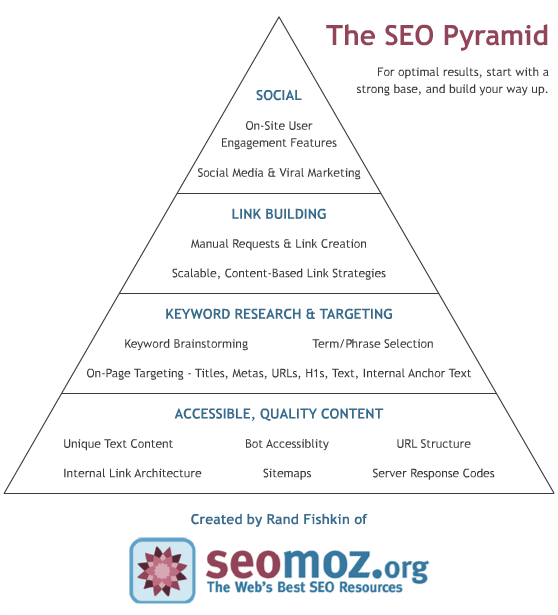
With your prioritized keyword list, it’s time to create and optimize. Follow these best practices for keyword research implementation:
- Title Tag: Place your focus keyword near the front. Keep it under 60 characters.
- H1 Heading: This is your page’s main title. Include the focus keyword naturally.
- Introduction (First 100 words): Use the focus keyword early to signal the topic’s relevance.
- Subheadings (H2, H3): Sprinkle your focus keyword and secondary keywords into subheadings where it makes sense.
- Body Content: Use the keyword and its variations naturally. Aim for a keyword density of 1-2%—write for humans first, not bots.
- Meta Description: While not a direct ranking factor, a compelling description with the keyword can improve click-through rates from the search results.
- URL Slug: Include a shortened version of the focus keyword (e.g., `/best-keyword-research-practices`).
- Image Alt Text: Describe your images and include relevant keywords when appropriate.

Enhance your content with Latent Semantic Indexing (LSI) terms—naturally related words and phrases—which help search engines understand context. Use bullet points, short paragraphs, and visuals for readability. Most importantly, create comprehensive, in-depth content (1,200+ words) that genuinely seeks to be the best answer available.
Common Keyword Research Mistakes and How to Avoid Them
Even with the best process, it’s easy to stumble. Here are the most common pitfalls:
- Chasing Only High-Volume Keywords: Targeting “credit card” with a new finance blog is a recipe for failure. Always balance volume with keyword difficulty and relevance.
- Ignoring Search Intent: Creating a product review for a “how to” query guarantees a poor ranking. Always check the top 3 results before you write a single word.
- Keyword Stuffing: Forcing your keyword into every sentence is a dated tactic that harms readability and can trigger penalties. Write naturally.
- Neglecting Long-Tail Keywords: Overlooking these specific phrases means missing out on qualified, ready-to-convert traffic with lower competition.
- Set-and-Forget Mentality: Search trends change. New competitors emerge. Revisit your keyword strategy quarterly, using tools like Google Search Console and Google Trends to spot new opportunities.
The path from curiosity to results is clear. Your first step is to pick one tool—start with the free trio of Keyword Planner, Trends, and Search Console—and run your first analysis on a topic you know well. Document your findings, create one piece of optimized content following this guide, and track its performance. For a hands-on walkthrough, our companion guide, Mastering Keyword Research: Your Essential Guide to Unlocking Blog Growth, provides the perfect next step.
Frequently Asked Questions
What’s the difference between a focus keyword and a long-tail keyword?
Your focus keyword is the primary term you optimize a single page or post for (e.g., “keyword research tools”). Long-tail keywords are longer, more specific phrases (e.g., “free keyword research tools for beginners”) that support the main topic, often with lower competition and higher conversion potential. You should target one focus keyword and several related long-tails per piece of content.
How often should I update or redo my keyword research?
Keyword research is not a one-time task. You should conduct a formal review of your core topic areas at least quarterly. Monthly checks using Google Search Console to find new ranking opportunities are also highly recommended, as search trends, user behavior, and competition constantly evolve.
Can I rank without using paid keyword research tools?
Yes, especially when starting. The combination of Google Keyword Planner, Google Trends, and Google Search Console provides a powerful, free foundation. However, as you scale, paid tools like Ahrefs or SEMrush offer deeper competitive insights, more accurate difficulty scores, and efficiency that can save significant time and uncover hidden opportunities.
What is a good Keyword Difficulty score to target as a beginner?
Aim for a Keyword Difficulty (KD) score of 30 or below when your site is new or has low domain authority. This represents “low-hanging fruit” where you have a realistic chance of ranking. As your site gains backlinks and authority over 6-12 months, you can gradually target keywords with KD scores in the 40-60 range.
How important are keywords for voice search?
Extremely important, but the approach shifts. Voice searches are typically longer, more conversational, and phrased as questions. This makes long-tail keywords and question-based phrases (starting with Who, What, Where, When, Why, How) crucial. Optimizing for “near me” searches and providing clear, concise answers in your content (like FAQ sections) is key for voice search success.