

Mastering Keyword Research: The Data-Driven Foundation of SEO Success
Estimated reading time: 8 minutes
Key Takeaways
- Effective keyword research transforms guesswork into a data-driven strategy, serving as the cornerstone of SEO success.
- Understanding search intent is critical for creating content that ranks well and satisfies user queries.
- Long-tail keywords offer lower competition and higher conversion potential, making them ideal for beginners.
- A step-by-step process using keyword research tools helps analyze search volume and keyword competition to identify profitable opportunities.
- Adopting best practices for keyword research, such as regular updates and competitor analysis, maximizes organic traffic and rankings.
- Avoid common pitfalls like ignoring mobile intent or chasing high-volume terms with low relevance to sustain SEO growth.
Table of contents
- Mastering Keyword Research: The Data-Driven Foundation of SEO Success
- Key Takeaways
- Why Keyword Research is Essential for SEO Success
- Understanding Search Intent in Keyword Research
- Short-Tail vs. Long-Tail Keywords – Which to Target?
- Step-by-Step Guide: How to Do Keyword Research
- Best Practices for Keyword Research to Maximize Results
- Common Mistakes to Avoid + FAQ
- Start Your Keyword Research Today
Ever wondered why some websites consistently attract floods of visitors while others languish in obscurity? The secret often lies not in magic, but in meticulous keyword research. Effective SEO keyword research is the foundation that transforms hopeful guessing into a precise, data-driven strategy capable of driving targeted traffic, as emphasized in SEO best practices where it’s hailed as the cornerstone of content planning. This process is your roadmap to understanding exactly what your audience seeks and how to deliver it effectively.
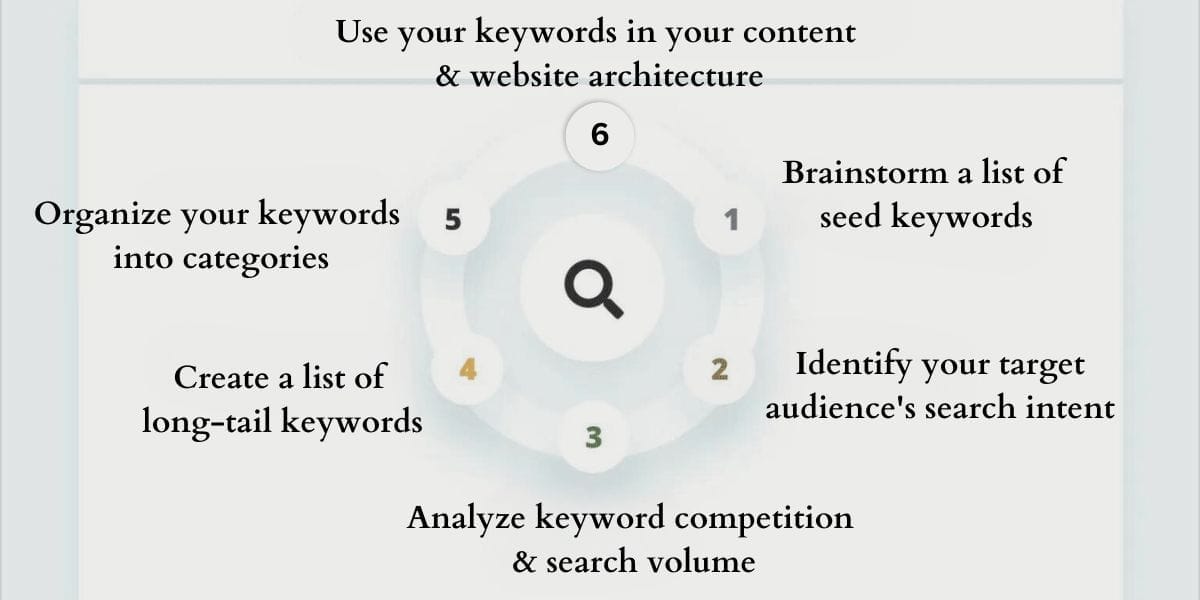
At its core, keyword research is the process of identifying and analyzing the search terms people enter into search engines. It’s about discovering what your target audience is searching for and how to reach them effectively, as detailed in research from Mangools and HubSpot’s guide. This post promises a comprehensive, step-by-step guide on how to do keyword research, covering everything from best practices for keyword research and essential tools to key metrics like search volume and keyword competition, along with search intent, long-tail keywords, and focus keyword selection. By mastering these elements, you ensure your content doesn’t just rank higher—it attracts the right visitors who are genuinely interested in what you offer. Let’s dive into the breakdown that will transform your approach.
Why Keyword Research is Essential for SEO Success
Imagine building a house without a blueprint—you might end up with walls, but will it stand? Similarly, creating content without keyword research is a gamble that often leads to wasted effort. This process is essential because it uncovers high-value opportunities by analyzing user behavior and competition, preventing resources from being poured into low-impact topics. As noted in Carnegie Higher Ed’s guide and Ahrefs’ research, top-ranking content consistently starts with thorough SEO keyword research to align perfectly with audience needs.
The benefits are multifaceted:
- Increases Organic Traffic: By targeting terms with a balanced search volume and manageable keyword competition, you tap into steady streams of visitors.
- Improves Content Relevance: Matching search intent ensures your pages answer real questions, boosting engagement and reducing bounce rates.
- Supports Long-Term Ranking: Strategic focus keyword choices build topical authority, helping your site endure algorithm updates.
Consider this stark statistic: sites that ignore keyword research can see 50-70% lower traffic potential, based on industry benchmarks from reputable SEO guides like SEOBotAI’s findings. It’s not just about picking words; it’s about planting flags where the audience already is.

Understanding Search Intent in Keyword Research
What does a user really want when they type a query? That’s search intent—the underlying purpose behind a search. It falls into four main categories: informational (seeking to learn), navigational (trying to find a specific site), transactional (ready to buy), and commercial investigation (comparing options). Understanding this is critical in keyword research for creating content that satisfies users and ranks well, as highlighted in SEOBotAI’s best practices and Mangools’ insights. For a deeper dive into classifying and mastering intent, explore our comprehensive guide: Mastering Search Intent for SEO.
Let’s break down the types with examples:
- Informational Intent: Queries like “how to do keyword research” where the user wants a step-by-step process. Analyze it by reviewing top-ranking pages—they’re often guides, tutorials, or lists.
- Navigational Intent: “Facebook login” – the user aims to reach a specific website.
- Transactional Intent: “buy SEO tool subscription” – indicates readiness to purchase.
- Commercial Investigation: “best keyword research tools 2024” – the user is comparing options before a decision.
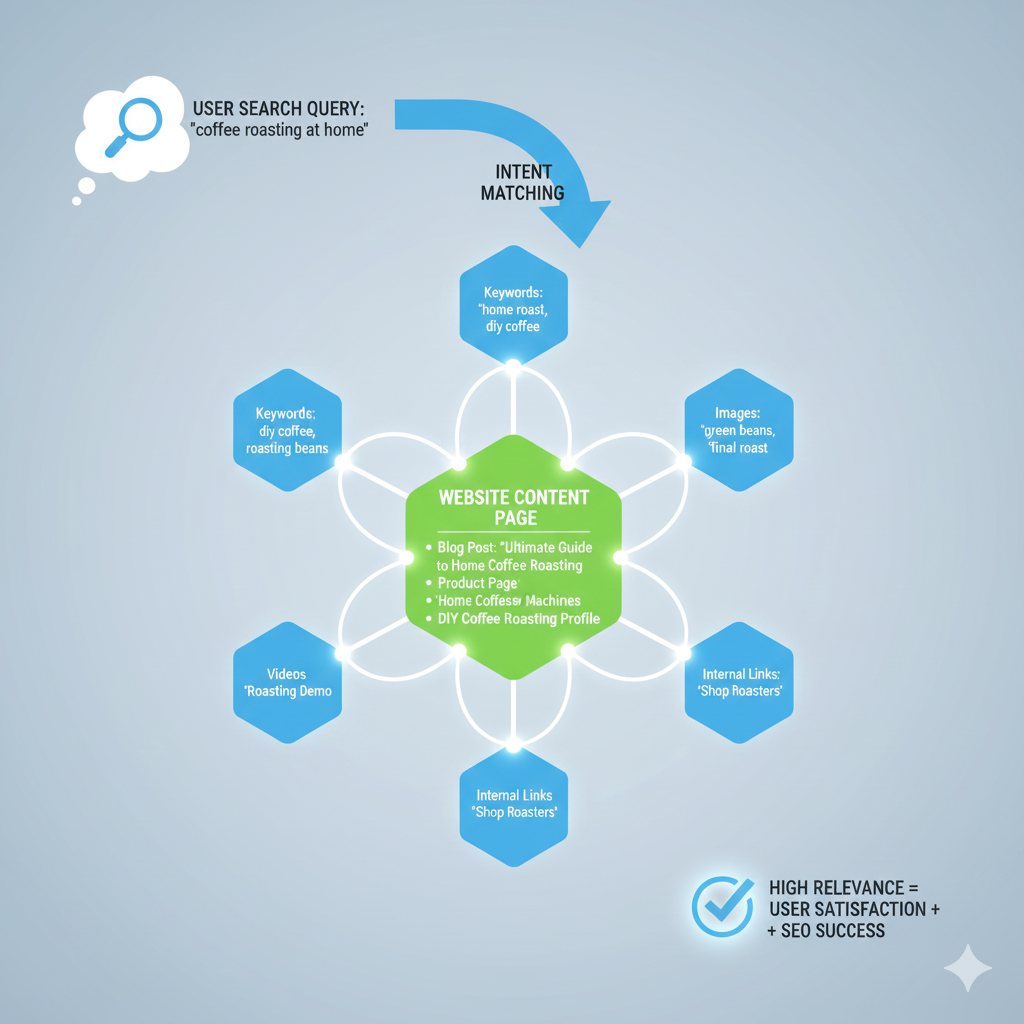
To match intent effectively, start by identifying the primary goal. For informational intent like this post’s topic, provide detailed, step-by-step processes. Always check the Search Engine Results Pages (SERPs) during research to confirm intent alignment—if the top results are blog posts, your content should follow suit. This alignment is what makes how to do keyword research guides so valuable; they directly fulfill a user’s need to learn.
Short-Tail vs. Long-Tail Keywords – Which to Target?
Not all keywords are created equal. Long-tail keywords are specific, longer phrases typically consisting of three or more words, such as “best practices for keyword research.” They often have lower search volume but higher conversion rates and significantly less keyword competition compared to short-tail keywords like “keyword research,” as explained in Mangools’ blog and Ahrefs’ analysis. This makes them a goldmine for beginners and niche players.
Here’s a comparison table to illustrate the differences:
| Type | Example | Search Volume | Keyword Competition | Conversion Potential |
|---|---|---|---|---|
| Short-Tail | keyword research | High (e.g., 10,000+) | Very High | Lower |
| Long-Tail | best practices for keyword research | Low to Medium (e.g., 100-1,000) | Low to Medium | Higher |
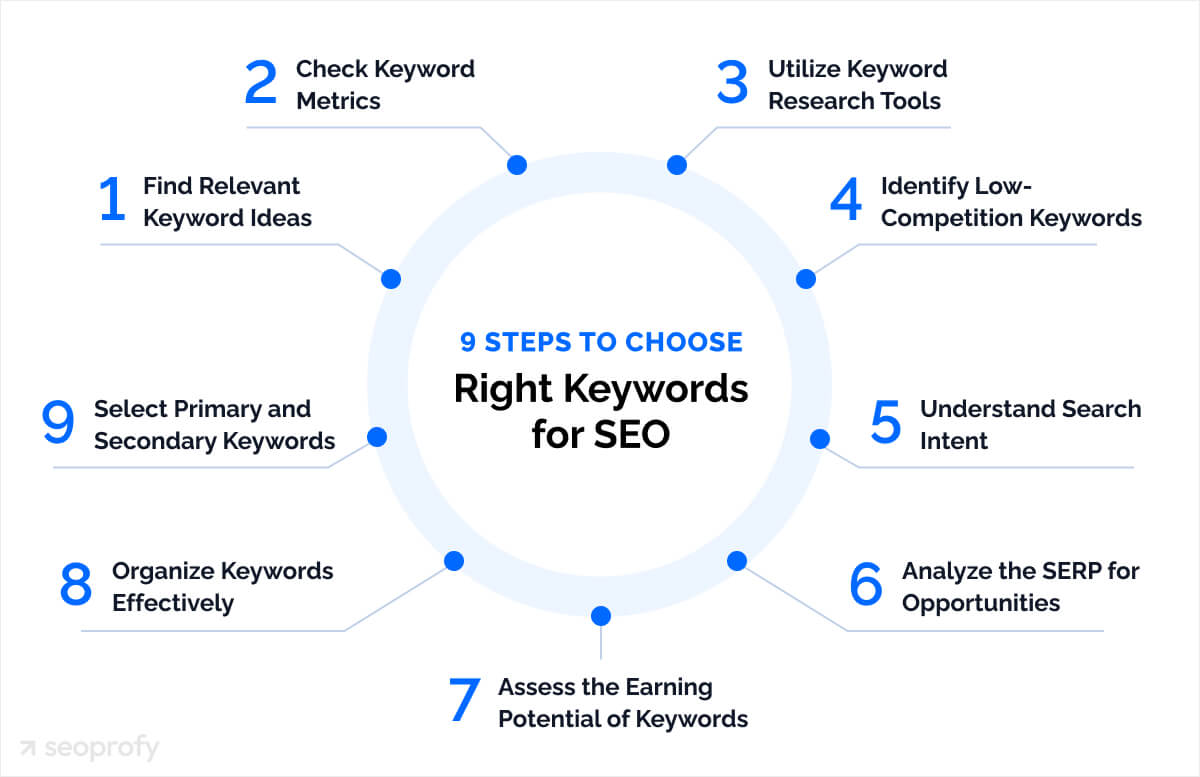
When selecting a focus keyword for your post, choose one primary term like “keyword research,” but surround it with related long-tail keywords to build topical authority. For instance, in this article, “how to do keyword research” and “best practices for keyword research” support the main theme. This cluster approach signals to search engines that your content is comprehensive, boosting rankings for a range of queries.
Step-by-Step Guide: How to Do Keyword Research
Ready to roll up your sleeves? This step-by-step guide breaks down how to do keyword research into actionable stages, backed by expert research and tools. Follow these steps to transform vague ideas into a targeted keyword strategy.
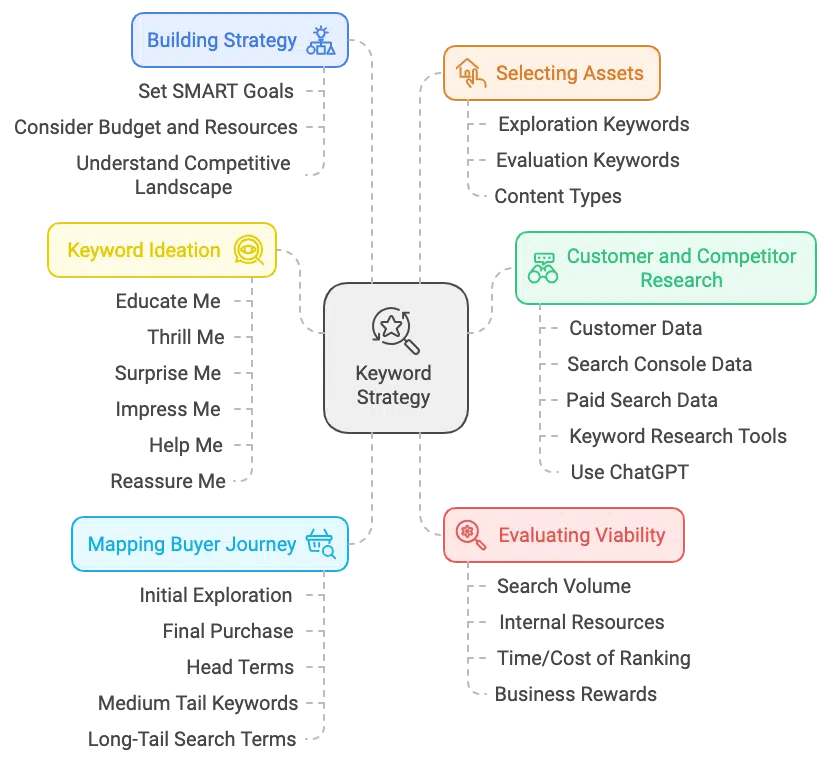
Step 1: Brainstorm Seed Keywords
Start by listing 5-10 broad terms related to your niche. If you’re in digital marketing, think “SEO,” “content marketing,” or “social media.” Then, expand using question modifiers like “how to,” “best,” or “tools for.” For example, from “SEO,” you might derive “how to improve SEO” or “best SEO tools.” This initial brainstorm sets the stage for deeper exploration.
Step 2: Use Keyword Research Tools
Leverage tools to uncover data-driven insights. Top options include:
- Google Keyword Planner (Free): Provides search volume estimates and trend data, ideal for beginners.
- Ahrefs (Paid): Excels in competitor analysis and detailed keyword competition scores, as noted in Ahrefs’ own research.
- SEMrush (Paid): Offers comprehensive metrics for keyword difficulty and trend analysis.
- Mangools (Paid): User-friendly with tools like KWFinder for finding long-tail keywords, highlighted in Mangools’ blog.
For a detailed comparison of the best tools available, explore our guide: Best Keyword Research Tools for 2026.

Step 3: Analyze Key Metrics
Dive into the numbers. Search volume is the average monthly searches, indicating demand. Keyword competition is a difficulty score (often 0-100) based on the authority of ranking pages. Filter for terms with a volume above 100 and competition below 50 to find winnable opportunities, as suggested in HubSpot’s guide and Carnegie Higher Ed’s insights. Remember, balance is key—a high volume with low competition is the sweet spot.
Step 4: Map Search Intent and Prioritize
Group your keywords by search intent. Select a primary focus keyword that balances volume, competition, and relevance. Then, choose 5-10 supporting long-tail keywords for each post to cover subtopics. For example, if your focus is “keyword research,” include variations like “keyword research tools for beginners” or “how to analyze keyword competition.”
Step 5: Spy on Competitors
Enter top-ranking URLs for your target terms into tools like Ahrefs or SEMrush to see what keywords they rank for. This SEO keyword research tactic reveals gaps, such as underserved long-tail keywords you can target. If a competitor ranks for “keyword research basics” but not “advanced keyword research techniques,” that’s your opportunity.
Step 6: Organize into a Spreadsheet
Create a spreadsheet with columns for Keyword, Volume, Competition, Intent, and Notes. Export your findings for content planning. This organizational step ensures nothing falls through the cracks. Proper planning is key; learn how to structure your efforts with keywords and intent in our post: Blog Post Planning: The Missing Details.
Best Practices for Keyword Research to Maximize Results
To sustain SEO success, adopt these expert-backed best practices for keyword research. Update your research quarterly as search trends evolve, target clusters of related keywords to build topic authority, avoid over-optimization by using variations naturally, and integrate findings into your content calendar, as recommended in SEOBotAI’s best practices and Ahrefs’ guide. For a complete, dedicated guide on implementing these strategies, read our article: Best Practices for SEO Keyword Research.

Here are 5-7 bullet-point tips to keep in mind:
- Focus on User-First Keywords: Prioritize terms that address real problems, not just high-volume jargon.
- Combine Tools for Accuracy: Use multiple keyword research tools to cross-verify data and avoid blind spots.
- Track Performance Post-Publish: Monitor rankings and traffic via Google Analytics to refine your strategy.
- Refine Based on Rankings: If a keyword isn’t performing, adjust your content or target new variations.
- Leverage Question Keywords: Tools like AnswerThePublic can uncover conversational queries for blog ideas.
- Consider Local and Mobile Intent: Optimize for “near me” searches or voice queries to capture diverse audiences.
- Build Keyword Clusters: Group related terms to create comprehensive content hubs that dominate topics.
Top Keyword Research Tools Compared
Choosing the right tool can make or break your keyword research efforts. Here’s a table comparing popular options, including free tools like Google Suggest and AnswerThePublic for ideation, as referenced in Mangools’ blog and HubSpot’s guide.
| Tool | Pricing | Key Features | Best For |
|---|---|---|---|
| Google Keyword Planner | Free | Search volume estimates, trend data | Beginners, basic research |
| Ahrefs | Paid (starts at $99/month) | Keyword Explorer for competition analysis, backlink data | Advanced users, competitor spying |
| SEMrush | Paid (starts at $119.95/month) | Comprehensive metrics, keyword difficulty scores | All-in-one SEO suites |
| Mangools | Paid (starts at $49/month) | KWFinder for long-tail keywords, SERP analysis | Small businesses, ease of use |
| AnswerThePublic | Free (limited), Paid plans | Visualizes question-based queries | Content ideation, understanding intent |

Common Mistakes to Avoid + FAQ
Even with the best intentions, pitfalls can undermine your keyword research. Avoid these common errors to stay on track:
- Ignoring Mobile or Local Intent: With over 60% of searches on mobile, optimize for voice and “near me” queries.
- Chasing High-Volume, Low-Relevance Terms: Targeting “best shoes” for a niche blog about hiking boots wastes effort—focus on specificity.
- Neglecting Long-Tail Keywords: Overlooking these can mean missing out on high-converting traffic.
- Relying on Single Data Points: Don’t judge a keyword solely by search volume; consider keyword competition and intent holistically.
Now, let’s address some frequently asked questions to clarify key concepts:
What is a good search volume for a keyword?
Answer: It depends on your niche. Generally, aim for a search volume between 100 to 1,000 monthly searches for manageable competition and steady traffic. For broad topics, higher volumes might be feasible if you have strong domain authority.
How often should I do keyword research?
Answer: Conduct keyword research quarterly to keep pace with trends, as search behavior evolves. Also, revisit it before major content updates or when launching new products.
What’s the difference between keyword difficulty and competition?
Answer: Keyword competition often refers to the number of advertisers bidding on a term in PPC, while keyword difficulty (a score from tools) measures how hard it is to rank organically based on competitor authority. In SEO keyword research, focus on the difficulty score.
Can I use free tools for effective keyword research?
Answer: Yes! Tools like Google Keyword Planner, Ubersuggest, and AnswerThePublic provide valuable insights. However, for in-depth keyword competition analysis, paid tools like Ahrefs offer more precision, as noted in Carnegie Higher Ed’s guide.
How do I choose a focus keyword?
Answer: Select a focus keyword that balances relevance to your content, moderate to high search volume, and low to medium keyword competition. It should be the central theme of your page, naturally integrated into headings and content.
Start Your Keyword Research Today
Mastering keyword research through these steps—leveraging tools, analyzing metrics, and aligning with search intent—positions your content for SEO dominance. It’s the engine that drives targeted traffic and sustains rankings. Now, it’s your turn: grab a free tool like Google Keyword Planner, brainstorm your seed keywords, and watch your traffic grow. Share your first findings or questions in the comments—we’d love to hear about your journey! For more insights on integrating this into a broader strategy, check out our guide: Blog Post Planning: The Missing Details Part 2.