

iPhone 17 Pro with Under-Display Face ID Features: Everything We Know So Far
Estimated reading time: 8 minutes
Key Takeaways
- The iPhone 17 Pro is rumored to feature under-display Face ID, eliminating the Dynamic Island entirely.
- Reputable analysts predict a 2025 launch for this next-generation technology.
- All iPhone 17 models may get periscope zoom cameras, democratizing high-end optical zoom.
- A new 48MP telephoto sensor and 2nm A19 chip are expected to power significant camera and performance upgrades.
- The chassis and camera bump are rumored to undergo a major design overhaul.
Table of contents
- iPhone 17 Pro with Under-Display Face ID Features: Everything We Know So Far
- Key Takeaways
- The Next Generation Display Revolution: Under-Display Face ID Explained
- A Lens on the Future: Periscope Zoom Camera for All Models
- Design Evolution: The iPhone 17 Pro Max Look
- Performance and Software Synergy: The A19 Bionic Chip
- Frequently Asked Questions
Since the notch debuted with the iPhone X, Apple enthusiasts have dreamed of a completely uninterrupted display. The Dynamic Island on the iPhone 14 Pro and 15 Pro was a clever software trick, but it still occupied screen real estate. Now, all signs point to Apple finally eliminating all cutouts with the iPhone 17 Pro with under-display Face ID features, marking the biggest front-facing design change since 2017.

This rumor comes from highly reputable sources including display supply chain consultant Ross Young. Industry consensus shifted from a 2024 debut to 2025 due to yield rate challenges. This post will cover the under-display technology, periscope zoom camera democratization, design evolution, and the chip powering it all.
The Next Generation Display Revolution: Under-Display Face ID Explained
What Is Under-Display Face ID?
Under-display Face ID means Apple will hide the entire TrueDepth camera system — Flood Illuminator, Dot Projector, and Infrared Camera — beneath the OLED panel. Unlike current implementations with a visible cutout, the sensors will be invisible when not in use. This is NOT a simple OLED cutout. Apple must divide the pixel array above the sensors into a lower-resolution, transparent area. The current iPhone 15 Pro uses a single Active Area (AA1). The iPhone 17 Pro will utilize an internal Active Area 2 (AA2) for the Face ID sensors and a higher PPI AA1 for the main display visibility. A key enabler is the shift from “Waffle” style microlenses to “Tetraprism” style metalenses, allowing IR light to pass through smaller sub-pixel gaps.

Why This Is Revolutionary Compared to Android Competitors
Android phones already offer under-display cameras, but they hide only a single RGB camera sensor. Apple is hiding a complex 5-component IR module — Flood illuminator, Dot projector, Infrared camera, Proximity sensor, and Ambient light sensor. This makes Apple’s implementation substantially more challenging. Frame this as truly next generation apple smartphone under display technology because no other phone hides 3D face scanning hardware beneath the screen.
Aesthetic Impact: The Death of the Dynamic Island
The visual outcome is a completely seamless, uninterrupted display with no notch, no hole-punch, and no Dynamic Island pill. One limitation to acknowledge: the pixel density above the camera sensors might be lower in this first-generation implementation to allow IR to pass through. Users may notice a slight difference in brightness or resolution in that specific area when looking closely at a white background. All sources agree on a September 2025 launch for the iPhone 17 lineup.

This represents the true revolutionary iphone 17 camera upgrades rumors from a front-facing perspective.
A Lens on the Future: Periscope Zoom Camera for All Models
Current Camera Landscape Context
As of the iPhone 15 series, only the iPhone 15 Pro Max has the tetraprism periscope offering 5x optical zoom. The standard iPhone 15 and 15 Pro are limited to 3x optical zoom. The iPhone 16 Pro is expected to get periscope zoom, but the base iPhone 16 will likely remain without it.
The “All Models” Rumor: Democratizing Zoom
Analyst Jeff Pu predicts that the iPhone 17 all models will get periscope zoom. However, Ming-Chi Kuo suggests it may remain Pro Models only. The likely compromise: the base iPhone 17 may get a cut-down version of the periscope (e.g., 5x optical vs. 6x optical on Pro models). This would be a first for Apple — bringing high-end apple periscope zoom camera iphone 17 all models to every tier of the lineup.
Megapixel Jump and Sensor Improvements
Ming-Chi Kuo predicts a shift from the current 12MP telephoto sensor to a 48MP periscope telephoto. A higher resolution sensor allows for “optical quality” zoom via cropping. Even at 2x or 3x zoom, the phone uses the full sensor area to capture more light and detail, then digitally crops to achieve the desired framing. Zoom range projection is likely 6x-10x hybrid optical zoom, enabled by the combination of the folded optical path and the high-resolution sensor crop.
Physical Impact on Camera Bump
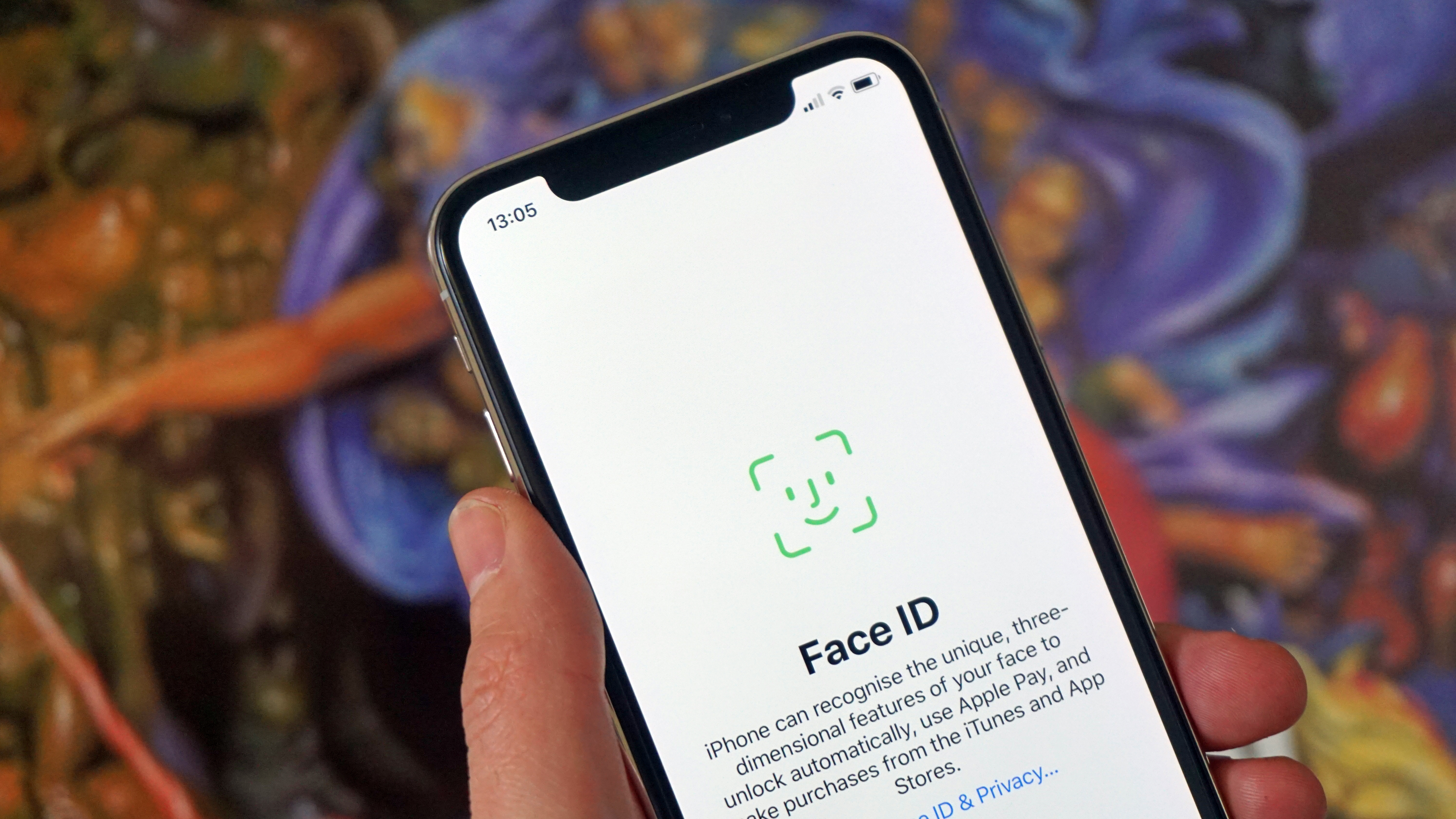
The camera bump thickness is expected to increase by approximately 0.5mm to accommodate the larger sensor and folded optical path. This increase will be present across all models, not just the Pro Max, which is a design consideration for the base iPhone 17 as well. Tie this to revolutionary iphone 17 camera upgrades rumors by framing the 48MP periscope and under-display Face ID combination as a complete camera system overhaul.
Software Enhancements
iOS 19 is rumored to include a “ProCam” mode that leverages the new hardware. The A19 chip’s dedicated ISP (Image Signal Processor) upgrade will handle real-time fusion of the 48MP periscope sensor data without shutter lag.
Design Evolution: The iPhone 17 Pro Max Look
Chassis Material Change
According to The Information and confirmed by Jon Prosser’s renders, the iPhone 17 Pro Max will feature a significant material shift. The new design rumor points to a shift to an Aluminum + Glass combo for the standard Pro, representing a return to a more rounded, comfortable feel. The Pro Max may use a different material or finish to justify the price premium.
Camera Bump Redesign
Rumors suggest the camera bump will no longer be a square island. Instead, a wider, pill-shaped bump will run across the back to accommodate the longer focal length optics of the periscope zoom lens. The folded optics of a periscope zoom camera require lateral space, making a rectangular or pill shape more practical. This is the most significant physical design change since the iPhone X, and it ties directly to iphone 17 pro max design leaks 2025.
Bezel Reduction and Symmetry
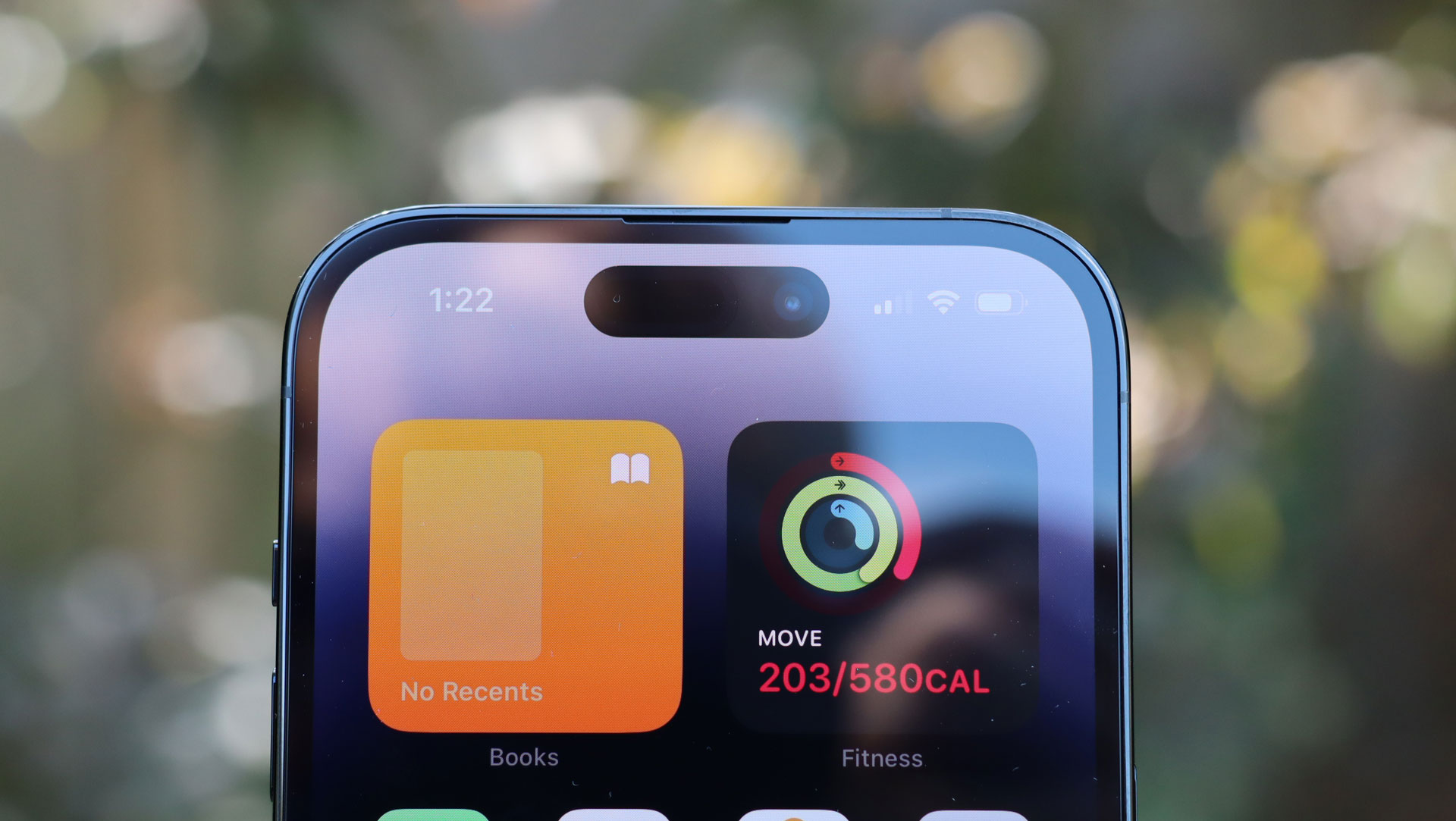
Removing the Dynamic Island allows Apple to shrink the top bezel significantly. The Pro Max will likely feature the thinnest bezels of any iPhone generation yet — possibly under 1mm. The bezels may become asymmetrical (top thinner than bottom) or completely uniform for the first time.
Pro vs. Pro Max Design Differences
The Pro Max gets thin bezels, a new camera bump design, and potentially a premium material. The standard Pro may share the camera bump but have slightly thicker bezels or a different material.
Performance and Software Synergy: The A19 Bionic Chip
A19 Bionic Chip: 2nm Process
According to Bloomberg’s Mark Gurman and supply chain reports, the A19 and A19 Pro will be fabricated on TSMC’s 2nm process (N2). This is a massive node shrink from the current 3nm. Each node shrink typically brings 10-15% better performance and 20-30% better power efficiency. There will be two variants: A19 for standard models and A19 Pro for Pro models with additional GPU cores and an enhanced ISP.
Why This Matters for Under-Display Face ID
The A19 needs a dedicated Neural Engine 2.0 core capable of running foveated rendering algorithms. This technique renders parts of the display at different resolutions. The area above the Face ID sensors (lower PPI area) needs software compensation to appear seamless. The Neural Engine handles this in real-time, masking the low-res area from the user’s perception. Without this dedicated upgrade, the under-display Face ID area would look visibly different from the rest of the display.

Why This Matters for Periscope Zoom
The A19 Pro will feature a dedicated ISP upgrade specifically designed for the 48MP periscope sensor. Processing 48MP images with optical zoom calculations requires massive bandwidth. The new ISP handles real-time fusion of multiple sensor data streams without shutter lag, meaning no delay between pressing the shutter and capturing the image, even at maximum zoom.
iOS 19 Integration
Rumored iOS 19 features include a “ProCam” mode for manual camera controls, a possible UI indicator showing when the under-display Face ID area is active, and enhanced portrait mode using the periscope depth data. This shows how software and hardware work together to deliver the next generation apple smartphone under display technology.
Frequently Asked Questions
- Will the iPhone 17 Pro have under-display Face ID? According to multiple analyst reports, the iPhone 17 Pro is expected to feature under-display Face ID, eliminating the Dynamic Island.
- When will the iPhone 17 Pro be released? All sources agree on a September 2025 launch for the iPhone 17 lineup.
- Will all iPhone 17 models get a periscope zoom camera? Analyst Jeff Pu predicts all models will get periscope zoom, though Ming-Chi Kuo suggests it may remain Pro-only. A compromise could see the base model getting a cut-down version.
- What chip will the iPhone 17 Pro use? The iPhone 17 Pro is rumored to use the A19 Pro chip, fabricated on TSMC’s 2nm process.
- Will the iPhone 17 Pro have a new design? Rumors point to an aluminum and glass chassis, a pill-shaped camera bump, and significantly thinner bezels.
- What is foveated rendering? It is a technique where the system renders parts of the display at different resolutions, used to mask the lower-resolution area above the under-display Face ID sensors.
- Will the camera bump be thicker? Yes, the camera bump is expected to increase by approximately 0.5mm across all models.