


“`html
Introduction: The Unseen Engine of Online Success
Estimated reading time: 10 minutes
Key Takeaways
-
Understanding what your customers are looking for online is crucial for business success, and this is achieved through analyzing search queries.
-
Keyword research is the foundational process for effective SEO and digital marketing.
-
Without proper keyword research, digital marketing efforts lack direction and are unlikely to yield desired results.
-
Effective keyword research enables the creation of a powerful content strategy that drives organic growth and online visibility.
-
This process uncovers the exact phrases users type into search engines, allowing for content creation that directly meets their needs.
Table of contents
- Introduction: The Unseen Engine of Online Success
- Key Takeaways
- Section 1: Decoding Keyword Research – What It Is and Why It Matters for SEO
- Section 2: The Pillars of Effective Search Engine Optimization (SEO)
- Section 3: Keyword Research as a Core Component of Digital Marketing
- Section 4: Building a Data-Driven Content Strategy with Keyword Research
- Section 5: Practical Steps to Conducting Effective Keyword Research
- Section 6: Integrating Keywords Naturally into Your Content
- Final Thoughts: Empowering Your Digital Strategy with Keyword Research
- FAQ
Have you ever wondered how businesses seem to magically appear at the top of search results exactly when you’re looking for something? The answer isn’t magic; it’s a deep understanding of what people are typing into search engines. This understanding, powered by a process called keyword research, is the absolute bedrock of successful SEO and effective digital marketing. Without it, your online efforts are like setting sail without a compass – you might be moving, but you’re unlikely to reach your intended destination.
Search engine optimization (SEO) is the art and science of making your website more visible to search engines. But its effectiveness hinges entirely on identifying and targeting the right keywords. This guide is designed to be your comprehensive roadmap. We’ll walk you through how to perform effective keyword research and, crucially, how it integrates into a powerful content strategy, ultimately driving organic growth and achieving the online visibility your business deserves.

This meticulous process helps us uncover the exact phrases and questions users type into search engines. By understanding this, we can create content that is not just present, but precisely what your audience is looking for. (Source, Source)
Section 1: Decoding Keyword Research – What It Is and Why It Matters for SEO
At its core, keyword research is the meticulous process of identifying and analyzing the words and phrases that people use when searching for products, services, or information online. (Source, Source) It’s about stepping into the shoes of your potential audience and understanding their language, their questions, and their needs as expressed through search queries.

The link between keyword research and SEO performance is not just critical; it’s fundamental. By targeting relevant keywords, you directly influence your website’s ability to rank higher in search engine results pages (SERPs). Think of keywords as the bridge connecting what people are searching for and the content you provide. If the bridge is weak or leads to the wrong place, users won’t find you.
The benefits of robust keyword research are manifold and impactful:
-
Increased organic traffic: This is perhaps the most direct benefit. By targeting terms your audience uses, you attract more visitors who are actively looking for what you offer, leading to higher quality traffic.
-
Improved website visibility: When your content aligns with relevant search queries, search engines are more likely to display your website prominently, making it easier for potential customers to discover you.
-
Deeper understanding of user intent: Keyword research goes beyond just words; it reveals *what your audience truly wants*. Understanding this intent—whether they’re seeking information, trying to navigate to a specific site, or ready to make a purchase—is crucial for delivering content that truly satisfies their needs. (Source, Source)
-
Prioritization of high-impact topics and identification of long-tail opportunities: This process helps you focus your content creation efforts on topics that will yield the best results. It also uncovers long-tail keywords – those less competitive, highly targeted searches – which can be invaluable for capturing specific audience segments and can significantly inform your broader marketing strategies. (Source, Source)
Section 2: The Pillars of Effective Search Engine Optimization (SEO)
Search engine optimization (SEO) is a multifaceted discipline. It’s far more than just sprinkling keywords into your content; it encompasses technical optimization of your website, ensuring high-quality, engaging content, and building your site’s authority through efforts like earning backlinks. (Source)

However, it is vital to understand that keyword research is the absolute cornerstone of all SEO efforts. It provides the essential direction for every other tactic you employ. Without knowing what terms your audience uses, your efforts in content creation, technical SEO, and link building would be akin to building a house without a blueprint.
The relationship between understanding actual search queries and achieving higher rankings in SERPs is direct and undeniable. As highlighted by OVRDRV, without knowing what people search for, other SEO tactics lack a solid foundation. (Source) Your content needs to be discoverable, and discoverability starts with matching the language of the searcher.
This foundational keyword understanding then informs both on-page and off-page SEO strategies:
-
On-page SEO: This includes optimizing your content, headings, meta descriptions, and internal linking. All these elements should naturally incorporate the relevant keywords identified through your research to signal to search engines what your page is about.
-
Off-page SEO: While primarily focused on building authority through backlinks, understanding your keywords helps you target relevant websites for outreach and ensures that the content you’re linking to is also optimized for terms that attract your desired audience. (Source)
Section 3: Keyword Research as a Core Component of Digital Marketing
It’s a common misconception that keyword research is solely an SEO activity. In reality, it’s not an isolated task but a vital element of a holistic digital marketing strategy. (Source, Source) The insights gained from understanding search queries can significantly inform and optimize numerous other digital marketing channels.

Consider how keyword research can enhance:
-
Paid Advertising (e.g., Google Ads): Identifying keywords with strong commercial intent—terms that indicate a user is ready to buy—is crucial for creating targeted and cost-effective ad campaigns. This ensures your ad spend is directed towards audiences most likely to convert.
-
Social Media: By analyzing what people are talking about and searching for, you can gain insights into trending topics and audience interests. This information is invaluable for crafting social media content that resonates, sparks engagement, and drives traffic back to your website. (Source)
The importance of selecting the right keywords cannot be overstated. They are the foundation for tailoring your marketing messages. When you use keywords that accurately reflect your audience’s needs, pain points, and desires, your communications become more relevant, persuasive, and effective. This ensures that your brand speaks directly to the right people in a language they understand and respond to. (Source, Source)
Section 4: Building a Data-Driven Content Strategy with Keyword Research
In today’s competitive digital landscape, a successful and sustainable content strategy is built on a foundation of data, and keyword research is the cornerstone of that data. (Source, Source) It moves content creation from guesswork to a strategic, audience-centric approach.

By leveraging keyword data, you can effectively identify:
-
Content Gaps: These are areas where relevant topics are not adequately covered by existing content online. Keyword research helps you pinpoint these underserved niches, giving you an opportunity to become the definitive resource.
-
Opportunities: You can identify topics with high search volume and manageable competition. These are the “sweet spots” where you can create content that has the potential to attract significant traffic without being buried by established competitors.
Furthermore, keyword research enables you to map keywords to different stages of the buyer’s journey. This means creating a logical flow of content that guides users from initial awareness of a problem or need, through the consideration phase where they explore solutions, all the way to the decision stage where they are ready to choose a product or service. (Source) This creates a cohesive user experience and nurtures leads effectively.
Crucially, it reinforces the importance of creating high-value, relevant content that directly addresses the specific search intent behind each chosen keyword. (Source, Source) When your content answers the user’s query precisely and comprehensively, you not only satisfy their immediate need but also build trust and authority, encouraging them to return.
Section 5: Practical Steps to Conducting Effective Keyword Research
Performing effective keyword research doesn’t have to be daunting. By following a structured approach, you can uncover valuable insights that will fuel your digital strategy.
Step 1: Brainstorm Seed Keywords
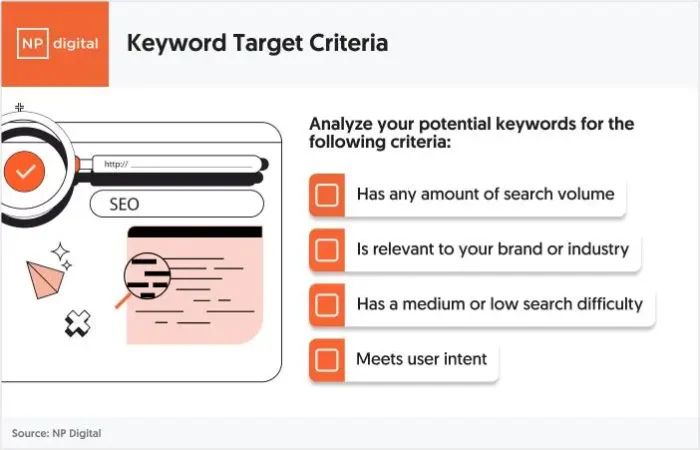
Begin by listing broad, core topics that are highly relevant to your business, industry, or the specific subject of your blog post. Think about the fundamental concepts and services you offer. These are your starting point, or “seed” keywords. (Source)
Step 2: Utilize Keyword Research Tools
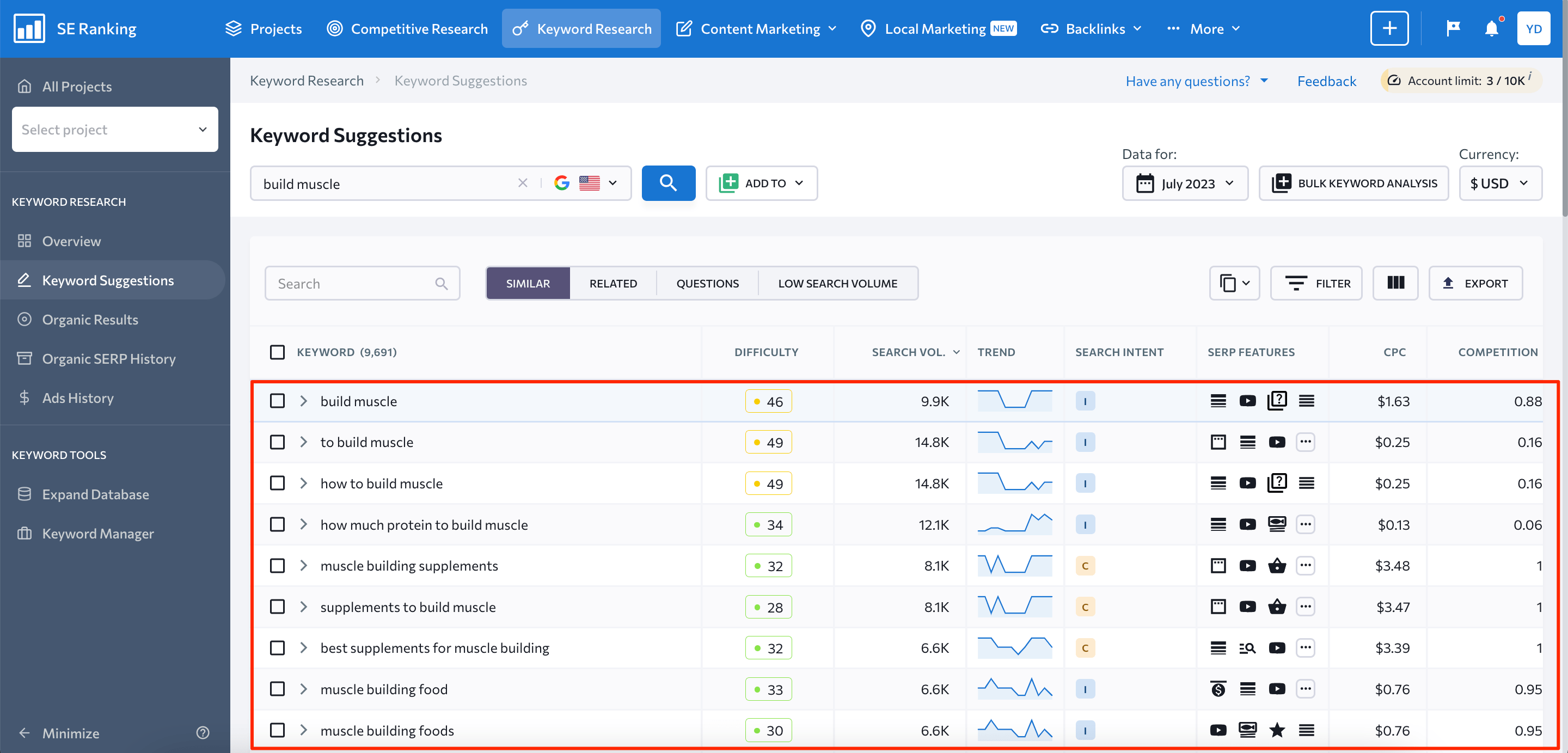
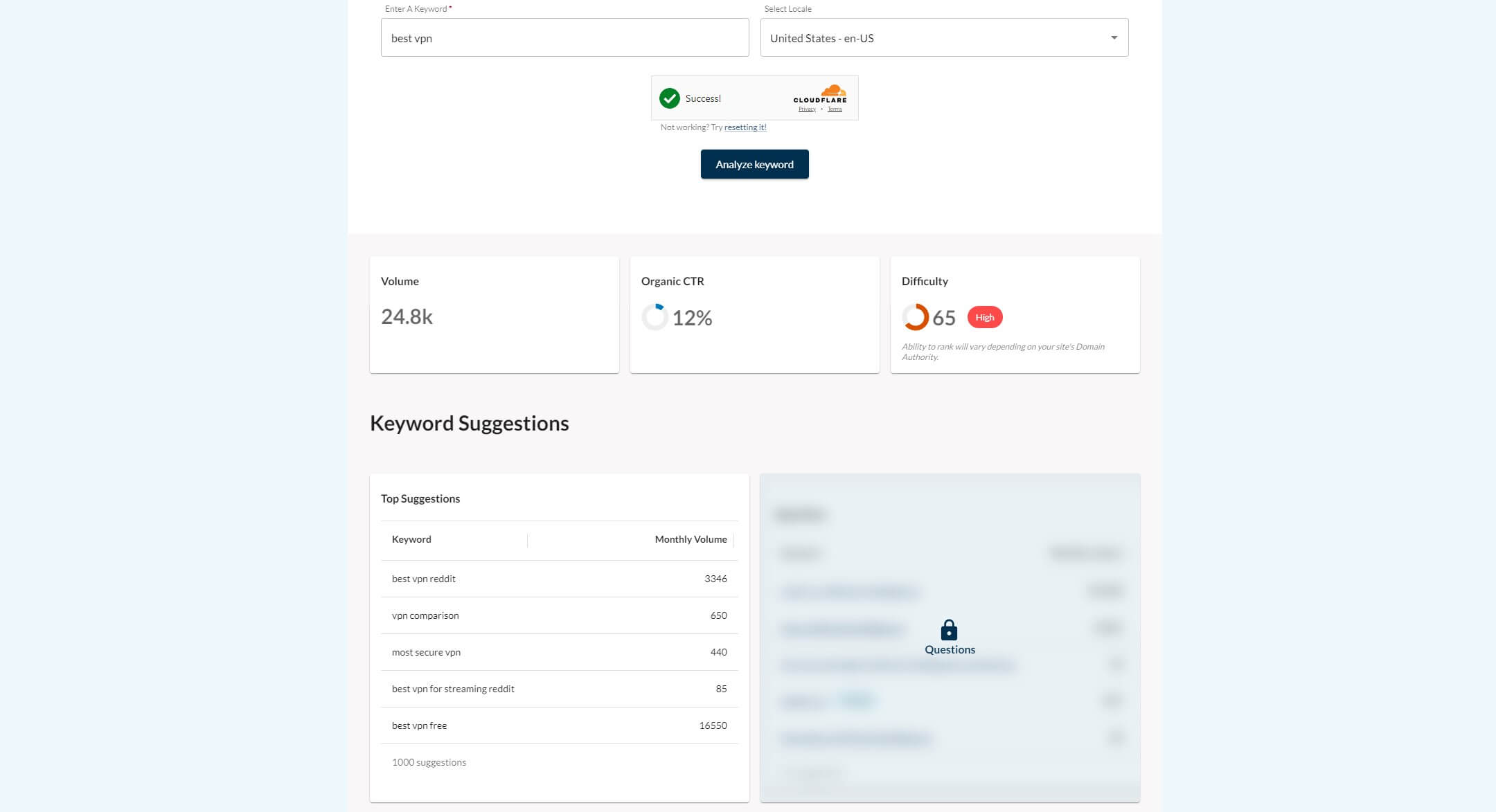
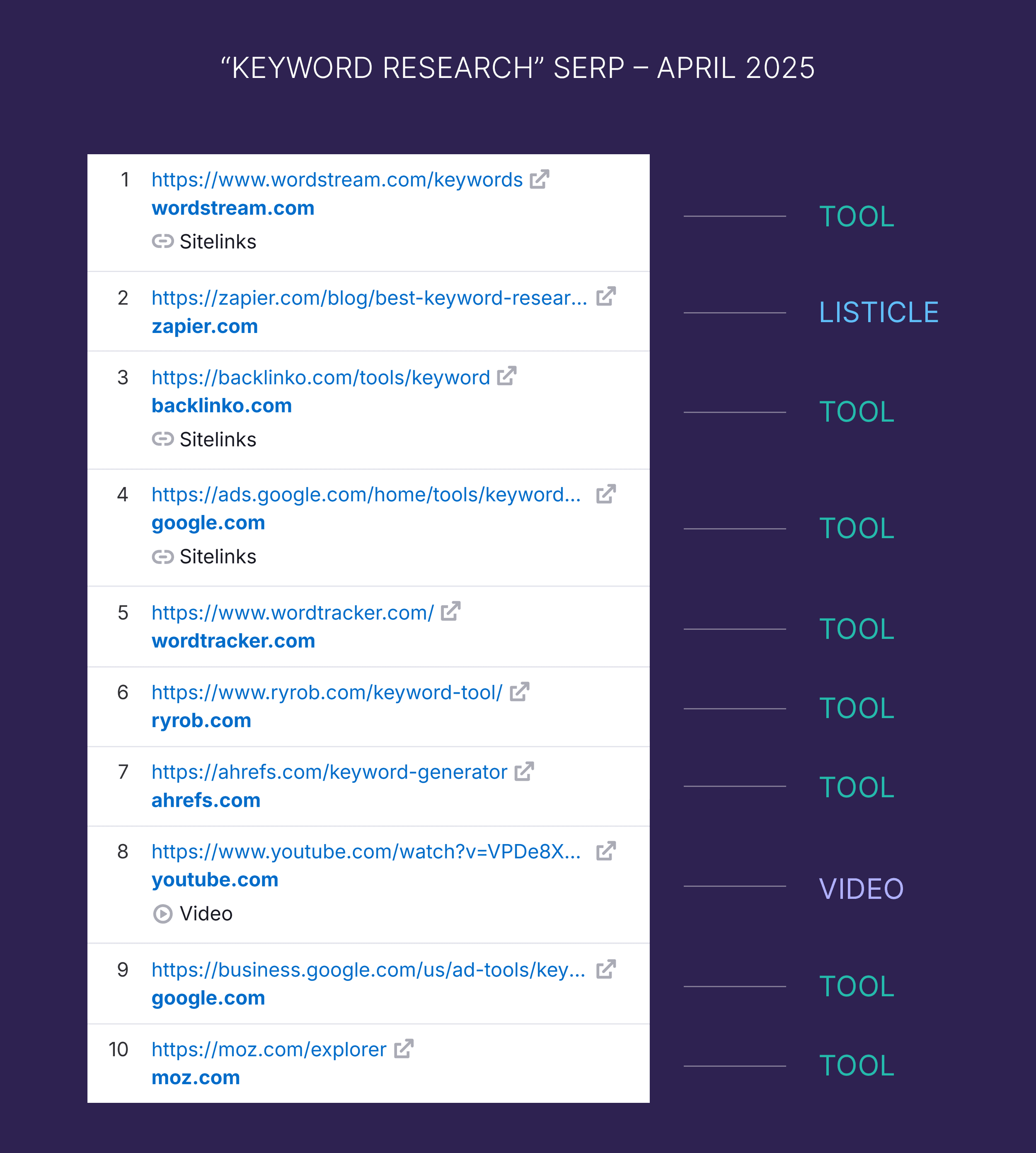
Expand your initial list and gather crucial data using specialized tools. Popular and effective options include Google Keyword Planner, SEMrush, Ahrefs, and Moz Keyword Explorer. These tools can suggest related keywords, show search volumes, and provide competition metrics. (Source, Source)
Step 3: Analyze Keyword Metrics
Once you have a robust list, focus on key metrics to prioritize your efforts:
-
Search Volume: This indicates how many times a keyword is searched for per month. Higher volume generally means more potential traffic, but often also more competition.
-
Keyword Difficulty: This metric estimates how challenging it will be to rank for a particular keyword. Tools often provide a score, helping you identify achievable targets.
-
Cost-Per-Click (CPC): While primarily used for paid advertising, CPC can also be an indicator of commercial intent. Higher CPC often suggests that advertisers find the keyword valuable, implying a potential for high conversion rates. (Source)
Step 4: Understand and Classify User Intent
It’s crucial to understand *why* someone is searching for a particular term. Categorize identified keywords based on the user’s goal: (Source, Source)
-
Informational: Users seeking answers or knowledge (e.g., “how to do keyword research”).
-
Navigational: Users looking for a specific website or brand (e.g., “Google Keyword Planner login”).
-
Transactional: Users ready to make a purchase (e.g., “buy SEO software”).
-
Commercial Investigation: Users comparing products or services before a purchase (e.g., “SEMrush vs Ahrefs”).
Step 5: Identify Long-Tail Keywords
Actively seek out longer, more specific keyword phrases, typically three or more words. These “long-tail” keywords have several advantages: they are generally less competitive, indicate a clearer user intent, and often attract highly targeted, high-converting traffic. (Source, Source) For example, instead of “shoes,” target “waterproof trail running shoes for wide feet.”
Section 6: Integrating Keywords Naturally into Your Content
Once you’ve identified your target keywords, the next crucial step is to incorporate them into your content in a way that enhances SEO without sacrificing readability or user experience. (Source, Source) The goal is natural integration, not forced inclusion.

Here are best practices for incorporating keywords:
-
Titles and Headings: Place primary and secondary keywords prominently in your title tags, meta descriptions, and H1/H2 headings. This immediately signals relevance to both search engines and users.
-
Body Copy: Weave keywords naturally throughout your text. Use them in the introduction and conclusion of sections where appropriate, and ensure they fit contextually within sentences. Aim for a natural flow rather than repetition.
-
URL Structure: Include relevant keywords in your URL slugs. A URL like `yourwebsite.com/keyword-research-guide` is more descriptive than `yourwebsite.com/page123`.
-
Image Alt Text: Use descriptive alt text for your images that includes keywords where appropriate. This helps search engines understand the image content and improves accessibility.
It is absolutely critical to issue a strong warning against keyword stuffing – the practice of unnaturally overloading your content with keywords. (Source, Source) Search engines are sophisticated enough to detect this manipulative tactic and will penalize your site accordingly. Moreover, keyword stuffing severely harms the user experience, making your content unreadable, confusing, and damaging your credibility.

Understanding the strategic use of primary vs. secondary keywords is also key. Focus on one main primary keyword for a specific page or post to give it a clear topical focus. Then, incorporate related secondary keywords to broaden your topical coverage and appeal to a wider range of related searches, creating a more comprehensive and authoritative piece of content. (Source)
Final Thoughts: Empowering Your Digital Strategy with Keyword Research
As we’ve explored, keyword research is not just a component of your online strategy; it is arguably the most powerful tool you have for achieving sustained SEO and robust digital marketing success. (Source, Source, Source) It provides the essential data to understand your audience, inform your content, and guide your optimization efforts.

A strong content strategy, meticulously built upon data-driven, user-intent-focused keywords, lays the essential foundation for long-term organic growth and establishing your online authority. (Source, Source, Source) It ensures that your efforts are not wasted on content that no one is looking for, but rather strategically aimed at capturing the attention of your ideal audience.
We encourage you to immediately begin implementing these keyword research practices. By doing so, you will better connect with your target audience, significantly boost your brand’s visibility in search results, and maintain a competitive edge in the ever-evolving digital landscape.
FAQ
Q1: How often should I conduct keyword research?
Keyword research should be an ongoing process. While a comprehensive initial research phase is crucial, the digital landscape and user search behavior change. Regularly revisit your keyword strategy, perhaps quarterly or semi-annually, and stay attuned to emerging trends and shifts in search volume.
Q2: What is the difference between short-tail and long-tail keywords?
Short-tail keywords are typically broad, 1-2 word terms (e.g., “marketing”). They have high search volume but are very competitive and less specific in user intent. Long-tail keywords are longer, more specific phrases (e.g., “content marketing strategy for small businesses”). They have lower search volume but are less competitive and indicate a clearer, often more qualified, user intent.
Q3: Can I use keyword research for local SEO?
Absolutely. For local SEO, you’ll want to research keywords that include location-specific terms (e.g., “plumber in [your city],” “best Italian restaurant near me,” “bakery downtown”). These geo-modified keywords help you attract customers in your immediate service area.
Q4: Is keyword stuffing still a viable SEO tactic?
No, keyword stuffing is not only non-viable but actively harmful to your SEO efforts. Search engines penalize sites that unnaturally cram keywords into content. Focus on natural language and user experience; search engines reward content that is helpful and relevant to users.
Q5: Which keyword research tool is the best?
There isn’t a single “best” tool, as different tools offer different strengths and insights. Google Keyword Planner is a good free starting point. For more advanced analysis, tools like SEMrush, Ahrefs, and Moz Keyword Explorer are industry standards. Many marketers use a combination of tools to get a comprehensive view.

“`