

Neuralink’s High-Volume Brain Implants by 2026: Musk’s Ambitious Plan Unveiled
Estimated reading time: 8 minutes
Key Takeaways
- Neuralink aims to shift from clinical trials to high-volume production of brain-computer interfaces (BCIs) by 2026, targeting hundreds or thousands of devices annually.
- The plan involves automated surgical procedures and simplified device threads to reduce complexity and recovery time.
- Scaling poses significant engineering hurdles, including precision manufacturing, quality assurance, and surgical infrastructure.
- This move could accelerate the entire neural tech industry, spurring investment and innovation akin to an “iPhone moment” for BCIs.
- Ethical and regulatory frameworks are urgently needed to address neural data privacy, cognitive liberty, and equitable access.
Table of Contents
- Neuralink’s High-Volume Brain Implants by 2026: Musk’s Ambitious Plan Unveiled
- Key Takeaways
- Introduction: The Brain-Computer Interface Revolution
- What Does “High-Volume Production” Mean for Neuralink?
- The Engineering Hurdles: Scaling from Dozens to Thousands
- Critical Milestones for 2026 Credibility
- The Neural Tech Industry Ripple Effect
- The Governance Gap: Ethics and Regulation in the Age of BCIs
- Weighing Ambition Against Reality: The Path to 2026
- Frequently Asked Questions
Introduction: The Brain-Computer Interface Revolution
Imagine controlling a digital device with nothing but your thoughts. For paralyzed patients, this isn’t science fiction—it’s the transformative promise of brain-computer interfaces (BCIs). Now, Elon Musk’s Neuralink has announced an ambitious pivot for 2026: to kickstart high-volume production of BCI devices and shift to a streamlined, almost entirely automated surgical procedure. This Neuralink high volume brain implants by 2026 Musk plan marks a seismic shift from niche clinical trials to commercial-scale deployment, raising profound questions about feasibility, manufacturing, and societal readiness.

This blog post dissects this timeline, its feasibility, manufacturing challenges, industry impacts, and ethical considerations. We’ll explore how Neuralink’s push could reshape the neural tech industry impact and what it means for the future of human-machine collaboration. For more on Neuralink’s current BCI progress, see our coverage of the latest Neuralink N1 brain computer interface news.
“The ability to merge biological intelligence with digital intelligence is a fundamental existential risk reducer.” — Elon Musk. This vision drives Neuralink’s aggressive timeline, but can it be realized by 2026?
What Does “High-Volume Production” Mean for Neuralink?
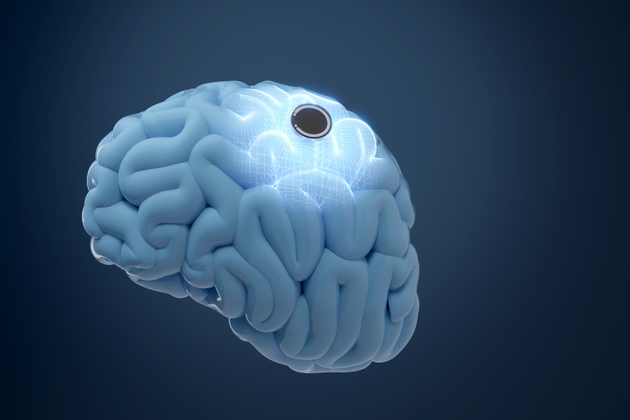
“High-volume production” for Neuralink means scaling from the current 12 implants in patients as of September 2025 in controlled research settings to hundreds or thousands of devices annually. This requires overhauling manufacturing, surgical infrastructure, and supply chains.
Musk’s core technical announcements include:
- Automated surgical procedure: Moving from bespoke neurosurgery to nearly fully automated implantation, reducing human error and time. This is detailed in the same source.
- Simplified device threads: Threads that pass through the dura (the brain’s protective membrane) without removal, cutting surgical complexity and recovery time. Source.
The current N1 implant architecture features 1,024 electrodes across 64 threads, previously needing specialized surgical teams. Source. Scaling this design demands precision at a microscopic level.
Envisioned applications focus on medical restoration of motor function. The first recipient, Noland Arbaugh—a 29-year-old quadriplegic from a diving accident in January 2025—now plays video games, online chess, and performs digital tasks. Source. This exemplifies the potential for BCIs to restore independence, part of a broader revolution in AI in healthcare and the future of wearable health tech.
Long-term, the vision extends beyond therapy to enhancement, but the immediate goal is scaling the BCI manufacturing scale timeline for accessible medical use. The shift from custom-built devices to mass production is akin to moving from handmade cars to assembly lines—a daunting yet transformative leap.
The Engineering Hurdles: Scaling from Dozens to Thousands
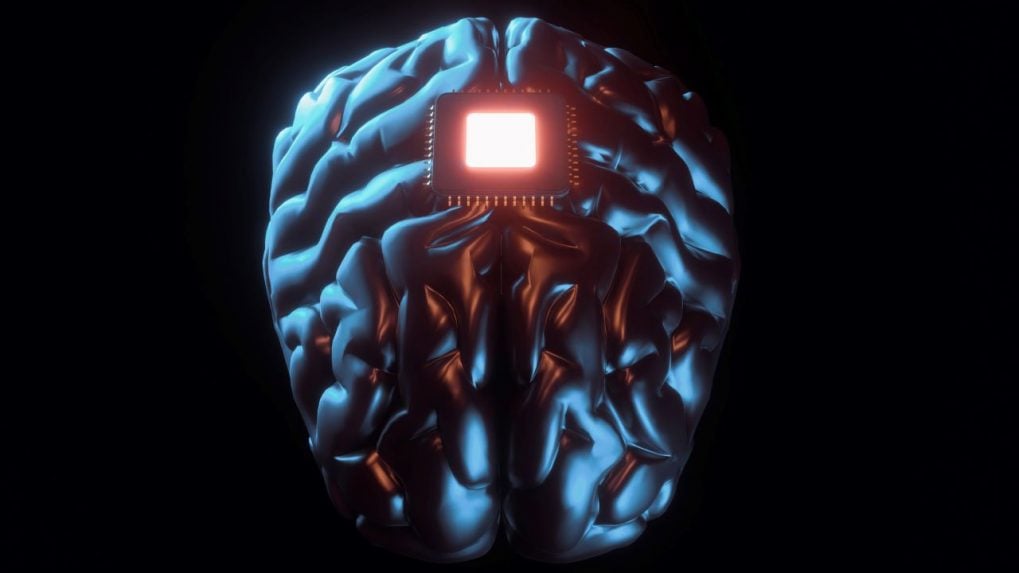
Scaling BCI production isn’t just about making more devices; it’s about overcoming precision engineering challenges. Key hurdles include:
- Precision manufacturing: Hair-thin electrode threads require semiconductor-level tolerances, which are difficult to mass-produce consistently. Each thread must be flawless to avoid neural damage or signal loss.
- Quality assurance: Early issues like thread retraction and electrode signal loss must be resolved. Source. Without robust testing, scaled production could lead to high failure rates.
- Surgical infrastructure: Training teams across multiple centers to perform automated surgeries is a logistical mountain. Each center needs specialized robots and sterile environments.
- Supply chain development: Sourcing specialized materials, components, and ensuring sterilization at scale. This includes biocompatible polymers and microelectronics.
These challenges underscore the complexity of the Neuralink high volume brain implants by 2026 Musk plan. Without addressing them, high-volume production remains a distant dream. Moreover, the BCI manufacturing scale timeline must account for iterative design improvements based on patient feedback.
Quote from a bioengineer: “Scaling neural implants is like scaling heart surgery—every detail matters, and automation must be perfect.”
Critical Milestones for 2026 Credibility
For Neuralink’s 2026 timeline to be credible, several milestones must be achieved:
- Proven reliability in current trials: Demonstrating that simplified surgery and threads eliminate failures like signal loss. This requires published data from ongoing studies.
- FDA approval clarification: Scaling requires regulatory green lights for broader deployment beyond investigational exemptions. The FDA must adapt its frameworks for high-volume BCIs.
- Multiple surgical centers with automation: Establishing facilities equipped for high-throughput procedures. Neuralink needs partnerships with hospitals worldwide.
- Manufacturing consistency: Producing thousands of units with uniform quality. This involves setting up factories with advanced robotics.

Comparing to industry: Medical devices like cochlear implants took 15-20 years post-approval to reach high-volume. Neuralink aims to compress this timeline, adding execution risk. The BCI manufacturing scale timeline is aggressive, but if successful, it could redefine medical device adoption. For context, the first cochlear implant was in 1961, but mass adoption came in the 1980s.
Key point: Neuralink’s timeline hinges on parallel progress in technology, regulation, and infrastructure—a triple challenge.
The Neural Tech Industry Ripple Effect
Neuralink’s push accelerates the neural tech industry impact by pressuring competitors like Synchron, BrainGate, and international teams to speed up timelines and secure funding. This is part of larger wearable AI technology trends.
Investment dynamics are shifting: Neuralink’s $650 million Series E in June 2025 shows capital availability, drawing venture capital, pharma partnerships, and new supply chains for neural components. This influx fuels innovation across the sector.

Think of this as the “iPhone moment” for BCIs: Scaled production standardizes devices, enabling third-party apps and new neural application categories beyond medical uses. This could unleash innovation in gaming, communication, and cognitive enhancement. Just as smartphones spawned app economies, BCIs might birth “neuro-apps” for memory augmentation or emotion regulation.
Impact areas:
- Research acceleration: More data from implanted patients speeds up algorithm development for decoding neural signals.
- Cost reduction: Mass production could lower device costs, making BCIs accessible to more patients.
- Talent attraction: The hype draws engineers and neuroscientists into the field, boosting overall expertise.
This ripple effect underscores how the neural tech industry impact extends far beyond Neuralink, potentially transforming healthcare, entertainment, and human-computer interaction.
The Governance Gap: Ethics and Regulation in the Age of BCIs
As BCIs scale, governance lags. The FDA’s investigational device exemption suits small trials but not thousands across centers. Key debates include:
- Neural data privacy: How do we protect brain activity data from misuse? This data is intensely personal—think of it as the ultimate biometric.
- Cognitive liberty: Ensuring users control implant functions, preventing unauthorized access or manipulation.
- Identity and agency: BCI effects on personal identity and choice. Could implants alter one’s sense of self?

This underscores the need for strong ethical AI deployment strategies. An ethical framework must address:
- Informed consent: Considering long-term neurological implications of permanent implants. Patients must understand risks beyond surgery, like data breaches or software updates.
- Access and equity: Avoiding a “neuro-divide” between enhanced and restored users. BCIs should not become luxury items for the wealthy.
- International governance: Consistent standards across borders to prevent regulatory arbitrage.
The urgency for ethics and tech governance parallels tech development, demanding proactive policy-making. Quote from an ethicist: “We can’t afford to play catch-up with brain technology; the stakes are too high.”
Additional concerns:
- Liability issues: Who is responsible if a BCI fails or causes harm—the manufacturer, surgeon, or software developer?
- Military applications: BCIs could be used for enhanced soldier performance, raising ethical red flags.
- Long-term effects: Decades of implantation may have unknown neurological consequences.
Addressing these requires collaboration between tech companies, regulators, ethicists, and patient advocates.
Weighing Ambition Against Reality: The Path to 2026
The Neuralink high volume brain implants by 2026 Musk plan is bold, but hurdles in manufacturing, validation, regulation, and infrastructure are significant. Automated surgery and simplified threads address key bottlenecks, yet execution remains uncertain. The plan’s feasibility depends on overcoming each challenge outlined above.
Regardless of the exact timeline, this announcement transitions BCIs from speculative research to deployment engineering, accelerating innovation, capital, and governance discussions. Responsible innovation requires parallel development of regulatory, ethical, and equitable access mechanisms. The key 2026 metric may not just be device numbers, but the establishment of frameworks for inclusive deployment.
As Neuralink charges toward 2026, this vision challenges us to balance breakthrough speed with thoughtful societal integration—inviting readers to stay tuned for updates on humanity’s next leap in human-machine collaboration.

Frequently Asked Questions
What is the current status of Neuralink’s brain implants?
As of September 2025, Neuralink has implanted devices in 12 patients, focusing on clinical trials for motor restoration. The company plans to scale to high-volume production by 2026, but this depends on regulatory approvals and technical milestones.

How will automated surgery work for Neuralink implants?
Neuralink aims to use nearly fully automated surgical procedures, where robots handle implantation with precision, reducing human error and surgery time. Simplified threads that pass through the dura without removal further streamline the process, potentially allowing for quicker, safer operations.
What are the main challenges in scaling BCI production?
Key challenges include precision manufacturing of electrode threads, quality assurance to prevent signal loss, developing surgical infrastructure, and establishing reliable supply chains for specialized components. Each of these requires significant investment and innovation.
How will Neuralink’s plan impact the broader neural tech industry?
Neuralink’s push is expected to accelerate competition, increase investment, and standardize BCI technology, potentially leading to an “iPhone moment” with third-party applications and new use cases. This could spur growth across healthcare, gaming, and communication sectors.
What ethical concerns arise from high-volume BCI deployment?
Ethical concerns include neural data privacy, cognitive liberty, identity issues, and equitable access to avoid a neuro-divide. Strong governance frameworks are needed to address these proactively, involving multi-stakeholder dialogues and international cooperation.