
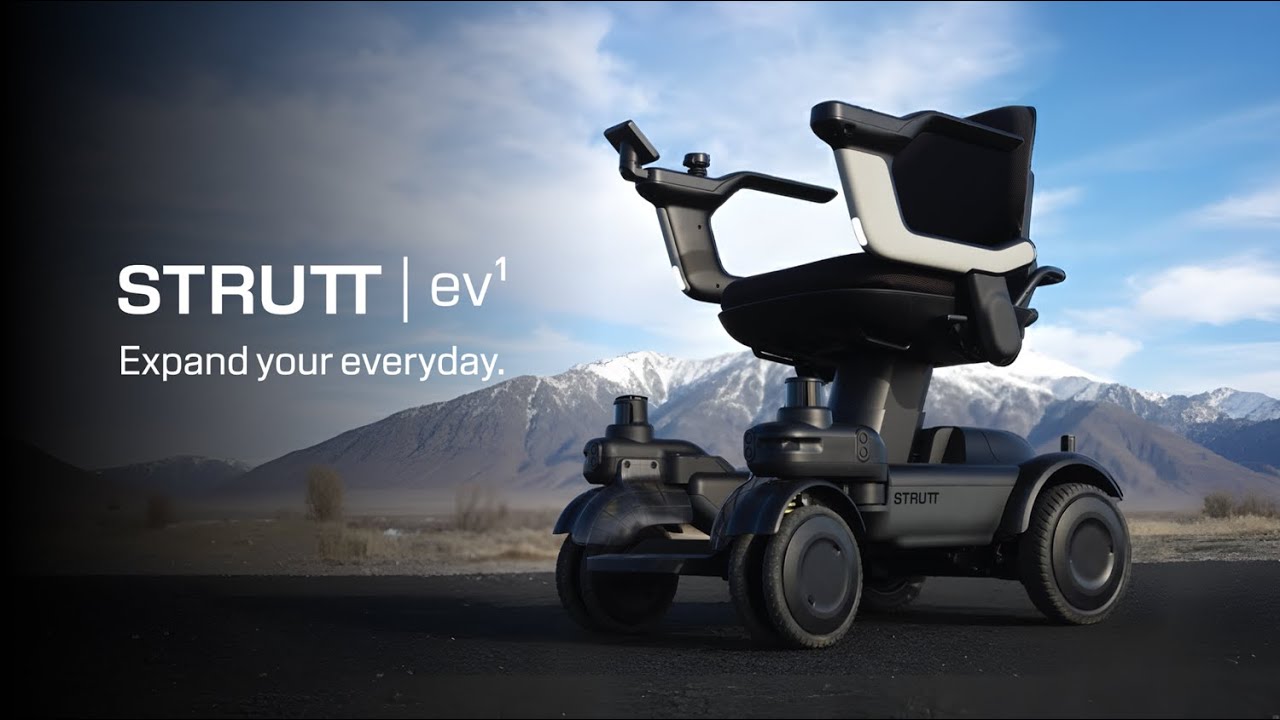
Strutt EV1 Concept Vehicle: Revolutionizing Personal Urban Transport Tech
Estimated reading time: 8 minutes
Key Takeaways
- The Strutt EV1 concept vehicle is an AI-enabled electric superchair achieving “human-vehicle unity” for seamless urban mobility.
- It features a quad-motor drive system, LFP battery with up to 32km range, and modular design for portability.
- With 20 intelligent sensors and the evSense system, it offers predictive collision prevention and terrain adaptation.
- This vehicle exemplifies personal urban transport tech, addressing congestion, sustainability, and convenience in cities.
- It reflects broader electric mobility trends like miniaturization and last-mile solutions.
- Innovations such as autonomous modes and compact design position it as a leader in compact EV innovations.
Table of contents
- Strutt EV1 Concept Vehicle: Revolutionizing Personal Urban Transport Tech
- Key Takeaways
- Introduction: Urban Mobility Challenges and a Solution
- What is the Strutt EV1 Concept Vehicle?
- Detailed Specifications and Design
- Strutt EV1 in Context of Personal Urban Transport Tech
- Reflecting Electric Mobility Trends
- Compact EV Innovations Showcased
- Frequently Asked Questions
Introduction: Urban Mobility Challenges and a Solution
Urban centers worldwide are grappling with crowded streets, relentless congestion, and the urgent need for sustainable transport options. Navigating these environments can be a daily struggle, especially for individuals with mobility challenges. Enter the Strutt EV1 concept vehicle—an AI-enabled electric superchair that promises to achieve “human-vehicle unity” through intuitive controls and advanced safety features. This innovation aims to make mobility seamless for urban dwellers, offering a glimpse into the future of personal urban transport tech.
What is the Strutt EV1 Concept Vehicle?
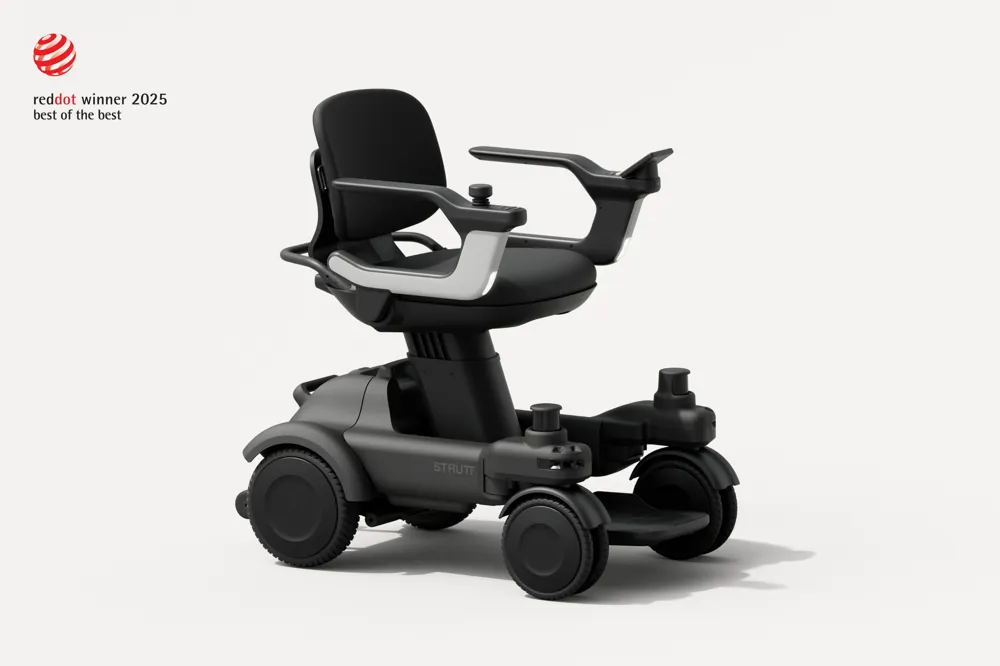
The Strutt EV1 concept vehicle is a compact, modular electric personal mobility aid that resembles a high-tech wheelchair. It is designed for users who need enhanced daily mobility, such as those with disabilities or anyone navigating crowded cities. By positioning itself as a paradigm of personal urban transport tech, it ties into broader electric mobility trends. Its significance is underscored by awards like the 2026 CES Best of Innovation and 2025 Red Dot Best of Best, and it offers real-world advantages such as eliminating collision anxiety, as highlighted in industry reports.
Detailed Specifications and Design
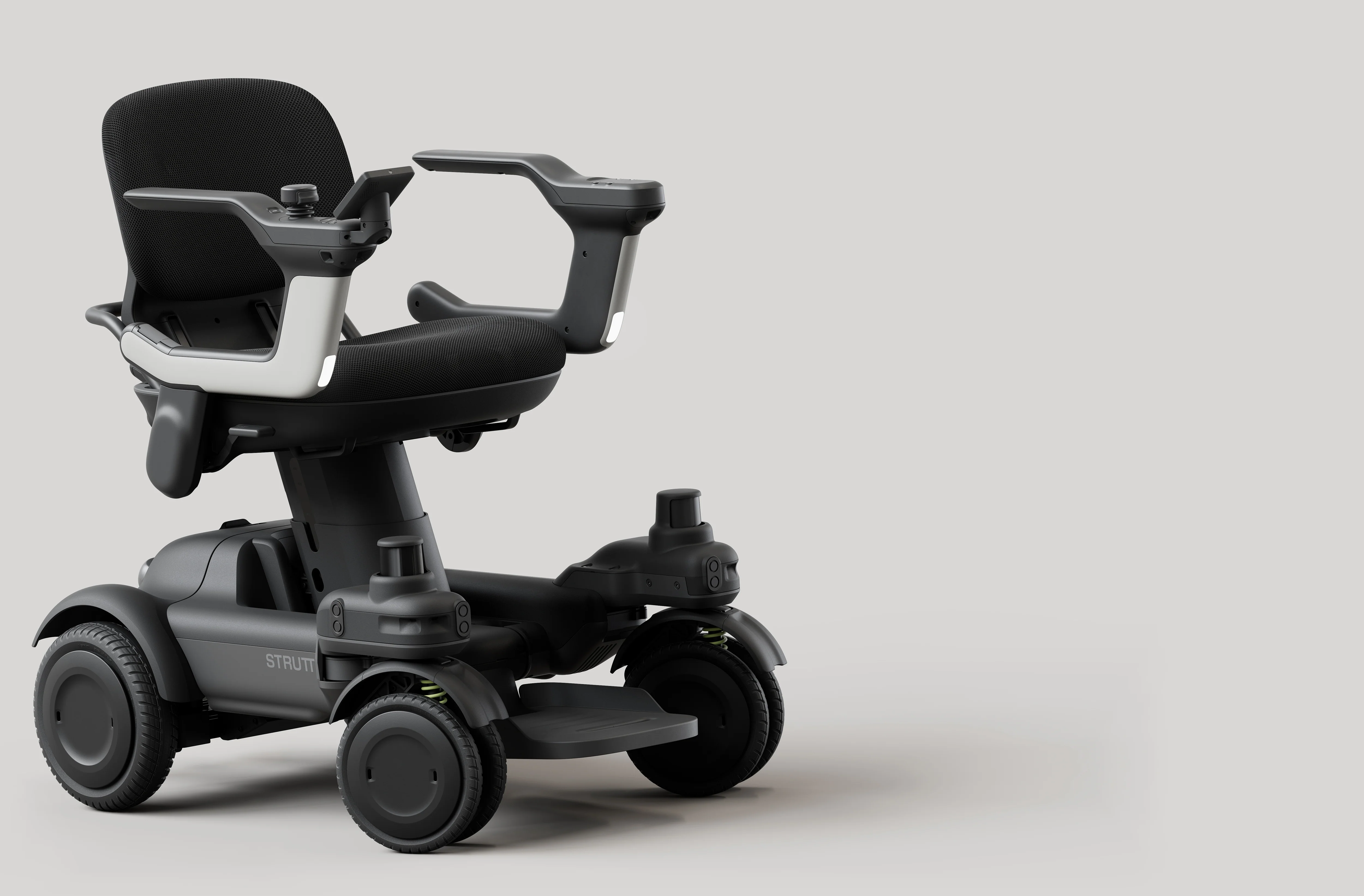
The Strutt EV1 concept vehicle boasts a range of cutting-edge features that set it apart in the realm of compact EV innovations. Here are the key specifications:
- Quad-Motor Drive System: With front-wheel steering and rear high-torque motors, this system ensures all-terrain reliability and precise control, as demonstrated in video showcases.
- LFP (Lithium Iron Phosphate) Battery: Offering up to 32km range per charge, this battery technology is known for its safety and longevity, detailed in technical blogs.
- Adjustable Ergonomics: Features like seat height, armrest width, and swappable controls allow for customization, and the vehicle disassembles into five portable parts for easy transport, as noted on product pages.
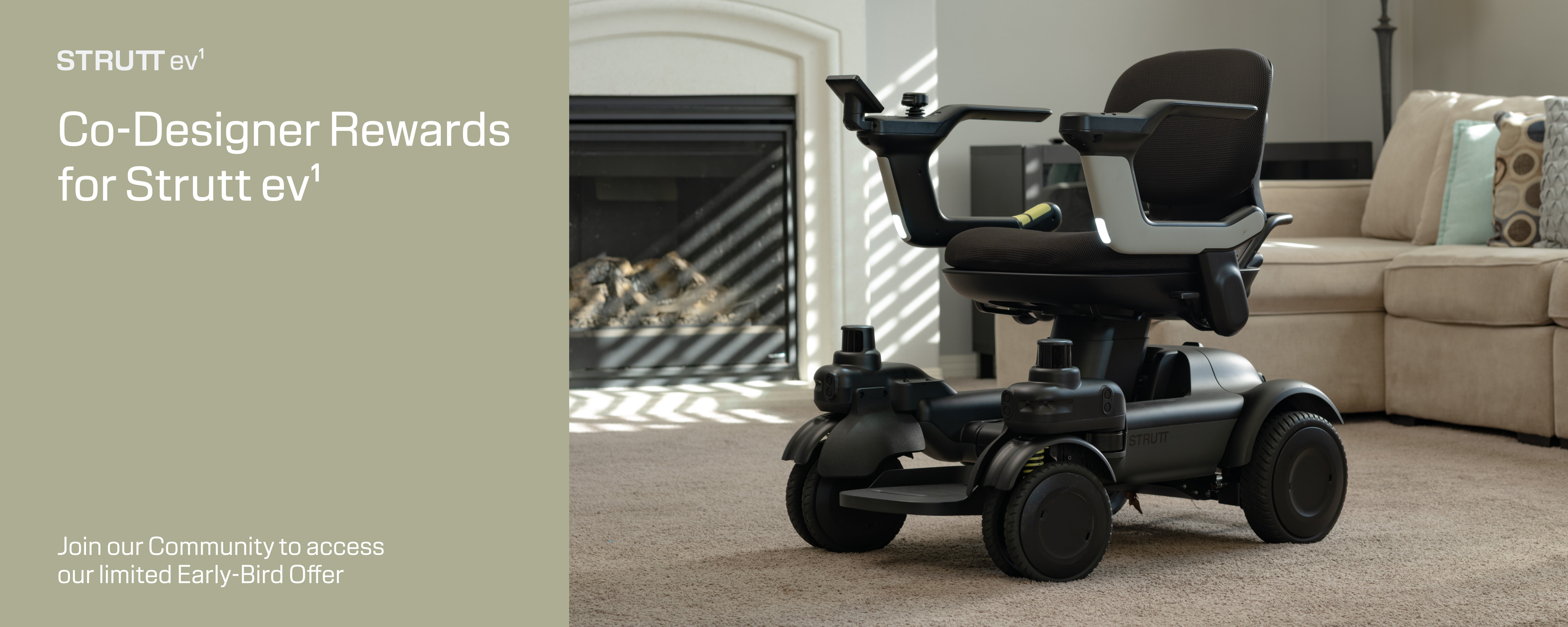
Target users include individuals seeking independent urban navigation from indoor spaces to outdoor paths. The Strutt EV1 offers multiple modes:
- Manual Mode: Joystick-only control with haptic alerts for obstacles.
- Co-Pilot Mode: Provides 360° collision avoidance assistance.
- Co-Pilot+ Mode: Features dynamic path-finding for autonomous navigation, enhancing user experience as seen in demos.
As a concept vehicle, the Strutt EV1 showcases prototype innovations like 20 intelligent sensors, including 360° LiDAR, ToF sensors, ultrasonic detectors for glass and curbs, two cameras, and 10 ToF units. These are integrated into the evSense system for predictive collision prevention and terrain adaptation, described on official sites.

Autonomous modes include Pathfinder (tap-to-go navigation) and Waypoint (routine automation). Advantages include haptic feedback for obstacles, a rugged build for inclines and wet surfaces, and sport-mode top speeds. These applications align with broader trends in unbeatable AI-powered transportation and breakthrough UK autonomous vehicle innovations, with real-world testing insights available from industry reviews.

Strutt EV1 in Context of Personal Urban Transport Tech
The Strutt EV1 concept vehicle exemplifies a shift from bulky cars to specialized personal urban transport tech. It prioritizes maneuverability in congested cities over traditional vehicles, addressing key user needs:
- Convenience: With joystick omnidirectional control and auto-pathing, it simplifies navigation.
- Efficiency: Its compact footprint and 32km range make it ideal for daily commutes.
- Reduced Congestion: The narrow design allows easy access to lifts and crowded areas, contributing to revolutionary AI solutions for traffic congestion.
- Sustainability: Powered by safe LFP batteries and electric power, it supports eco-friendly urban mobility.

The Strutt EV1 blends robotics and automotive tech for fluid indoor-outdoor transitions, reflecting human-centered urban solutions, as explored on company pages and in testing reports.
Reflecting Electric Mobility Trends
The Strutt EV1 concept vehicle mirrors key electric mobility trends such as miniaturization, specialization, and last-mile solutions. Its disassemblable parts showcase miniaturization, while AI-assisted personal aids represent specialization. The autonomous navigation without mapping addresses last-mile challenges, aligning with insights from industry analyses.
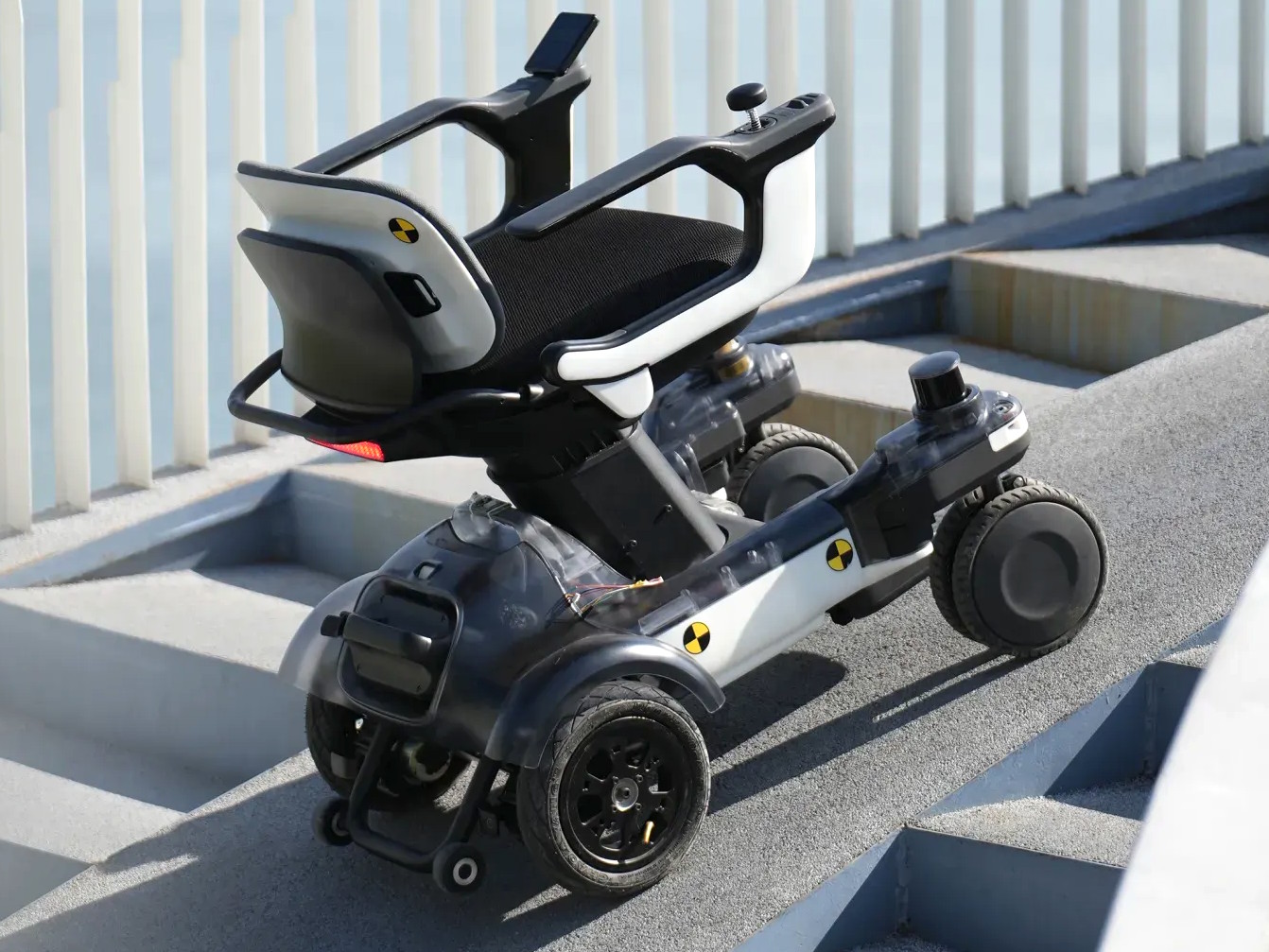
Enabling technologies include advancements in LFP batteries for long-life, low-toxicity power; sensor fusion for enhanced safety; and charging infrastructure for scalable urban deployment. This influences smart, shared micro-mobility and aligns with the rise of unbeatable AI-powered smart vehicles, as detailed in product specifications.
Compact EV Innovations Showcased
The Strutt EV1 concept vehicle highlights several compact EV innovations:
- Quad-Drive Architecture: With torque vectoring per wheel, it offers superior stability and control, outpacing basic power wheelchairs, as seen in technical breakdowns.
- Smart Suspension: Ensures stability on mixed terrains, enhancing user comfort.
- evSense System: Fuses human intent with AI using LiDAR, cameras, and ultrasonics for preemptive safety, haptic vibrations, and 3D touchscreen mapping with rear cameras, showcased on official sites.

Here is a comparison table showcasing how the Strutt EV1 stacks up against typical compact EVs:
| Feature | Strutt EV1 | Typical Compact EVs (e.g., e-scooters/power chairs) |
|---|---|---|
| Drive System | Quad-motor, active torque control [Source] | Single/dual motors, less adaptive |
| Sensors | 20 units (LiDAR, ToF, ultrasonics, cams) [Source] | Basic proximity only |
| Autonomy | Pathfinder/Waypoint modes [Source] | Manual or limited assist |
| Battery/Range | LFP, 32km [Source] | Shorter range, less safe chemistries |
| Unique Edge | Human-vehicle unity, modular design [Source] | Bulkier, less intuitive |
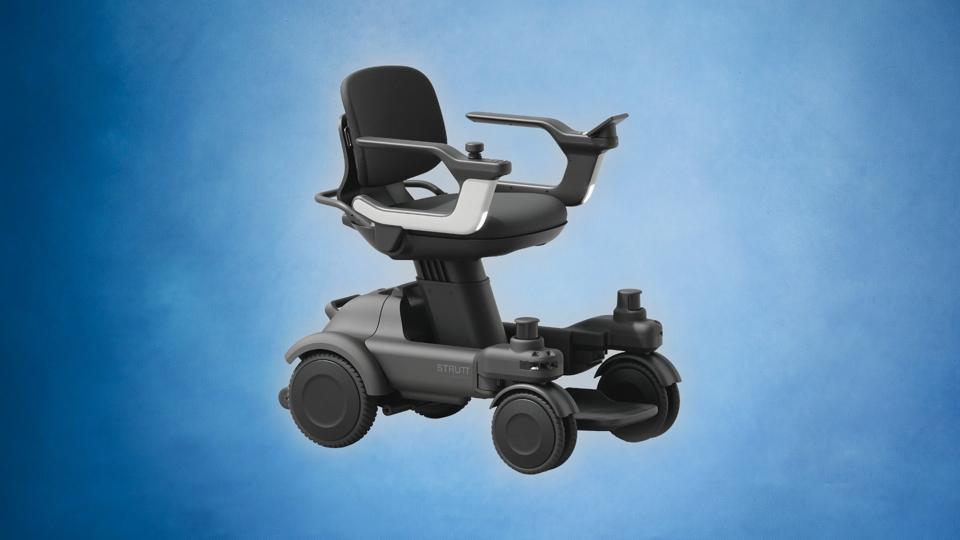
The Strutt EV1’s premium, award-winning leadership in precision and safety is similar to advancements seen in breakthrough Zoox robotaxi production, with further insights from industry evaluations.
Synthesizing, the Strutt EV1 concept vehicle encapsulates personal urban transport tech, electric mobility trends, and compact EV innovations, potentially reshaping city planning with micro-mobility hubs, inclusive infrastructure, and AI-driven sustainable choices.
Imagine cities transformed by accessible, intuitive mobility like the Strutt EV1—stay ahead of electric mobility trends by following innovations in personal urban transport tech. Explore Strutt’s site or share your thoughts on compact EVs in the comments.

Frequently Asked Questions
What is the Strutt EV1?
The Strutt EV1 is an AI-enabled electric personal mobility vehicle designed for urban environments, offering advanced features like autonomous navigation and collision avoidance, as introduced in launch videos.
How does the Strutt EV1 work?
It uses a combination of sensors, including LiDAR and cameras, along with AI algorithms to provide safe and intuitive mobility through various modes like Manual, Co-Pilot, and Co-Pilot+, detailed on blog posts.
Who is the Strutt EV1 for?
It is designed for individuals with mobility challenges, as well as anyone seeking efficient and sustainable urban transport options, aligning with company vision.
What is the range of the Strutt EV1?
The LFP battery provides up to 32 kilometers per charge, making it suitable for daily urban commutes, as specified in technical specs.
Is the Strutt EV1 available commercially?
As a concept vehicle, it is currently in the prototype stage, but it has garnered awards and attention for its innovative design, with updates available on official pages.