
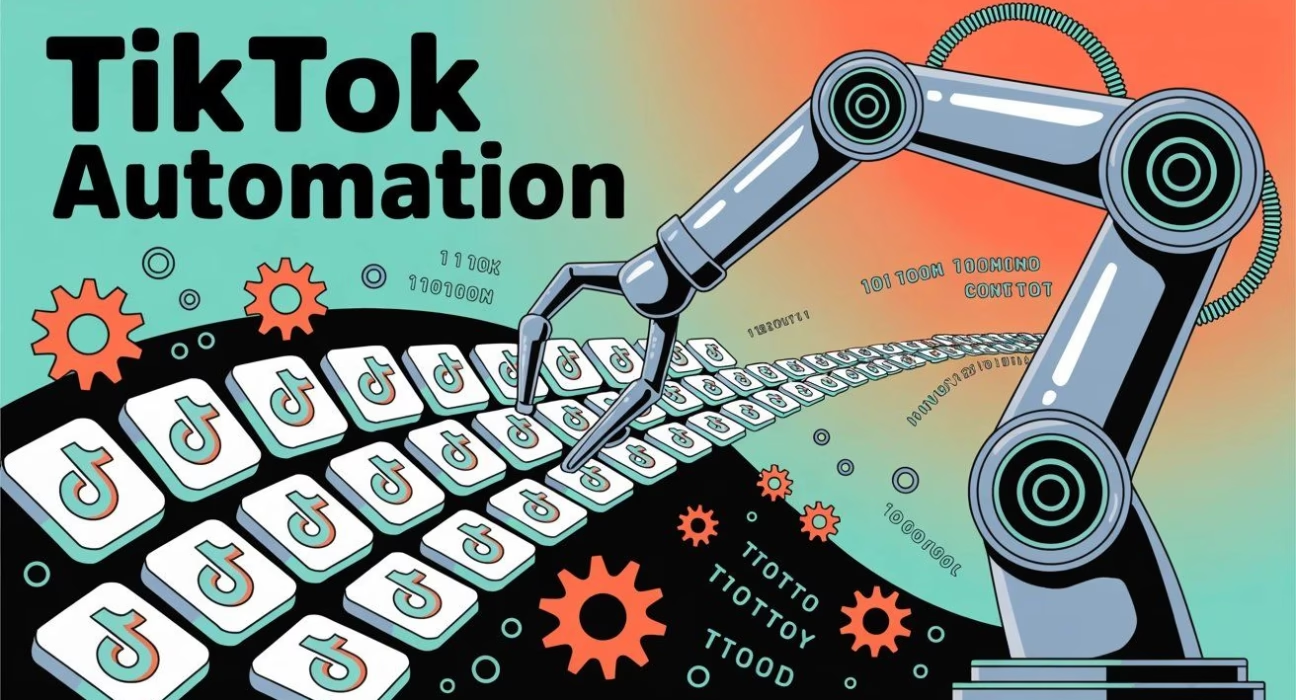
TikTok AI Editor: The Ultimate Guide to Content Automation
Estimated reading time: 8 minutes
Key Takeaways
- A TikTok AI Editor uses artificial intelligence to automate video editing tasks like trimming, captioning, and reframing.
- Creators using these tools report saving up to 70% of their editing time, allowing for more frequent posting.
- These tools represent a new category of creator productivity tools designed specifically for short form content AI workflows.
- AI does not replace the creator; it handles technical grunt work, freeing creators to focus on storytelling and direction.
- The market for AI editing software has attracted over $4 billion in funding, signaling massive growth and importance.
Table of contents
- TikTok AI Editor: The Ultimate Guide to Content Automation
- Key Takeaways
- Why Automation is Essential for Creators in 2024/2025
- Understanding the Short Form Content AI Revolution
- Key Features of a Top-Tier TikTok AI Editor
- Transforming Repurposing Workflows
- The Human + AI Model
- The Economic Case for Investing in AI Editing
- Frequently Asked Questions
The pressure to post daily on TikTok, Reels, and Shorts is relentless. Creators face a constant dilemma: maintain algorithm growth by publishing 1-2 times per day, or risk losing visibility. Manual editing for each clip can take hours. TechCrunch (Nov 2024) reported that “TikTok is rolling out an AI-powered editing suite that auto-trims silences, generates captions, and recommends B-roll clips.” This is where the TikTok AI Editor emerges as the core solution for modern creators, solving the manual editing bottleneck that stifles productivity. This post will explore how a TikTok AI Editor fits into creator productivity tools and enables video editing automation for short form content AI and AI social content.

Why Automation is Essential for Creators in 2024/2025
The average top creator spends 6-10 hours per week on editing alone, according to the Adobe/SignalFire 2024 Creator Economy Report. Platforms reward daily posting with algorithm boosts, making manual editing unsustainable for consistent growth. The biggest time-waster lies in manual editing tasks: trimming clips, adding captions, and cutting silences. Video editing automation reclaims hours each week, allowing creators to focus on strategy and ideation. This marks the rise of creator productivity tools as a distinct software category, with the TikTok AI Editor leading the charge. As TikTok’s beta users report up to 70% time savings, the need for automation becomes undeniable. For more on boosting overall tech workflow efficiency, see our guide on Unleash Your Potential: 5 Tricks for increasing productivity with technology.
Understanding the Short Form Content AI Revolution
Short form content AI uses computer vision and natural language processing to make editorial decisions beyond simple presets. Tools like Opus Clip, backed by Sequoia, and Descript’s “AI Edit” analyze speech patterns to create multiple short clips from a single long video. TikTok’s own feature, “AI Script to Video,” announced in January 2025, was reported by The Verge to “use large language models to parse a creator’s text prompt, then select footage, apply transitions, and add captions.” This differs fundamentally from traditional templates because the AI adapts to each video’s unique content and pacing. This revolution builds on broader AI trends, so learn about other game-changing applications in 10 Cutting Edge AI Technologies Shaping the Future.
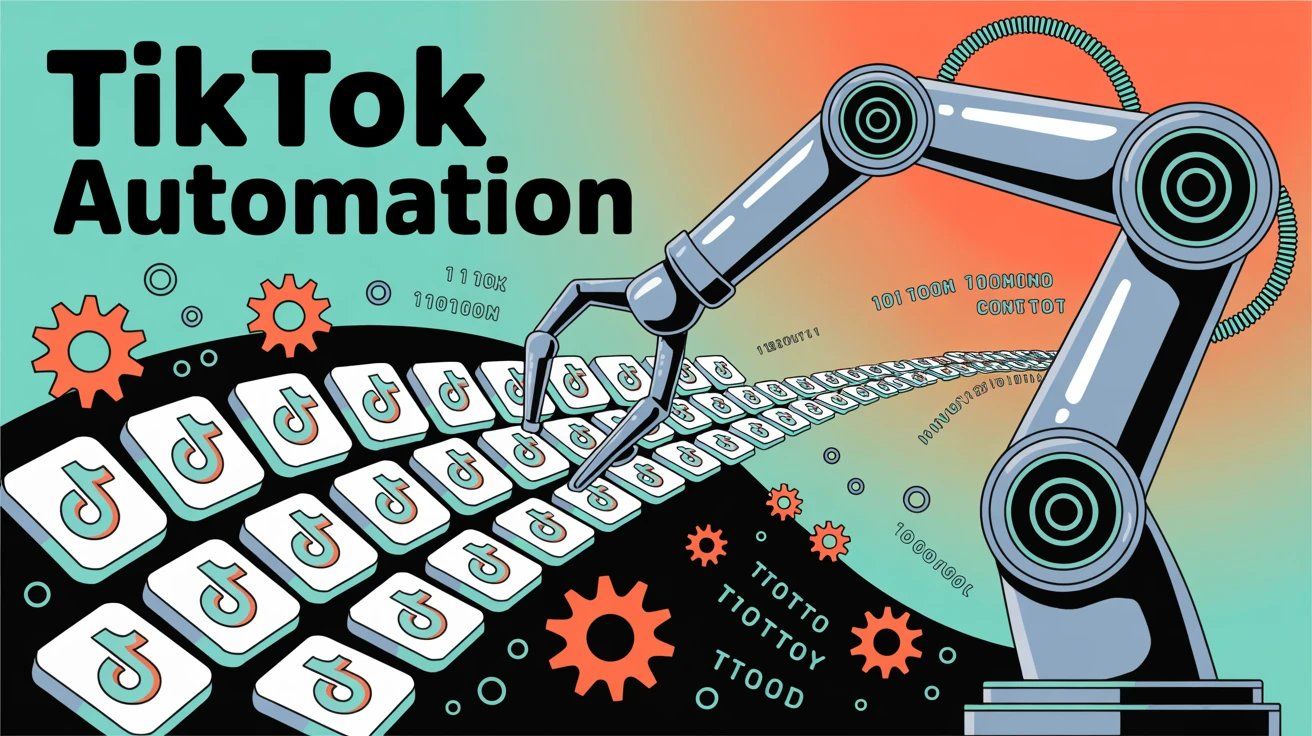
Key Features of a Top-Tier TikTok AI Editor
Feature 1: Auto-Captioning and Styling
AI generates captions and automatically styles them, often color-coded per speaker. Caption AI, acquired by Shopify in 2024, reduces styling time by 90%. Axios (March 2025) covered “The Billion-Dollar Bet on AI Editing for Social Media,” highlighting this as a core creator productivity tool.

Feature 2: Auto-Cutting Silences and Dead Air
Descript’s “Remove Filler Words” and “Silence Detection” remove gaps longer than 0.5 seconds, a prime example of video editing automation that straightens raw footage instantly.
Feature 3: Auto-Reframing and Zooming
TikTok’s “Portrait Mode” tool, released in December 2024, uses AI to keep the speaker in frame. Third-party tools like Veed.io offer similar AI-crop features, exemplifying short form content AI in action.

Feature 4: Automated Soundtrack and Beat Sync
Runway ML introduced “Gen-3 Beat Sync” in March 2025, which analyzes audio tempo and cuts video to match beats, as reported by the same Axios article. These features collectively make a TikTok AI Editor the ultimate set of creator productivity tools, turning raw 30-minute takes into polished 60-second clips.
Transforming Repurposing Workflows
Creators need to repurpose long-form content from YouTube and podcasts into TikToks, which is the most popular use case according to the Buffer Q4 2024 survey. A TikTok AI Editor automates this by extracting highlights, resizing for portrait mode, and adding captions. Opus Clip claims users save 12 hours per week by automatically extracting 10+ short clips from a single YouTube video. The AI identifies “hook moments” based on engagement analytics. Wired (Feb 2025) reported that “Creators who previously spent four hours editing a single TikTok now upload a podcast episode, wait 10 minutes, and receive a folder of ready-to-post clips.” This frames AI social content as maximizing ROI without extra editing hours.

The Human + AI Model
Does AI replace creative directors or editors? No. The model works best when the creator provides direction through script, vibe, and call to action, while the TikTok AI Editor handles the grunt work. TikTok’s own guidance from November 2024 states: “By automating the technical editing tasks, we free up creators to concentrate on storytelling, authenticity, and audience connection.” A Gartner Report (March 2025) adds: “The bottleneck is no longer video length or format – it is the quality of the creative brief. Creators who master prompt design and AI-directing will outperform those who rely on manual editing.” Smart prompts allow creators to write a script and set tone, then AI executes. Tools that enable smart prompts see 3x higher retention than fully autonomous edits, according to a TikTok whitepaper. For more on how AI shapes the wider creative landscape, explore Breakthrough AI-Generated Music: Revolutionizing the Future of Sound, Creativity, and Ethical Debates.
The Economic Case for Investing in AI Editing
According to Axios (March 2025), “These tools have become the fastest-growing category in creator productivity software, with combined funding exceeding $4 billion in the last 18 months.” Gartner predicts that by 2026, 50% of all short-form social media video content will be at least partially edited using AI. The most successful creators report 40% less editing time while maintaining engagement. As you adopt these new tools, remember to protect your online presence by learning How to Stay Safe and Secure in the Digital Age – Protecting personal data online guide.

Frequently Asked Questions
What is a TikTok AI Editor?
A TikTok AI Editor is a software tool that uses artificial intelligence to automate video editing tasks specifically for short-form video platforms like TikTok, Reels, and Shorts. It handles tasks such as trimming silences, generating captions, reframing shots, and syncing music to beats.
How much time can a TikTok AI Editor save?
Beta users of TikTok’s own AI editor reported time savings of up to 70%, while third-party tools like Opus Clip claim users save an average of 12 hours per week by automating content repurposing workflows.
Will a TikTok AI Editor replace human creativity?
No. The best results come from a Human + AI model where the creator provides direction, script, and tone, while the AI handles technical editing tasks. This frees up creators to focus on storytelling and audience connection.
What features should I look for in a TikTok AI Editor?
Key features include auto-captioning with styling, auto-cutting of silences and filler words, auto-reframing and zooming to keep subjects in frame, and automated soundtrack sync with beat detection.
How does short form content AI differ from traditional editing templates?
Short form content AI uses computer vision and natural language processing to make editorial decisions based on the actual content of each video, rather than applying static presets. It adapts to speech patterns, engagement analytics, and creative briefs.
What is the economic outlook for AI editing tools?
The market for these tools has attracted over $4 billion in funding, and Gartner predicts that by 2026, 50% of all short-form social media video content will be at least partially edited using AI, making it a rapidly growing investment category.