
800 Mile EV Range Solid State Battery
Estimated reading time: 7 minutes
Key Takeaways
- The “800 mile ev range solid state battery” is a headline-grabbing target based on recent prototype announcements from companies like Chery, not a product you can buy today.
- Key prototypes in 2025 claim energy densities of ~600 Wh/kg, which is roughly double current lithium-ion packs.
- Solid-state batteries promise higher safety, faster charging, and longer lifespan compared to lithium-ion.
- Mass-market production EVs with solid-state batteries are expected closer to 2027–2030.
- Lithium-ion will remain dominant for budget and mainstream EVs for years due to cost and supply chain maturity.
Table of contents
- 800 Mile EV Range Solid State Battery
- Key Takeaways
- Section 1: Inside the Latest “World’s Largest” Solid-State Battery Claims
- Section 2: The Next-Generation Technology Behind the 800-Mile Target
- Section 3: Solid State Battery vs Lithium Ion Comparison
- Section 4: A New Benchmark – The Longest Range Electric Vehicle Battery in 2025 Context
- Frequently Asked Questions
Section 1: Inside the Latest “World’s Largest” Solid-State Battery Claims
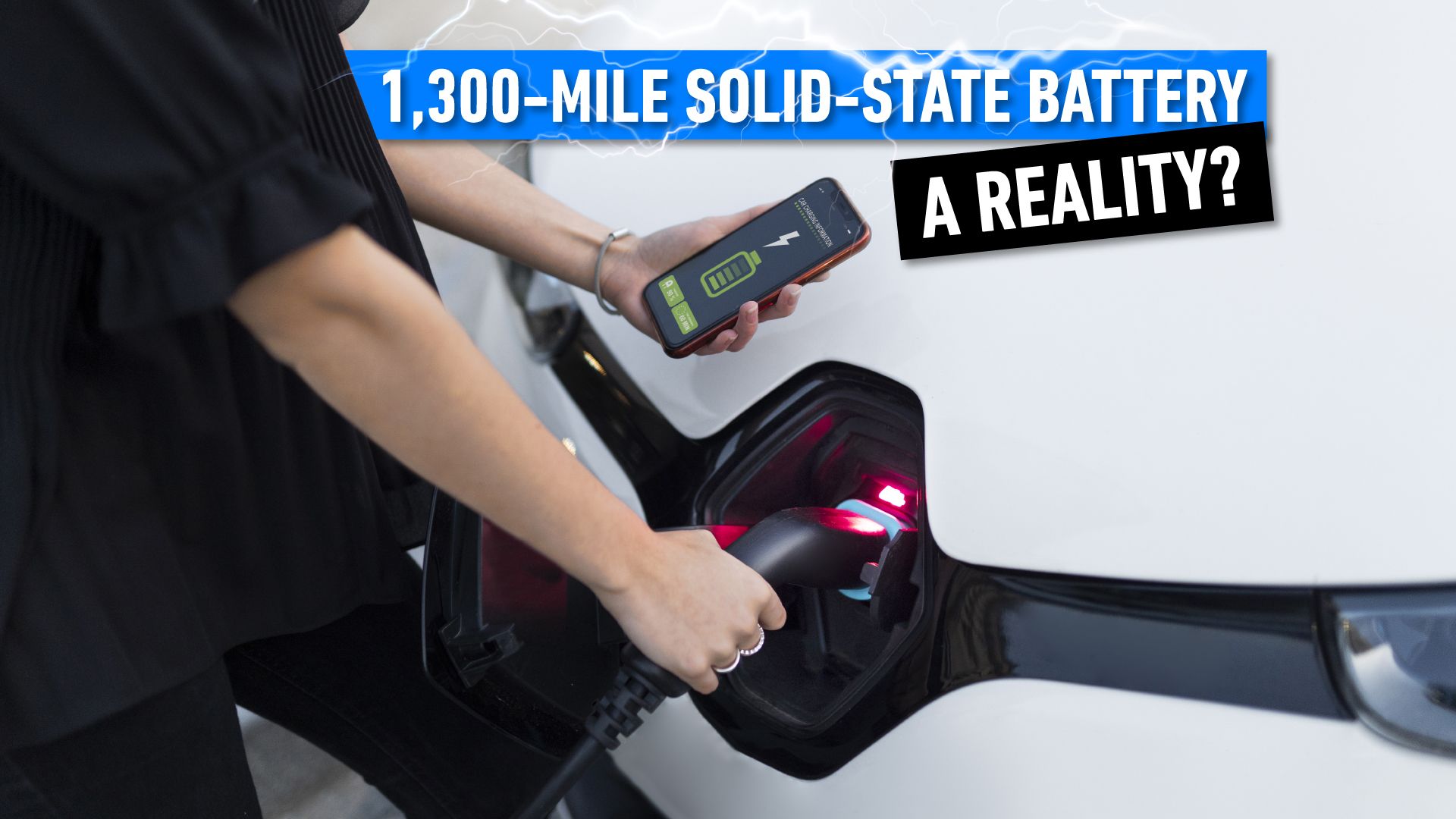
In 2025, headlines erupted with news of the “800 mile ev range solid state battery” and the “worlds largest solid state battery unveiled 2025”. These claims stem from announcements by major automakers, most notably Chinese manufacturer Chery, who showcased a solid-state battery module with a claimed 600 Wh/kg energy density. Media outlets like InsideEVs reported that this could theoretically enable a range of up to 1,200–1,300 km, roughly 750–800 miles, in an efficient electric vehicle.
Other players are also in the race. CATL, BYD, Toyota, and startups like Factorial and QuantumScape are all targeting high energy density and long range. However, it’s critical to understand what these announcements mean. The term “world’s largest” here typically describes the highest energy density prototype pack or the largest pilot-scale solid-state module disclosed, not a mass-market production battery. To grasp the scale of this jump, it helps to look at other consumer electronics. While a smartphone battery is measured in milliampere-hours, the same principles of energy density apply. Our guide on the Best 10 Powerful Smartphones with the Longest Battery Life provides a great comparison of how we currently measure and optimize for battery performance in a different form factor.
In terms of specs, energy density (Wh/kg) measures how much energy a battery can store per unit of weight. Current lithium-ion packs typically range from ~200 to 260 Wh/kg at the cell level. A jump to ~600 Wh/kg is roughly 2x that, making the “longest range electric vehicle battery 2025” a realistic technology roadmap target, even if not a production reality yet. So, in 2025, what we really have are lab/prototype/early pilot cells claiming ranges in the 700–800 mile class if used in a production vehicle.
Section 2: The Next-Generation Technology Behind the 800-Mile Target

To understand the 800 mile ev range solid state battery, we first need to define “next generation solid state battery technology”. Today’s EVs mostly use lithium-ion batteries with liquid electrolytes. A liquid carries ions between electrodes. Solid-state batteries replace that flammable liquid with a solid electrolyte—ceramic, polymer, or composite—that is more stable and allows tighter packaging.
This is the key defining feature of “next generation solid state battery technology.” In conventional lithium-ion, ions move through a liquid that can leak and is flammable. In solid state, ions move through a solid material that is more stable. This technology represents a fundamental shift, similar to how the adoption of other advanced tech has changed user expectations. To see how other emerging technologies are evolving, check out our analysis of the 10 Cutting Edge AI Technologies Shaping the Future.
The benefits connect directly to the 800 mile EV range solid state battery:
- Higher energy density: More energy in the same or smaller space, potentially enabling roughly 2x range, directly enabling the 800-mile target.
- Lighter weight: Improves efficiency, meaning more miles per kWh, contributing to the “longest range electric vehicle battery 2025.”
- Better thermal stability: Safer operation, potentially less complex cooling, allowing more usable capacity.
It is important to note that these advantages are targets that leading companies expect to hit at scale around 2027–2030, not fully realized in mass-market cars yet.
Section 3: Solid State Battery vs Lithium Ion Comparison
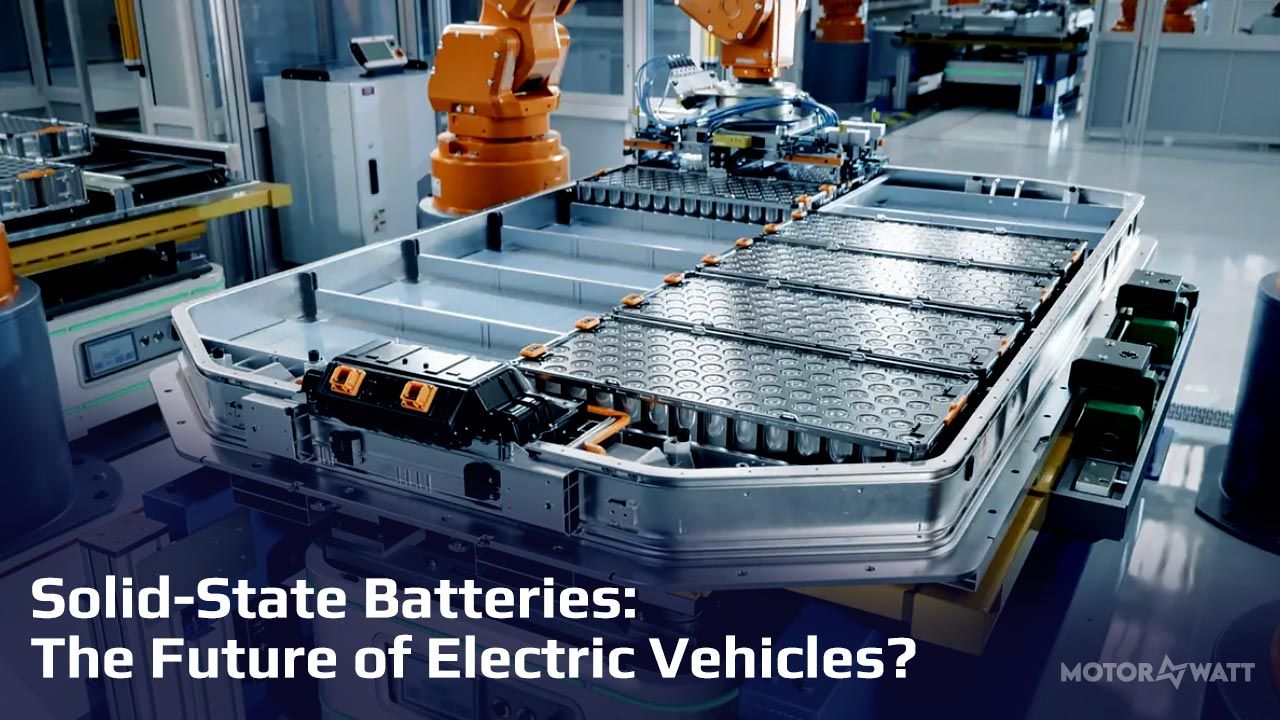
This “solid state battery vs lithium ion comparison” is essential for understanding where we are and where we’re going. A clear, honest look at the key points reveals the trade-offs.
1. Safety:
- Lithium-ion: Uses flammable liquid electrolytes; thermal runaway is a known risk.
- Solid state: Uses solid electrolytes that are less likely to catch fire. Chery demonstrated this with a puncture-resistant cell test, as reported by Electrek. However, large-scale real-world data is still limited.
2. Range / Energy Density:
- Lithium-ion: Most current EVs deliver ~250–400 miles EPA range; high-end models can go higher but not near 800 miles.
- Solid state: Lab and early prototype cells at 400–600+ Wh/kg could theoretically support 800-mile EVs, leading to the “longest range electric vehicle battery 2025” headlines. These are aspirational for production vehicles.
3. Cost:
- Lithium-ion: Mature supply chains; costs have fallen dramatically, making EVs more affordable.
- Solid state: Currently more expensive and complex to manufacture. BloombergNEF analysis shows costs are expected to drop as production scales in the late 2020s and early 2030s.
4. Lifespan / Degradation:
- Lithium-ion: Good but finite cycle life; degradation depends on chemistry and usage.
- Solid state: Promises more charge cycles and better capacity retention. QuantumScape has published promising test results demonstrating 1000-cycle life.
5. Charging Speed:
- Lithium-ion: Fast charging is possible but can accelerate degradation and requires heavy cooling.
- Solid state: In theory, supports faster charging with less degradation. Companies like Toyota and Factorial target 10–15 minute 10–80% fast charges. The promise of ultra-fast charging is a key part of the future of mobility. To see how speed and performance are being pushed in other areas, you might enjoy our analysis of the Mind-Blowing 420M Mbps Internet Speed Record: Download Baldur’s Gate 3 in Milliseconds.
In this “solid state battery vs lithium ion comparison,” solid state looks like the future path forward, especially for premium long-range EVs and trucks. However, lithium-ion will remain dominant for years due to cost, existing factories, and well-understood performance.
Section 4: A New Benchmark – The Longest Range Electric Vehicle Battery in 2025 Context

An “800 mile ev range solid state battery” represents a new benchmark that companies are racing toward. It is the “longest range electric vehicle battery 2025” in terms of publicly announced technology roadmap, rather than something you can walk into a dealership and buy today.
In 2025, we are seeing announcements, prototypes, and test modules from Chery, CATL, BYD, and various startups. Real-world, production EVs with 800-mile range packs are expected closer to 2027–2030, with early deployments likely in China and in high-end models or commercial vehicles. This timeline is supported by analyses from SNE Research.

Real-world implications if/when 800-mile packs arrive:
- Range anxiety drops dramatically; most people would rarely need to fast charge on road trips.
- Long-haul trucking and commercial fleets could cover more distance per charge, reducing downtime and infrastructure needs.
- Road trips become simpler: charge overnight or during a meal break instead of planning around charging stations.
This shift mirrors how other flagship technologies have moved from niche to mainstream. For a look at how another type of device has evolved from a prototype phase to a powerful tool in our daily lives, read about The Evolution of Smart Home Technology: From Prototypes to Mainstream Adoption.
Frequently Asked Questions
- Is the 800 mile EV range solid state battery real or just hype?
- When will solid-state batteries be available in production EVs?
- How does solid-state compare to current lithium-ion in terms of safety?
- Will solid-state batteries make EVs more expensive?
- What is the energy density of current solid-state prototypes?
Is the 800 mile EV range solid state battery real or just hype?
It is a real technology target based on prototype announcements from companies like Chery, who claim 600 Wh/kg cells that could theoretically support 800-mile range. However, it is not yet available in production vehicles. The 800 mile ev range solid state battery is currently an aspirational benchmark for the late 2020s and early 2030s.
When will solid-state batteries be available in production EVs?
Based on current announcements, small-scale or limited series EVs with solid-state cells are likely around 2027–2028, starting in China, Japan, and possibly Europe. Toyota has a 2027 target for solid-state. Broader adoption in mainstream models is more likely in the late 2020s to early 2030s. Initially, expect these batteries in premium EVs or high-value segments like luxury sedans and long-haul trucks.
How does solid-state compare to current lithium-ion in terms of safety?
Solid-state batteries are generally considered safer because they use a non-flammable solid electrolyte instead of a flammable liquid. This reduces the risk of thermal runaway. Chery’s puncture test results provide an early example, but large-scale real-world data is still limited, as solid-state has not been deployed at scale.

Will solid-state batteries make EVs more expensive?
Initially, yes. Solid-state batteries are currently more expensive to manufacture due to new materials, yield issues, and new production lines. As production scales, costs are expected to drop. Lithium-ion will remain crucial for budget EVs, hybrids, and many commercial fleets due to cost and supply chain maturity. As costs of new technology drop, it often finds its way into more affordable products. For guidance on how to find the best value in another tech category today, take a look at our How to Shop for Tech Gadgets on a Budget guide.
What is the energy density of current solid-state prototypes?
Current lab and early prototype cells claim energy densities of 400–600+ Wh/kg. This is roughly 2x the energy density of mainstream lithium-ion packs (which are typically ~200–260 Wh/kg at cell level). This high energy density is what makes the 800 mile ev range solid state battery theoretically possible.