
Apple Intelligence Delayed to 2027: What iOS 19 Missing AI Features Mean for You
Estimated reading time: 8 minutes
Key Takeaways
- Apple Intelligence delayed to 2027 is the central news, pushing transformative AI features well into the future.
- iOS 19 missing AI features means the next major iPhone update will deliver limited AI upgrades, not a revolution.
- Apple AI delay reasons include technical debt, underdeveloped models, hardware constraints, and strategic caution.
- Users and developers must adjust expectations for iOS 19 AI upgrades lacking compared to competitors.
- A full Siri overhaul and advanced generative AI tools are postponed until around iOS 20 in 2027.
Table of contents
- Apple Intelligence Delayed to 2027: What iOS 19 Missing AI Features Mean for You
- Key Takeaways
- The Official Delay: Apple Intelligence Features Postponed
- What iOS 19 Will (and Won’t) Offer in AI
- Why the Delay? Unpacking Apple AI Delay Reasons
- What This Means for Users and Developers
- Looking Ahead: What to Expect by 2027
- Frequently Asked Questions
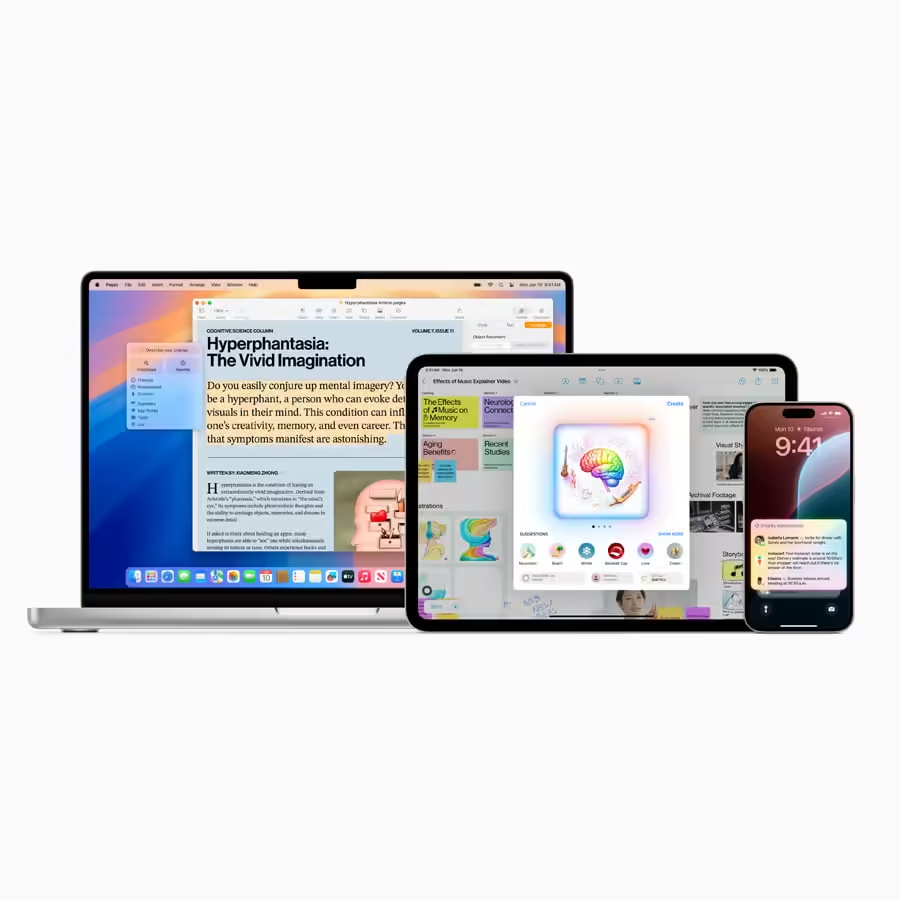
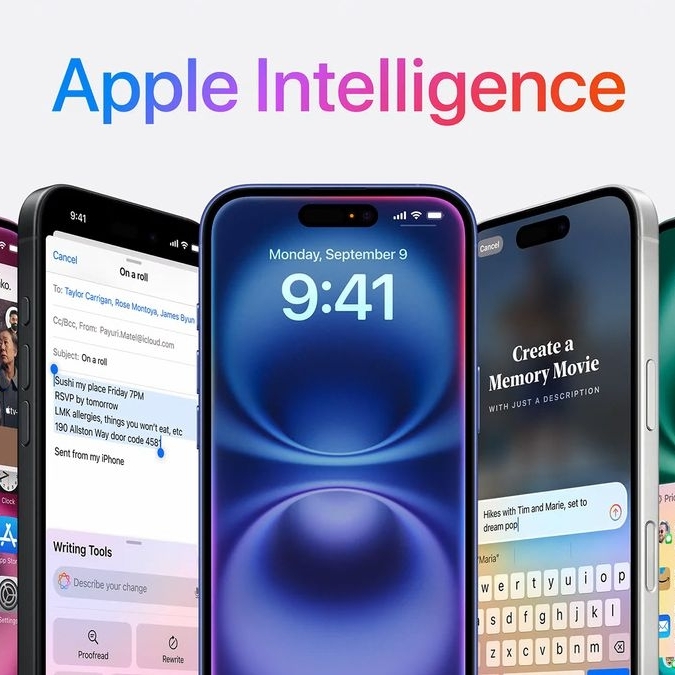
Apple Intelligence delayed to 2027 is not the headline iPhone users were hoping to see. Apple Intelligence is Apple’s suite of on-device and cloud-based generative AI features intended to modernize Siri and compete with ChatGPT, Gemini, and Copilot. Reports now suggest the most ambitious features won’t fully land until 2027. For users looking ahead to iOS 19, expectations of a major AI leap need a reality check: iOS 19 AI upgrades will be lacking compared to competitors. To understand what was originally planned, you can read our A Comprehensive preview of Apple Intelligence in iOS 18: AI.
The Official Delay: Apple Intelligence Features Postponed
Reports from Bloomberg’s Mark Gurman, Mashable, and BGR confirm that Apple Intelligence features are postponed well beyond the next couple of iOS cycles, pushing breakthrough functionality into the 2026–2027 window. Bloomberg details that Apple’s internal roadmap has shifted significantly.

Specific delayed features include:
- Full Siri overhaul (LLM Siri): A unified, large-language-model-based Siri that can understand complex, conversational requests and reliably control apps. Initially targeted around iOS 18, now slipped to iOS 20 (around 2027).
- Advanced generative AI tools: Features like conversational Siri handling multi-step tasks across apps (e.g., “Plan a weekend trip and book hotels”), rich on-device chat experiences tied to personal data, and consistent AI-driven automation.
What is rolling out incrementally (iOS 18.x) includes basic text summarization, email rewriting, simple image edits, and smarter notifications. The net is that Apple Intelligence is a multi-year build-out, and the most transformative capabilities are on the far end of that timeline. As noted by Mashable, this represents a significant shift in Apple’s AI strategy.
What iOS 19 Will (and Won’t) Offer in AI
For anyone searching “iOS 19 AI upgrades lacking” or “iOS 19 missing AI features,” the takeaway is that iOS 19 is not the AI revolution expected. The recent Apple recent decisions on Apple Intelligence will affect many iPhone users. directly impacts what will be available in iOS 19.
What iOS 19 is likely to include (refinements, not leaps):
- Slightly better text summarization, smart replies, and notification prioritization.
- Improvements in Siri recognition accuracy and speed, but still limited – not the “LLM Siri” that handles complex, conversational commands seamlessly.
- Behind-the-scenes AI improvements (on-device model efficiency, battery optimization using ML). These are subtle and not headline breakthroughs.
iOS 19 missing AI features (the concrete list):
- No fully conversational, context-aware Siri with memory over time.
- No deep app integration for automation (e.g., Siri directly operating third-party apps intelligently).
- No AI-native system experiences on par with competitors (Google, Microsoft, Samsung) – limited device-wide AI agents, AI-first camera pipelines, or true AI companions.
If you expected iOS 19 to close the AI gap, the reality is that iOS 19 missing AI features will be a key narrative. According to BGR, this delay positions Apple behind rivals in the AI race.
Why the Delay? Unpacking Apple AI Delay Reasons
Understanding the Apple AI delay reasons requires a deep dive into technical, strategic, and organizational factors. This has already led to an Apple Sued Over Siri AI Delays: What the Shareholder Lawsuit Means.
Reason 1: Technical debt and legacy Siri architecture.
Siri is a decade-old system built for simple, pre-scripted commands. Apple has two systems: an older one for basic commands and a newer LLM-driven layer for Apple Intelligence. Unifying them is complex because the legacy system is deeply wired into the OS. This architectural complexity is a major Apple AI delay reason.
Reason 2: Underdeveloped homegrown models.
Bloomberg reporting indicates Apple’s internal foundational models are “reaching their limits” compared to OpenAI’s, Google’s, and others’. Apple’s models may lag in reasoning, extended conversations, and multi-step tasks. Catching up requires more compute, more data, and more time. Bloomberg highlights this as a core challenge.
Reason 3: Hardware and on-device constraints.

Apple strongly prefers on-device processing for privacy. AI features must run efficiently on iPhone chips, but powerful LLMs are large and computationally heavy. Designing powerful yet small and efficient models is a non-trivial optimization problem – another Apple AI delay reason.
Reason 4: Talent, leadership, and supply issues.
Reports of AI chip shortages, talent poaching by rivals (OpenAI, Google, Meta), and internal leadership friction all slow decision-making and execution. Mashable notes these organizational hurdles compound the technical ones.
Reason 5: Strategic caution vs. competitors’ speed.
Apple’s brand is built on polish and reliability. Competitors (Google, Microsoft) ship fast, iterate publicly, and accept rough edges. Apple moves slower to avoid embarrassing failures and ensure privacy and user experience. This cautious stance makes Apple Intelligence features postponed feel like Apple is “behind,” even if the long-term bet is sound. The shareholder lawsuit already highlights the tension.
What This Means for Users and Developers
The practical impact of the delay touches everyone in the Apple ecosystem.
For everyday users:
- No dramatic AI leap with iOS 19 – modest improvements only.
- Users will continue relying on third-party AI apps (ChatGPT, Gemini, Microsoft Copilot) for cutting-edge generative AI.
- Perception: Apple devices still feel “behind” in AI marketing terms, even if Apple’s implementation is more private.
For developers:
- Delayed access to powerful platform APIs and system-level LLM APIs. They cannot yet build the rich AI workflows hoped for on iOS 19.
- Uncertainty over the roadmap with major LLM Siri features parked until 2027. Harder to justify large investments in Siri-based experiences today.
- Continued dependence on their own AI stacks. Many will integrate directly with OpenAI, Anthropic, or Google models instead of relying on Apple’s delayed system.
In practice, iOS 19 AI upgrades lacking means at least another year or two where AI innovation on Apple platforms is driven more by third-party services than by Apple Intelligence itself. The initial vision was to change this, but the reality is different.

Looking Ahead: What to Expect by 2027
If reports are accurate, the Apple Intelligence delayed to 2027 timeline sets expectations for a more substantial shift around iOS 20. Rumors about the next major leap are already circulating, such as the Exploring the Exciting new features coming to ios 26 update.
Potential features by 2027:
- Fully overhauled LLM-based Siri: Unified assistant understanding natural language, handling multi-step tasks across apps, maintaining context and memory. Deep integration with Messages, Mail, Calendar, Photos, and third-party apps via updated SiriKit.
- System-wide AI experiences: AI-native OS features like smart document handling, intelligent planning grounded in personal data, advanced content creation from anywhere in the system. Smarter battery and performance tuning.
- Platform APIs for developers: More powerful Apple Intelligence APIs allowing apps to use on-device models for summarization, translation, rewriting, and to request Siri perform multi-step actions. Consistent privacy and safety guarantees.
Apple can differentiate on privacy (heavy on-device processing), integration (tight coupling with hardware and apps), and user experience (more polished and less experimental). If executed well, the 2027 rollout could shift the conversation from “late” to “mature and reliable.” The initial vision was explained in our article What will Apple Intelligence Do to Revolutionize the Apple Tech World.
Frequently Asked Questions
- Why is Apple Intelligence delayed to 2027? The delay is due to technical debt from legacy Siri architecture, underdeveloped homegrown AI models, hardware constraints, talent issues, and strategic caution. Bloomberg provides detailed reporting on these factors.
- What AI features are missing in iOS 19? iOS 19 missing AI features include a fully conversational Siri with memory, deep app integration for automation, and AI-native system experiences. Only basic refinements like improved text summarization and smarter notifications are expected.
- Will Siri get better in iOS 19? Siri will see slight improvements in recognition accuracy and speed, but not the LLM-based overhaul. BGR confirms the major Siri upgrade is pushed to 2027.
- How does the Apple Intelligence delay affect developers? Developers face delayed access to powerful AI APIs and uncertainty about the roadmap. Many will rely on third-party AI services instead of Apple’s native solutions for now.
- What can users expect from iOS 19 AI upgrades? iOS 19 AI upgrades will be lacking compared to hyped expectations, offering only incremental improvements. Users should prepare for limited AI innovation on Apple devices until 2027.
- Is Apple falling behind in AI? The Apple Intelligence delayed to 2027 narrative suggests Apple is behind rivals like Google and Microsoft in AI rollout, though strategic caution may pay off long-term. Mashable discusses this competitive gap.