
The Future of Siri: Apple’s On-Device AI Revolution at WWDC 2026
Estimated reading time: 7 minutes
Key Takeaways
- WWDC 2026 will mark the official arrival of Apple’s on-device AI for Siri, moving processing from the cloud to your iPhone.
- This shift promises faster responses, enhanced privacy, and offline functionality using Apple’s Neural Engine.
- The overhaul includes generative AI features like multi-step queries, contextual understanding, and deeper app integration.
- Apple positions this as a “privacy-focused” alternative to competitors like Google and OpenAI.
- These updates are part of a broader “Apple Intelligence” ecosystem across iOS 27, macOS 27, and iPadOS 27.
Table of Contents
- The Future of Siri: Apple’s On-Device AI Revolution at WWDC 2026
- Key Takeaways
- What is On-Device AI and Why Does It Matter for Siri?
- The Technology Behind the Overhaul – Apple’s Generative AI Leap
- The Revolutionary Siri Overhaul Features 2026 – What Will It Actually Do?
- The Bigger Picture – Contextualizing the WWDC 2026 Apple AI Announcements
- Frequently Asked Questions
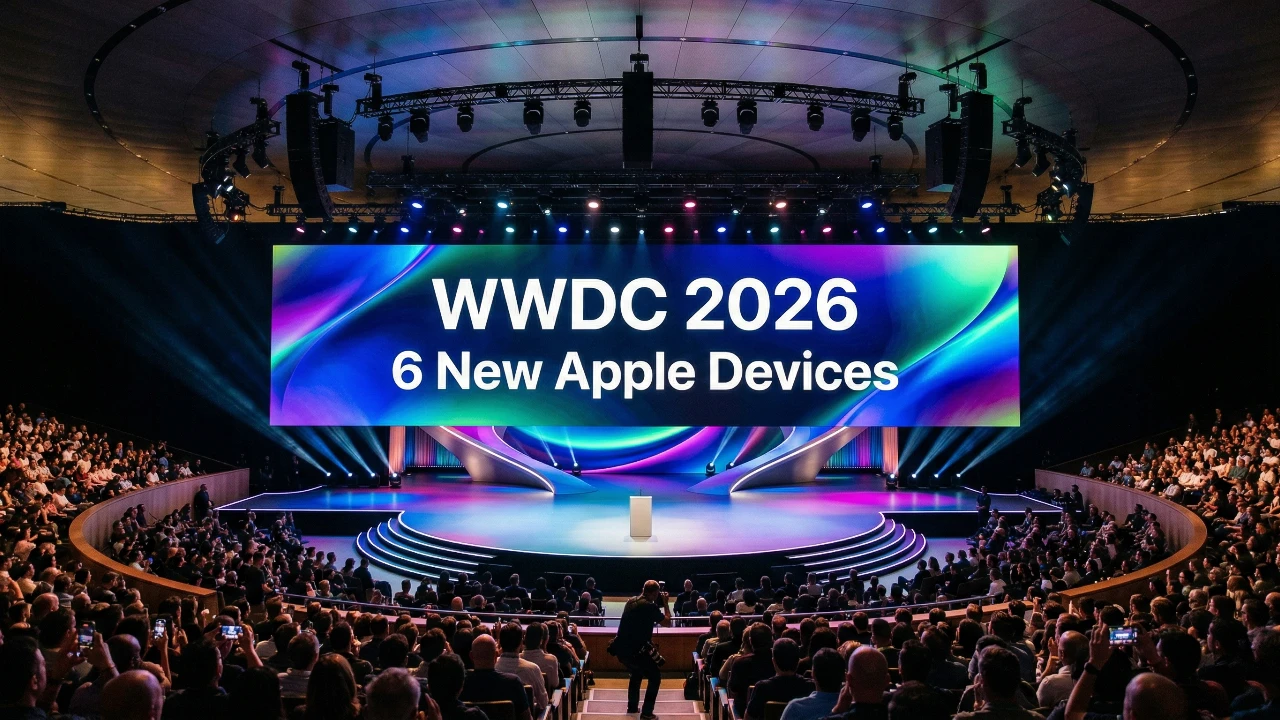
Apple’s Worldwide Developers Conference has always been the stage for game-changing reveals, but WWDC 2026—kicking off June 8 at Apple Park—promises to redefine the conversation. The hype and leaks from Bloomberg’s Mark Gurman, reported in Fortune India, TechCrunch, and Search Engine Land, point to a pivotal moment. This event ushers in the “apple siri on-device ai wwdc 2026” era, marking a pivotal moment for Apple’s AI strategy. This shift moves AI processing from cloud servers to your iPhone itself, delivering faster, private responses without internet dependency. It is Apple’s bold play to catch up in the AI race against Google and OpenAI, emphasizing privacy as its secret weapon.
What is On-Device AI and Why Does It Matter for Siri?
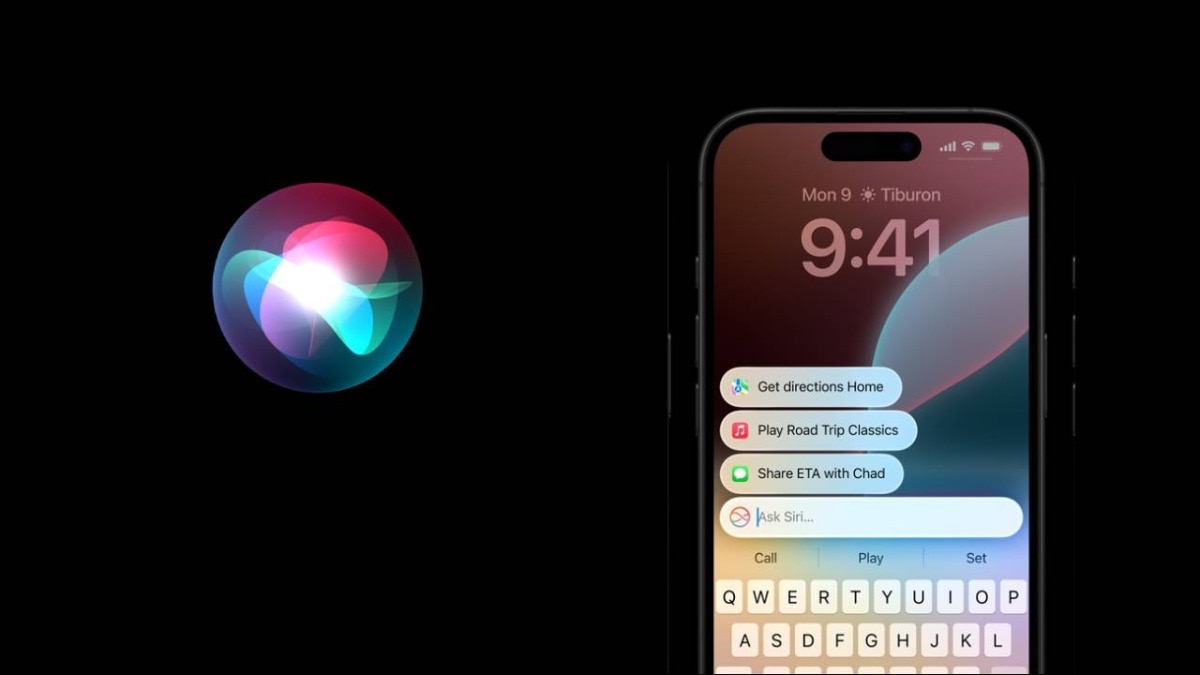
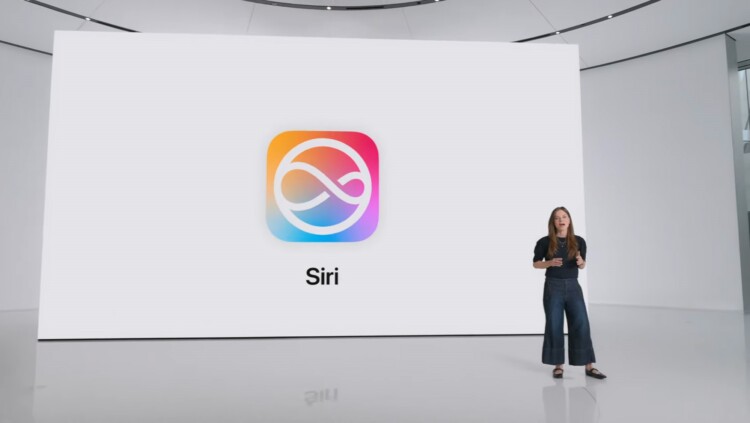
On-device AI means running complex computations—like language understanding and response generation—directly on your device’s hardware, such as the Neural Engine in Apple’s A-series or M-series chips. No data leaves your phone, enabling instant, offline performance. This matters hugely for Siri, which has lagged behind rivals due to its cloud-heavy past. Gurman’s reports detail a redesigned Siri interface integrating into the iPhone’s Dynamic Island with a “Search or Ask” prompt and a glowing cursor for chatbot-like chats. Deeper capabilities include multi-step queries, conversational context, and app integration—all on-device. As Planhub notes, this aligns with Apple’s privacy ethos: your routines, relationships, and data stay local, dodging cloud breaches. This is a “revolutionary siri overhaul features 2026” pivot from scripted replies to generative power, teased in WWDC 2025’s delays but primed for 2026. For more context on Apple’s broader privacy focus in AI, see our guide on what will Apple Intelligence Do to Revolutionize the Apple Tech World.
The Technology Behind the Overhaul – Apple’s Generative AI Leap
At the core is “apple generative ai on-device language models” (LLMs), optimized for efficiency to fit iPhone constraints. Bloomberg reveals “World Knowledge Answers,” an AI search engine for Siri and Safari, powered by custom Google Gemini tech but processed on-device for multimodal answers (text, images, voice). This enables conversational accuracy with planners, summarizers, and context-aware responses. Unlike cloud-reliant ChatGPT, Apple’s approach leverages on-device data like photos and messages for personalized insights. As per Search Engine Land and Gizmodo, it is woven into iOS 27, macOS 27, and iPadOS 27—not a standalone app yet—rivaling Perplexity while prioritizing speed and security. WWDC 2025’s “Liquid Glass” design and betas laid groundwork, but 2026 delivers the full generative leap. For a deeper look at the underlying model architecture, read our technical deep dive on apple intelligence ios 19 on-device models explained.

The Revolutionary Siri Overhaul Features 2026 – What Will It Actually Do?
Users can expect “revolutionary siri overhaul features 2026” that transform Siri from reactive to proactive.
- Multi-Step and Contextual Queries: Siri can now handle complex commands like “Book a flight to Paris next week based on my calendar and text my wife the details,” maintaining context across chats.
- AI-Powered Search: “World Knowledge Answers” generates summaries from web data, photos/videos, and on-device info, per Bloomberg.
- Deeper Integration: Siri can now perform direct app actions (e.g., edit photos, summarize emails) with a standalone-like app for revisiting chats, switching voice/text seamlessly.
- Proactive Aids: Natural responses via Gemini partnership (iOS 26.4 preview), plus health assistants and real-time translation, as highlighted in Planhub and USA Today.
Fortune India highlights Dynamic Island embedding for a glowing, intuitive interface—making Siri feel like a true companion. This aligns with the design philosophy of Apple Liquid Glass Design Reaction, which emphasizes a more immersive and intuitive UI. All these features are powered by on-device processing, reinforcing the “apple siri on-device ai wwdc 2026” shift.

The Bigger Picture – Contextualizing the WWDC 2026 Apple AI Announcements
Siri’s glow-up is the star of broader “wwdc 2026 apple ai announcements.” iOS 27 anchors an “Apple Intelligence” ecosystem with on-device photo editing, workout buddies (Apple Watch), Xcode AI, and Shortcuts upgrades—echoing WWDC 2025’s foundations but scaled up. As noted by ZDNet and Knowledge Sourcing, Siri pulls from apps for holistic intelligence. CEO Tim Cook calls this “as big or bigger than the internet,” positioning Apple to dominate with privacy as the edge. The technology powering this ecosystem relies on “apple generative ai on-device language models,” processing data locally for speed and security. This marks a major step forward compared to recent updates like the iOS 18.4 Beta 2 features.
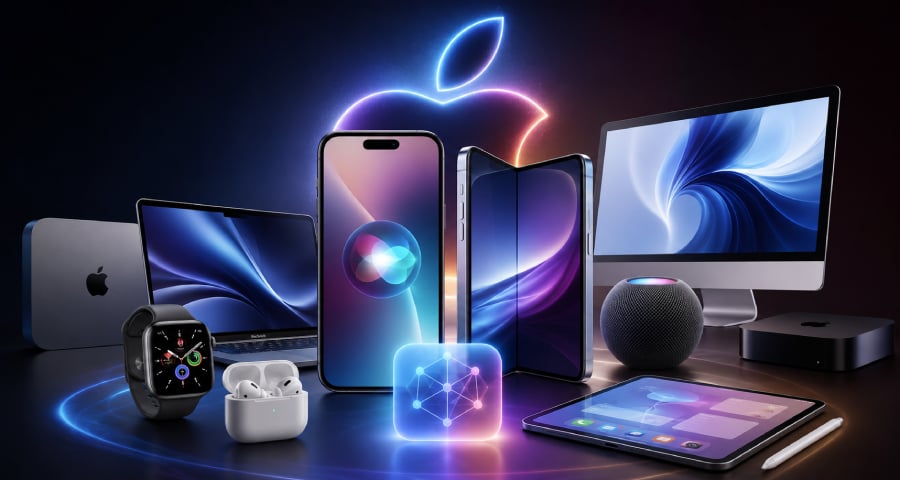
“apple generative ai on-device language models” are deeply integrated across the ecosystem, enabling features like real-time photo editing and personalized workout recommendations. This “wwdc 2026 apple ai announcements” ecosystem ensures that Apple’s device lineup works together seamlessly, with Siri as the central interface. The “privacy focused ai assistant apple siri” ensures that all data remains on-device, mitigating risks of cloud breaches and aligning with Apple’s core values. As a result, users can expect a “revolutionary siri overhaul features 2026” that redefines what a digital assistant can do.

The synergy across devices is key. Siri can pull context from your Messages, Calendar, and Health app to provide proactive suggestions, all processed locally. This is a direct contrast to some of the challenges seen with other AI systems, such as the meta ai searches made public unknowingly, highlighting Apple’s commitment to privacy.
In summary, “apple siri on-device ai wwdc 2026” closes the gap with Google Assistant and ChatGPT, but Apple’s “privacy focused ai assistant apple siri” ensures power without compromise. The “WWDC 2026 apple ai announcements,” centered on “revolutionary siri overhaul features 2026,” herald a secure, seamless future—redefining assistants through on-device innovation. Get ready: your iPhone is about to think like never before.

Frequently Asked Questions
- Will Siri work offline with on-device AI? Yes, on-device AI allows Siri to process many requests directly on your iPhone without needing an internet connection, enabling faster responses and enhanced privacy.
- What is Apple’s approach to privacy with the new Siri? Apple processes all AI computations locally on your device, meaning your personal data like photos, messages, and routines never leave your iPhone, reducing the risk of cloud breaches. This is central to the “privacy focused ai assistant apple siri” promise.
- When will these features be available? The overhaul is expected to be announced at WWDC 2026, running from June 8, and will be part of iOS 27, macOS 27, and iPadOS 27, likely rolling out in the fall of 2026.
- How does this compare to Google Assistant and ChatGPT? While Google and OpenAI rely heavily on cloud servers, Apple’s on-device approach prioritizes privacy and offline functionality. However, some complex tasks may still require cloud support, though Apple’s design minimizes this.
- Will the new Siri be available on older iPhones? Detailed compatibility will be announced at WWDC, but given the reliance on the Neural Engine, it is likely that only devices with A14 or newer chips will fully support the new features.