


Blog Post SEO Checklist: 10 Proven Steps to Boost Rankings in 2026
Estimated reading time: 12 minutes
Key Takeaways
- A blog post SEO checklist is your roadmap to higher rankings and sustainable organic traffic.
- Keyword research is the non-negotiable foundation; skipping it is like building on sand.
- Matching search intent is more critical than keyword density for satisfying users and search engines.
- Strategic primary keyword placement in titles, headers, and meta descriptions signals relevance.
- On-page optimization for readability and engagement keeps visitors on your page longer.
- A robust internal linking strategy and authoritative external links build site authority.
- Creating comprehensive, E-E-A-T aligned content is the ultimate ranking factor.
- Continuous measurement and content refreshing turn good posts into perpetual traffic generators.
Table of contents
- Blog Post SEO Checklist: 10 Proven Steps to Boost Rankings in 2026
- Key Takeaways
- Introduction: The SEO Traffic Game-Changer
- What is a Blog Post SEO Checklist?
- The Foundation: Why Keyword Research is Everything
- Step 1: Plan Content with Keyword Research
- Step 2: Understand and Match Search Intent
- Step 3: Place Primary Keyword in Key Locations
- Step 4: Prioritize and Select Keywords
- Step 5: Optimize On-Page Elements for Readability and Engagement
- Step 6: Incorporate Related/Secondary Keywords Naturally
- Step 7: Internal/External Linking and Structure
- Step 8: Write the Best, Most Detailed Content
- Step 9: Measure and Refresh Performance
- Frequently Asked Questions
Introduction: The SEO Traffic Game-Changer
Staring at a blank page, wondering why your brilliant posts get lost in the internet void? You’re not alone. The difference between a post that ranks and one that rots often boils down to a systematic, proven blog post SEO checklist. This isn’t about gaming algorithms; it’s about aligning your content with what both users and search engines desperately seek. If you’ve battled low traffic, poor visibility, or the frustration of outranking by “lesser” content, this guide is your lifeline. We’re diving deep into a comprehensive, actionable SEO blog post checklist based on 2026 best practices to optimize your blog post for SEO, drive organic traffic, and finally claim your spot on page one.

What is a Blog Post SEO Checklist?
A blog post SEO checklist is a structured set of best practices and optimizations designed to ensure your blog post ranks higher in search engine results pages (SERPs). It moves beyond guesswork, providing a repeatable framework that aligns your content with user search intent, incorporates target keywords strategically, improves readability, and enhances critical on-page elements like titles and meta descriptions. As experts from leading SEO resources confirm, this checklist is the bridge between creating content and creating discoverable content that builds credibility and authority over time.
The Foundation: Why Keyword Research is Everything
You wouldn’t build a house without a blueprint, so why create content without keyword research? It is the undeniable foundation of blogging success. This process involves targeting ideal keywords by including terms your actual audience uses, covering related and synonymous words, identifying high-intent long-tail keywords, and realistically assessing competition. As highlighted by industry insights, skipping this step is the top reason posts fail. Keyword research for blog posts tells you what to write about and how to phrase it. To unlock the full power of this process, explore this comprehensive guide on effective keyword research.

Step 1: Plan Content with Keyword Research
The first step in your blog post SEO checklist is to plan your content around solid keyword research. Start by brainstorming seed topics directly relevant to your audience’s core needs and pain points. Then, employ a mix of tools to gather data:
- Google Keyword Planner: Great for understanding search volume and competition directly from Google’s data.
- Ahrefs, SEMrush, Ubersuggest: Powerful suites for analyzing keyword difficulty, related terms, and competitor gaps.
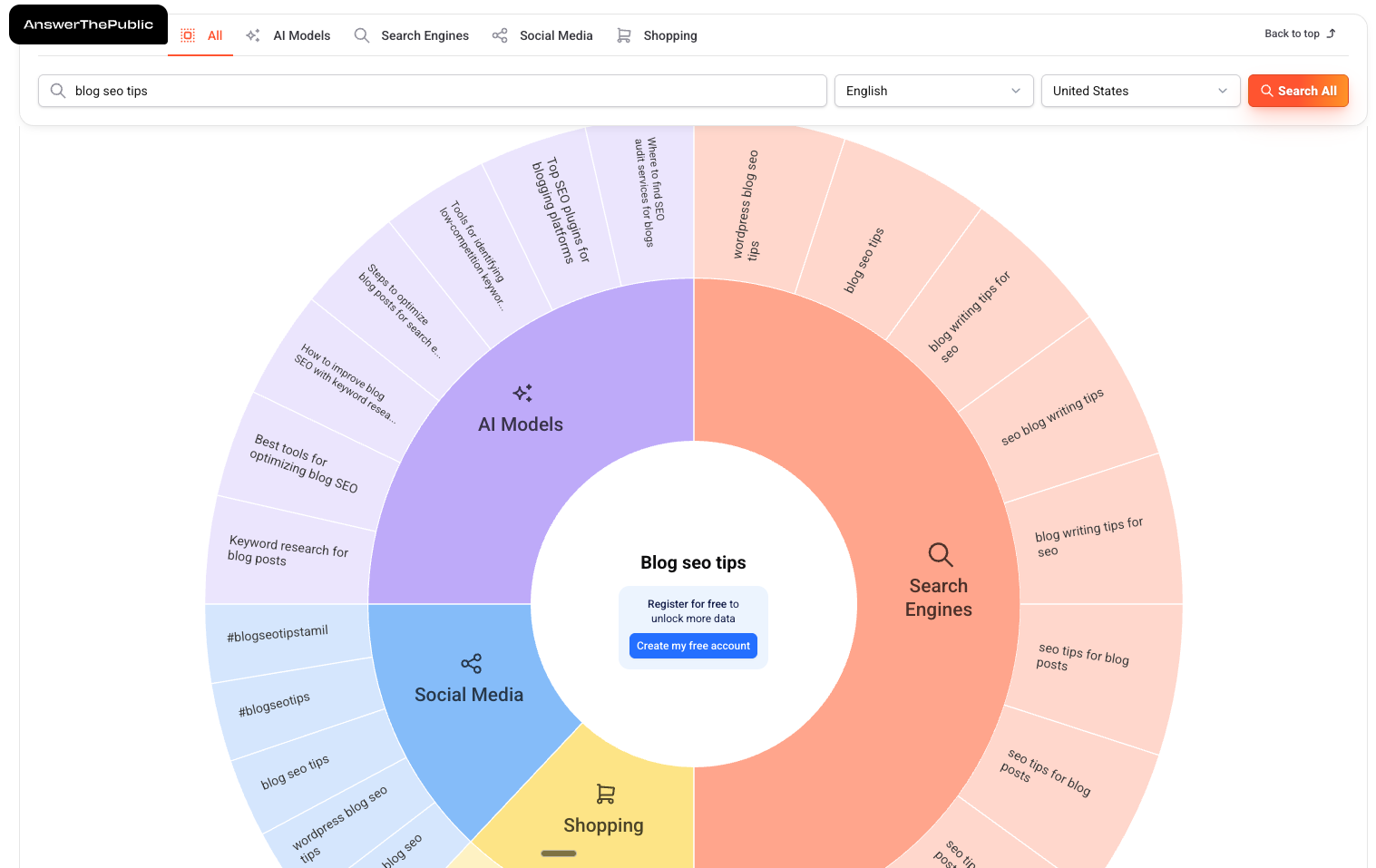
- AnswerThePublic: Visualizes search questions and prepositions, uncovering long-tail variations you might miss.
This keyword research process isn’t just about volume; it’s about finding opportunities where you can compete and win. The goal is to identify terms with sufficient search interest but manageable competition. For a deep dive into the methodologies and best keyword research tools, refer to these proven best practices for SEO keyword research, which draw from sources like SEObotai, We Are TG, Mangools, and Click Nonprofit.
Step 2: Understand and Match Search Intent
You can have the perfect keyword, but if your content doesn’t match what the searcher wants, it will never rank. Search intent is the classification of keywords by user goals: informational (seeking knowledge), navigational (looking for a specific site), commercial (researching before a buy), or transactional (ready to purchase). Your content’s format, depth, and call-to-action must align with this intent.
How to analyze search intent for blog posts:
- Manually examine the top 10 SERP results for your target keyword. Are they listicles, how-to guides, product pages, or videos?
- Use the “People also ask” and “Related searches” sections in Google for clues.
If the top results are all “how-to” videos, a plain text article might struggle. Mastering search intent is critical for SEO success. Learn more about classifying and matching user goals in this ultimate guide, which synthesizes expertise from SEObotai and We Are TG.

Step 3: Place Primary Keyword in Key Locations
Strategic placement of your primary keyword signals topic relevance to search engines. Here’s your exact placement checklist:
- Title Tag (HTML Title): Front-load the keyword, ideally within the first 60 characters. Example: “Blog Post SEO Checklist: The 2026 Master Guide”.
- Headline (H1): Naturally include the keyword in your main post title.
- Introduction: Use the keyword within the first 100 words to establish context.
- Subheadings (H2/H3): Sprinkle into subheadings where it fits naturally.
- URL Slug: Keep it concise and include the primary keyword (e.g., /blog-post-seo-checklist).
- Meta Description: Lead with it, keep it under 160 characters, and make it summative, keyword-rich, and active to boost click-through rates.
- Conclusion: Mention it in your closing paragraph to reinforce the topic.
This keyword in title and meta strategy is a cornerstone of on-page SEO. Remember, natural integration always trumps forced repetition.

Step 4: Prioritize and Select Keywords
Not all keywords are created equal. This step involves smart selection and prioritization:
- Choose a Focus Keyphrase: Select one primary keyword per post that balances decent search volume with low-to-medium competition. This is your anchor.
- Mix Head Terms and Long-Tail: Supplement your primary keyword with specific long-tail keywords for blogs (e.g., “blog post SEO checklist for beginners”). These often have higher conversion intent and lower competition.
- Group into Clusters: Organize related keywords into thematic clusters to create comprehensive content hubs.
- Refine Ruthlessly: Eliminate low-volume, off-topic, or overly competitive terms that don’t serve your audience or goals.
This process, as detailed by sources like SEObotai, We Are TG, Click Nonprofit, and Mangools, ensures you’re targeting keywords that drive meaningful traffic.
Step 5: Optimize On-Page Elements for Readability and Engagement
SEO isn’t just for bots; it’s for humans. Blog post readability and engagement are direct ranking factors. Here’s how to optimize:
- Format for Scanners: Use short sentences, paragraphs (2-3 lines), and ample white space. Break up text with H2, H3, and H4 subheadings to create bite-sized sections.
- Emphasize Key Points: Use bold and italics to highlight important concepts, but don’t overdo it.
- Optimize Images for SEO:
- Use colorful, relevant feature images.
- Compress files (use tools like ShortPixel or TinyPNG) for speed.
- Use descriptive filenames and alt text containing your keyword.
- Implement lazy loading to improve page load times.
- Enrich with Media: Add videos, charts, infographics, and real-world examples. Embedded high-retention videos or interactive elements significantly boost user engagement and time-on-page, as noted in resources like the SEO Blog Post Optimization Checklist from Vazoola.

Step 6: Incorporate Related/Secondary Keywords Naturally
To cover a topic comprehensively and rank for more search variations, weave in related keywords for SEO. These are terms closely associated with your primary keyword. For example, for “blog post SEO checklist,” related keywords might include “on-page SEO checklist,” “content optimization,” or “meta description best practices.”
How to find them: Use tools like Clearscope, Semrush Writing Assistant, or even Google’s “Searches related to” at the bottom of the SERP. The goal is to incorporate as many as possible naturally throughout the body text without keyword stuffing. This tells search engines your content is thorough and authoritative on the subject.
Step 7: Internal/External Linking and Structure
A well-structured post with smart linking builds authority and helps search engines crawl your site effectively.
- Internal Linking for Blogs: Link to 2-3 of your own relevant, authoritative posts using descriptive anchor text. This keeps users on your site and distributes page authority.
- External Linking: Link out to high-authority, trustworthy sources to back up claims. This adds credibility and can improve your E-E-A-T signals.
- SEO Categories and Tags: Use one primary category per post to maintain a clean site structure. Use multiple tags as descriptors, but avoid using the same tags for every post to prevent duplicate content issues.
- Descriptive URLs: Create concise URLs that include the primary keyword and avoid stop words (e.g., /, and, the).

Step 8: Write the Best, Most Detailed Content
At the heart of every top-ranking post is exceptional content. This means creating original, value-packed, and actionable content that covers the topic in more depth and clarity than any competitor. Aim to be the definitive resource.
- Start with Strong Headlines: Use emotional or benefit-driven headlines to capture clicks.
- Answer Every Question: Anticipate and answer all related questions a searcher might have.
- Optimize for User Experience (UX): Ensure fast site speed, mobile responsiveness, and accessible design.
- Build E-E-A-T: Demonstrate Experience, Expertise, Authoritativeness, and Trustworthiness. Credit sources accurately, cite data, and if possible, showcase author credentials.
This commitment to comprehensive SEO content is what earns backlinks and social shares—the currency of online authority.
Step 9: Measure and Refresh Performance
Your work isn’t done after hitting “publish.” SEO is a continuous process. Use analytics to track key blog post metrics:
- Page views and unique visitors
- Top traffic-driving posts
- Bounce rate and average time on page
- Traffic by channel (organic, social, direct)
- SERP position for target keywords
For older posts losing traction, implement a content refresh SEO strategy:
- Check if search intent for the topic has evolved.
- Update statistics, examples, and broken links.
- Refresh the meta title and description if needed.
- Add new sections or media to increase comprehensiveness.
A refreshed post can often regain rankings faster than publishing something new.

Frequently Asked Questions
How often should I use my primary keyword in a blog post?
Focus on natural integration rather than a specific count. A good rule of thumb is a 1-2% keyword density, but prioritize readability. Ensure it’s in key locations (title, headers, intro, conclusion) and appears naturally in the body where it makes sense. Writing for readers first always leads to better SEO outcomes.
What is a good blog post length for SEO in 2026?
There’s no magic number. Length should be dictated by the topic’s complexity and the need to provide comprehensive coverage. Often, top-ranking posts are detailed guides over 1,500 words because they thoroughly satisfy search intent. Focus on being the most helpful resource, not hitting a word count.
How do I choose the right keyword research tools?
Start with free tools like Google Keyword Planner and Ubersuggest. As your needs grow, invest in paid tools like Ahrefs or SEMrush for deeper competitor and backlink analysis. The “best” tool depends on your budget and the specific data you need (e.g., search volume, difficulty, trend forecasting).